For Miami specifically, that dual placement is significant. The city's cocktail program reputation has historically rested on venues aligned with the hotel and hospitality industry, places where service scale and setting carried as much weight as the liquid in the glass. The emergence of a bar like Viceversa in the independent specialist tier represents a structural shift in where Miami sits within the North American bar conversation.
The Back Bar as Editorial Statement
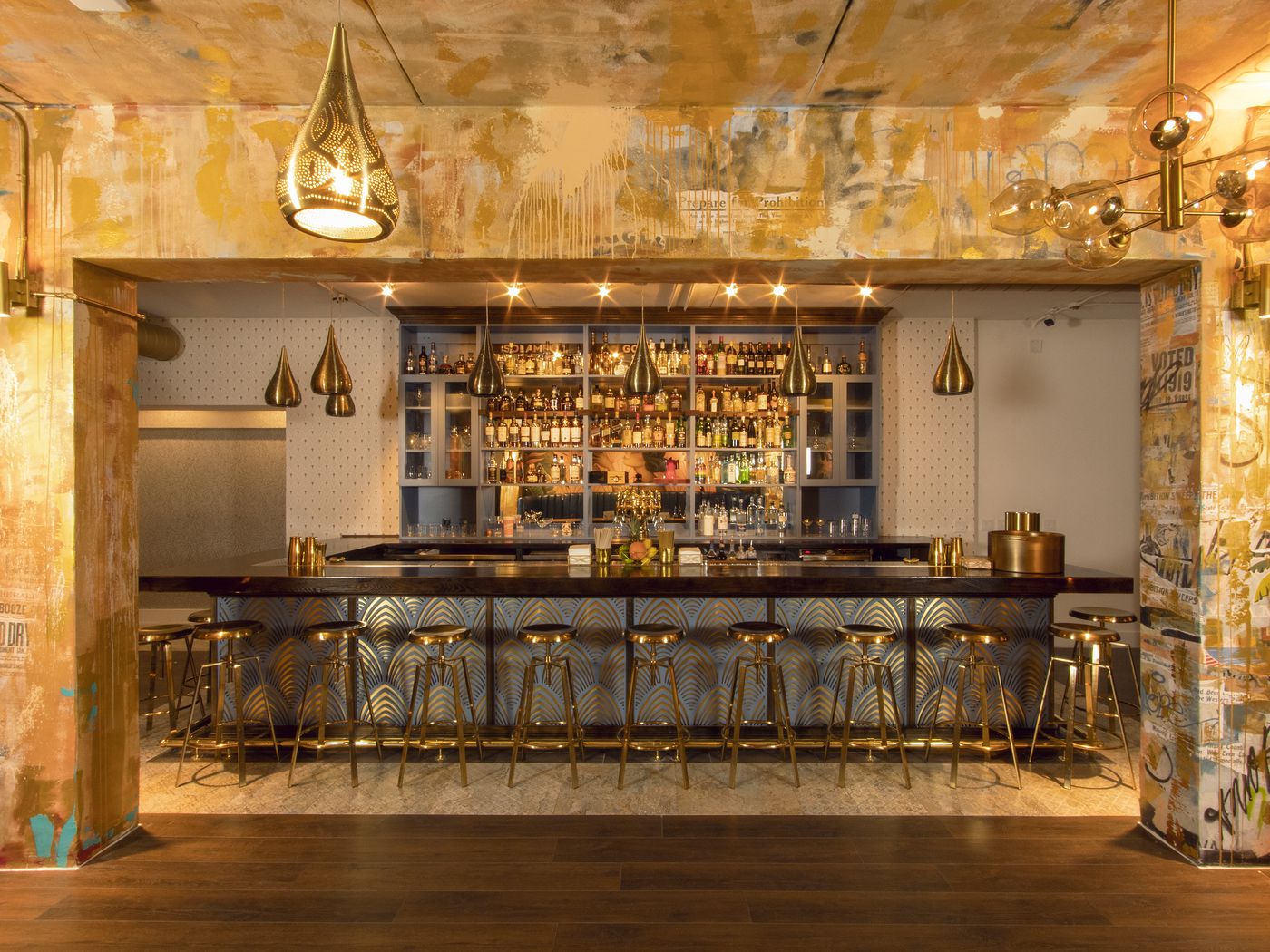
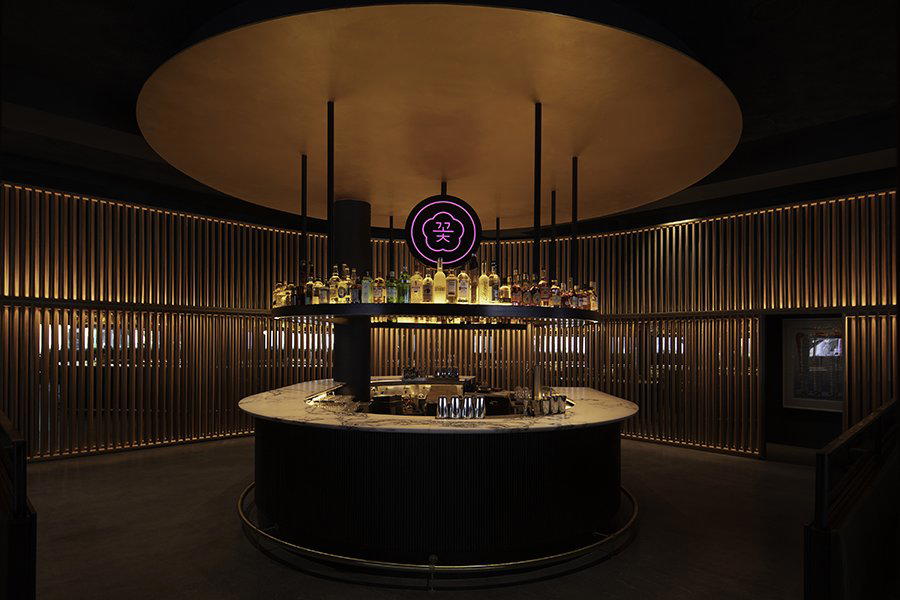
In bars that earn and sustain top-tier ranking, the spirits collection is rarely incidental. It functions as an argument: about what the bar believes matters, which producers are worth the shelf space, and how far the team has traveled intellectually and sourcing-wise to assemble the program. The depth of a back bar is also a signal to the drinker before a single order is placed. A well-curated collection communicates that the people running the room have thought carefully about every bottle, that the menu grew from the collection rather than the collection being purchased to support the menu.
This approach is what separates the specialist bar tier from the broader on-trade. At venues operating in Viceversa's competitive set, the back bar routinely includes aged expressions unavailable through standard distribution, regional spirits given serious real estate alongside established categories, and allocated bottles held for specific cocktail applications rather than display. The result is a program with genuine depth across multiple spirit categories, which gives the bar team the flexibility to make cocktails that couldn't be replicated at a venue working from a standard spirits portfolio.
Miami's proximity to the Caribbean and Latin America adds a layer of regional relevance to any serious rum or agave program. A bar in this city has access to a sourcing network that few U.S. markets can match for those categories, and the leading local programs treat that geography as an advantage rather than a default. How Viceversa engages with that regional depth is part of what positions it within the Miami market rather than simply within the national bar ranking.
Miami's Cocktail Tier: Where Viceversa Sits
Miami's bar scene organizes itself across several distinct formats. The hotel bar, historically dominant, runs from the boutique property lobby through to the branded rooftop and the poolside program. Then there is the entertainment-venue category, where high-volume service and theatrical staging define the experience. Mango's belongs to that entertainment register, where the spectacle and energy of the room are inseparable from the point of the visit.
Alongside those formats, Miami has developed a smaller tier of venues where the cocktail program itself is the headline. Broken Shaker helped establish that tier's credibility, earning recognition for its ingredient-driven approach at a time when few Miami bars were competing in that space nationally. Café La Trova brought Cuban heritage drinks into the serious cocktail conversation with a program that treats classic Havana bar culture as a legitimate technical tradition. Bar Kaiju operates in the Japanese-influence cocktail format that has expanded through U.S. markets since the early 2010s.
Viceversa's 2025 ranking places it above most of that peer group in formal recognition terms. At #56 in North America, it sits in the same broad tier as nationally recognized programs in larger cocktail markets, a position that carries weight when Miami's bar scene is often described primarily through its nightlife and hotel categories rather than its craft bar programs.
The Arts District Location
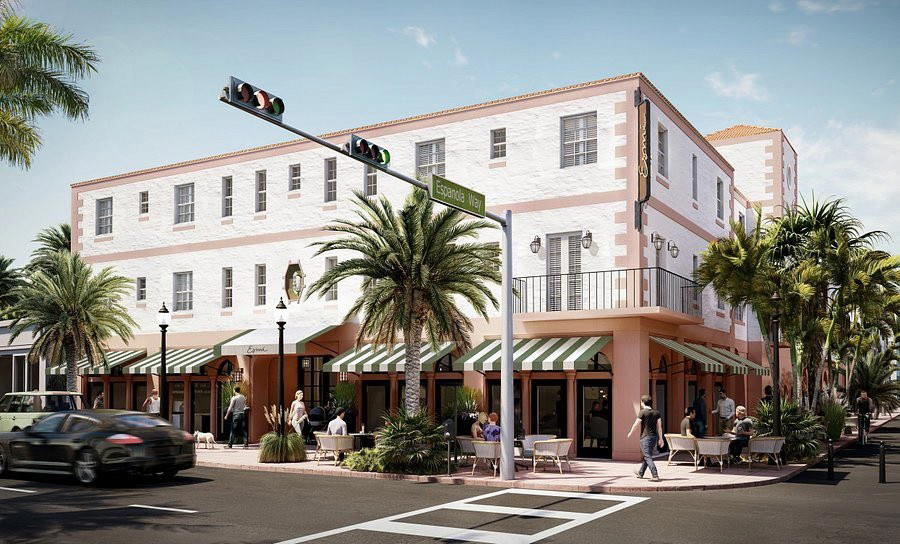
The choice of neighborhood for a serious cocktail bar is rarely neutral. The Arts District address puts Viceversa in a part of Miami that has attracted galleries, design studios, and independent food and drink operators rather than the hotel-driven footfall of South Beach or the finance-crowd density of Brickell. That positioning appeals to a specific visitor type: someone who came to Miami with a bar list rather than a reservation at a hotel rooftop, and who navigates the city by category rather than by neighborhood convenience.
For travelers arriving from markets with established serious-bar cultures, the address functions as a useful shorthand. The independent-neighborhood specialist bar is a recognizable format: it follows the same logic as Julep in Houston, Bar Leather Apron in Honolulu, or Superbueno in New York City, venues where the neighborhood context reinforces rather than contradicts the seriousness of the program. The Parlour in Frankfurt operates on similar logic in a European context: the off-center address is part of the self-selection mechanism that keeps the crowd aligned with the program's intent.
Planning a Visit
Know Before You Go
- Address: 398 NE 5th St, Miami, FL 33132
- Neighborhood: Arts District, Downtown Miami
- Recognition: North America's 50 Best Bars #56 (2025); Top 500 Bars #184 (2025)
- Guest Rating: 4.6 / 5 (255 Google reviews)
- Booking: Contact details not listed; check the venue directly for reservation availability
- Price Range: Not confirmed; expect pricing consistent with the specialist cocktail tier at this ranking level
- Hours: not listed in the record
- Dress Code: smart casual




 Discover on Pearl