Koi Japanese Cuisine
.png)
Among the Michelin Plate-recognized Japanese restaurants operating outside central Los Angeles, Koi Japanese Cuisine in Seal Beach occupies a distinct position: consistent recognition in 2024 and 2025 from the Michelin Guide, a 4.7 Google rating across 485 reviews, and a $$$-tier price point that places it below the omakase-only counters dominating LA's Japanese fine dining conversation. For the South Bay corridor, it represents a serious alternative to driving into the city.
 Discover on Pearl
Pearl is the En Primeur Club membership app — saves, bookings, and concierge access live there. Same editors, same standards.
- Address
- 600 CA-1 #100, Seal Beach, CA 90740
- Phone
- (562) 431-1186
- Website
- koi-sealbeach.com
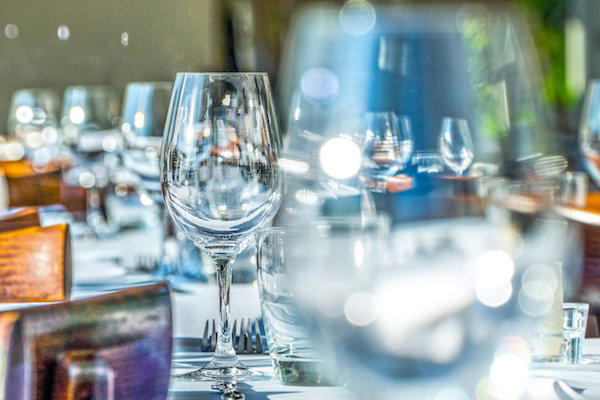
Japanese Dining Outside the City Core
Los Angeles Japanese dining tends to collapse in the public imagination to a handful of address types: the downtown omakase counter, the West Hollywood sushi bar, the Silver Lake izakaya. What that framing misses is the substantial tradition of serious Japanese kitchens operating in the coastal communities south and west of the city proper. Seal Beach, sitting at the northern edge of Orange County where Pacific Coast Highway begins its long coastal run, has quietly sustained this pattern for years. The restaurant corridor along CA-1 at that latitude serves a resident population with both the income and the culinary literacy to support ingredient-driven Japanese cooking at a price point that would be considered mid-range by downtown LA standards but represents genuine ambition for the geography.
Koi Japanese Cuisine, at 600 CA-1, operates inside that context. Michelin Plate recognition in both 2024 and 2025 confirms what a 4.7-star Google rating across 498 reviews suggests independently: this is a kitchen producing food that holds up against a structured external benchmark, not just a neighborhood favorite insulated from competition by geography.
The Ingredient Logic Behind Japanese Cuisine at This Level
Japanese cooking at the Michelin Plate tier, whether in Los Angeles or Tokyo, is built on a specific discipline: the kitchen's output is only as good as the raw materials entering it. This is not a philosophical preference but a structural reality. A French kitchen at a comparable level can use technique to add layers of complexity to a modest ingredient. Japanese cuisine, particularly in its cleaner forms, does the opposite. The preparation often reduces rather than adds, which means the dashi, the fish, the seasonal produce, and the rice must be sourced and handled with a precision that leaves no room for recovery downstream.
In Los Angeles, the kitchens that take this seriously operate across a range of formats. At the upper end, Hayato holds two Michelin stars and works within a kaiseki framework that treats ingredient sourcing as the primary discipline. n/naka applies a similarly exacting standard to its kaiseki format. Both sit at the $$$$ tier. Bar Sawa and Hinoki & The Bird represent different registers of Japanese-influenced dining within the city. Koi operates in the $$$ bracket, which positions it as an accessible entry point into Michelin-recognized Japanese cooking for diners who are not committing to a $$$$ omakase evening but still want food that has been evaluated against a professional standard.
The Michelin Plate designation, it is worth being clear about, does not equal a star. It signals that the inspector found the kitchen producing food of a quality that merited inclusion in the guide, without the additional distinction that a star implies. In Southern California, that is still a meaningful filter. The Michelin Guide's California edition covers a competitive and densely reviewed market. A Plate in two consecutive years indicates consistency, not a flash performance.
Seal Beach as a Dining Destination
The geography matters for planning purposes. Seal Beach sits roughly 25 miles south of downtown Los Angeles via I-405 or Pacific Coast Highway, depending on traffic conditions. The CA-1 corridor here is less the scenic coastal drive it becomes further south and more a working commercial strip where restaurants serve both local residents and travelers moving between Los Angeles and Orange County. Parking is generally easier than in the city's restaurant-dense neighborhoods, and the pace of a Seal Beach dinner is calmer than what you encounter at a Culver City or Hollywood reservation.
For diners staying in central Los Angeles, the drive is a commitment. For those already in the South Bay, Long Beach, or northern Orange County, Koi removes the friction of the city commute entirely while delivering a restaurant with documented external recognition. The comparison set relevant to a Seal Beach visitor is different from the comparison set relevant to a downtown hotel guest making a destination dinner choice.
Japanese Cuisine in Southern California: The Broader Frame
Southern California's Japanese dining ecosystem is among the most developed outside Japan. The concentration of Japanese-American communities in the greater Los Angeles area, combined with decades of immigration from Japan and direct supply relationships with Japanese producers, means the ingredient infrastructure that serious Japanese cooking depends on is more accessible here than in almost any other American city. That foundation supports a range of kitchens from the hyperspecialized Tokyo-comparable counters like 715 to mid-tier restaurants delivering technically sound Japanese cooking to local populations who eat this food regularly and know when it is done well.
For context on what the global high end looks like, Myojaku and Azabu Kadowaki in Tokyo represent the Japanese capital's own tiered system of recognition. The comparison is useful not to inflate expectations for a Seal Beach restaurant but to understand the ingredient-forward logic that defines serious Japanese cooking at every level. A kitchen producing Michelin Plate-worthy food in California is drawing on the same discipline, applied to locally available materials.
The $$$ price range at Koi sits below the commitment level of the starred counters in Los Angeles but above the casual sushi chain tier. That middle band is where ingredient quality becomes the clearest differentiator, because the format is not doing the storytelling that a full kaiseki progression or a high-concept omakase sequence does. The food needs to be good enough to stand on its own.
Planning Your Visit
Koi Japanese Cuisine is located at 600 CA-1 #100, Seal Beach, CA 90740. Recognition: Michelin Plate 2024 and 2025. Rating: 4.7 stars from 485 Google reviews. Budget: $$$ tier, representing a mid-range price point for Michelin-recognized Japanese dining in the greater Los Angeles area. Reservations: Recommended. Getting there: Accessible via Pacific Coast Highway from both the Los Angeles and Orange County sides; the address sits along the CA-1 commercial corridor in Seal Beach.
For broader context on where this fits within Los Angeles dining, see our full Los Angeles restaurants guide. For accommodation near or within the city, our full Los Angeles hotels guide covers the range of options by neighborhood and tier. For drinking programs, our full Los Angeles bars guide maps the current cocktail and wine bar scene. If you are exploring beyond the city, our full Los Angeles wineries guide and our full Los Angeles experiences guide extend the scope further.
What People Recommend at Koi Japanese Cuisine
What the data does confirm: a 4.7 Google rating across 485 reviews is a signal of consistent execution across a range of orders, not a single standout dish carrying the average. At a Michelin Plate-recognized Japanese kitchen in the $$$ tier, the categories that typically drive repeat visits and strong review patterns are the freshness and handling of fish, the quality of the dashi base in cooked preparations, and the consistency of rice in any sushi-adjacent formats. These are the benchmarks diners with Japanese food literacy apply, and they are the hardest to fake at the ingredient level.
A Lean Comparison
Comparable venues nearby, for context on price, style, and recognition.
| Venue | Cuisine | Price | Notes |
|---|---|---|---|
| Koi Japanese CuisineThis venue — the venue you are viewing | West Hollywood, Japanese Fusion Sushi | $$$$ | |
| IMA | $$$$ | Golden Triangle, Premium A5 Wagyu Sukiyaki & Shabu-Shabu | |
| Sushi Zo | Mid-City, Traditional Japanese Omakase | $$$$ | |
| Sushi Note | Sherman Oaks, Modern Japanese Omakase | $$$$ | |
| Bar Sawa | $$$$ | Little Tokyo, Edomae-style Omakase with Cocktails | |
| Go’s Mart | San Fernando Valley, Omakase Sushi Bar | $$$$ |
Continue exploring
More in Los Angeles
Restaurants in Los Angeles
Browse all →
Bars in Los Angeles
Browse all →
Hotels in Los Angeles
Browse all →

Wineries in Los Angeles
Browse all →
At a Glance
- Trendy
- Lively
- Elegant
- Modern
- Sophisticated
- Date Night
- Business Dinner
- Celebration
- Special Occasion
- Open Kitchen
- Craft Cocktails
- Sake Program
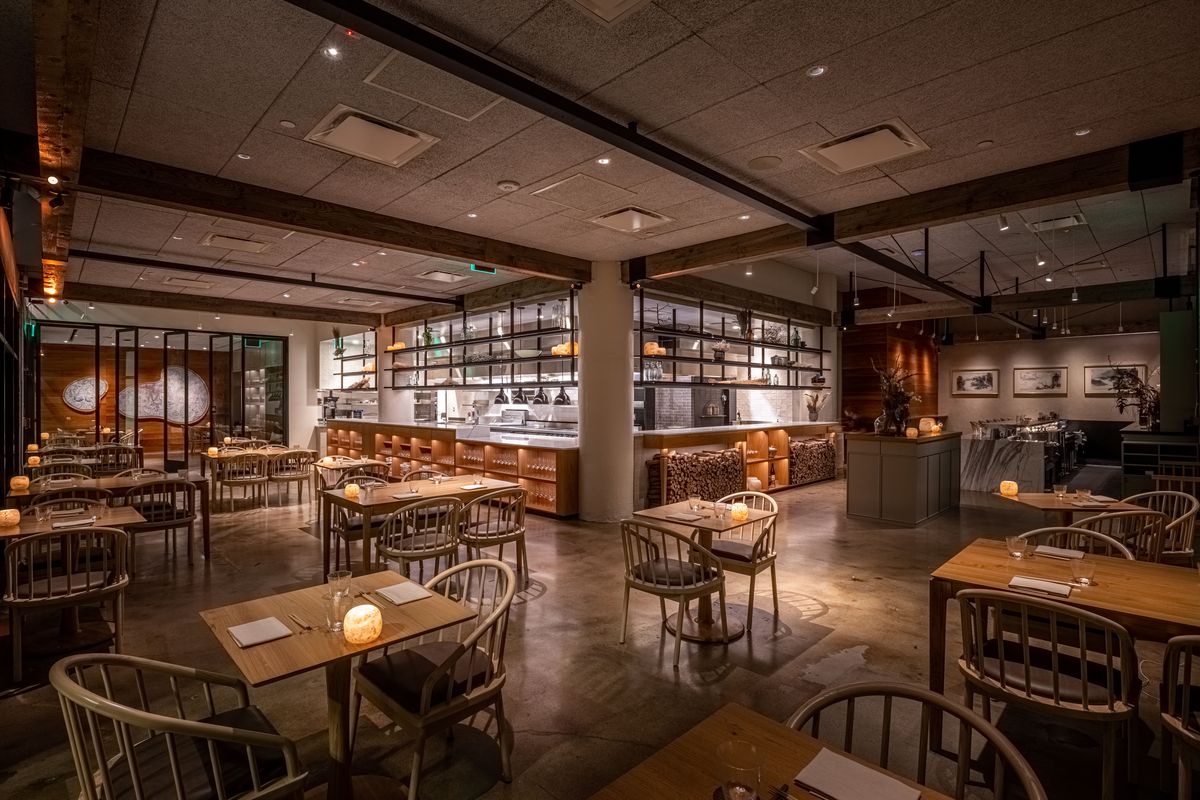
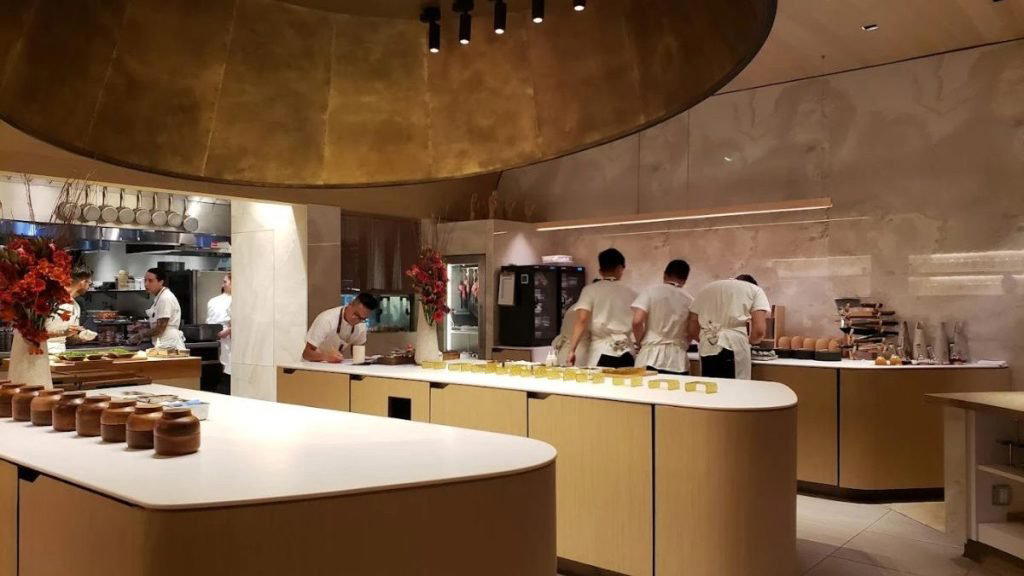
Vibrant and lively atmosphere with great energy, trendy decor, and modern lighting that creates an edgy, upscale casual vibe.