Sushi Note

Michelin Plate
Our verdict
Sushi Note on Ventura Boulevard has held a Michelin Plate in both 2024 and 2025, placing it among the Valley's most recognised Japanese counters at the $$$$ price point. The wine program sets it apart from the typical omakase format, with a list designed to move alongside raw fish rather than around it.

Pearl is the En Primeur Club membership app, where members save venues, book tables and use the concierge.

The menu
What to order
- Nasu Miso
- Spicy Tuna Biscotti
- Kinoko Itame
The Valley's Unlikely Case for Sushi and Wine
Sherman Oaks sits east of the wealthier Westside enclaves where Los Angeles's Michelin concentration runs thickest, yet Ventura Boulevard has long supported a dining culture that operates on neighbourhood loyalty rather than destination tourism. Within that context, Sushi Note at 13447 Ventura Blvd occupies an interesting position: a Japanese counter at the $$$$ tier with consecutive Michelin Plate recognition in 2024 and 2025, and a wine program that is, by design, the editorial subject rather than the supporting act.
The Michelin Plate designation, awarded to restaurants the inspectors consider worth visiting even without a star, signals a floor of technical competence. Two consecutive years of that recognition, in a city where Michelin has been expanding and recalibrating its California coverage, suggests the kitchen is not coasting. At the $$$$ price point, Sushi Note sits in the same bracket as Hayato in the Arts District and n/naka in Palms, though those two operate in the starred tier and draw a different reservation calculus. The gap between a Plate and a star is real, but it is also a gap that narrows when the broader program, particularly the wine list, does work that most sushi counters never attempt.
Where the Wine List Becomes the Argument
Japanese omakase and wine have an uneasy historical relationship. The traditional framework positions sake, beer, or tea as the correct accompaniments, and most counters in Tokyo and Los Angeles alike either ignore wine or offer a perfunctory list assembled by a distributor rather than a palate. The exceptions tend to be expensive: counters at venues like Myojaku in Tokyo or Azabu Kadowaki have built serious cellars, but those programs operate inside a market where the price of entry and the expectation of formality are both significantly higher.
Sushi Note's proposition is different in register. The name itself signals that wine is not an afterthought. A list built to accompany raw fish requires a different selection logic than one assembled for a steakhouse or a French kitchen. The challenge is acidity, salinity, and the fat content of fish like toro and salmon, which can make tannic reds dissonant and sweet whites cloying. Counters that solve this problem well tend to reach for high-acid whites, skin-contact wines, and lower-intervention bottles that carry texture without weight. The curation philosophy implied by the venue's identity, pairing wine seriously with sushi, is rare enough in Los Angeles that it functions as a genuine differentiator within the Japanese dining category.
For context, Los Angeles's $$$$ Japanese tier is competitive. Bar Sawa operates with a cocktail-forward program. 715 and Hinoki & The Bird approach Japanese influence from different structural angles. None of them are doing what Sushi Note is doing: building the wine list as the primary secondary argument for a reservation.
Sherman Oaks as a Dining Address
The San Fernando Valley's dining reputation has historically sat several rungs below the Westside and Downtown in critical attention, which means venues that earn Michelin recognition there tend to draw from a broader geographic catchment than their address would suggest. A diner from Silver Lake or West Hollywood is likely to make the trip to Ventura Boulevard specifically because the venue has earned it, not because they happen to be in the neighbourhood.
That dynamic actually benefits Sushi Note. The Valley's lower baseline of destination-dining competition means the counter is not fighting for attention against the density of press coverage that surrounds something like Hayato.
How Sushi Note Compares to the Broader Tier
At the $$$$ level, diners in Los Angeles are choosing between formats as much as cuisines. Omakase counters compete with progressive tasting menus at places like n/naka and kaiseki-adjacent formats. Further afield, the comparison set expands: the structured formality of The French Laundry in Napa, the ingredient-obsession of Single Thread Farm in Healdsburg, or the conceptual density of Alinea in Chicago all occupy the same general price register but arrive at the experience from entirely different starting points. What Sushi Note offers is narrower in scope but specific in intent: Japanese fish craft with a wine program built to match it.
That specificity matters. Restaurants that try to do many things at the $$$$ level often dilute the case for any single one of them. A counter that commits to the intersection of sushi and wine and earns consecutive Michelin recognition while doing so has made a defensible argument for its own existence in a city where the argument needs to be made clearly.
Planning a Visit
Sushi Note is located at 13447 Ventura Blvd in Sherman Oaks, a direct drive from most of central Los Angeles, with parking considerably less fraught than at most Westside or Downtown venues. At the $$$$ price point with Michelin Plate standing, advance booking is advisable, though the counter is unlikely to carry the three-month wait that characterises starred rooms like Hayato. Check current availability directly, as booking windows at Plate-level venues in Los Angeles vary considerably. Given the wine-forward identity, arriving without a plan for the list would miss the primary editorial point of the room: the wine is not supplementary, it is the differentiator.
For a broader view of where Sushi Note sits within Los Angeles's dining and hospitality picture, our full Los Angeles restaurants guide maps the city by neighbourhood and price tier. Those planning longer stays can also reference our Los Angeles hotels guide, our bars guide, our wineries guide, and our experiences guide for a complete picture of the city across categories.
Frequently asked questions
What should I order at Sushi Note?
The kitchen holds consecutive Michelin Plate recognition across 2024 and 2025, which frames the cuisine as technically grounded Japanese at the $$$$ tier. The wine list is explicitly part of the venue's identity, making it worth engaging with rather than defaulting to sake or beer.
How hard is it to get a table at Sushi Note?
At the $$$$ price point with two consecutive Michelin Plates, demand is real but not at the level of starred rooms in comparable price brackets. Venues like Le Bernardin in New York or Lazy Bear in San Francisco at similar tiers carry booking windows of several weeks to months. Sushi Note's Sherman Oaks location, away from the densest media attention in Los Angeles, likely means availability is more accessible than comparable Westside or Downtown counters. That said, booking ahead by at least two to three weeks is a reasonable precaution, particularly for weekend seatings.
What's the standout thing about Sushi Note?
The wine program is the clearest answer. Most Japanese counters in Los Angeles, even decorated ones, treat wine as peripheral. Sushi Note's name and identity are built around the pairing premise, which is a structural commitment rather than a marketing note. Combined with Michelin Plate recognition confirming kitchen quality, it is a counter where the two programs, fish and wine, are meant to be evaluated together rather than independently.
Price and Recognition
A quick peer reference to anchor this venue in its category.
| Venue | Cuisine | Price | Awards | Notes |
|---|---|---|---|---|
| Sushi NoteThis venue (the venue you are viewing) | Modern Japanese Omakase | $100–150 | Michelin Plate | Not listed |
| Kato | Modern Taiwanese Fine Dining | $300–500 | 2 Michelin Stars · World's 50 Best #49 | New Taiwanese, Asian |
| Hayato | Traditional Japanese Kaiseki | $300–500 | 2 Michelin Stars · La Liste Top Restaurants | Japanese |
| Vespertine | Avant-Garde Tasting Menu | $200–300 | 2 Michelin Stars · La Liste Top Restaurants | Progressive, Contemporary |
| Camphor | Modern French with Southeast Asian influences | $150–200 | Michelin Plate · World Best Burgers World's 101 Best Burgers #15 | French-Asian, French |
| Gwen | Contemporary American Steakhouse | $50–100 | Michelin Plate · Wine Spectator Best of Award of Excellence | New American, Steakhouse |
Recognition history
Dated appearances from independent guides and award organizations, with the underlying list record or original source where available.
Michelin Plate
Michelin · 2026 Michelin Plate
Full recognition history (3 entries)
Michelin Plate
Michelin
Michelin Plate
Michelin
Continue exploring
More in Los Angeles
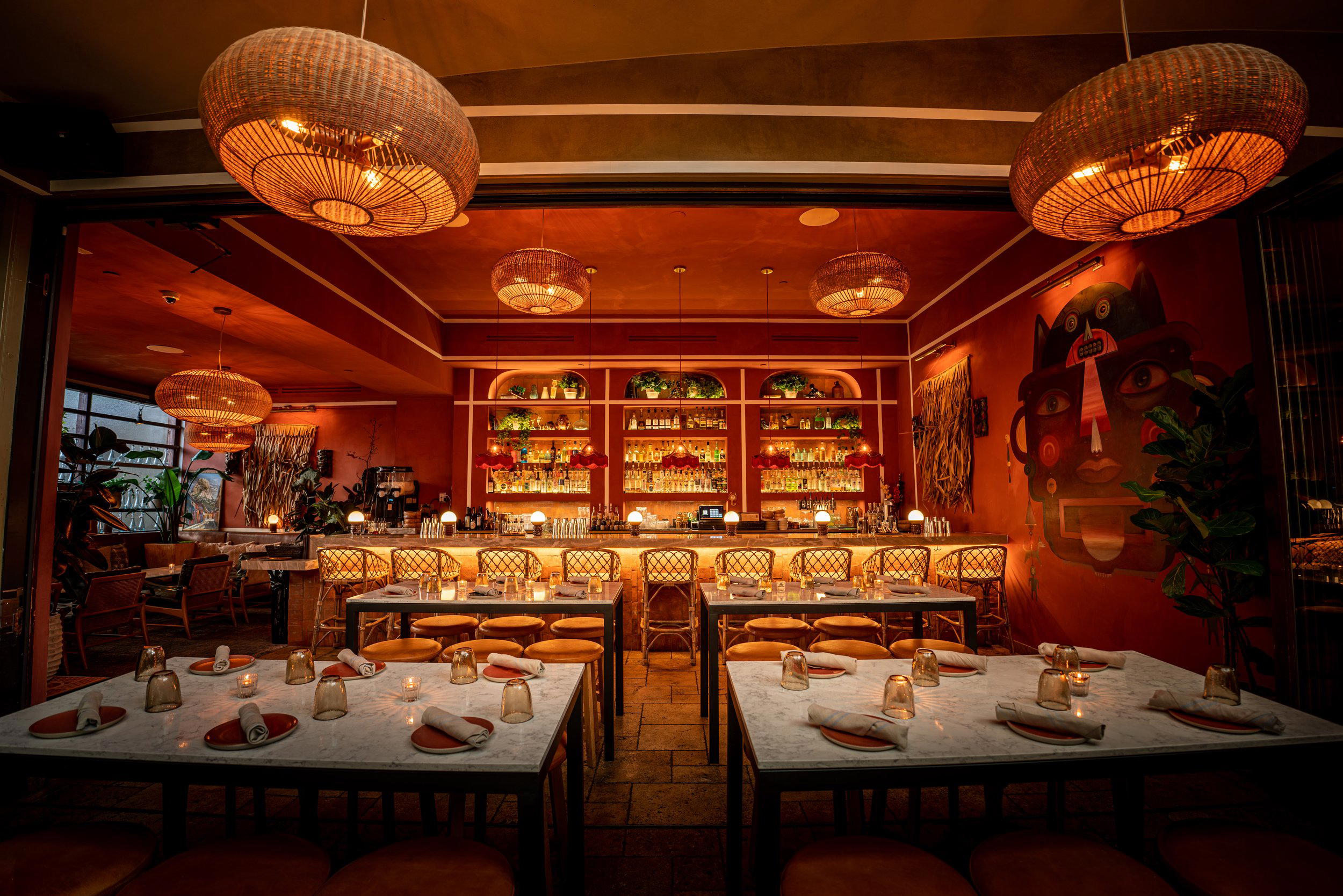
Restaurants in Los Angeles
All restaurants in Los Angeles →
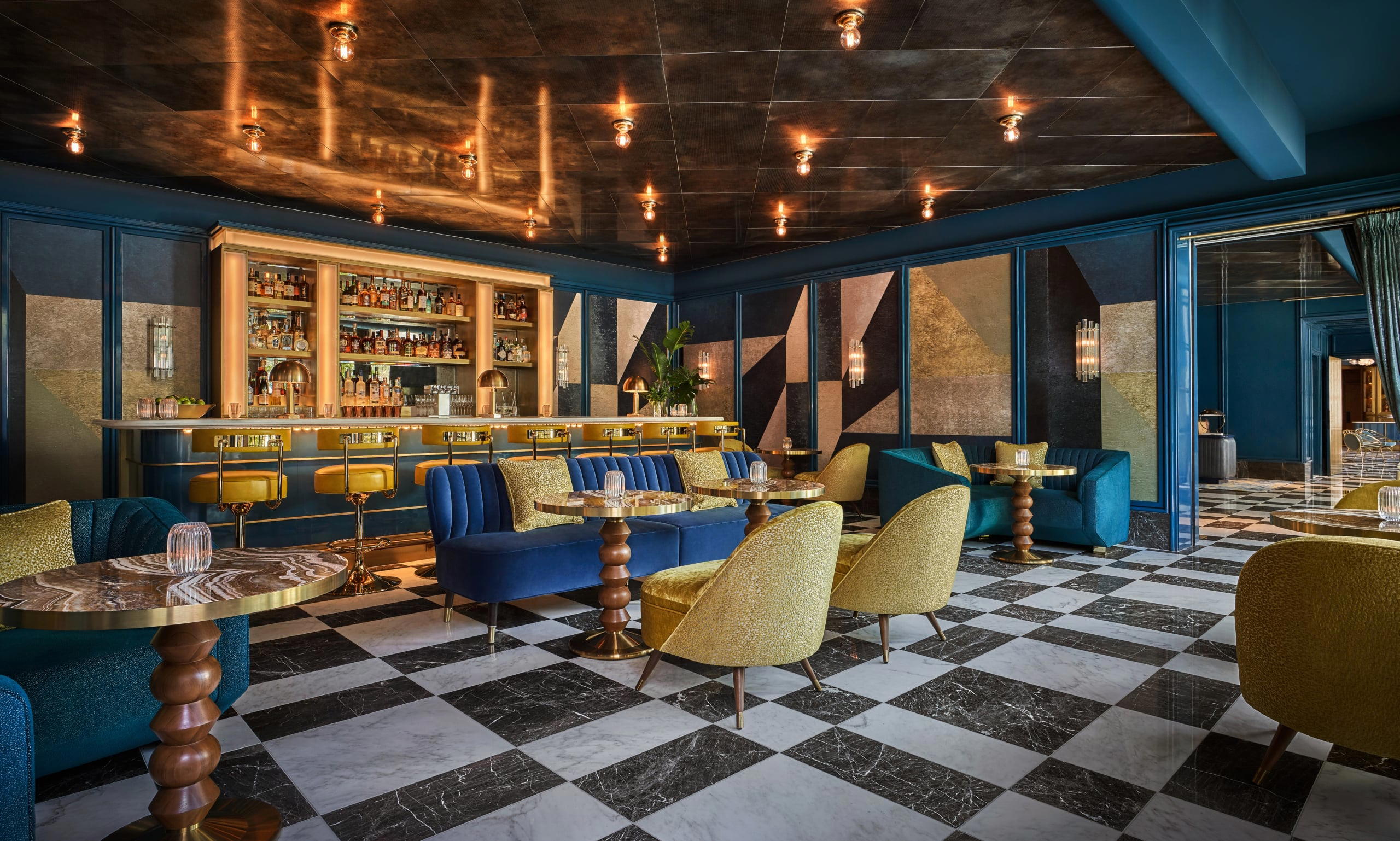
Bars in Los Angeles
All bars in Los Angeles →
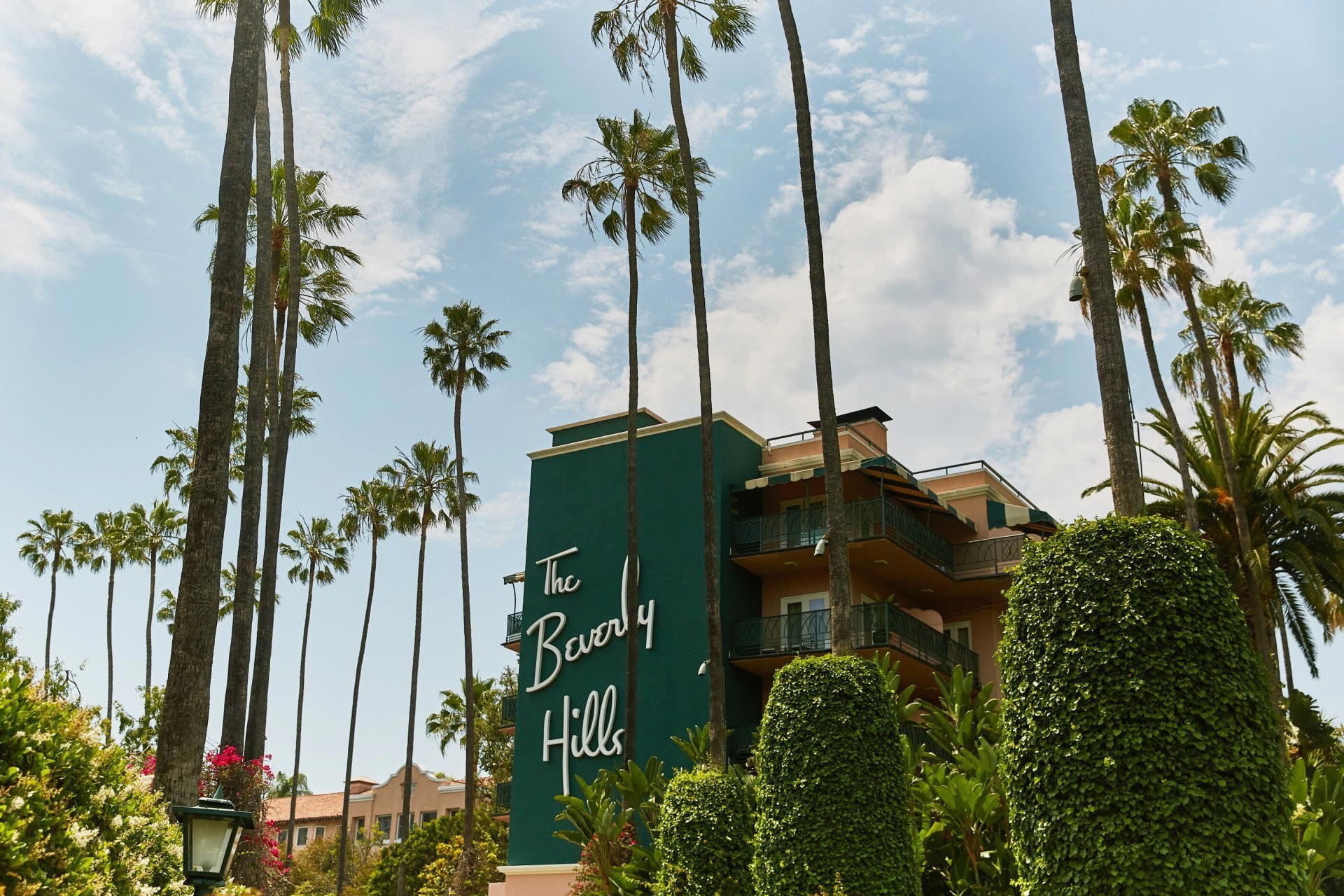
Hotels in Los Angeles
All hotels in Los Angeles →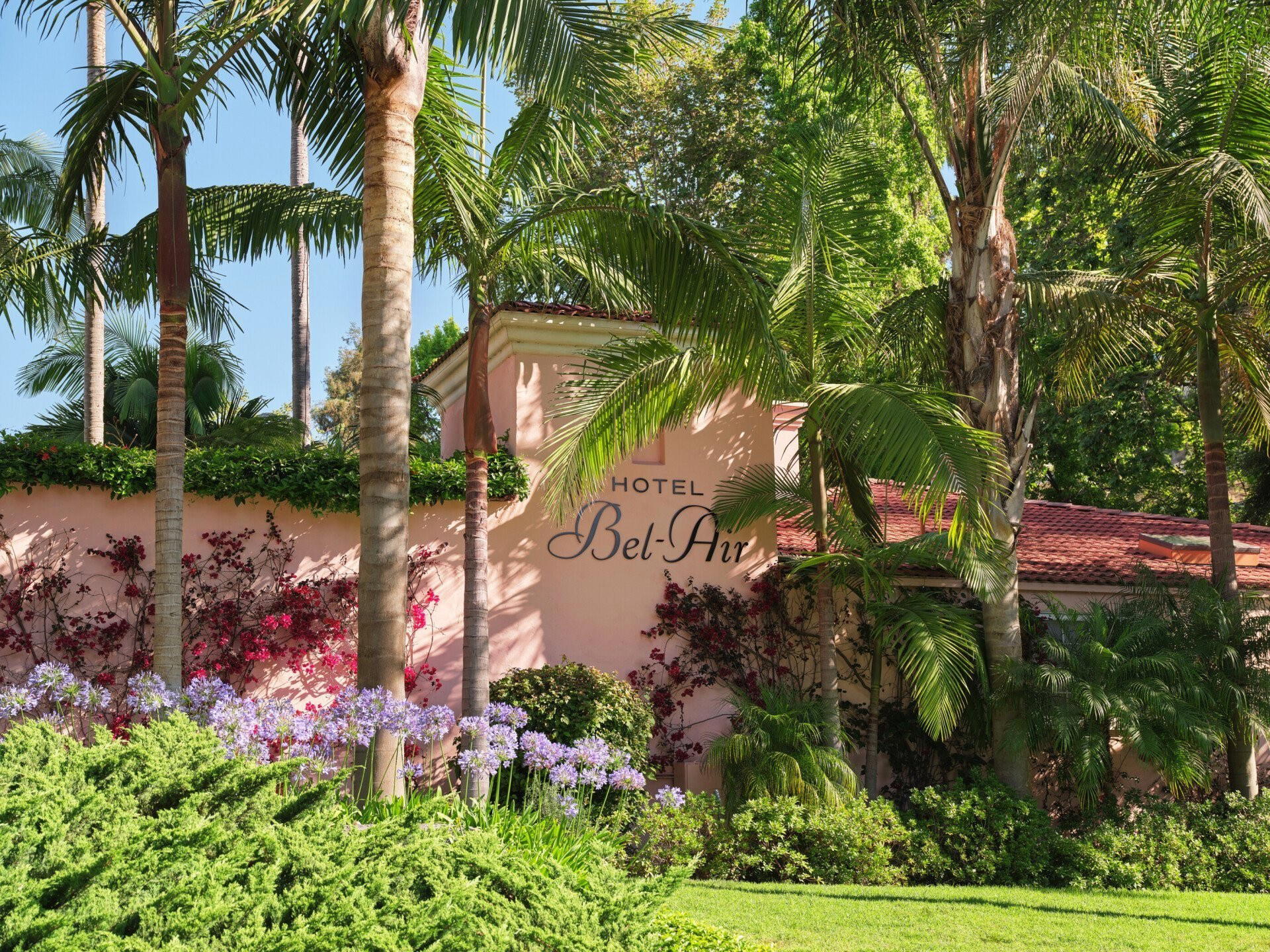

Wineries in Los Angeles
All wineries in Los Angeles →

Sushi Note
The wine
- Wine program
- Deep wine list
- Extensive wine list
- Sommelier-led
- Sake program
Details
- Modern
- Intimate
- Elegant
- Trendy
- Date Night
- Special Occasion
- Chefs Counter
- Open Kitchen
- Extensive Wine List
- Sake Program
- Sommelier Led
- Omakase
- A La Carte
- Counter Dining
- Wine
- Sake
Current opening hours
- Monday
- 5:30–10 PM
- Tuesday
- 5:30–10 PM
- Wednesday
- 5:30–10 PM
- Thursday
- 5:30–10 PM
- Friday
- 5:30–10 PM
- Saturday
- 5:30–10 PM
- Sunday
- 5:30–10 PM
Hours can change for holidays and private events. Hours as of .
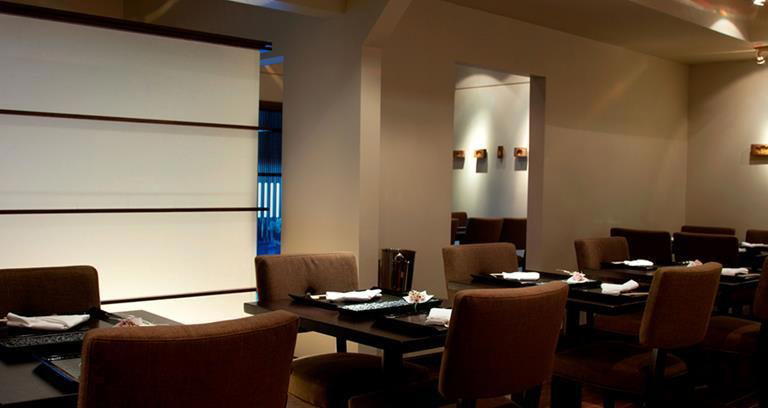
Sleek dining room with soft fabrics, moody colors, provocative artwork, sharp clean design evoking an upscale Japanese thermal spa.