Bar Sawa

Bar Sawa is a Michelin Plate-recognised edomae-style omakase counter in downtown Los Angeles's Little Tokyo, reached via a deliberately obscure route through the Kajima Building. Fish is sourced directly from Japan, with bluefin tuna from Mexico and Spain, and the counter format pairs classical nigiri technique with cocktail pairings and the occasional playful detour.
Pearl is the En Primeur Club membership app — saves, bookings, and concierge access live there. Same editors, same standards.
- Address
- 111 S San Pedro St sawa, Los Angeles, CA 90012
- Phone
- (323) 381-5858
- Website
- barsawa.us
- Directions
- Get directions
 Saves & bookings on Pearl
A Counter Below the Street, Inside a Neighbourhood With Something to Prove
Little Tokyo's dining identity has sharpened considerably over the past decade. The district around South San Pedro Street has always carried cultural weight — Japanese American community infrastructure, third-generation teishoku spots, festival food that predates the current omakase boom by fifty years — but it now supports a different kind of ambition. Premium counter dining has taken root here in a way that feels less like an import from Beverly Hills or West Hollywood and more like an extension of the neighbourhood's own culinary logic. Bar Sawa is part of that shift: a Michelin Plate-recognised edomae counter operating in the basement of a commercial office building, drawing a room-temperature contrast between the workaday street-level world and what happens one floor below it.
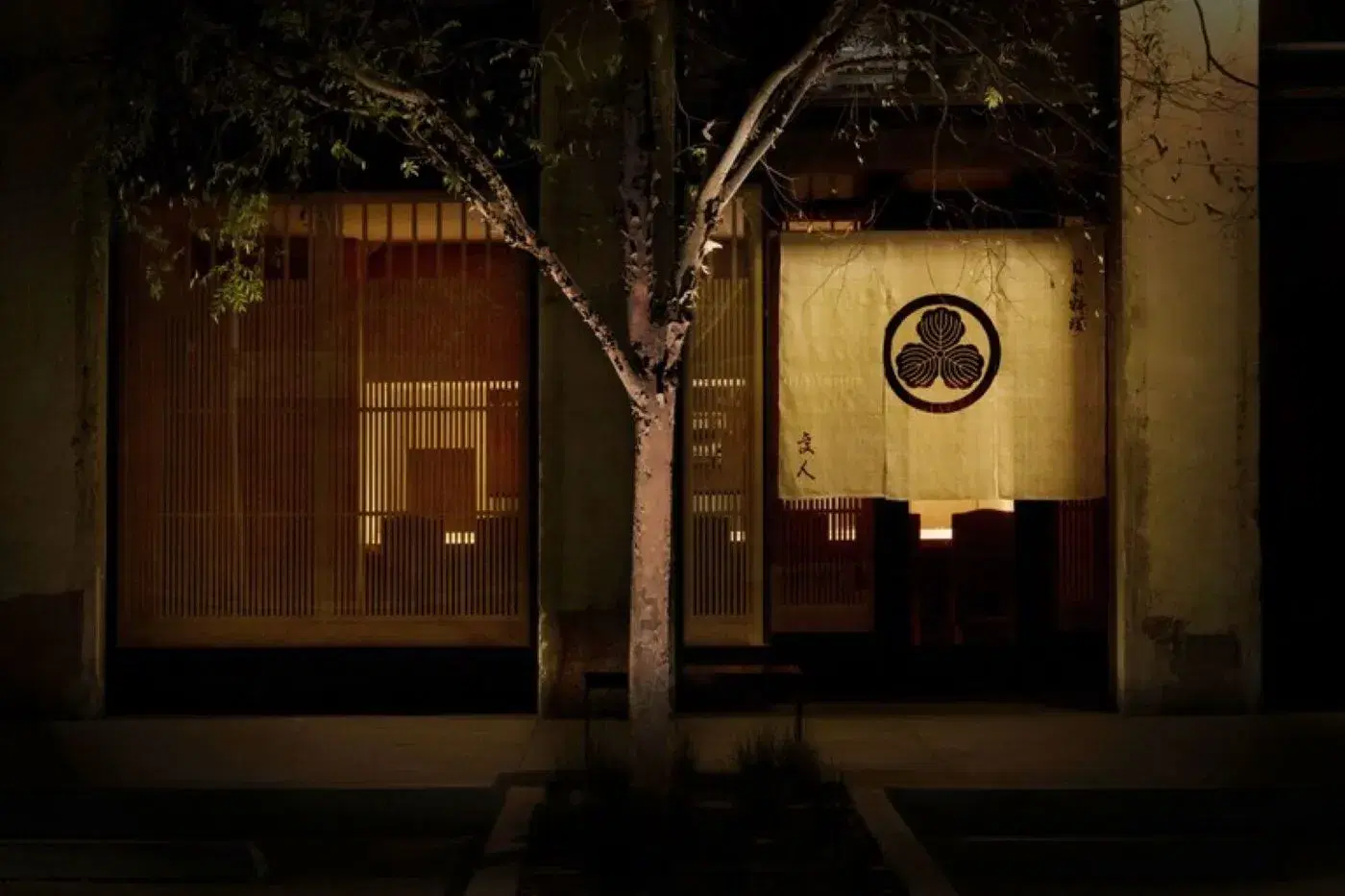
Getting there is the first act. The Kajima Building sits at 111 South San Pedro Street, and arriving guests are directed to a specific set of exterior stairs at the centre of the block, up to the second-floor lobby, through a glass door, and then down by elevator to the B level. The sequence has the texture of a procedural puzzle, and it functions as a kind of editorial statement: this is not a restaurant that signals itself with a lit sign and a host stand on the pavement. The entrance is the venue's first argument that not everything worth finding announces itself immediately. In a city where dining concepts often compete loudest at street level, that restraint is a considered position.
Edomae in Los Angeles: What the Form Asks of Its Practitioners
Edomae is a discipline with specific demands. The style evolved in Edo-period Tokyo around the techniques of curing, ageing, and seasoning fish to compensate for the absence of refrigeration, and while modern kitchens have abandoned that original necessity, the leading edomae counters in cities from Tokyo to New York preserve the principle: the kitchen's job is to present fish at its most considered, not to impose transformation on top of it. At Myojaku in Tokyo or Azabu Kadowaki, that discipline operates within an ecosystem of long-established supplier relationships and deeply localised fish markets. Los Angeles counters working in the same tradition face a different supply problem and solve it differently.
Bar Sawa sources fish directly from Japan, with bluefin tuna coming from Mexico and Spain, a sourcing map that reflects both the globalisation of premium sushi supply chains and the specific geography of Pacific fishing.
Nigiri at the counter is presented with a stroke of nikiri, the seasoned soy reduction that characterises classical edomae preparation, and kept largely unencumbered. Yuzu kosho or ginger appear as toppings where appropriate, applying flavour without obscuring the fish. This is the discipline the form requires, and it is where edomae counters either earn their price point or lose it.
Where the Format Allows Play
The discipline of edomae does not preclude inventiveness, and Bar Sawa uses its non-nigiri courses as the space where the kitchen signals range. A shredded sous vide scallop roll demonstrates technical willingness: sous vide preparation is a different register from the sear-and-serve approach most sushi bars apply to scallop, and the shredded format suggests textural intentionality. A shrimp cake arriving with panko-battered, deep-fried lotus root introduces structural contrast, crunch against softness, that works as a palate punctuation point between more refined courses.
The course that travels furthest is the minced spearhead squid topped with Hokkaido bafun uni, tucked in nori. Bafun uni, the smaller, more intensely flavoured sea urchin species from Hokkaido, is among the most sourcing-sensitive ingredients in the Japanese pantry; its quality varies sharply with season and handling, and serving it in combination with squid and nori is a composition that asks the kitchen to balance umami layers without tipping into monotony. The soy sauce cheesecake that closes the meal is the kind of East-West pivot that less careful kitchens use to signal creativity but deliver clutter; here, the integration is described as smooth and rich, a controlled landing, not a theatrical one.
Cocktail pairing is an element that distinguishes Bar Sawa within the Little Tokyo counter category. Edomae omakase and sake pairings are expected; cocktail pairings require a different kind of kitchen-bar coordination, and the programme adds a dimension that pure traditionalists might sidestep but that works for a counter operating within a city whose drinking culture runs wide. For context on how Los Angeles bars are developing alongside their dining peers, our full Los Angeles bars guide covers the broader picture.
The Little Tokyo Counter in the City's Wider Dining Argument
Los Angeles's premium Japanese dining scene has grown to a point where the city's counters deserve consideration on the same terms as those in other major American cities. n/naka operates kaiseki; Hayato holds two Michelin stars for its Japanese counter work; 715, Hinoki & The Bird, and IMA extend the Japanese-influenced dining category in different directions. Within that context, Bar Sawa occupies a specific niche: serious edomae technique at the counter level, in a neighbourhood that gives it cultural grounding rather than transplanted exoticism. That positioning matters. A counter in Little Tokyo is not doing the same cultural work as one in Brentwood or Santa Monica, however similar the fish sourcing. The neighbourhood is the argument.
For readers planning around Bar Sawa, the venue carries a $$$$ price designation consistent with the omakase counter tier across Los Angeles. The address is 111 South San Pedro Street; arrival instructions are worth reading carefully before the evening. For broader planning, our full Los Angeles restaurants guide maps the city's dining categories across neighbourhoods, and our full Los Angeles hotels guide covers accommodation options near Little Tokyo and downtown. Those extending their California trip toward wine country will find relevant context in The French Laundry in Napa and Single Thread Farm in Healdsburg, both of which operate at the far end of the format-discipline spectrum that Bar Sawa joins at its own level.
Category Peers
| Venue | Cuisine | Price | Awards |
|---|---|---|---|
| Bar SawaThis venue — the venue you are viewing | Japanese | $$$$ | Not listed |
| Kato | New Taiwanese, Asian | $$$$ | Michelin 1 Star |
| Hayato | Japanese | $$$$ | Michelin 2 Star |
| Vespertine | Progressive, Contemporary | $$$$ | Michelin 2 Star |
| Camphor | French-Asian, French | $$$$ | Michelin 1 Star |
| Gwen | New American, Steakhouse | $$$$ | Michelin 1 Star |
Recognition history
Dated appearances from independent guides and award organizations, with the underlying list record or original source where available.
Michelin Plate
Michelin · 2026 Michelin Plate
Michelin Plate
Michelin
Michelin Plate
Michelin
Continue exploring
More in Los Angeles
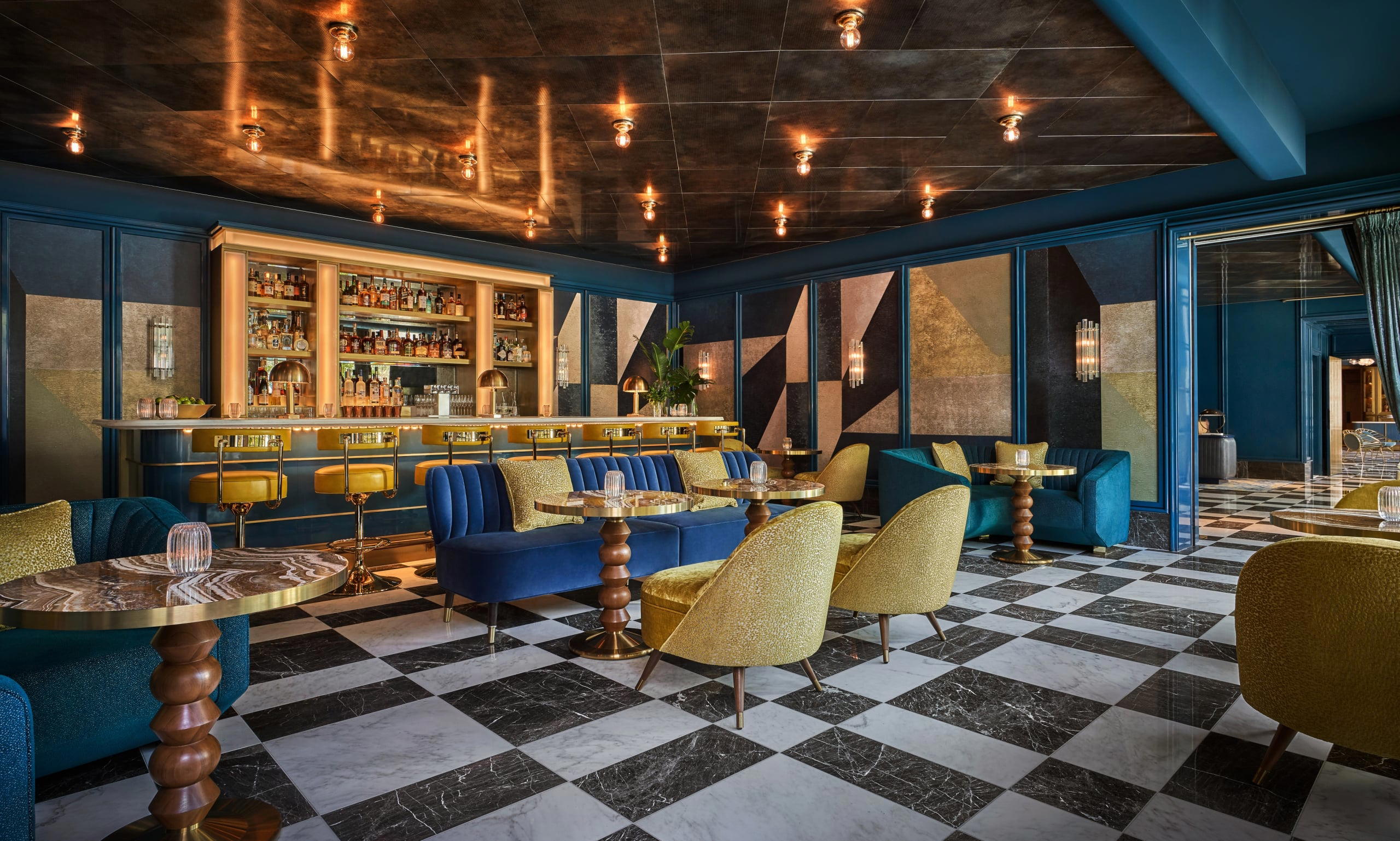
Restaurants in Los Angeles
Browse all →
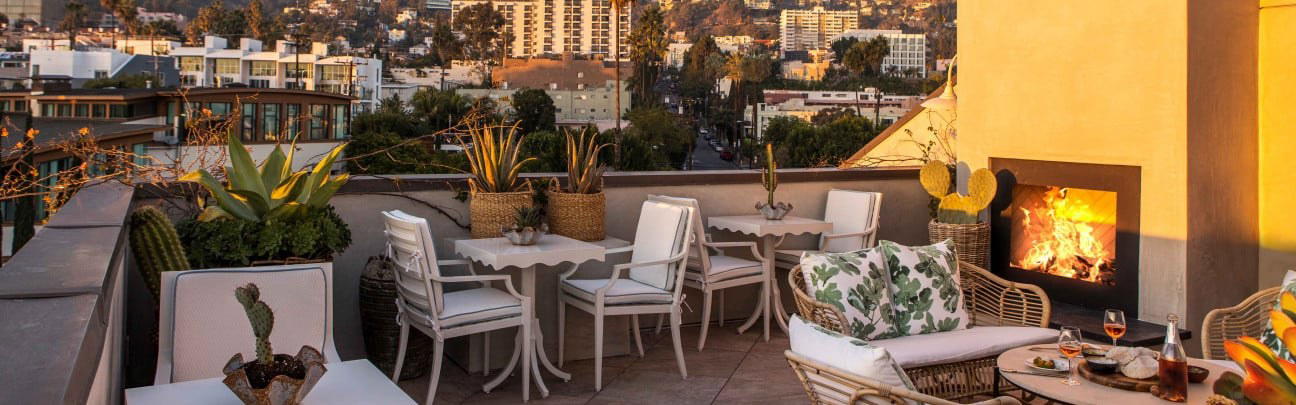
Bars in Los Angeles
Browse all →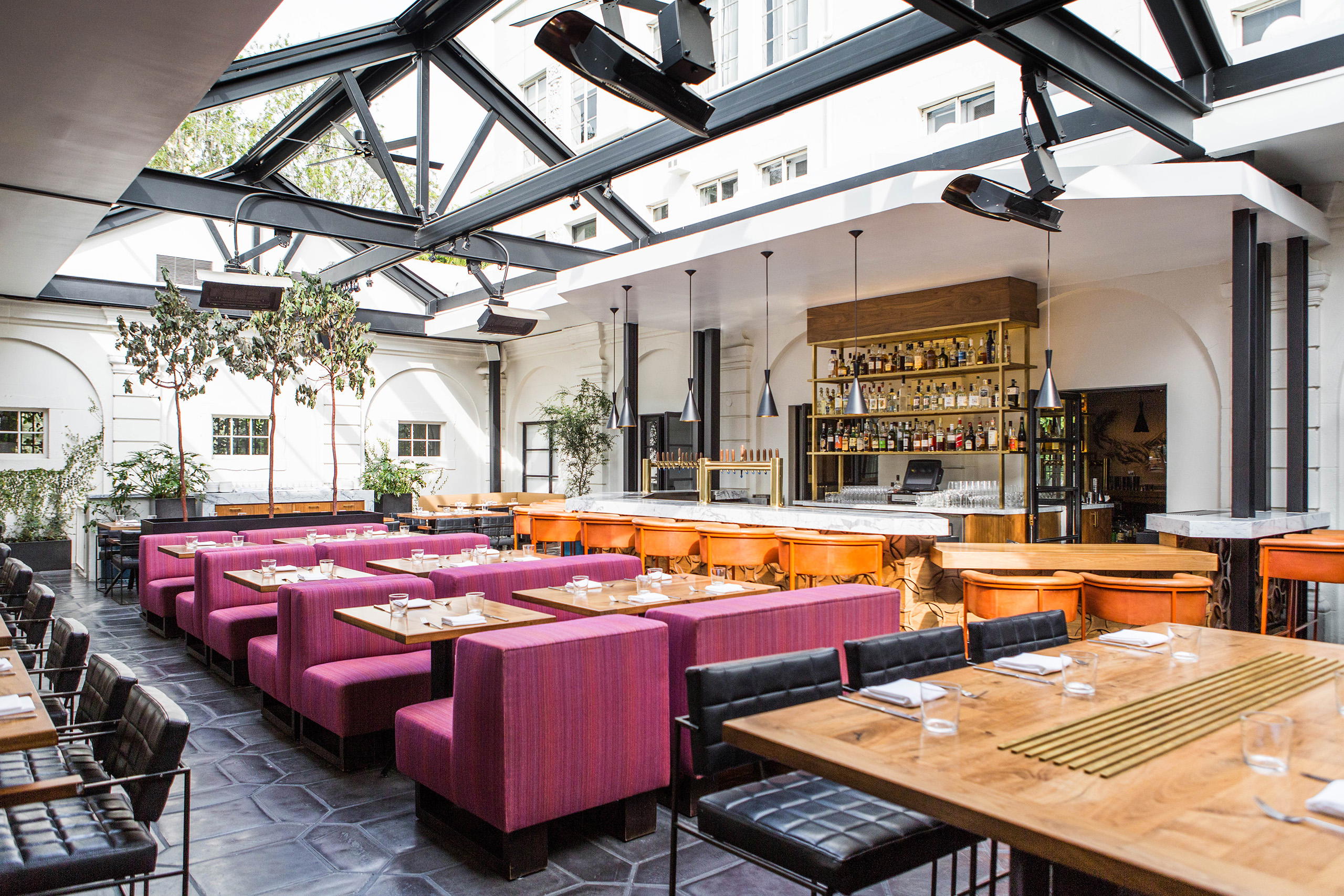
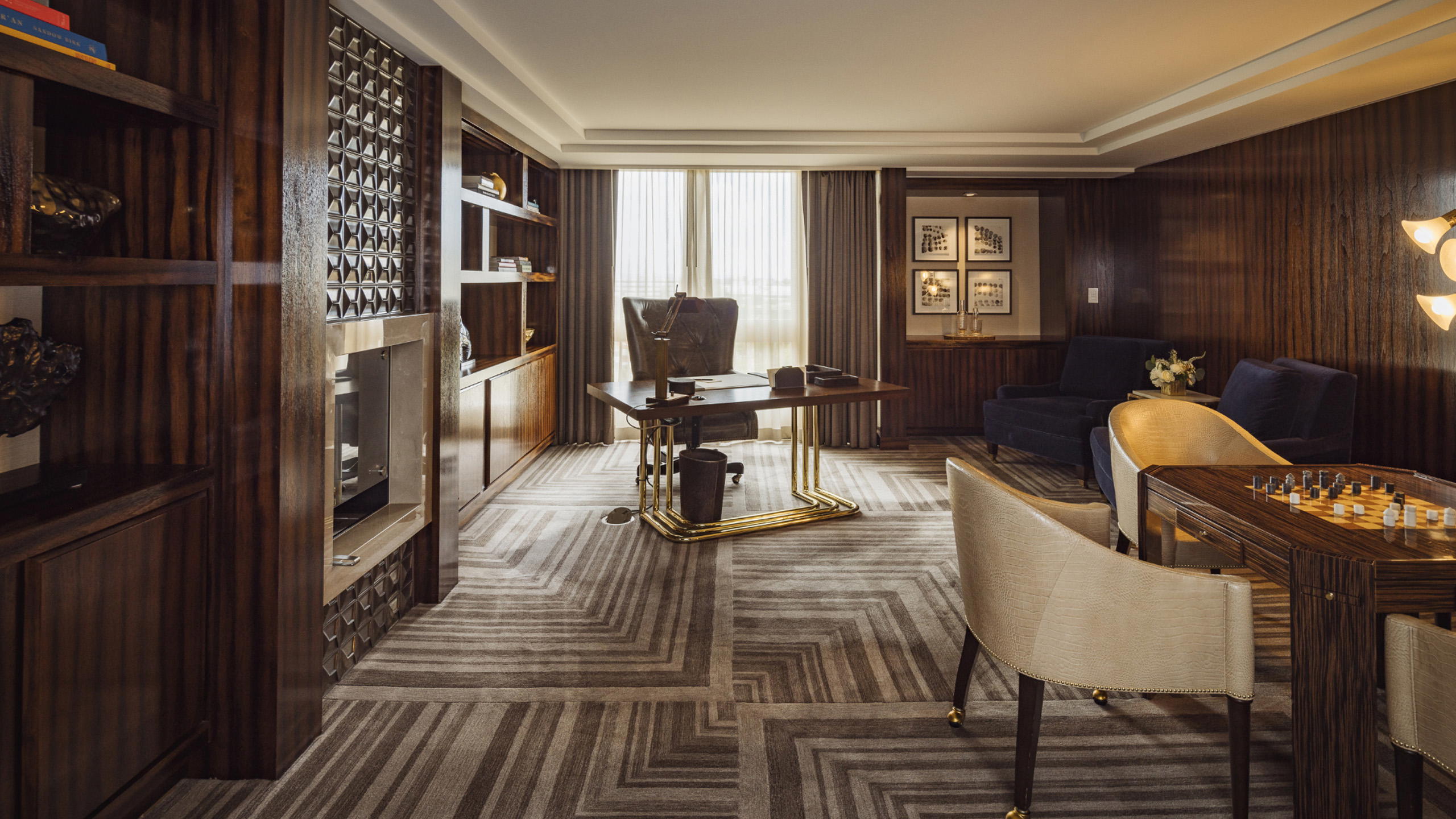
Hotels in Los Angeles
Browse all →
Wineries in Los Angeles
Browse all →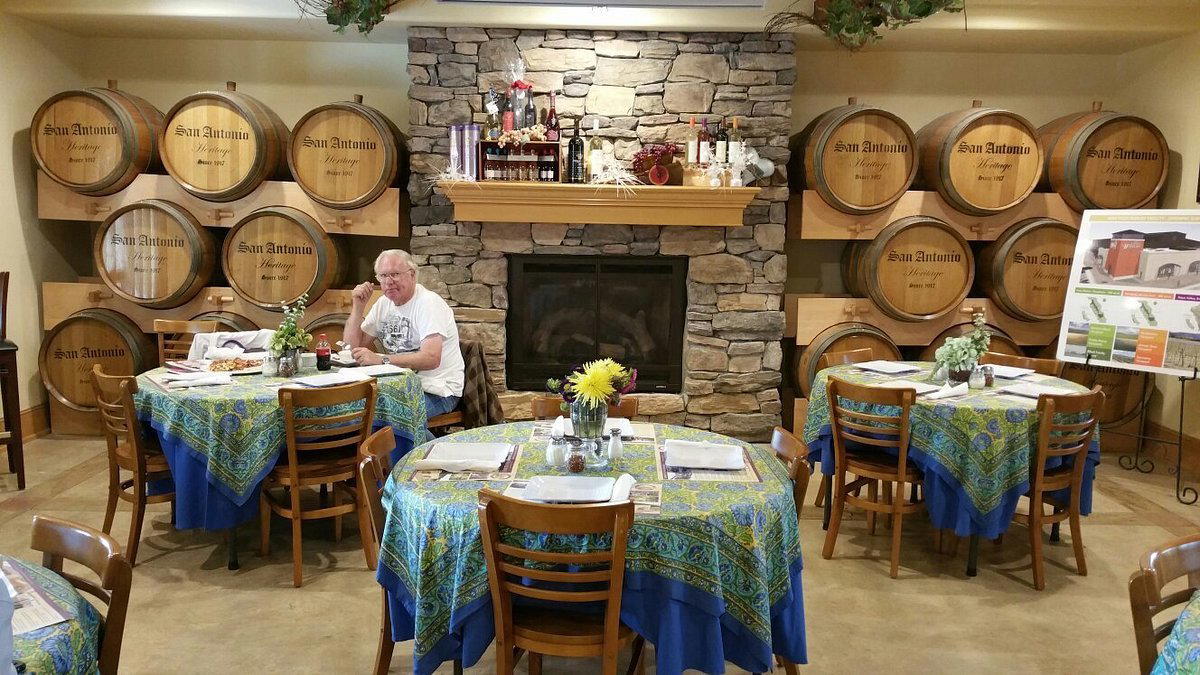
At a Glance
- Intimate
- Elegant
- Sophisticated
- Trendy
- Date Night
- Special Occasion
- Chefs Counter
- Craft Cocktails
- Sake Program
- Sustainable Seafood
Current opening hours
- Monday
- Closed
- Tuesday
- 5:30–9:30 PM
- Wednesday
- 5:30–9:30 PM
- Thursday
- 5–9:30 PM
- Friday
- 5–9:30 PM
- Saturday
- 5–9:30 PM
- Sunday
- 5–9:30 PM
Hours can change for holidays and private events. Last verified .
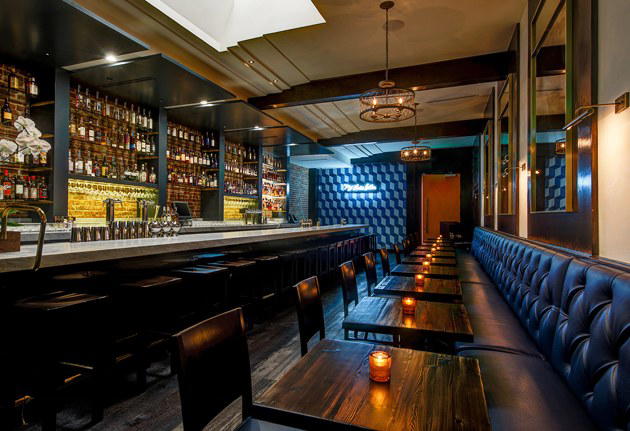
Hushed, dark, sultry lounge-like atmosphere with glowing whiskey wall, hi-fi jazz, and sleek design evoking a Tokyo jazz kissa.
Know Before You Go
- Getting there
- 111 S San Pedro St sawa, Los Angeles, CA 90012