


A Michelin Plate-recognised Japanese restaurant on South Santa Monica Boulevard in Beverly Hills, IMA occupies a price tier and culinary register that places it alongside the city's serious Japanese dining options. Rated 4.4 on Google across early reviews, the $$$$ format signals a commitment to craft over casual. For Los Angeles diners tracking the city's Japanese dining evolution, it earns close attention.
Pearl is the En Primeur Club membership app — saves, bookings, and concierge access live there. Same editors, same standards.
- Address
- 9669 S Santa Monica Blvd #1, Beverly Hills, CA 90210
- Phone
- (310) 734-7829
- Website
- imabh.com
- Directions
- Get directions
 Saves & bookings on Pearl
Beverly Hills and the Japanese Fine Dining Tier
Beverly Hills has long supported a particular kind of Japanese restaurant: expensive, restrained, and operating at a remove from the louder dining energy of downtown or the Eastside. South Santa Monica Boulevard, where IMA occupies a suite address at 9669, sits in that tradition. The corridor runs through one of the city's highest-spending dining postcodes, and the restaurants that survive there tend to do so on repeat clientele rather than walk-in traffic. A Michelin Plate recognition in 2025 places IMA within a defined quality tier — acknowledged by the guide as meriting attention, even if it has not yet accumulated the star count of nearby competitors like Hayato, which holds two Michelin stars in the same city.
Los Angeles Japanese dining has fractured into several distinct camps over the past decade. On one end sits the omakase-only counter format — intimate, expensive, often with months-long waitlists. On the other end are larger, more accessible izakaya-influenced rooms. IMA's $$$$ pricing suggests it operates in the upper tier of that spectrum, closer in positioning to venues like Bar Sawa and Hinoki & The Bird than to the casual ramen or sushi counter segment. For context on where IMA sits within the broader Los Angeles scene, see our full Los Angeles restaurants guide.
The Lunch and Dinner Divide at This Price Point
At the $$$$ level in Beverly Hills, the gap between lunch and dinner service is rarely just about price. Dinner carries a different social weight: longer seatings, more elaborate progression, a room that fills with occasion diners and entertainment industry regulars. Lunch, by contrast, tends to attract a more purposeful crowd, business meetings, neighbourhood regulars, visitors who want serious food without committing to a full evening. Japanese restaurants at this tier often run leaner lunch formats, sometimes abridged kaiseki progressions or abbreviated omakase options that deliver the kitchen's core sensibility at a compressed length and, frequently, a meaningfully lower price point.
This structural divide matters when deciding how to approach IMA. If the kitchen runs a lunch service, it typically represents the more accessible entry point, both in terms of booking availability and spend. The dinner experience, by contrast, is where a kitchen at this level tends to make its full statement. For a Michelin Plate restaurant working within Japanese culinary grammar, the evening is where pacing, temperature control, and the sequence of courses carry the most weight. Readers already familiar with the format at n/naka, the city's two-Michelin-star kaiseki benchmark, will recognise that the dinner-as-complete-arc philosophy runs deep in Los Angeles Japanese fine dining.
That these restaurants span wildly different cuisines and yet share a price tier says something about Beverly Hills and greater Los Angeles fine dining at this level: the $$$$ bracket is less a cuisine signal than a commitment signal. It tells you about the ambition of the kitchen and the expectations of the room before a single dish arrives.
The Neighbourhood Context: What Beverly Hills Demands
Beverly Hills operates as one of the most self-contained dining ecosystems in Los Angeles. Hotel dining rooms, celebrity-facing establishments, and long-tenured institutions all coexist here, each serving slightly different slices of the same wealthy, time-sensitive clientele. A Japanese restaurant at this address is not competing primarily with other Japanese restaurants, it is competing with every serious dining option in the immediate radius, including steakhouses and French tasting menu rooms. The Michelin Plate signal helps it hold its own in that conversation.
It is worth noting the specific address context: 9669 S Santa Monica Blvd sits at the western edge of the Beverly Hills commercial core, a stretch that favours quieter, neighbourhood-scaled venues over destination-diner spectacles. Japanese cuisine, with its emphasis on restraint and precision, tends to suit this end of the boulevard. The room does not need to shout. The work is done at the counter or the table, in the sequencing and sourcing, rather than in the spectacle of the dining room itself.
For those planning around a wider Beverly Hills or Los Angeles itinerary, the neighbourhood supports premium experiences well beyond the dining table. See our full Los Angeles hotels guide, our full Los Angeles bars guide, and our full Los Angeles experiences guide for broader planning context.
IMA in the National and International Japanese Fine Dining Frame
A Michelin Plate at the $$$$ price point in a city with as much Japanese dining depth as Los Angeles is a meaningful signal. The city now has multiple two-star Japanese restaurants, Hayato being the most prominent, and a deeper field of one-star and Plate-level venues working across kaiseki, omakase, and contemporary Japanese formats. IMA sits in a competitive environment where the bar for technique and sourcing is set by kitchens with serious credentials.
Beyond Los Angeles, the reference points for Japanese fine dining at this level reach across the Pacific. In Tokyo, restaurants like Myojaku and Azabu Kadowaki define what the format looks like at its most rigorous, and the leading American Japanese restaurants are increasingly measured against that standard rather than just against their domestic peers. The growing seriousness with which Los Angeles Japanese dining is treated, by Michelin, by the international food press, and by the city's own restaurant community, means that a new entrant at this price point is reviewed against a demanding set of expectations.
Among other serious American fine dining reference points, venues like Lazy Bear in San Francisco, Single Thread Farm in Healdsburg, and The French Laundry in Napa illustrate the national landscape in which IMA's ambitions are contextualised, and the standard against which a Beverly Hills fine dining kitchen at $$$$ will eventually be judged.
Planning Your Visit
The Michelin Plate in the 2025 guide confirms it within the guide's acknowledged tier. Given the Beverly Hills location and price point, booking in advance is advisable, particularly for dinner seatings, which tend to fill faster than lunch at this level.
| Venue | Cuisine | Price | Michelin | Location |
|---|---|---|---|---|
| IMA | Japanese | $$$$ | Plate (2025) | Beverly Hills |
| Hayato | Japanese | $$$$ | 2 Stars | Downtown LA |
| n/naka | Japanese | $$$$ | 2 Stars | Palms |
| Bar Sawa | Japanese | $$$$ | West Hollywood | |
| Hinoki & The Bird | Japanese-influenced | $$$$ | Century City |
For broader Los Angeles context, including winery options for those planning pre- or post-dinner drinks with a wine focus, see our full Los Angeles wineries guide. Those interested in the city's wider Japanese dining evolution, including how the format has shifted since the closure of more carnivore-forward institutions like Animal in 2023, will find additional context in 715 and across our Los Angeles editorial coverage.
Cost Snapshot
| Venue | Cuisine | Price | Awards |
|---|---|---|---|
| IMAThis venue — the venue you are viewing | Japanese | $$$$ | Not listed |
| Kato | New Taiwanese, Asian | $$$$ | Michelin 1 Star |
| Hayato | Japanese | $$$$ | Michelin 2 Star |
| Vespertine | Progressive, Contemporary | $$$$ | Michelin 2 Star |
| Camphor | French-Asian, French | $$$$ | Michelin 1 Star |
| Gwen | New American, Steakhouse | $$$$ | Michelin 1 Star |
Recognition history
Dated appearances from independent guides and award organizations, with the underlying list record or original source where available.
Michelin Plate
Michelin · 2026 Michelin Plate
Opinionated About Dining Top Restaurants in Japan Recommended
Opinionated About Dining
Opinionated About Dining Top Restaurants in North America Recommended
Opinionated About Dining
Michelin Plate
Michelin
Robb Report 100 Greatest American Restaurants of the 21st Century #43
Robb Report
Continue exploring
More in Los Angeles
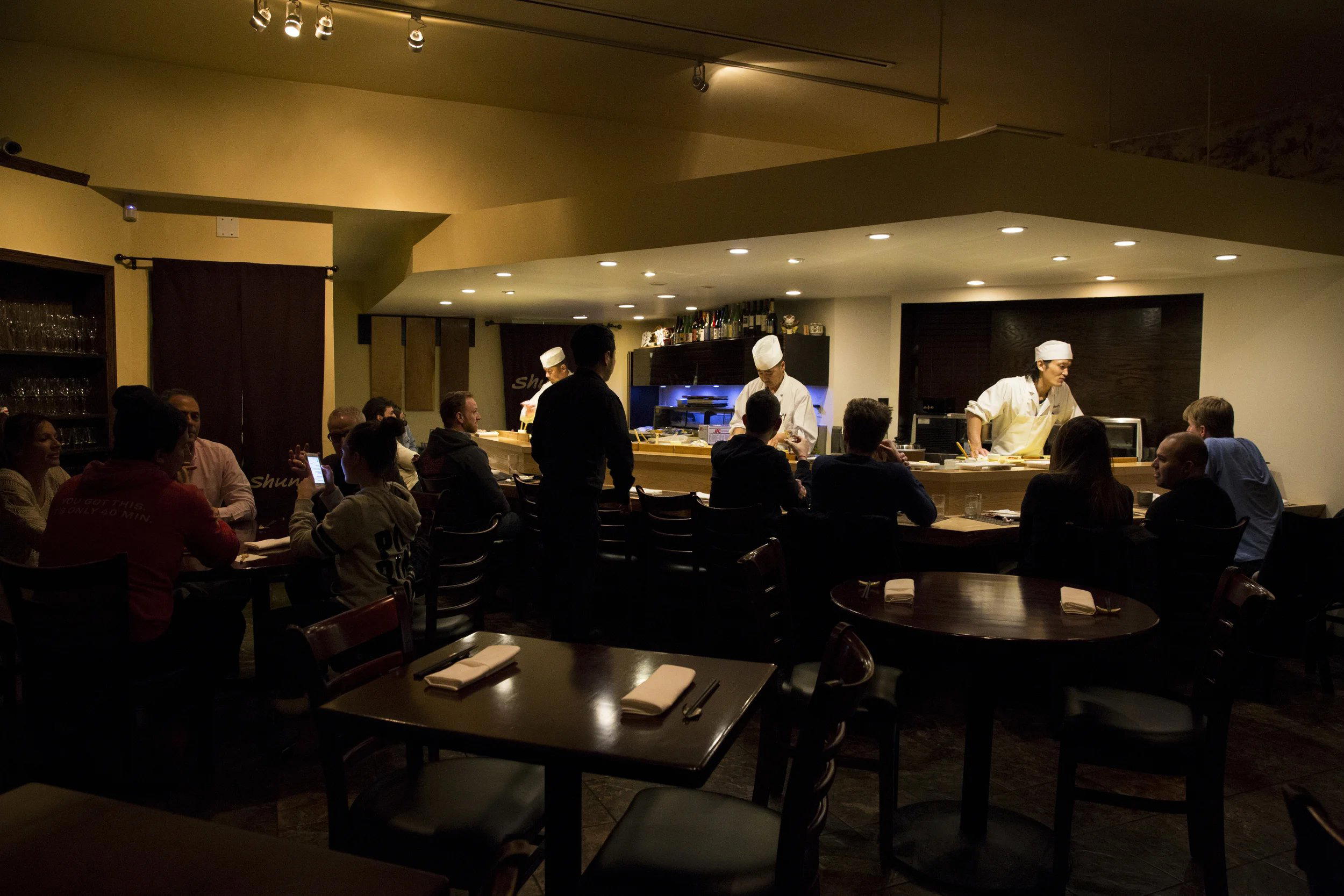
Restaurants in Los Angeles
Browse all →
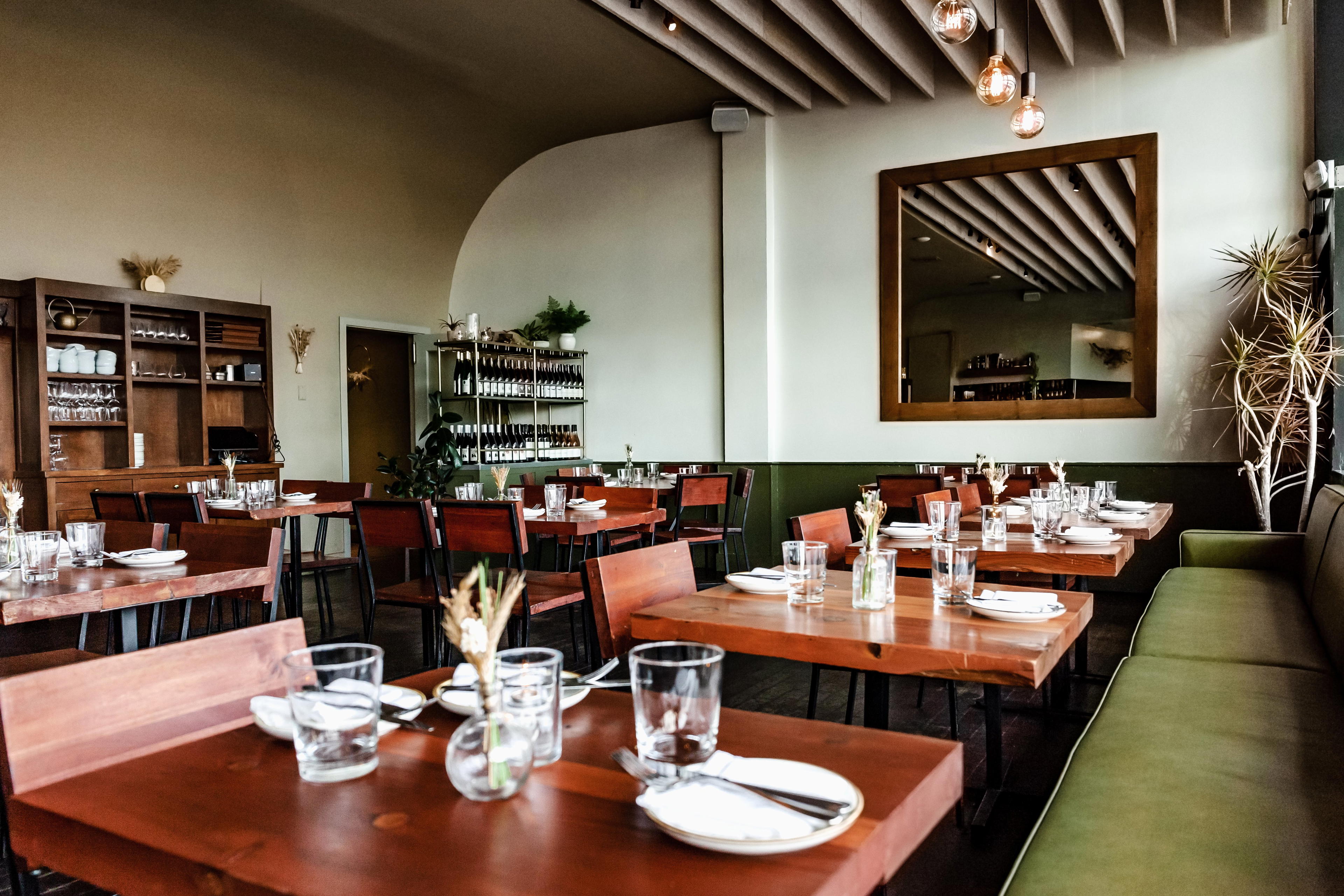
Bars in Los Angeles
Browse all →
Hotels in Los Angeles
Browse all →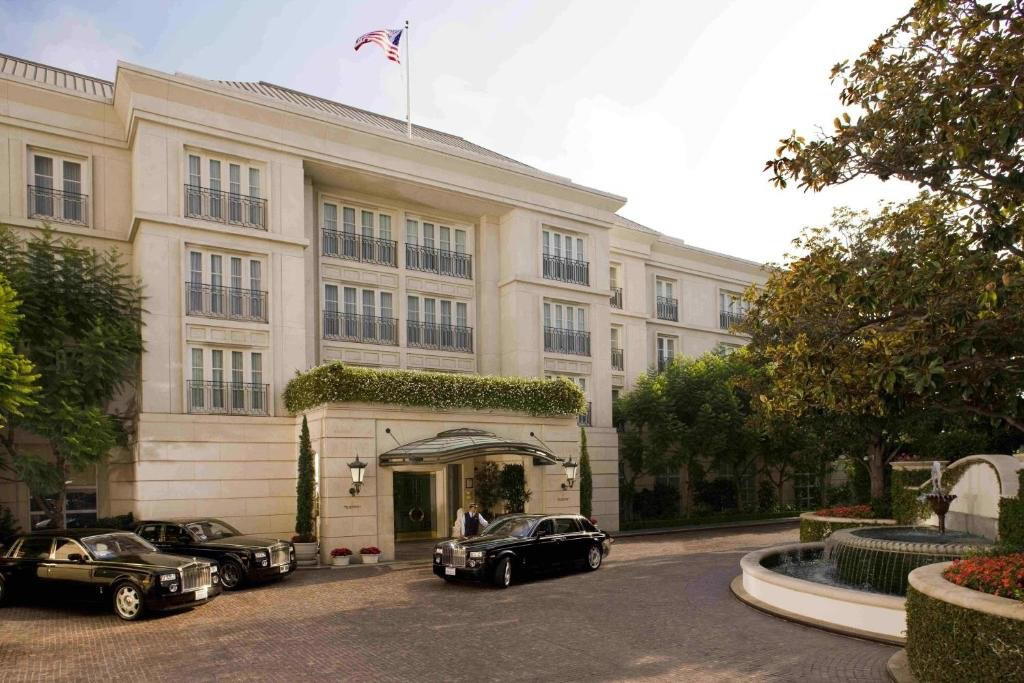
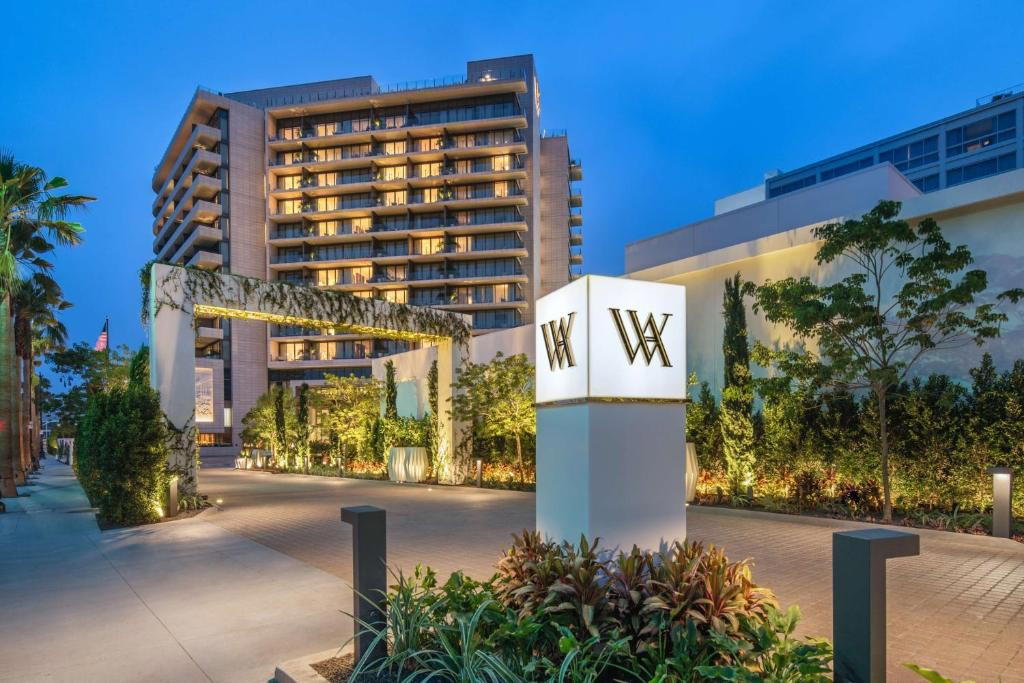
Wineries in Los Angeles
Browse all →
At a Glance
- Elegant
- Intimate
- Modern
- Sophisticated
- Date Night
- Special Occasion
- Celebration
- Private Dining
- Open Kitchen
- Sake Program
- Beer Program
- Extensive Wine List
- Local Sourcing
Current opening hours
- Monday
- Closed
- Tuesday
- 5–11 PM
- Wednesday
- 5–11 PM
- Thursday
- 5–11 PM
- Friday
- 5–11 PM
- Saturday
- 5–11 PM
- Sunday
- 5–11 PM
Hours can change for holidays and private events. Last verified .
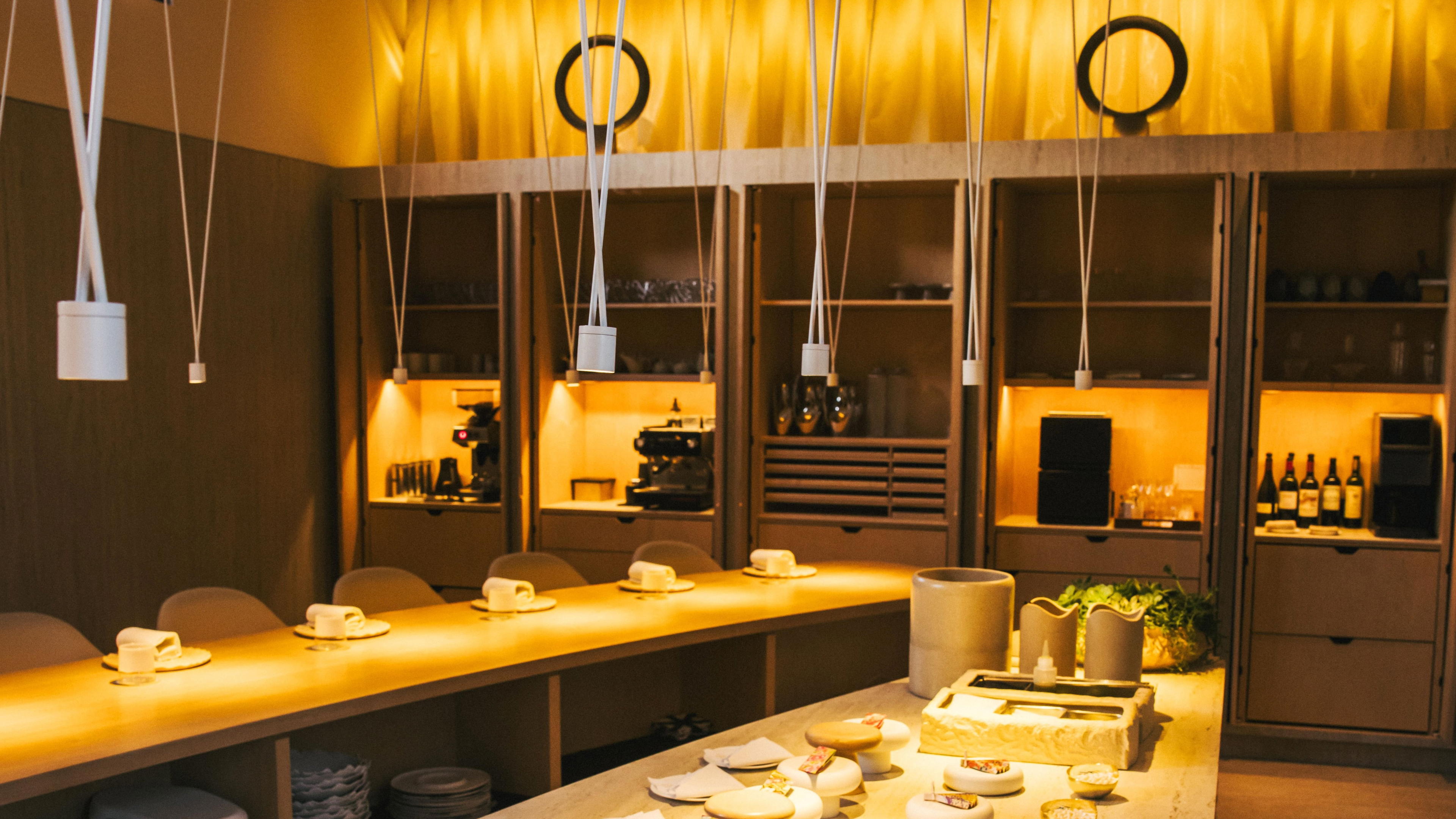
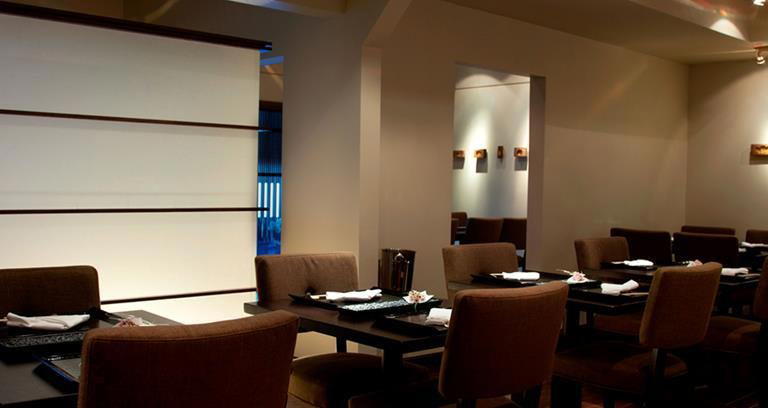
Cool and airy with glass and blonde wood panels, floor tiles, ambient lighting, and custom bamboo blinds creating a classic-meets-contemporary intimate retreat.
Know Before You Go
- Getting there
- 9669 S Santa Monica Blvd #1, Beverly Hills, CA 90210