On Hvar's central Trg svetog Stjepana, KOGO occupies one of the Adriatic's most dramatic dining settings, where Dalmatian culinary tradition meets the civic heart of a medieval island town. The square has anchored Hvar's social life for centuries, and tables here position you inside that history rather than at its edges. A reference point for the island's mid-to-upper dining tier.
Pearl is the En Primeur Club membership app — saves, bookings, and concierge access live there. Same editors, same standards.
- Address
- Trg svetog Stjepana 34, 21450, Hvar, Croatia
- Phone
- +38598582531
- Website
- kogohvar.com
- Directions
- Get directions
 Saves & bookings on Pearl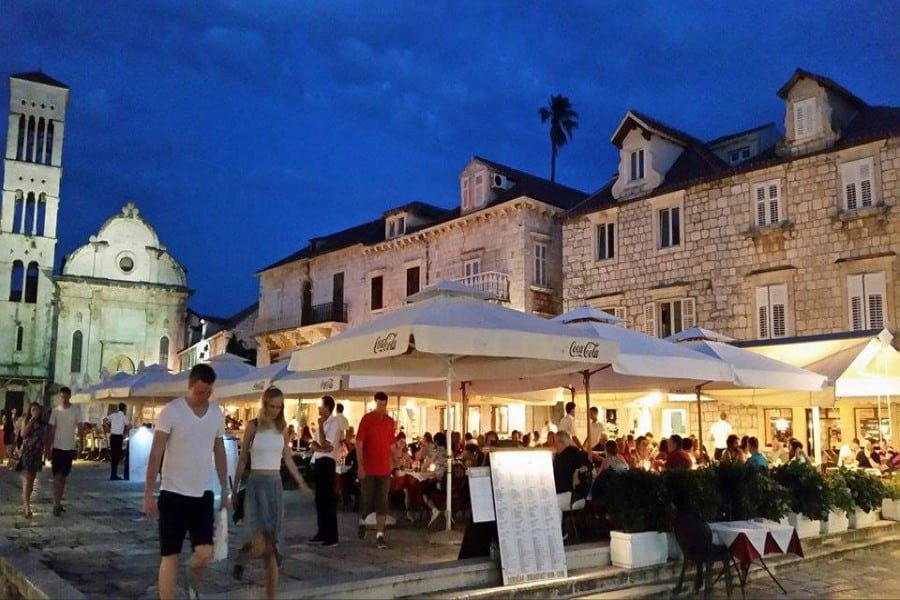
Dining on the Square: What Hvar's Central Piazza Tells You About Dalmatian Food Culture
Trg svetog Stjepana is the longest square in Croatia, and its proportions alone signal something about how Hvar has always understood public life. The loggia, the cathedral, the harbour mouth visible at the far end: this is a space designed for gathering, for the slow arc of the evening, for the ritual the Dalmatians call the riva, the promenade, the see-and-be-seen, the meal that is also a performance of belonging. KOGO sits at number 34 on that square, and the address does much of the work. The atmosphere is structural, built into the address itself.
In Dalmatia, the relationship between place and plate has always been direct. Cuisine here is not a self-conscious regional project the way Istrian cooking has become over the past two decades, it is simply what the sea, the islands, and the karst interior have always produced. Grilled fish priced by the kilo, slow-cooked lamb under a peka, a pour of local plavac mali, olive oil from trees that predate the tourist economy by several centuries. The cooking tradition on Hvar is older than the restaurant format that now presents it, and any venue on this square is, in a sense, borrowing from that inherited authority.
Where KOGO Sits in Hvar's Dining Tier
Hvar's restaurant scene has stratified noticeably over the past decade. At one end, you have casual konoba-style spots pulling on the same Dalmatian seafood vocabulary at accessible price points; at the other, a handful of addresses positioned at the island's premium ceiling, competing with the better tables in Split and, by extension, with Croatia's broader fine-dining conversation. KOGO occupies the square's prime real estate, which places it in the mid-to-upper tier by location economics alone, central Hvar commands premium footfall, and the pricing at restaurants on Trg svetog Stjepana reflects that.
For context on how Hvar compares within the wider Croatian dining picture: the country's most critically recognised restaurants sit in Istria (Agli Amici Rovinj in Rovinj), on the Kvarner islands (Alfred Keller in Mali Losinj, Boskinac in Novalja), and in the larger cities (Dubravkin Put in Zagreb, Krug in Split, Pelegrini in Sibenik). Hvar itself is not yet producing award-circuit names at that level, but it draws a sophisticated international visitor base that pushes its better restaurants toward a different standard than the Croatian domestic market alone would require. Restaurant 360 in Dubrovnik and LD Restaurant in Korčula illustrate what the southern Adriatic island circuit can produce when visitor expectation and culinary ambition align; Nebo by Deni Srdoč in Rijeka and Korak in Jastrebarsko show the range further inland. KOGO operates in a different register from those destination kitchens, but on Hvar itself, proximity to the island's main square is its own form of credential.
The Dalmatian Table: Cultural Roots of What You'll Eat
Dalmatian cuisine operates on a logic of restraint that is frequently mistaken for simplicity. The fish is fresh because the boats are close; the vegetables are local because the growing season is long; the olive oil is present at every stage because the groves are everywhere. What looks like a short menu is often a disciplined one, a kitchen that knows its supply chain well enough to limit its offer to what it can execute honestly that day.
The peka is worth understanding as a cultural artefact before you order it. Cooking under an iron bell, covered in embers, is not a technique imported from a culinary tradition elsewhere; it is a method evolved on these islands specifically because it requires almost no infrastructure and delivers extraordinarily consistent results over a slow burn. On Hvar, lamb under peka tends to require advance notice, typically 24 hours, sometimes more, precisely because the method cannot be rushed. Ordering it spontaneously is a different visit from ordering it correctly.
Seafood on Hvar follows the Mediterranean convention of whole fish grilled over charcoal, priced by weight and usually sold alongside local brodetto, the wine-braised fish stew that appears in some variant across every Adriatic coastline from Venice south to Dubrovnik. Local plavac mali, the indigenous grape variety that produces the island's most characterful reds, including the Dingač wines from the Pelješac peninsula nearby, is the obvious pairing for anything pulled from the sea here. Wines from producers like Zlatan Otok have put Hvar specifically on the regional wine map, though any restaurant on the square will carry a broader Dalmatian selection.
On the Ground: How to Approach KOGO
Trg svetog Stjepana is Hvar Town's central node, reachable on foot from any accommodation within the old town walls in under ten minutes. The car-free historic centre means arrival is always on foot; the ferry from Split docks at the harbour mouth, visible from the far end of the square itself, making orientation direct from the moment you arrive. During high season (July and August specifically), Hvar Town's population multiplies several times over, and the square's restaurants absorb that volume. Walk-ins at any address on the piazza during peak weeks are possible but not reliable, the square's visibility means it fills early, particularly on warm evenings when outdoor seating becomes the default.
Gariful sits at the harbour and remains a familiar choice among returning visitors; Dalmatino leans into the island's seafood-forward identity; Antonio - Patak and Dionis represent different positions in the local tier; and Gojava occupies a more casual register. KOGO's advantage is the square itself, there is nowhere else on Hvar that delivers this particular combination of setting and central position.
Atomix in New York City and Le Bernardin in New York City represent the international reference point against which destination restaurants increasingly measure themselves, even here, on a Dalmatian island where the cooking tradition predates any such frame of reference by several hundred years.
Booking and Cost Snapshot
Comparable venues nearby, for context on price, style, and recognition.
| Venue | Cuisine | Price | Notes |
|---|---|---|---|
| KOGOThis venue — the venue you are viewing | Not listed | $$ | Not listed |
| Grande Luna | Not listed | $$ | Old Town Hvar, Traditional Dalmatian Seafood |
| Kod Kapetana | Hvar Town, Traditional Croatian Seafood | $$ | Not listed |
| Stori Komin | Malo Grablje, Traditional Dalmatian Peka | $$ | Not listed |
| Meneghello | Not listed | $$$ | Pakleni Islands, Traditional Croatian Seafood |
| Konoba Maestro | Hvar Town, Traditional Croatian Seafood | $$ | Not listed |
Continue exploring
More in Hvar
Restaurants in Hvar
Browse all →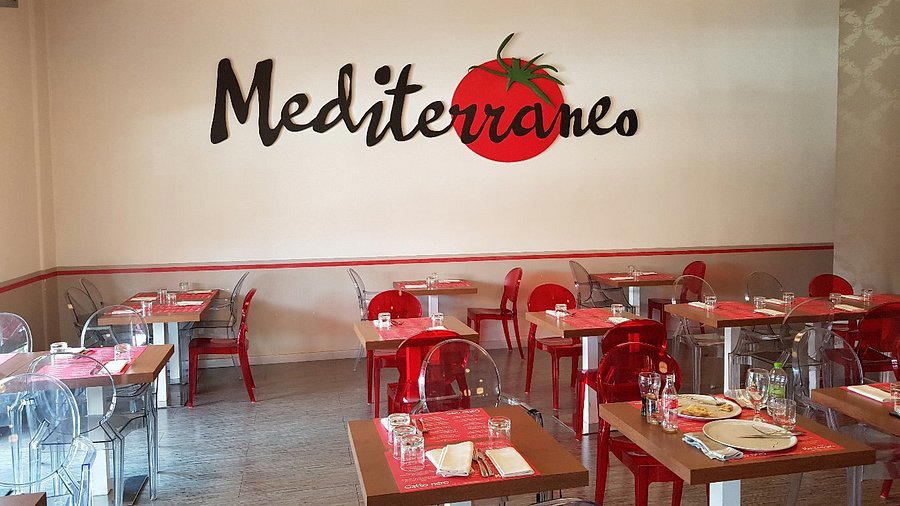
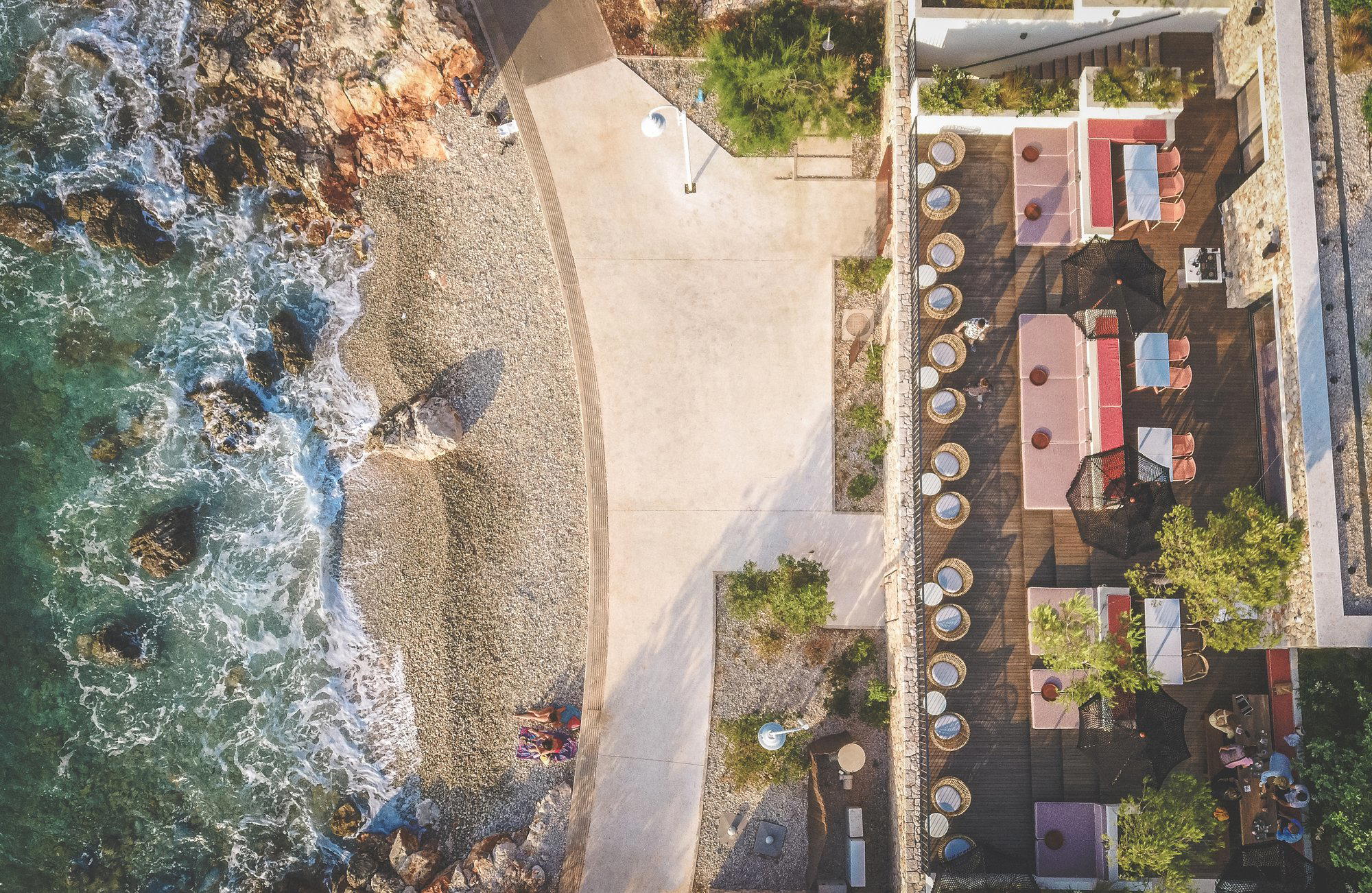
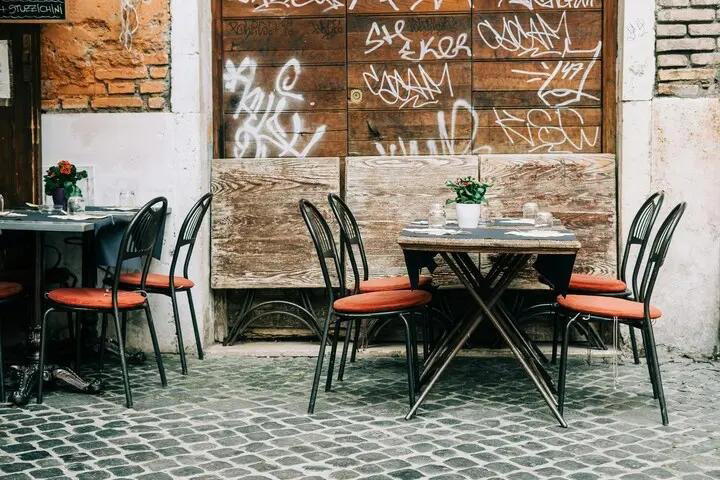
Bars in Hvar
Browse all →
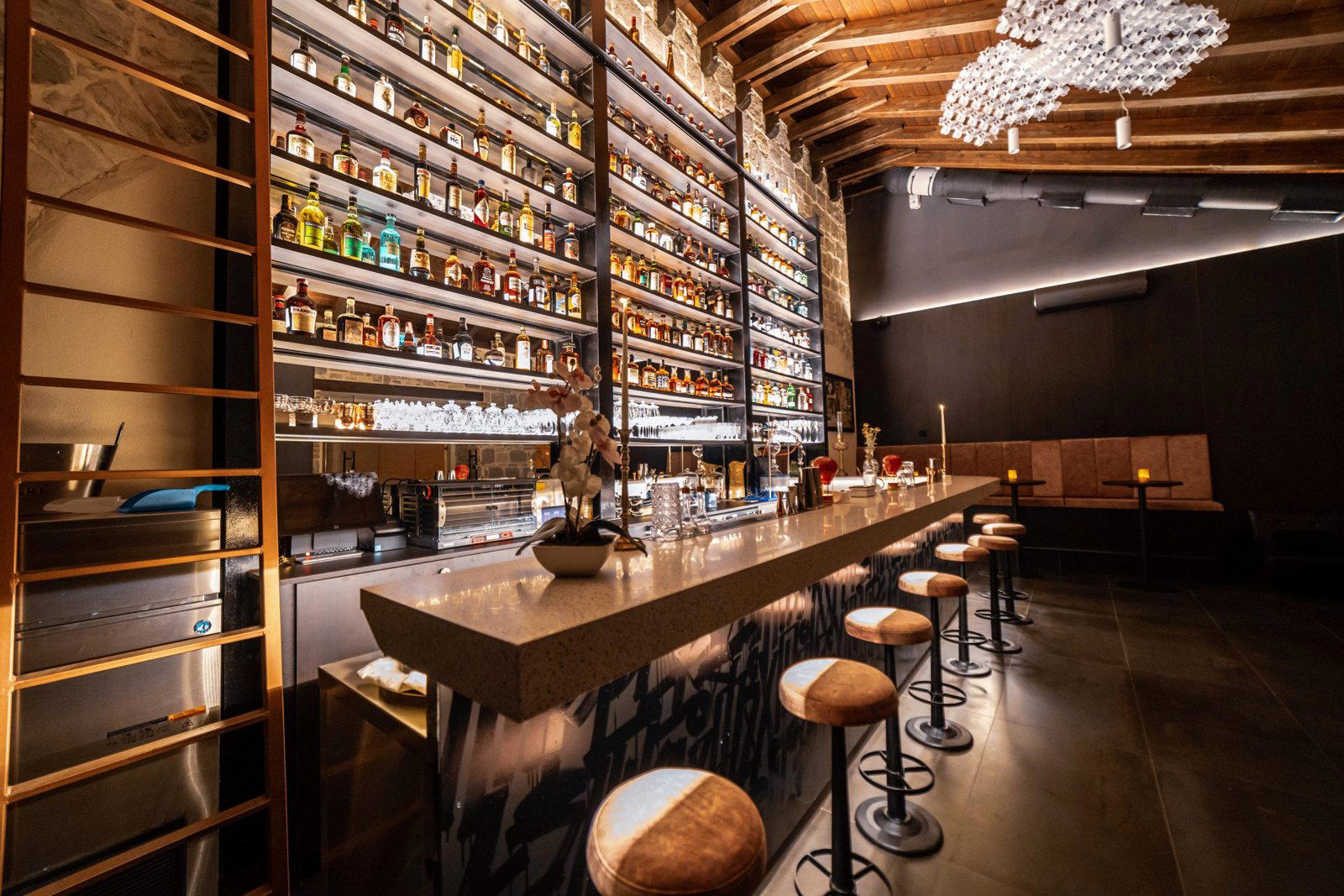
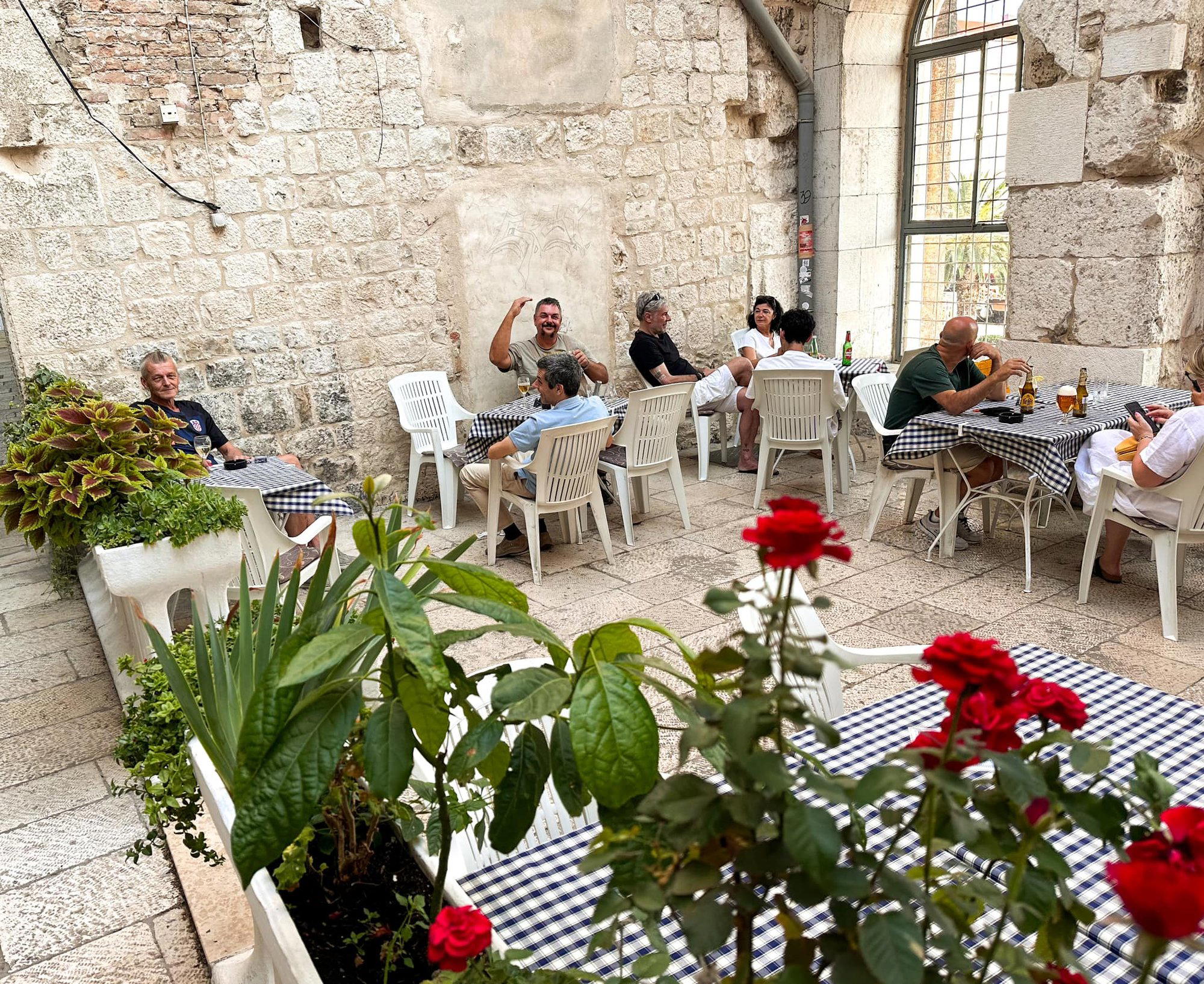
Hotels in Hvar
Browse all →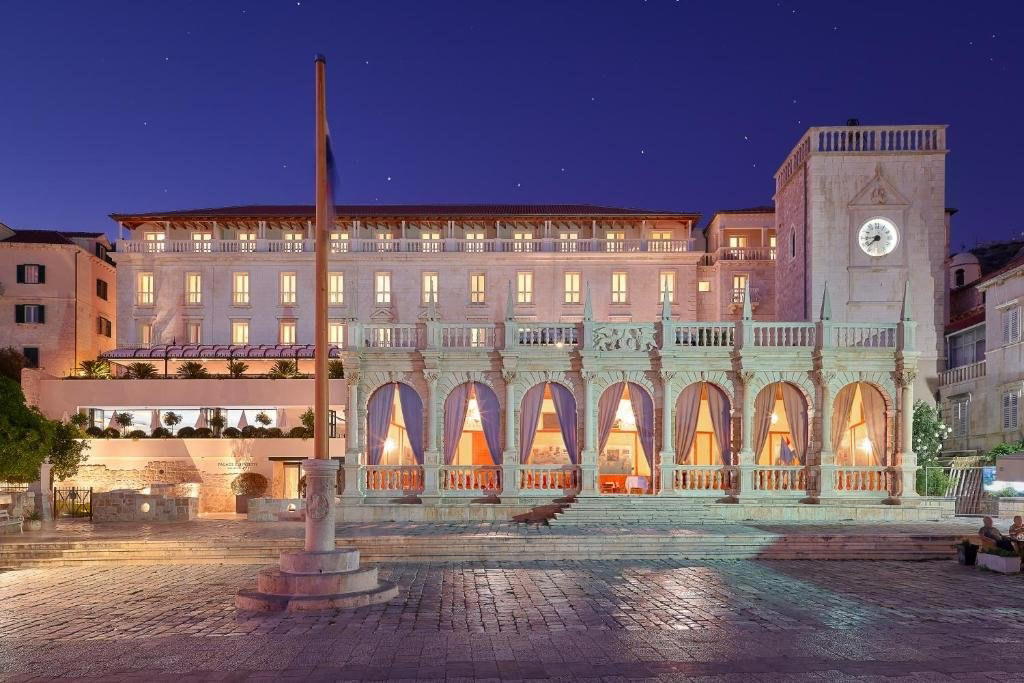

At a Glance
- Cozy
- Elegant
- Lively
- Casual Hangout
- Group Dining
- Family
- Terrace
- Open Kitchen
- Extensive Wine List
- Local Sourcing
- Street Scene
Current opening hours
- Monday
- 11 AM–12 AM
- Tuesday
- 11 AM–12 AM
- Wednesday
- 11 AM–12 AM
- Thursday
- 11 AM–12 AM
- Friday
- 11 AM–12 AM
- Saturday
- 11 AM–12 AM
- Sunday
- 11 AM–12 AM
Hours can change for holidays and private events. Last verified .
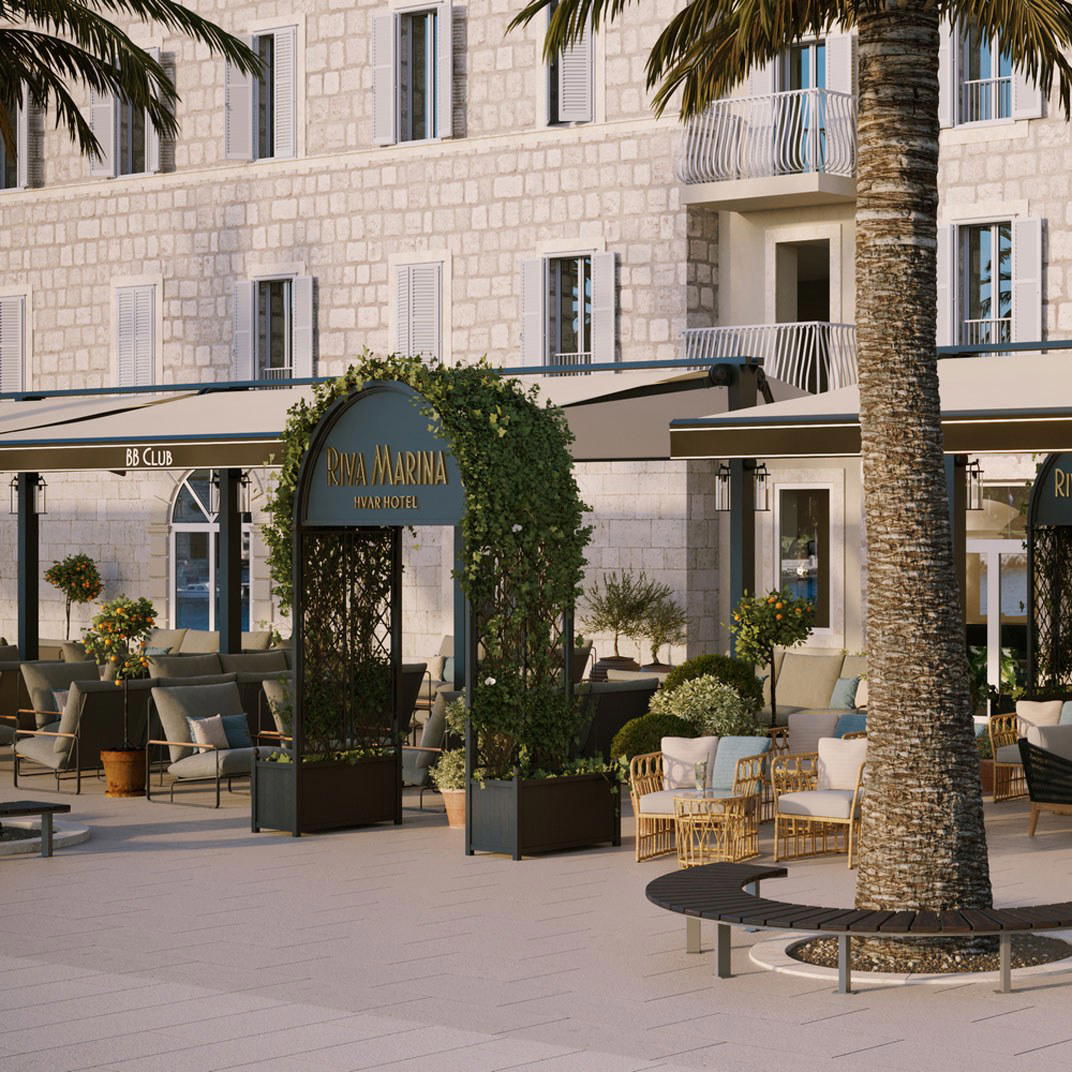
Cozy yet elegant atmosphere with warm lighting, thoughtful decor, and a relaxing vibe on the terrace.