
Michelin Bib Gourmand
Our verdict
Kodawari Ramen - Yokochō on Rue Mazarine brings a disciplined approach to Japanese ramen in the heart of Saint-Germain-des-Prés, earning consecutive Michelin Plate recognition in 2024 and 2025. For ramen in Paris, this is the reference point against which others are measured.

Pearl is the En Primeur Club membership app — saves, bookings, and concierge access live there. Same editors, same standards.
- Address
- 29 Rue Mazarine, 75006 Paris, France
- Phone
- +33 1 43 29 37 67
- Hours
- Daily 11:45 AM–11 PM
- Website
- kodawari-ramen.com
- Directions
- Get directions
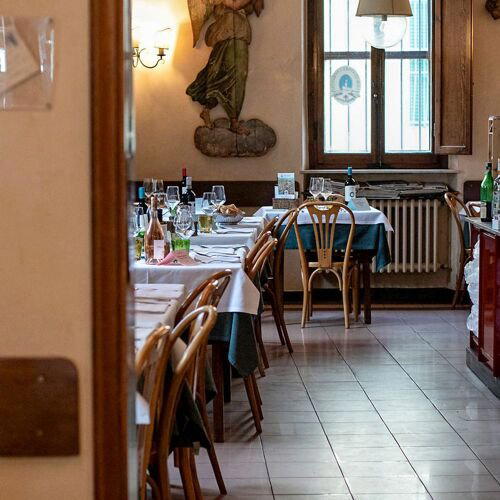
Ramen in Paris: Where the Bowl Meets the Arrondissement
Rue Mazarine cuts through the 6th arrondissement with the quiet confidence of a street that has no need to announce itself. Galleries, a handful of serious wine bars, and the old axis of Saint-Germain-des-Prés intellectual life form the backdrop. Number 29 sits inside this geography with an aesthetic that signals Japan before you read the menu: the narrow frontage, the warm interior light bleeding onto the pavement, the low hum of a dining room that is consistently full. This is not a ramen shop that happened to end up in Paris. It reads as a considered placement within a neighbourhood where food culture runs deep and diners are not easily impressed.
The broader Paris Japanese dining scene has stratified sharply over the past decade. At the upper end, counters such as L'Abysse au Pavillon Ledoyen, Sushi Yoshinaga, and Chakaiseki Akiyoshi price against the city's French-gastronomic tier and operate with comparable booking pressure. Below that, the mid-range has fragmented: izakayas, katsu specialists, and soba houses each claiming a niche. Ramen, however, has remained its own category, where the criteria for excellence are both specific and unforgiving. Broth clarity, noodle calibration, topping balance, and bowl temperature all carry weight. Kodawari Ramen - Yokochō operates squarely in that specialist tier.
The Cultural Weight of a Bowl
Ramen's reputation as a casual, workaday food obscures its technical demands. In Japan, serious ramen shops treat their broth with the same care that a French kitchen applies to its fonds. A tonkotsu requires hours of high-pressure extraction; a shoyu base depends on a layered tare built over time; a shio bowl lives or dies by the purity of its salt and the restraint of everything added after. These are not recipes that tolerate shortcuts, and a Paris context adds another layer of difficulty: the ingredients that define regional Japanese ramen, from specific wheat flours to particular soy varieties, require either reliable importation or skilled local substitution.
The Yokochō reference in the name carries meaning beyond branding. A yokochō in Japan is a narrow alley, typically lined with small counter-format restaurants, where the cooking is serious and the atmosphere is compressed and focused. The format implies a particular kind of eating: attentive, concentrated, without the distraction of a large and varied menu. Paris has embraced the yokochō concept in several forms, but few venues have applied it to ramen with this degree of consistency.
Where It Sits in the Paris Japanese Tier
Comparing Kodawari Ramen - Yokochō to the city's broader Japanese roster requires some calibration. Hakuba and Abri Soba represent the soba-forward expression of Japanese noodle culture in Paris, a discipline rooted in buckwheat tradition and served with a formality that differs from ramen's more industrial origins. The two formats attract overlapping but distinct audiences. Soba devotees tend to prize subtlety and seasonal grain character; ramen diners are often seeking intensity, richness, and the particular satisfaction of a broth that has been coaxed into depth over many hours.
Kodawari Ramen - Yokochō's €€ price range positions it clearly outside the starred Japanese tier and equally clearly above the entry-level ramen offer that has proliferated across Paris in the last five years. The consistency implied by that sample size, combined with two consecutive years of Michelin Plate recognition, places this venue in a different category from the city's many competent but unremarkable Japanese noodle operations.
Paris, Japan, and the Question of Authenticity
The debate over what constitutes authentic Japanese food outside Japan is long-running and not particularly useful as a framework for evaluation. What matters in practice is whether the techniques are executed with discipline and whether the result delivers on the expectations the format creates. Paris has developed a Japanese dining culture sophisticated enough to make these distinctions. The city's Japanese community has shaped a tier of operators, from the multi-starred kitchens of the 1st and 8th arrondissements to the ramen and izakaya operations of the 6th and 13th, that treat Japanese culinary form as a serious discipline rather than an approximation for French palates.
That seriousness is part of what distinguishes the Paris Japanese dining scene from comparable European capitals. While London and Amsterdam have developed Japanese food cultures of genuine depth, Paris sits in a particular position: its classical French gastronomic tradition, documented through institutions from Paul Bocuse - L'Auberge du Pont de Collonges to Auberge de l'Ill, has created a dining culture that evaluates technique rigorously regardless of national origin. Japanese restaurants here are measured by that same demanding standard, which raises the floor for the entire category. For a point of comparison from the Tokyo side of the equation, the discipline apparent in venues such as Myojaku and Azabu Kadowaki in Tokyo gives some indication of how seriously Japanese cuisine approaches its own internal hierarchies.
Planning Your Visit
Kodawari Ramen - Yokochō is at 29 Rue Mazarine, 75006 Paris, in the Saint-Germain-des-Prés neighbourhood of the 6th arrondissement. The area is walkable from Saint-Germain-des-Prés and Odéon metro stations. For broader context on eating and drinking in Paris, see our full Paris restaurants guide, our full Paris bars guide, our full Paris hotels guide, our full Paris wineries guide, and our full Paris experiences guide.
| Venue | Cuisine | Price Tier | Michelin Recognition | |
|---|---|---|---|---|
| Kodawari Ramen - Yokochō | Ramen / Japanese | €€ | Plate (2024, 2025) | |
| Abri Soba | Soba / Japanese | €€ | Plate | — |
| Hakuba | Japanese | €€€ | Star | — |
| Sushi Yoshinaga | Sushi / Japanese | €€€ | Star |
One Question Answered
What is the signature dish at Kodawari Ramen - Yokochō?
Those indicators point to a broth-led programme executed with consistency. The awards signal that the kitchen is working at a level where whatever is central to the menu has been evaluated and found to meet a documented standard.
A Lean Comparison
A quick snapshot of similar venues for side-by-side context.
| Venue | Cuisine | Price | Awards | Notes |
|---|---|---|---|---|
| Kodawari Ramen - YokochōThis venue — the venue you are viewing | Authentic Japanese Ramen Yokocho | $20–30 | Michelin Bib Gourmand | Not listed |
| Alléno Paris au Pavillon Ledoyen | Modern French Fine Dining | $150–200 | 3 Michelin Stars · World's 50 Best #79 | Creative |
| Kei | Modern French with Japanese Influences | $300–500 | 3 Michelin Stars · World's 50 Best #93 | Contemporary French, Modern Cuisine |
| L'Ambroisie | Classic French Haute Cuisine | $300–500 | 2 Michelin Stars · World's 50 Best #23 | French, Classic Cuisine |
| Le Cinq - Four Seasons Hôtel George V | French, Modern Cuisine | Not listed | Not listed | Not listed |
| Plénitude | Modern French Sauce-Led Fine Dining | $300–500 | 3 Michelin Stars · World's 50 Best #14 | Contemporary French |
Recognition history
Dated appearances from independent guides and award organizations, with the underlying list record or original source where available.
Michelin Bib Gourmand
Michelin
Full recognition history (3 entries)
Michelin Plate
Michelin
Michelin Plate
Michelin
Continue exploring
More in Paris
Restaurants in Paris
Browse all →
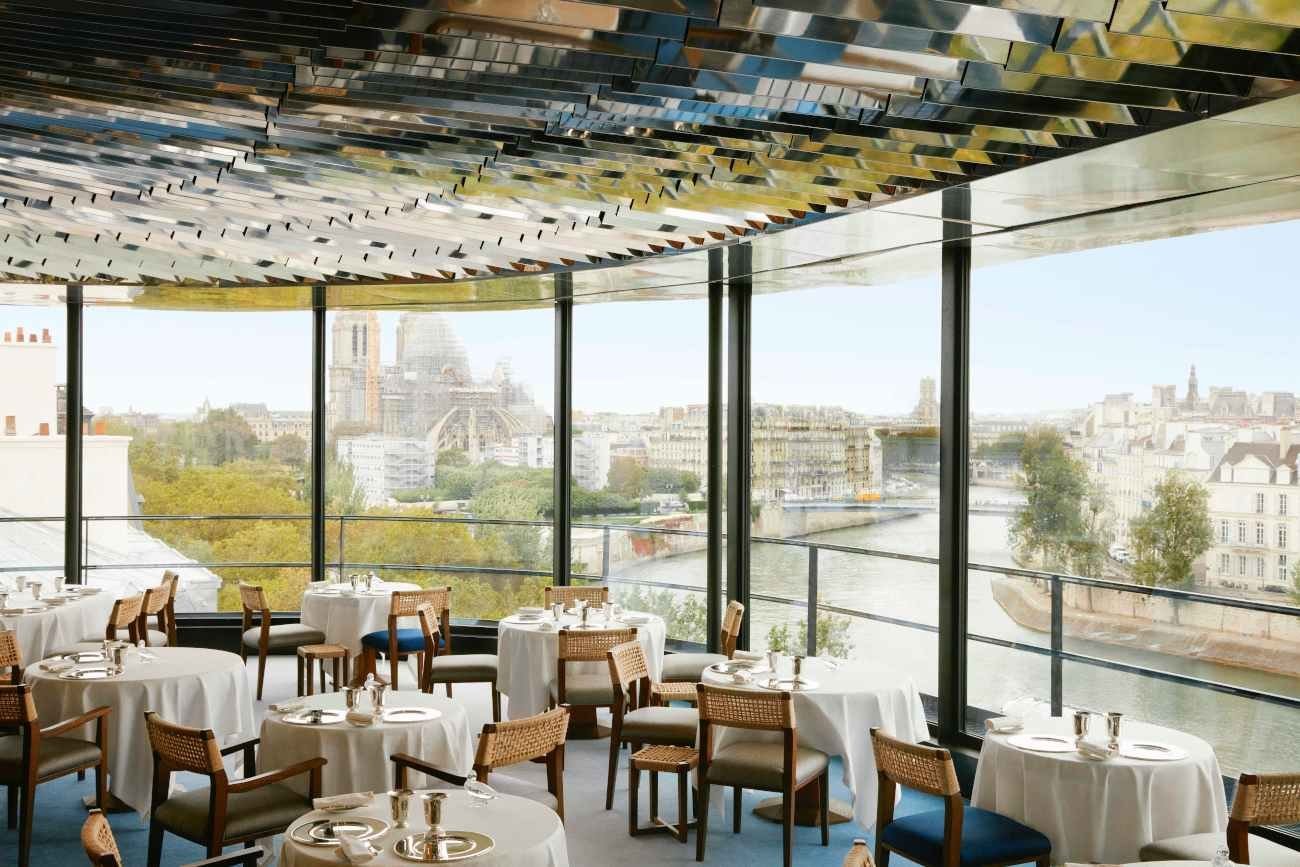
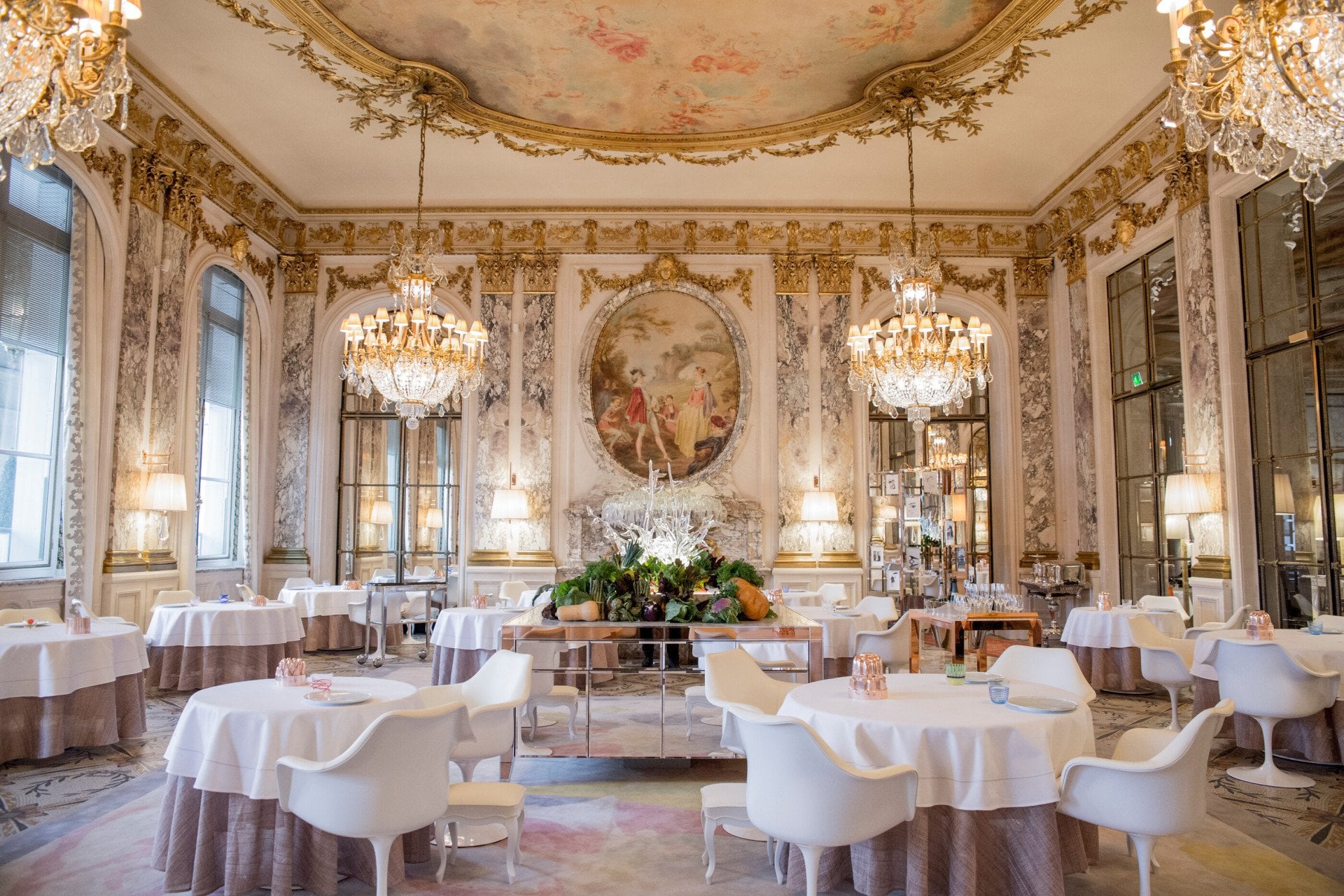
Bars in Paris
Browse all →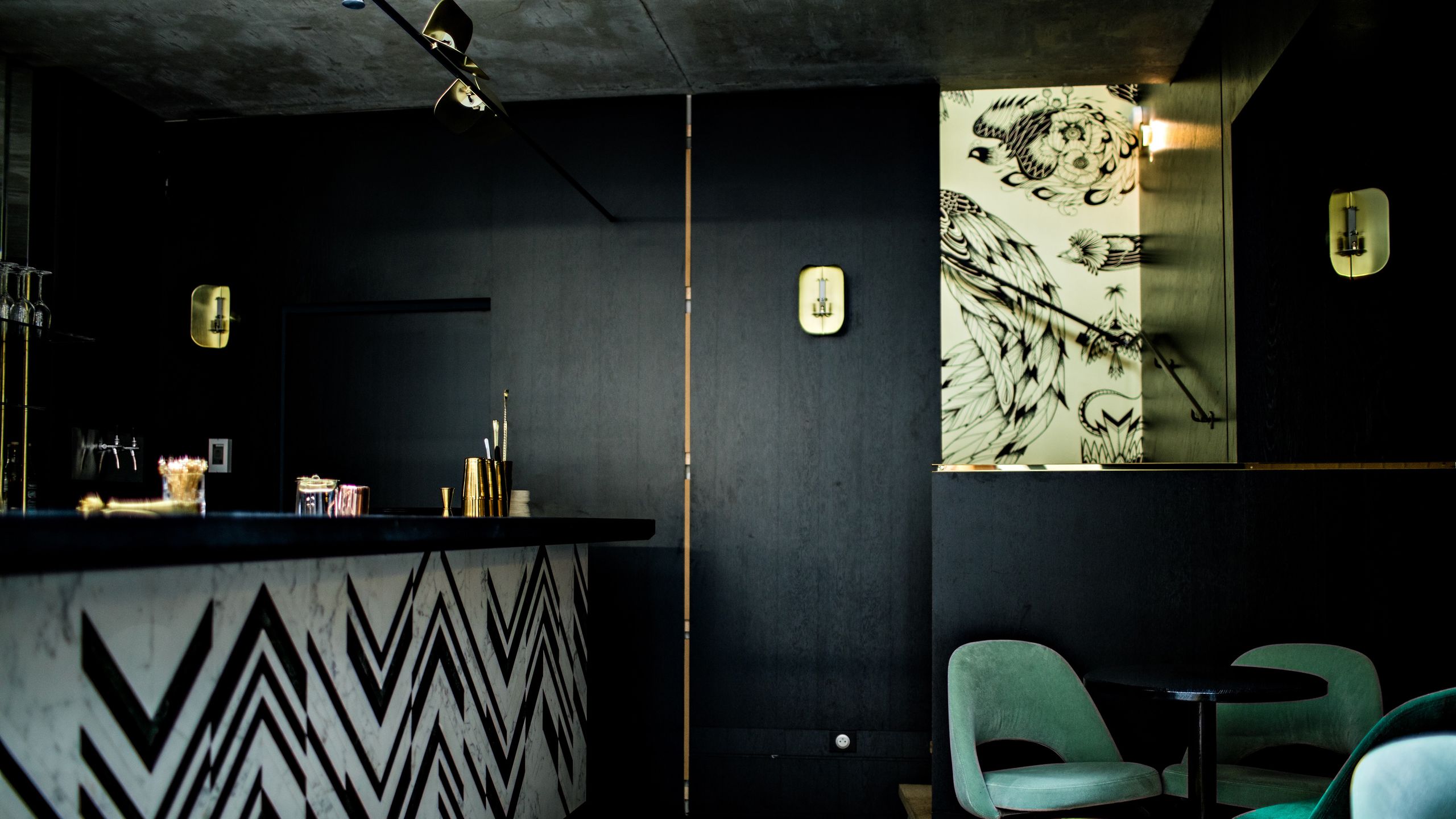
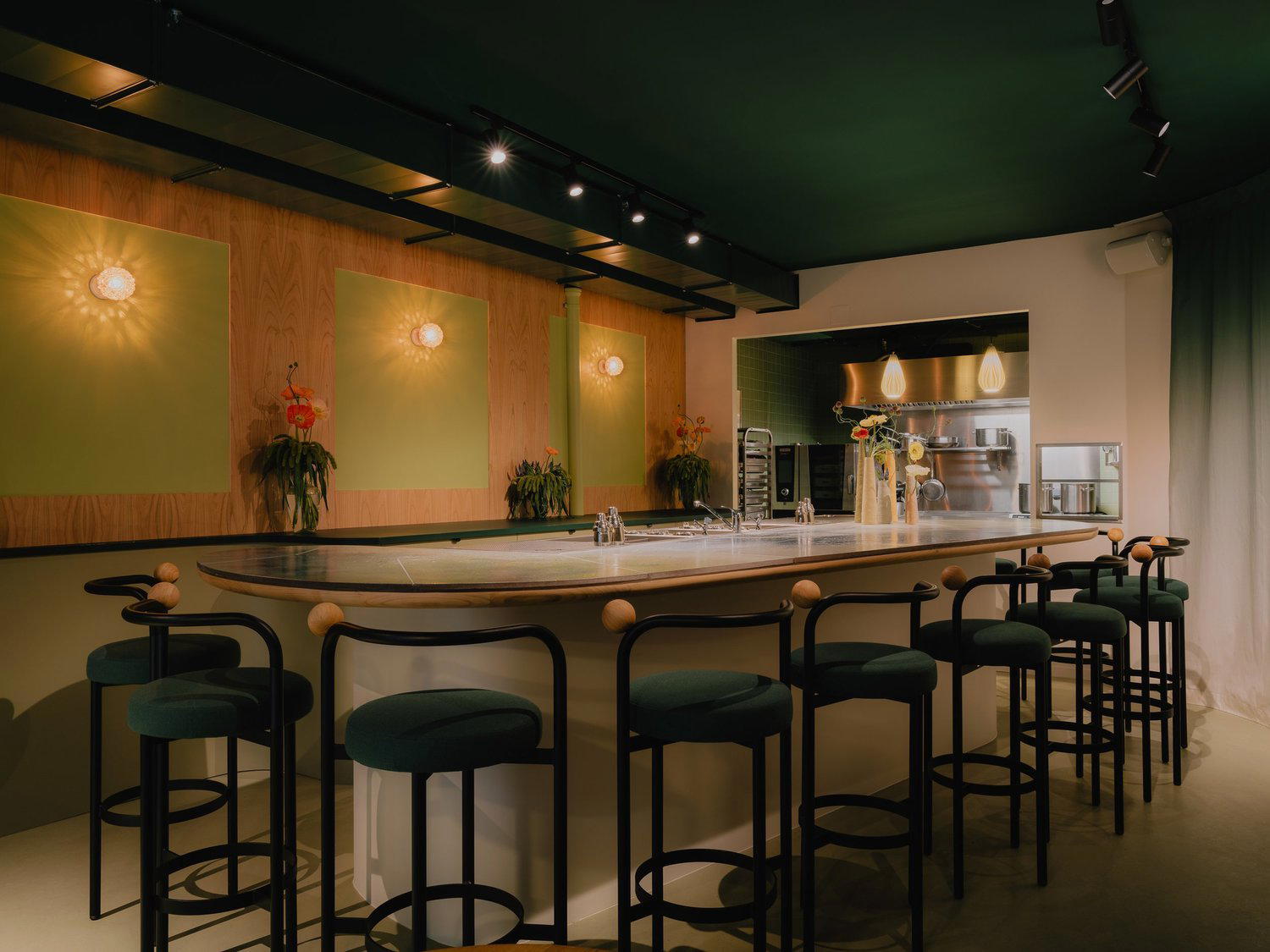
Hotels in Paris
Browse all →



Details
- Trendy
- Lively
- Industrial
- Casual Hangout
- Solo
- Open Kitchen
- Sake Program
- Local Sourcing
- A La Carte
- Sake Program
- Vegetarian Friendly
Current opening hours
- Monday
- 11:45 AM–11 PM
- Tuesday
- 11:45 AM–11 PM
- Wednesday
- 11:45 AM–11 PM
- Thursday
- 11:45 AM–11 PM
- Friday
- 11:45 AM–11 PM
- Saturday
- 11:45 AM–11 PM
- Sunday
- 11:45 AM–11 PM
Hours can change for holidays and private events. Last verified .
Cramped and immersive with Japanese lanterns, signage, and alleyway decor creating a lively, transportive Tokyo street feel under pressure of queues.