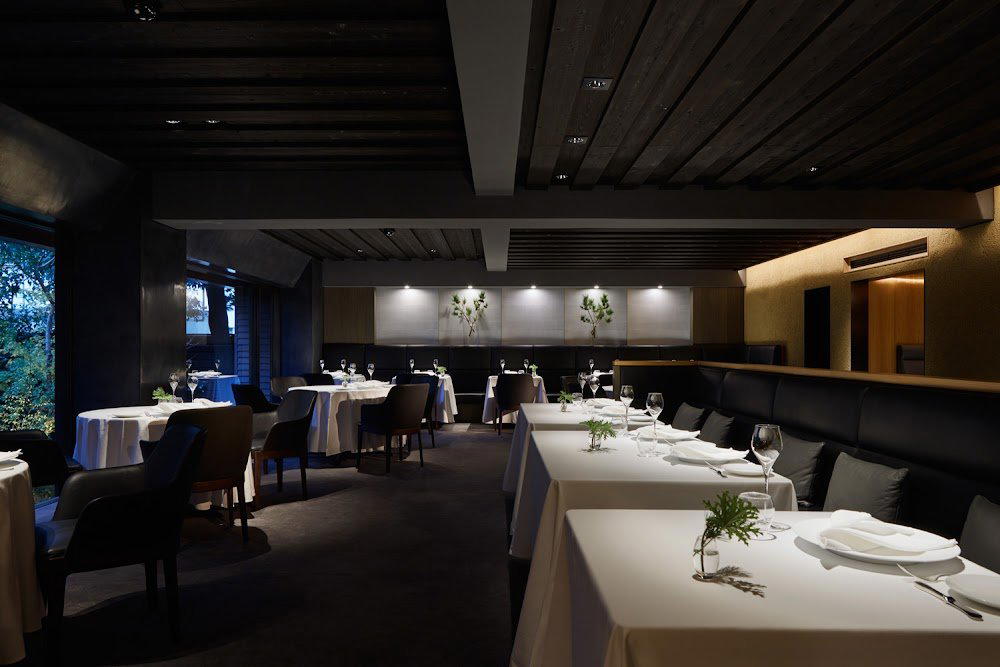
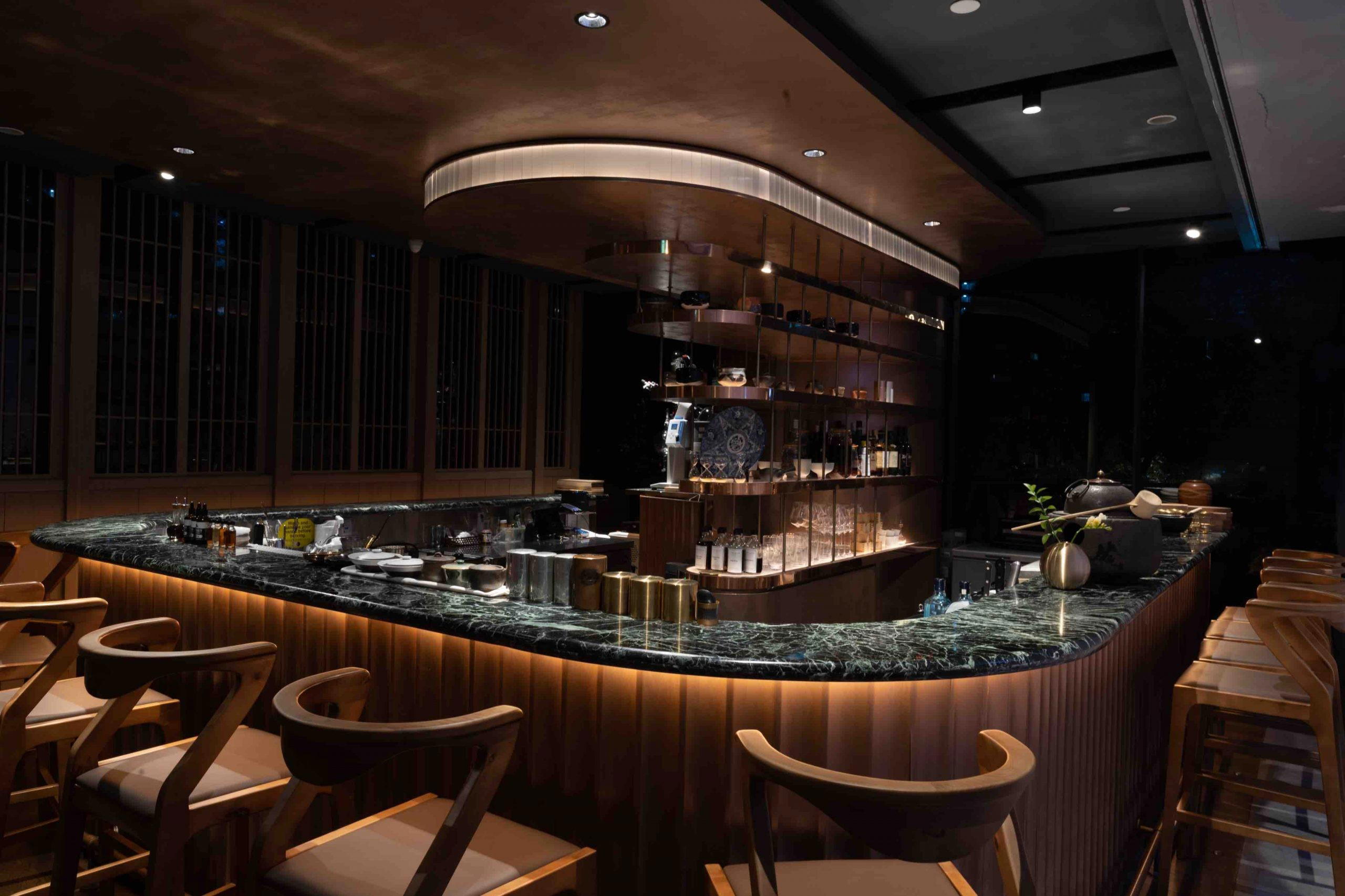
Tabelog 100 #51
Our verdict
Kobikicho Tomoki belongs to Ginza’s small-counter sushi tier, where the evening omakase economy has separated sharply from casual daytime sushi. Its seven-seat scale, Tabelog Sushi Tokyo 100 selection in 2025 and OAD Recommended placement in 2026 put it in a serious comparison set without needing theatrical framing.

Pearl is the En Primeur Club membership app, where members save venues, book tables and use the concierge.
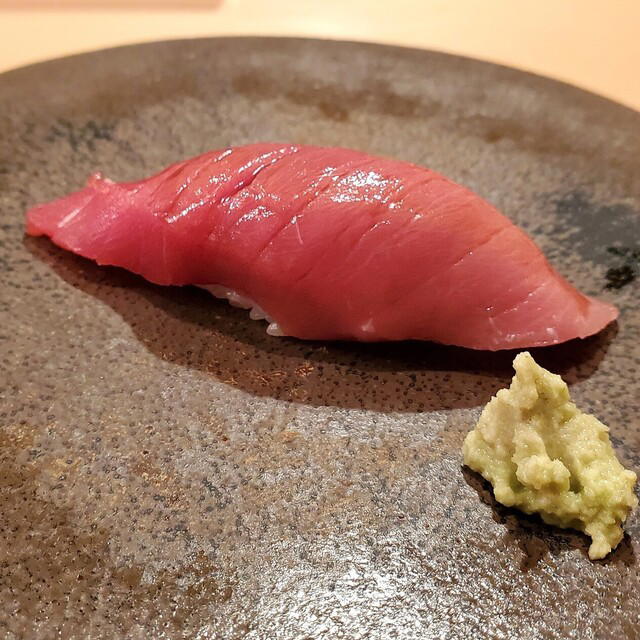
The menu
What to order
- Hairy crab (kegani) specialty
- Snow crab (zuwai gani) preparations
- Steamed abalone
- Anago prepared two ways
- Uni with Nara-style marinade
Tokyo changes after office hours. Daytime traffic thins and the city becomes a tighter dining landscape, where sushi venues sit behind modest frontages and the room can matter as much as the fish. Here, lunch and dinner are different categories. Daytime sushi can mean speed, value and a lighter read on craft; evening sushi asks for attention, time and a budget that shifts the experience upward.
Kobikicho Tomoki belongs to that evening category. The signals are clear: sushi and a dinner bracket of JPY 60,000 to JPY 79,999. That places it in Tokyo's high-end dinner economy rather than the broader restaurant market. The point is concentration. A focused sushi room changes the social contract, reducing noise, narrowing pacing and making the meal itself the central stage.
Tokyo sushi after dark, not the daytime value circuit
Tokyo sushi has long split along a lunch-and-dinner axis. Lunch offers access: shorter meals, lower prices, faster turnover and a softer landing for travellers who want technique without committing an evening. Dinner follows another logic. The tempo slows, the bill rises and the meal is judged against other specialist rooms, not neighbourhood sushi shops.
That matters because Kobikicho Tomoki is positioned squarely in the latter camp. Its Tabelog score of 3.99 and selection for Tabelog Hyakumeiten in 2025 add local weight. That recognition does not describe the plate, but it clarifies the competitive bracket: a Tokyo sushi address assessed among serious dining rooms, not a casual dinner stop.
The Tokyo setting sharpens that reading. The city’s dining scene carries luxury retail, expense-account restaurants and smaller specialist rooms alongside more accessible places to eat. Nearby comparison points show the spread: Ginza Yondaime TAKAHASHIYA, Kabukizaura Masashi, American and Ginza Nair's Restaurant each represent a different way into Tokyo dining. The contrast is useful. Sushi at this level is not competing with a quick lunch, but with reservation-led evenings where attention and scarcity shape the experience.
The small counter as Tokyo's luxury format
Luxury in Tokyo sushi is often misread as decoration. The better marker is focus. Intimate specialist rooms leave little slack: pacing, conversation and serving rhythm are compressed into a format where one delayed party or inattentive guest can alter the atmosphere. Dress, punctuality and booking etiquette therefore carry more weight here than in many larger dining rooms. The format rewards diners who understand sushi as a sequence, not isolated pieces.
Practical details matter, but the deeper point is control. A focused sushi meal keeps attention on the sushi rather than on spectacle. For travellers, that matters. A more anonymous dining room can absorb unfamiliarity; a closely paced room exposes it. The gain is proximity to craft and a clearer tempo. The trade-off is less tolerance for improvisation.
Biography should not be the frame. Tokyo sushi is a discipline of repetition, sourcing judgment, rice temperature, cut, seasoning and hand pressure, and the dining room is where those decisions become visible. Recognition from Tabelog is useful because it suggests sustained attention from diners who compare Tokyo sushi closely, not because it replaces understanding the genre.
For a wider Tokyo dining map, compare this focused model with other city formats in Our full Tokyo restaurants guide. The range includes casual cafés, curry specialists, grilled and izakaya-adjacent formats, yakitori rooms and other urban dining styles. Those examples are not substitutes for Tokyo sushi; they show how specialised this room is within the city’s wider eating culture.
Who this dinner makes sense for
Kobikicho Tomoki suits diners who already know why Tokyo sushi differs from luxury hotel dining and casual omakase abroad. The value case is not lunch value. It is access to an evening sushi format in a city where pricing has moved into a rarefied tier. If the aim is breadth, Tokyo offers more relaxed ways to eat well. If the aim is a focused sushi evening with local recognition attached, the case strengthens.
Plan around the rest of the trip. A sushi meal at this level pairs poorly with a rushed arrival day, heavy bar itinerary or group seeking flexibility. It works better as the anchor of a Tokyo night, with hotels, bars and cultural stops arranged around it rather than competing with it. For that broader frame, use Our full Tokyo hotels guide, Our full Tokyo bars guide, Our full Tokyo wineries guide and Our full Tokyo experiences guide.
Japan’s dining range helps calibrate expectations. Other meals might run from beef-focused cooking to café stops, contemporary restaurants, regional cooking, curry counters and Kyoto dining, each in a different register. For readers extending the Japanese-food thread overseas, the vocabulary changes again outside Japan, where familiar forms are adapted to different ingredients, audiences and dining habits.
This is not the address for a diner seeking softer lunch economics. It is for the traveller who wants an evening inside Tokyo’s sushi culture, where recognition, scarcity and restraint define the price of admission.
Frequently asked questions
How do I find Kobikicho Tomoki?
Tokyo.
What are the opening hours for Kobikicho Tomoki?
Opening hours for Kobikicho Tomoki should be confirmed directly before visiting.
How much does it cost to eat at Kobikicho Tomoki?
Pricing at Kobikicho Tomoki is listed as JPY 60,000 - JPY 79,999 for dinner.
What is Kobikicho Tomoki known for?
Kobikicho Tomoki is known as a sushi venue in Tokyo, with a 2025 Tabelog Hyakumeiten listing and a Tabelog score of 3.99.
Comparable Options
Comparable venues to calibrate price, style, and recognition.
| Venue | Cuisine | Price | Awards | Notes |
|---|---|---|---|---|
| Kobikicho TomokiThis venue (the venue you are viewing) | High-End Edomae Sushi Omakase | $300–500 | Tabelog 100 #51 | Not listed |
| Ginza Yondaime TAKAHASHIYA | Traditional Japanese Unagi Kappo | $100–150 | Michelin Plate · Tabelog 100 #2 | Unagi / Freshwater Eel |
| Kabukizaura Masashi | Seasonal Japanese Omakase | $100–150 | Michelin Plate | Japanese |
| American | Classic Ginza kissaten & sandwich café | $10–20 | Tabelog 100 | JPY 1,000 - JPY 1,999 |
| Ginza Nair's Restaurant | Historic South Indian curry house in Ginza | $20–30 | Tabelog 100 #37 | JPY 1,000 - JPY 1,999 JPY 1,000 - JPY 1,999 |
Recognition history
Dated appearances from independent guides and award organizations, with the underlying list record or original source where available.
Opinionated About Dining Top Restaurants in Japan Recommended
Opinionated About Dining
Tabelog 100 #51 · No. 51
Tabelog · Tabelog 100 - Sushi - TOKYO - 2025