KOBÉS "Burger & Steak" Restaurant #ulm #halal focuses on Premium Halal Burgers & Steaks in Ulm, with quick bite pacing, casual service, and a beer program for dinner or late night.
Pearl is the En Primeur Club membership app — saves, bookings, and concierge access live there. Same editors, same standards.
- Address
- Söflingen DE, Kapellengasse 7, 89077 Ulm, Germany
- Phone
- +4915258439211
- Website
- kobesoriginal.com
- Directions
- Get directions
 Saves & bookings on Pearl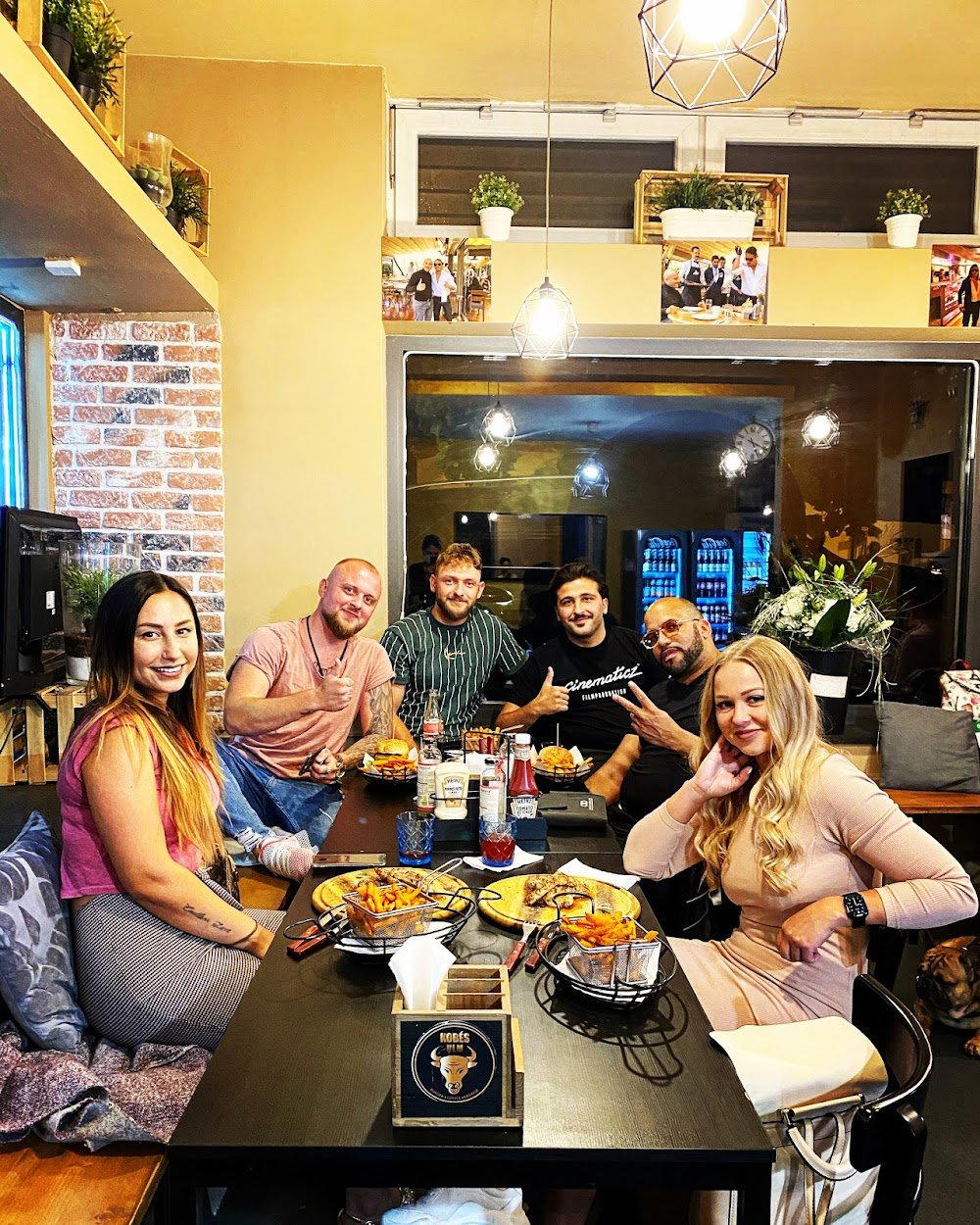
Halal Burgers and Steak in Ulm's Söflingen Quarter
Kapellengasse is a quieter address than Ulm's pedestrian centre, and that distance from the tourist circuit is part of what defines the dining character of the Söflingen district. The restaurants here tend to serve a local, repeat clientele rather than passing trade, and KOBÉS "Burger & Steak" sits within that pattern: a halal-certified burger and steak operation in a neighbourhood where the offer is otherwise dominated by German and Southern European kitchens. For visitors staying in or near the western suburbs, or for Muslim diners in a city where halal-certified options at this format tier remain limited, the address fills a specific and practical gap.
The Halal Meat Supply Question
Ingredient sourcing sits at the centre of what differentiates a halal-certified restaurant from a conventional burger and steak house operating at similar price points. Halal certification imposes constraints on the supply chain that go beyond the kitchen: the animal must be raised, slaughtered, and handled according to Islamic law, and the certification body audits the entire process rather than just the preparation. In Germany, that supply chain has become more organised over the past decade as the halal restaurant sector has grown, but the quality distribution is uneven. Some operators source from large industrial processors whose certification is credible but whose animal welfare standards are modest. Others have moved toward smaller, traceable suppliers whose practices align more closely with the pastoral image that halal connotes.
In Germany's broader halal dining market, the burger format has become the dominant vehicle for premium halal positioning, in part because the quality signals are legible to a wide audience: the cut used for the patty, the fat percentage, the cooking temperature, and the bun-to-beef ratio are all visible and assessable without specialist knowledge. Steak, by contrast, is a harder proposition under halal constraints because dry-aging and some wet-aging processes can complicate certification, and the cuts that perform leading at high heat are not always those easiest to source through halal channels. A restaurant that places both on the same menu is making a claim about supply-chain depth that is worth testing in person.
Where KOBÉS Sits in Ulm's Dining Spread
Ulm's restaurant scene concentrates most of its critical energy in the Fischerviertel and along the Danube-adjacent streets, where kitchens like bi:braud (Contemporary) and Seestern (Modern French) operate at the higher end of local ambition. The mid-market is held by places like 100 Grad Restaurant, while regional Italian traditions are represented by Del Tufo. Hotel dining adds another layer, with Design Hotel Restaurant Löwen Ulm covering visitors who prefer not to leave their accommodation for dinner.
KOBÉS operates outside that geography and outside that critical conversation. Söflingen was absorbed into Ulm administratively but retains a suburban texture, and the Kapellengasse address puts the restaurant in a local-service context rather than a destination-dining one. That is not a disadvantage if the food delivers on its category premise. The halal burger and steak format in Germany has produced some serious operators: the segment has matured enough that expectations around sourcing transparency, cooking precision, and side dish quality have risen alongside it.
German Fine Dining for Contrast
For readers who want to place the KOBÉS format in the wider context of what serious meat cookery looks like at different tiers in Germany, the reference points are instructive. At the apex, kitchens like Aqua in Wolfsburg, JAN in Munich, and Schwarzwaldstube in Baiersbronn treat sourcing as a public commitment, naming farms and regions as part of the menu. CODA Dessert Dining in Berlin reframes the protein question entirely. Further afield, Vendôme in Bergisch Gladbach, ES:SENZ in Grassau, Victor's Fine Dining by Christian Bau in Perl, Waldhotel Sonnora in Dreis, Restaurant Haerlin in Hamburg, and Schanz in Piesport represent the tier where sourcing traceability is table stakes rather than a differentiator. Internationally, Le Bernardin in New York City and Atomix in New York City show what happens when sourcing philosophy becomes the structural spine of an entire tasting format. The casual format at KOBÉS operates at a different register, but the underlying question, where did this animal come from and how was it raised, is the same one serious diners ask at every price point.
KOBÉS sits at Kapellengasse 7 in the Söflingen district of Ulm. Reservations are recommended.
Fast Comparison
Comparable venues nearby, for context on price, style, and recognition.
| Venue | Cuisine | Price | Notes |
|---|---|---|---|
| KOBÉS "Burger & Steak" Restaurant #ulm #halalThis venue — the venue you are viewing | Premium Halal Burgers & Steaks | $$$ | Not listed |
| Design Hotel Restaurant Löwen Ulm | Swabian-International Seasonal Cuisine | $$$ | Söflingen |
| Köz Mangal Ulm | Authentic Turkish Charcoal Grill | $$ | Söflinger Straße |
| SIEDEPUNKT | Creative French with International Influences | $$$$ | Böfingen |
| Del Tufo | Authentic Neapolitan Pizza | $$ | :null |
| KÖFTEM / GEMÜSEKEBAB | Turkish Kebab | $ | Stadtmitte |

At a Glance
- Modern
- Casual
- Cozy
- Casual Hangout
- Group Dining
- Family
- Standalone
- Beer Program
Current opening hours
- Monday
- 4:30–9:30 PM
- Tuesday
- 4:30–9:30 PM
- Wednesday
- 4:30–9:30 PM
- Thursday
- 4:30–9:30 PM
- Friday
- 4:30–9:30 PM
- Saturday
- 12–10 PM
- Sunday
- 12–10 PM
Hours can change for holidays and private events. Last verified .
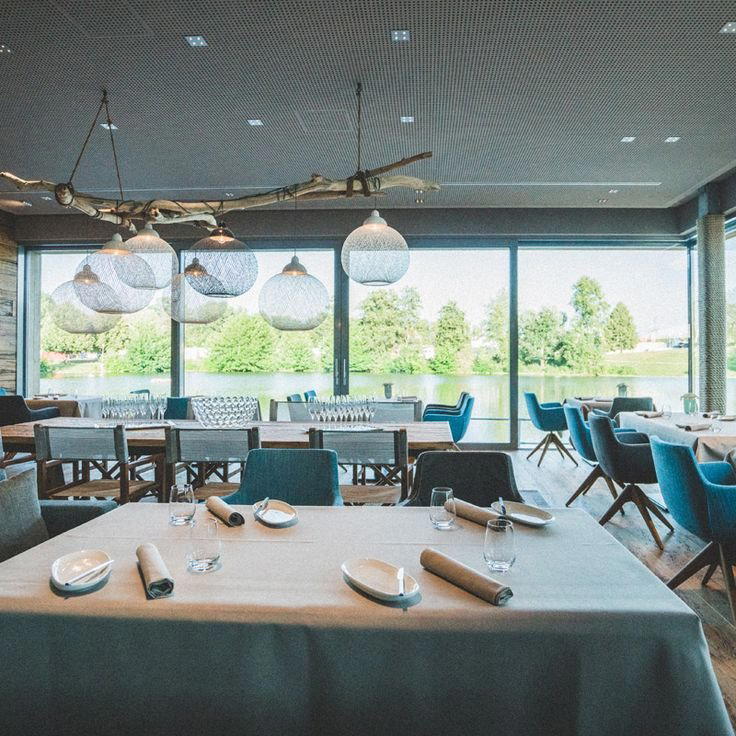
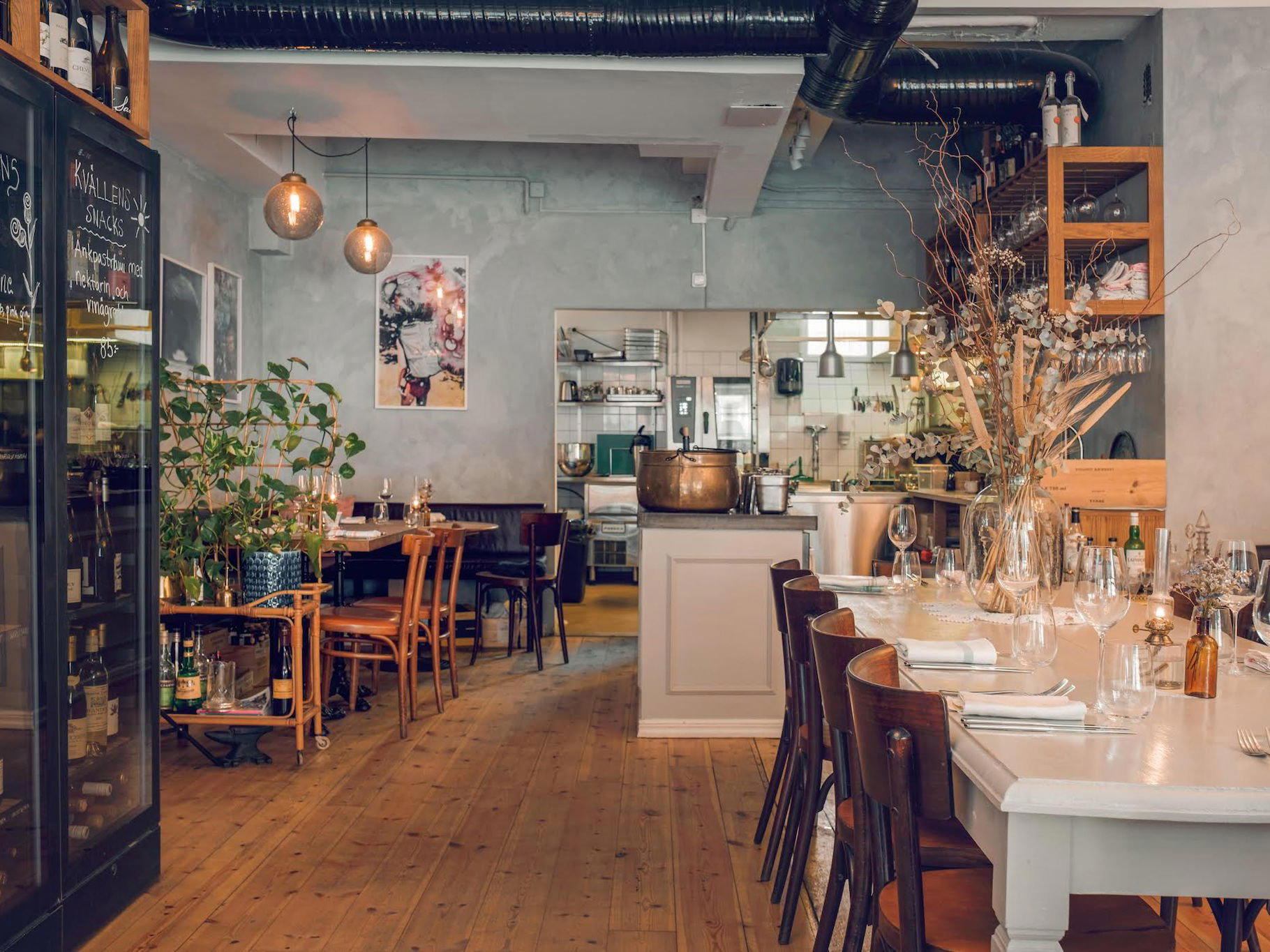
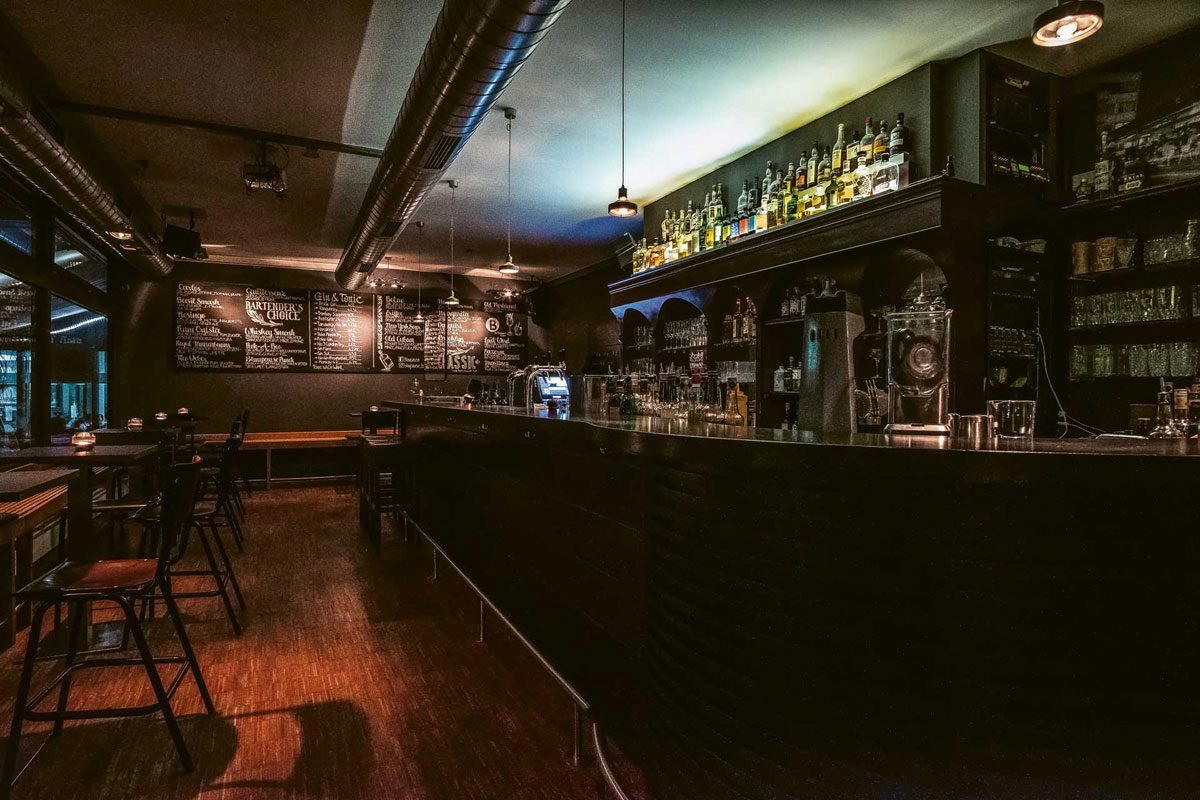
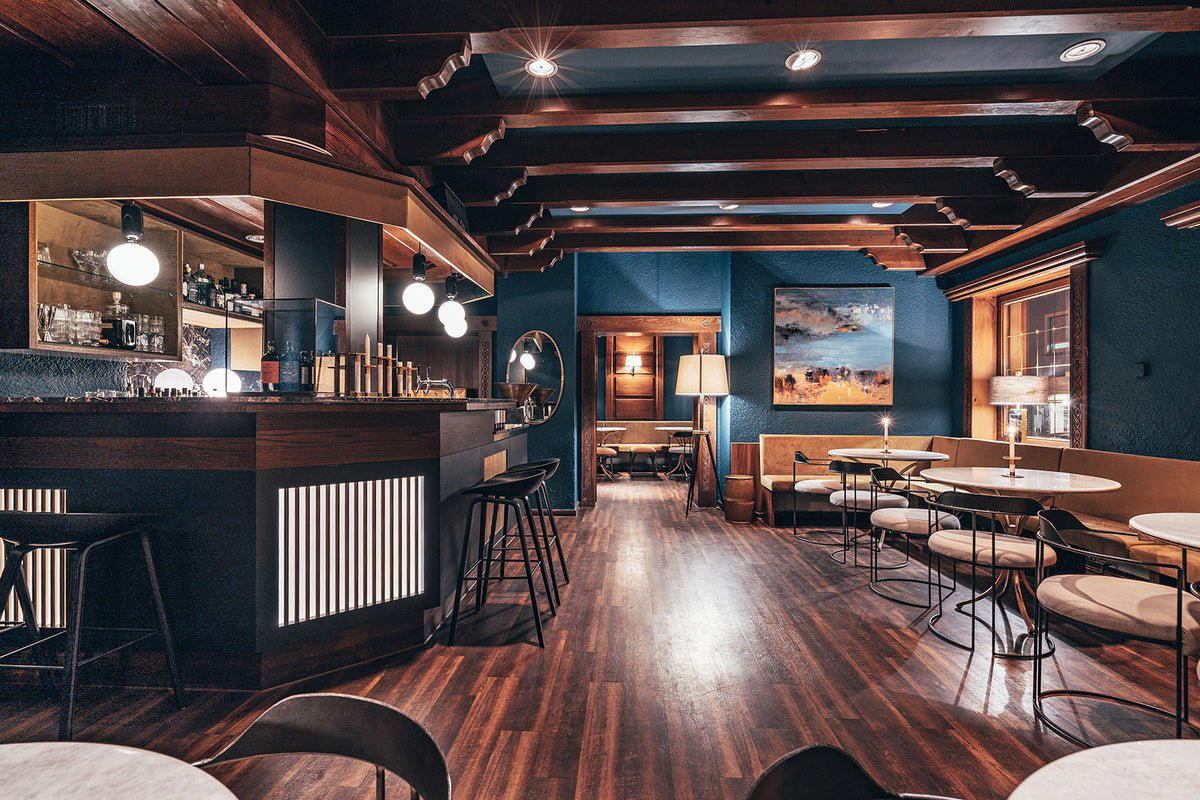
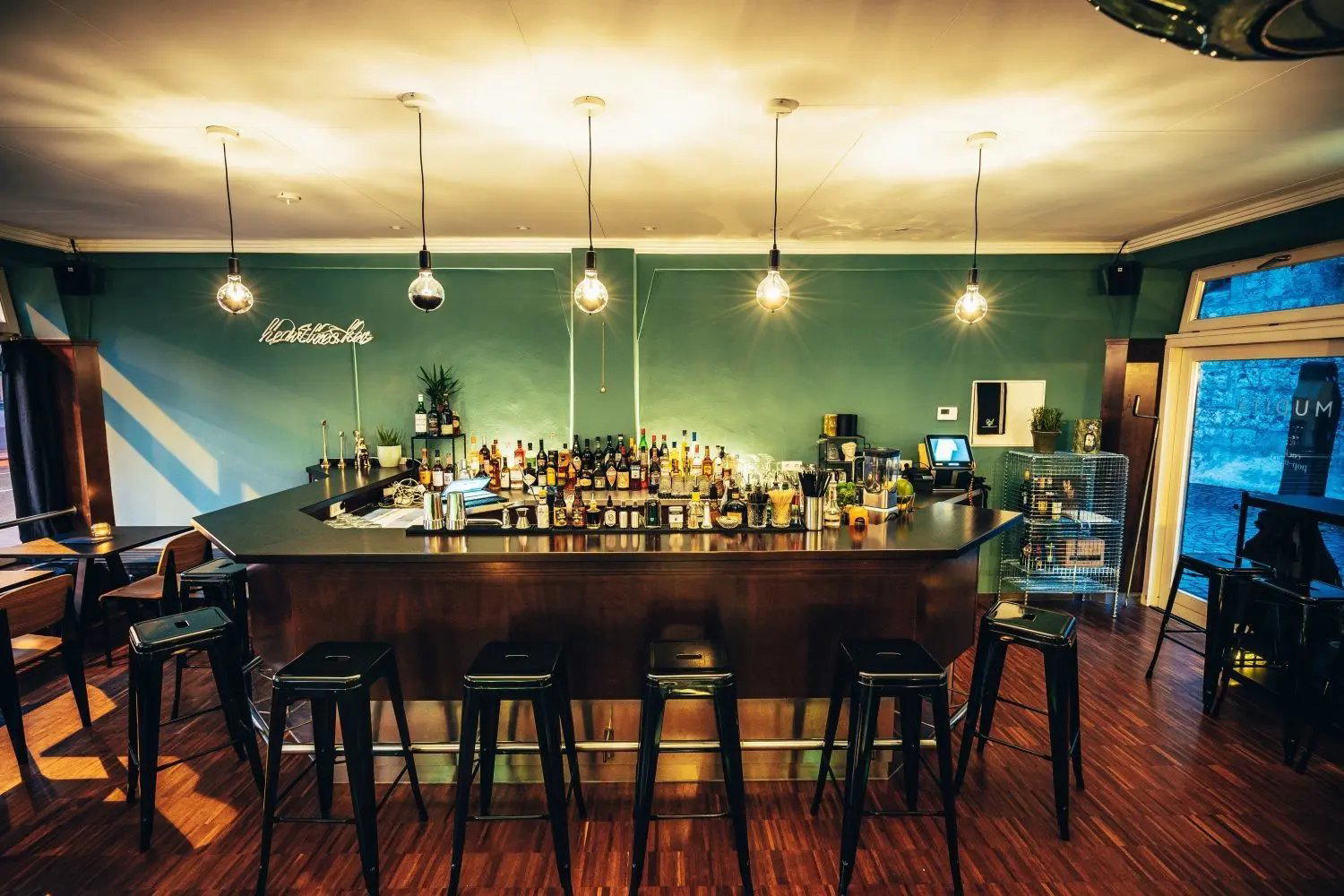
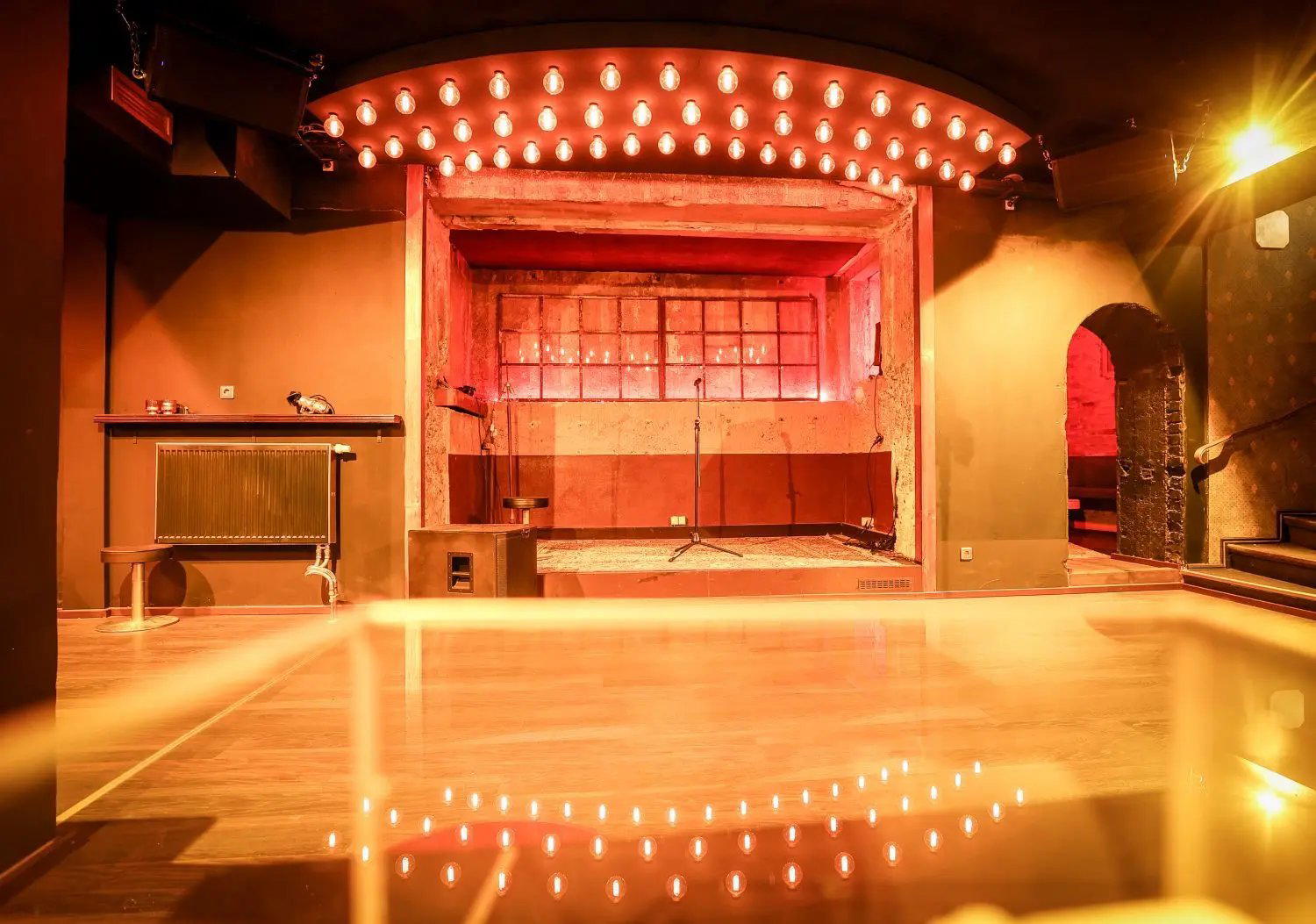
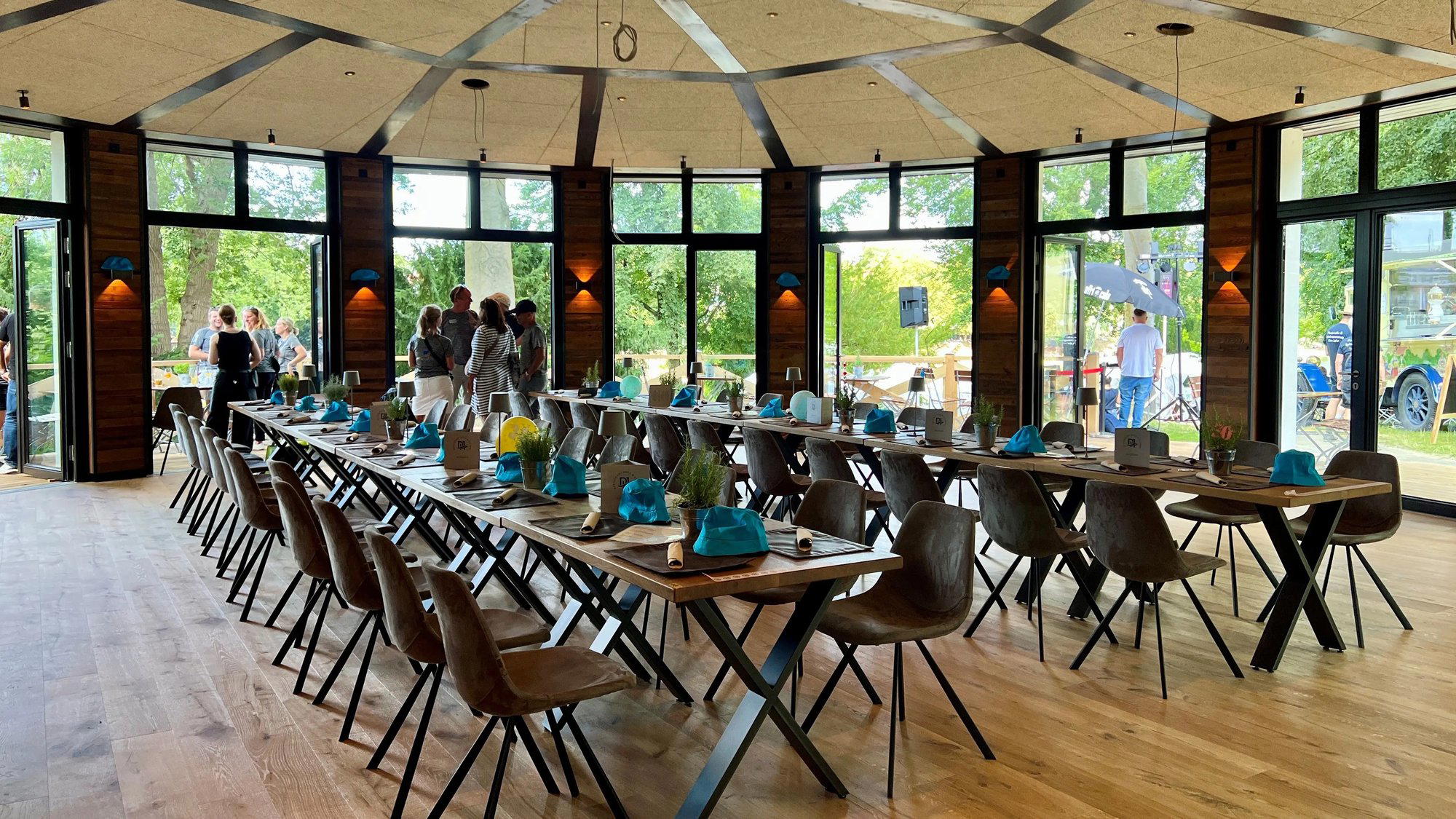
Simple but well-appointed interior with friendly, efficient service; minimalist approach with drinks served in bottles for sustainability.