Kobe Japanese Steakhouse
Kobe Japanese Steakhouse at 13492 US-183 in north Austin sits inside Austin's mid-century teppanyaki tradition, where tableside grilling defines the format rather than merely accents it. The menu architecture centers on the theatrical logic of the hibachi counter, positioning the restaurant within a dining style that treats performance and protein as equal draws for families and groups across the north Austin corridor.
Pearl is the En Primeur Club membership app — saves, bookings, and concierge access live there. Same editors, same standards.
- Address
- 13492 US-183 #380, Austin, TX 78750
- Phone
- +15122887333
- Website
- kobeaustin.com
- Directions
- Get directions
 Saves & bookings on Pearl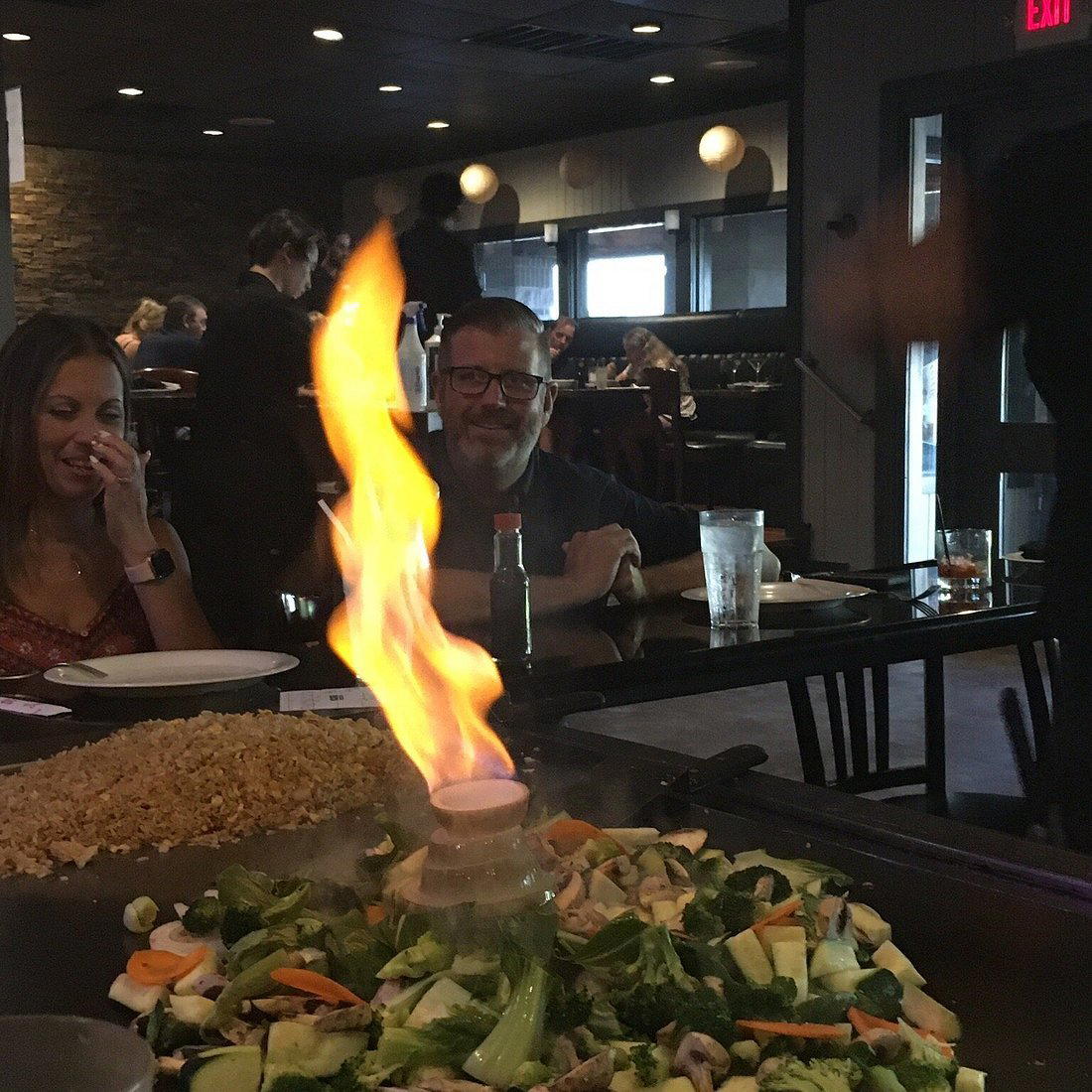
Teppanyaki's Place in Austin's Dining Structure
Kobe Japanese Steakhouse is a teppanyaki Japanese steakhouse in Austin, Texas. What receives less editorial attention is the parallel tradition of Japanese steakhouse dining that has occupied north and northwest Austin for decades, offering a fundamentally different model: communal seating around a flat iron griddle, a fixed sequence of proteins and vegetables, and cooking conducted in full view of the table. Kobe Japanese Steakhouse on US-183 operates inside that tradition, drawing from a format that has its own internal logic and a loyal repeat audience that rarely overlaps with the tasting-menu crowd.
The teppanyaki format itself is worth understanding before walking through the door. Unlike omakase counters such as Craft Omakase, where the chef's sequence controls the pace and the room operates in near-silence, teppanyaki dining is deliberately social and high-energy. Strangers share tables. The chef works the griddle with a rhythm that is part technique and part choreography. Timing is governed by the group, not the kitchen. That structural difference means the experience self-selects for a specific kind of diner and a specific kind of occasion, most often celebrations, family dinners, and group outings where the cooking itself is a shared focal point rather than a background condition.
Menu Architecture and What It Signals
The menu architecture at a Japanese steakhouse follows a template that has remained largely stable across the category for forty years in the United States: soup, salad, a protein selection from a tiered list (typically ranging from chicken through seafood to premium beef cuts), rice, vegetables cooked alongside the protein, and a dessert option. That structure is not accidental. It mirrors the logic of a prix fixe without the prix fixe price point and without the experimental intent, giving diners a complete meal arc rather than requiring them to assemble one from individual dishes.
What the menu architecture reveals is a kitchen philosophy oriented toward execution consistency rather than seasonal variation. Unlike the produce-driven approach at Austin barbecue institutions such as la Barbecue or the pit-management focus at InterStellar BBQ, the teppanyaki menu treats the griddle as a precision tool for replicable results across high-volume covers. The sauces served alongside proteins at most Japanese steakhouses in this tier, typically ginger, yum yum, and a soy-mustard variant, function as flavor anchors that reinforce recognition from visit to visit. Regulars return partly because they know what the meal will taste like, and that predictability is a feature of the format, not a limitation.
Protein tiering on the menu also communicates directly about how the restaurant positions itself within its local price category. Chicken and tofu anchor the lower end, making the format accessible to groups with mixed budgets. Filet mignon and lobster tail at the summit tier signal aspiration without crossing into fine-dining pricing territory. That range is what allows Japanese steakhouses to function as celebration-night destinations for a wide demographic rather than a niche one, which in turn explains their durability as a category even as more specialized Japanese formats have proliferated around them.
North Austin Context and the US-183 Corridor
The US-183 address places Kobe Japanese Steakhouse in the north Austin commercial corridor that runs through the Cedar Park and Round Rock adjacent neighborhoods, an area characterized by strip-mall restaurant clusters that serve a dense suburban residential base. This is not the dining district that draws out-of-town food writers; it is the dining district that feeds a large, family-oriented population that has limited interest in driving into the central city for a weeknight dinner or a birthday celebration. The concentration of Japanese steakhouse concepts in these corridors across American cities is a documented pattern: the format works particularly well in suburban contexts because the group-seating model and the all-in menu structure are well suited to family dining occasions.
For visitors comparing options across the city, the north Austin location is worth factoring in when planning. The central Austin restaurant corridor, where most of the editorial attention is concentrated, sits a meaningful drive south. Diners based in the Domain or north of it will find the US-183 location logistically sensible; those staying downtown will need to calculate whether the drive fits their itinerary. Austin's dining geography has expanded significantly over the past decade, and the northwest quadrant now hosts enough volume to support a full evening's planning without any central-city detour. For broader orientation across the city's neighborhoods and dining categories, the full Austin restaurants guide maps the options by area and format.
Category Position and Peer Comparisons
Within the broader American Japanese steakhouse category, individual locations compete primarily on execution consistency, service warmth, and group-handling capacity. The format's standardization means that differentiation at the summit of the category tends to come from the quality of the beef sourcing, the chef's skill on the griddle, and the speed and attentiveness of floor service during high-volume weekend seatings. These are not the criteria that separate a two-Michelin-star counter from a three-star one in the way they do at restaurants like Le Bernardin in New York City or Alinea in Chicago, but they are the criteria that matter to the audience the format serves.
Across the broader American fine-dining reference set, teppanyaki occupies a different quadrant entirely from experiential tasting counters like Lazy Bear in San Francisco, farm-to-table operations like Blue Hill at Stone Barns in Tarrytown, or the hyper-seasonal luxury of Single Thread Farm in Healdsburg. It also operates in a different register from Michelin-recognized programs at Providence in Los Angeles, Addison in San Diego, The French Laundry in Napa, Atomix in New York City, The Inn at Little Washington, Emeril's in New Orleans, or internationally recognized counters like 8½ Otto e Mezzo Bombana in Hong Kong. Understanding that separation is useful: the Japanese steakhouse format is not competing for the same diner on the same occasion, and assessing it on those terms misreads what it is designed to do.
Planning a Visit
Kobe Japanese Steakhouse sits at 13492 US-183, Suite 380, in the north Austin commercial zone. Group bookings are the format's natural use case, and weekend evenings at concepts in this category typically run at high capacity, so arriving with a plan for the group's size and timing is advisable. The communal table format means solo diners and pairs will share seating with other parties during busy services, which is a feature of the teppanyaki experience rather than a logistical inconvenience to be avoided. Reservations are recommended, especially for larger groups and weekend evenings.
Accolades, Compared
Comparable venues nearby, for context on price, style, and recognition.
| Venue | Cuisine | Price | Notes |
|---|---|---|---|
| Kobe Japanese SteakhouseThis venue — the venue you are viewing | Teppanyaki Japanese Steakhouse | $$ | Not listed |
| Konbini | Japanese-Mexican Fusion Sushi | $$ | Swedish Hill Historic District |
| John Mueller Meat Company | Texas BBQ | $$ | East Austin |
| Juliet Italian Kitchen | Classic Italian Kitchen | $$ | Gateway |
| Nori | Plant-based Japanese Sushi | $$ | University of Texas |
| The Clay Pit | Contemporary Indian Cuisine | $$ | Arts District |
Continue exploring
More in Austin
Restaurants in Austin
Browse all →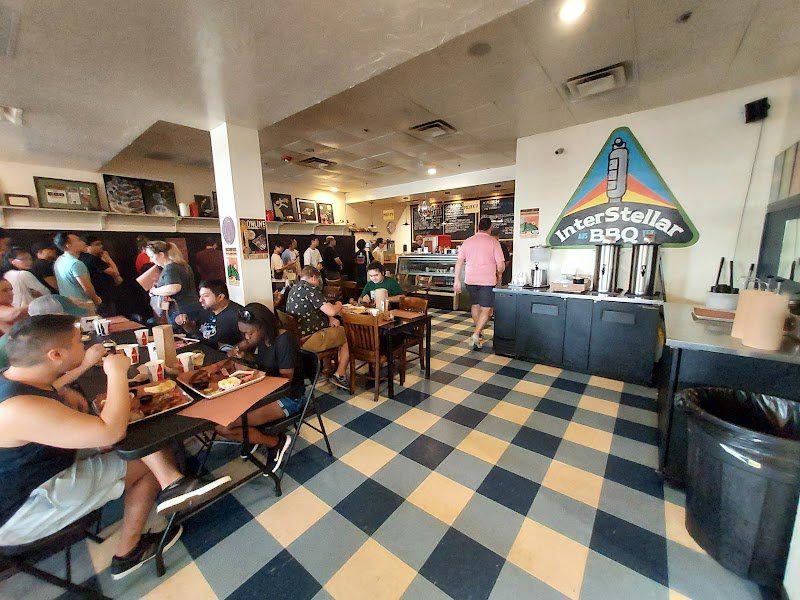
Bars in Austin
Browse all →
Hotels in Austin
Browse all →

At a Glance
- Lively
- Energetic
- Group Dining
- Family
- Celebration
- Open Kitchen
- Sake Program
Current opening hours
- Monday
- 11 AM–9:30 PM
- Tuesday
- 11 AM–9:30 PM
- Wednesday
- 11 AM–9:30 PM
- Thursday
- 11 AM–9:30 PM
- Friday
- 11 AM–10 PM
- Saturday
- 11 AM–10 PM
- Sunday
- 11 AM–9 PM
Hours can change for holidays and private events. Last verified .
Energetic atmosphere centered around lively hibachi grill performances with chefs entertaining guests.