Our verdict
Calinor occupies a quiet address on Capronstraat in the heart of Ypres, a city where history and a serious contemporary dining scene coexist at close quarters. The restaurant sits within a West Flemish culinary tradition that prizes regional sourcing and careful technique, placing it in a tier of Ypres tables worth planning a visit around. For travellers moving through Belgian Flanders, it belongs on the same itinerary as the city's other considered addresses.

Pearl is the En Primeur Club membership app — saves, bookings, and concierge access live there. Same editors, same standards.
Ypres and the Question of Provenance
West Flanders has developed a quiet but consistent argument for ingredient-led cooking over the past decade. The argument is not made loudly — this is not a region that trades in culinary celebrity — but it shows up in the sourcing decisions at a growing number of serious tables between the coast and the Leie valley. The premise is simple: the polders, the North Sea, and the agricultural interior of Belgian Flanders produce ingredients that repay close attention. Kitchens that work with that geography, rather than importing prestige products from elsewhere, tend to produce food that feels more specific and more honest. Calinor, at Capronstraat 28 in Ypres, operates inside that tradition.
Ypres itself is a city that has had to rebuild its identity more than once. The medieval cloth hall reconstructed from near-total ruin, the weekly markets that have continued regardless, the slow accumulation of a present-day civic life layered over one of the most documented tragedies in European history, all of this gives the city a particular texture. Its restaurant scene reflects that layered character: unpretentious on the surface, considered underneath. Calinor sits on Capronstraat, a street that keeps a low profile relative to the main tourist circuit around the Grote Markt, which is precisely where you would expect to find a kitchen more interested in what it is cooking than in who is walking past.
The Ingredient Logic of West Flemish Cooking
The broader West Flemish kitchen has always been closer to its raw materials than most Belgian regional traditions. Proximity to the coast means fish and shellfish are not luxury imports but daily staples, subject to the same scrutiny as any other perishable. The agricultural hinterland, grey shrimp from the Flemish coast, white asparagus from the Mechelen and Leuven belt in season, chicory that is a genuinely Flemish contribution to European gastronomy, gives kitchens in this region a seasonal calendar that is both specific and demanding. Working within it requires discipline: the ingredient sets the agenda, not the other way around.
This sourcing logic connects Calinor to a wider pattern visible across serious Flemish tables. At Boury in Roeselare, regional provenance is treated as a structural principle rather than a marketing footnote. Willem Hiele in Oudenburg has built an entire identity around the interface between the Flemish coast and its kitchen. Further afield, Hof van Cleve in Kruishoutem represents the end-point of what that sourcing discipline can produce at the highest formal level. Calinor operates in the same cultural register, in a city that until recently was better known internationally for its war memorials than its dining rooms.
The Scene in Ypres
The contemporary dining scene in Ypres is smaller than those in Ghent or Bruges but denser with intention than its size might suggest. A cluster of addresses on and around Capronstraat and the streets connecting it to the old city centre have quietly raised the baseline for what a meal in this city can involve. Klaver, Klei, and VEST each represent a distinct approach to the same question, how do you cook seriously in a mid-sized Flemish city without the infrastructure of a major urban dining market? The answer, consistently, involves leaning into what the region produces rather than compensating for what it lacks.
Calinor fits that pattern. It does not have the institutional weight of a Brussels table like Bozar Restaurant, or the profile of an Antwerp address like Zilte. What it has is the specificity that comes from cooking in a place with a defined identity, for a local audience that has developed real expectations. That is a different kind of pressure, and it tends to produce more grounded food. For a fuller picture of what serious eating looks like across the city, our full Ypres restaurants guide maps the relevant addresses and explains the neighbourhood logic that connects them.
Atmosphere and What to Expect
The approach to Capronstraat from the Grote Markt takes you through a part of Ypres that functions as a working residential and commercial street rather than a curated visitor zone. The shift in register is noticeable and, for a certain kind of diner, reassuring. Calinor's address places it in this transitional zone, where the formal reconstruction of the city centre gives way to something less composed and more lived-in.
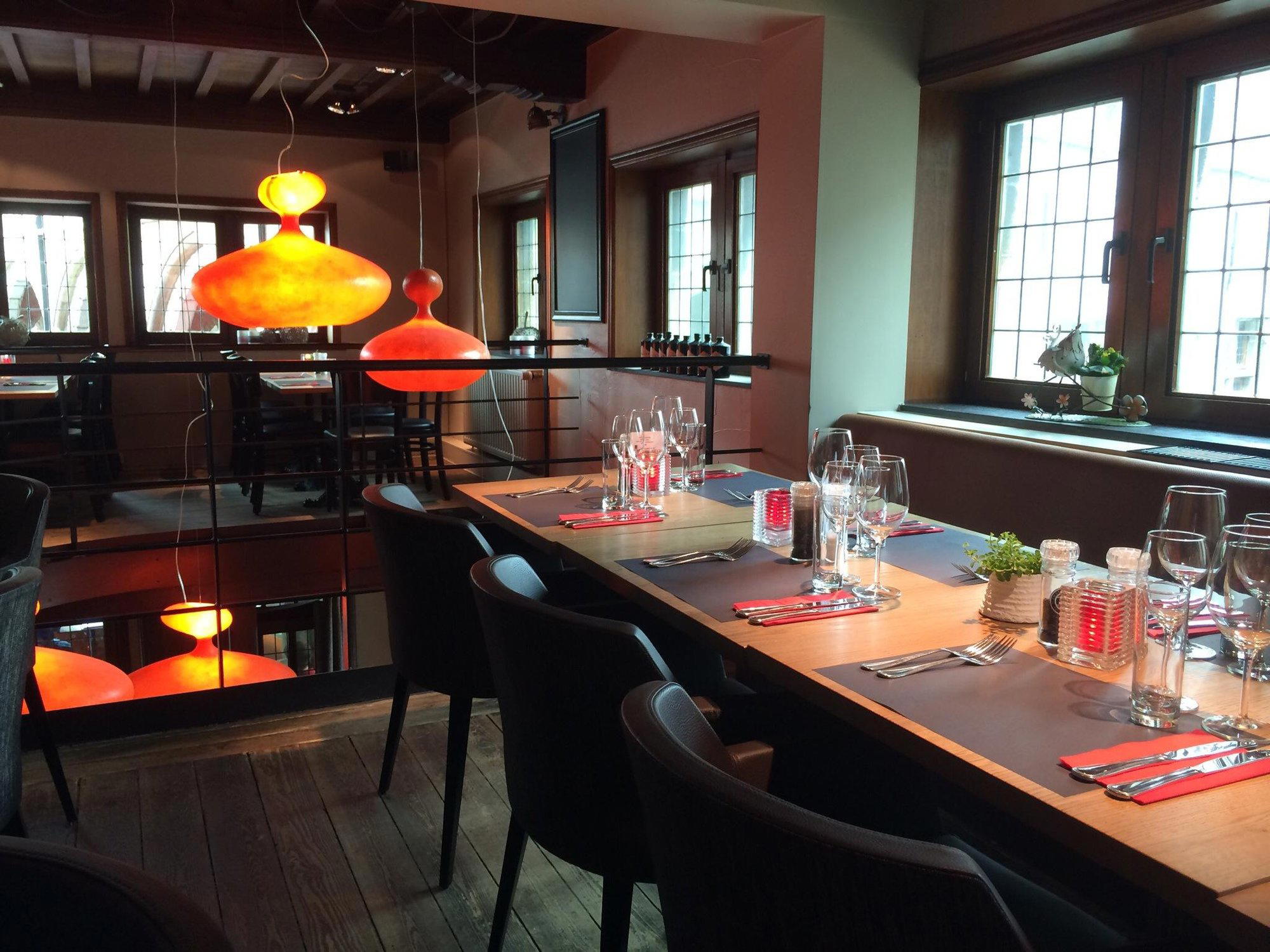
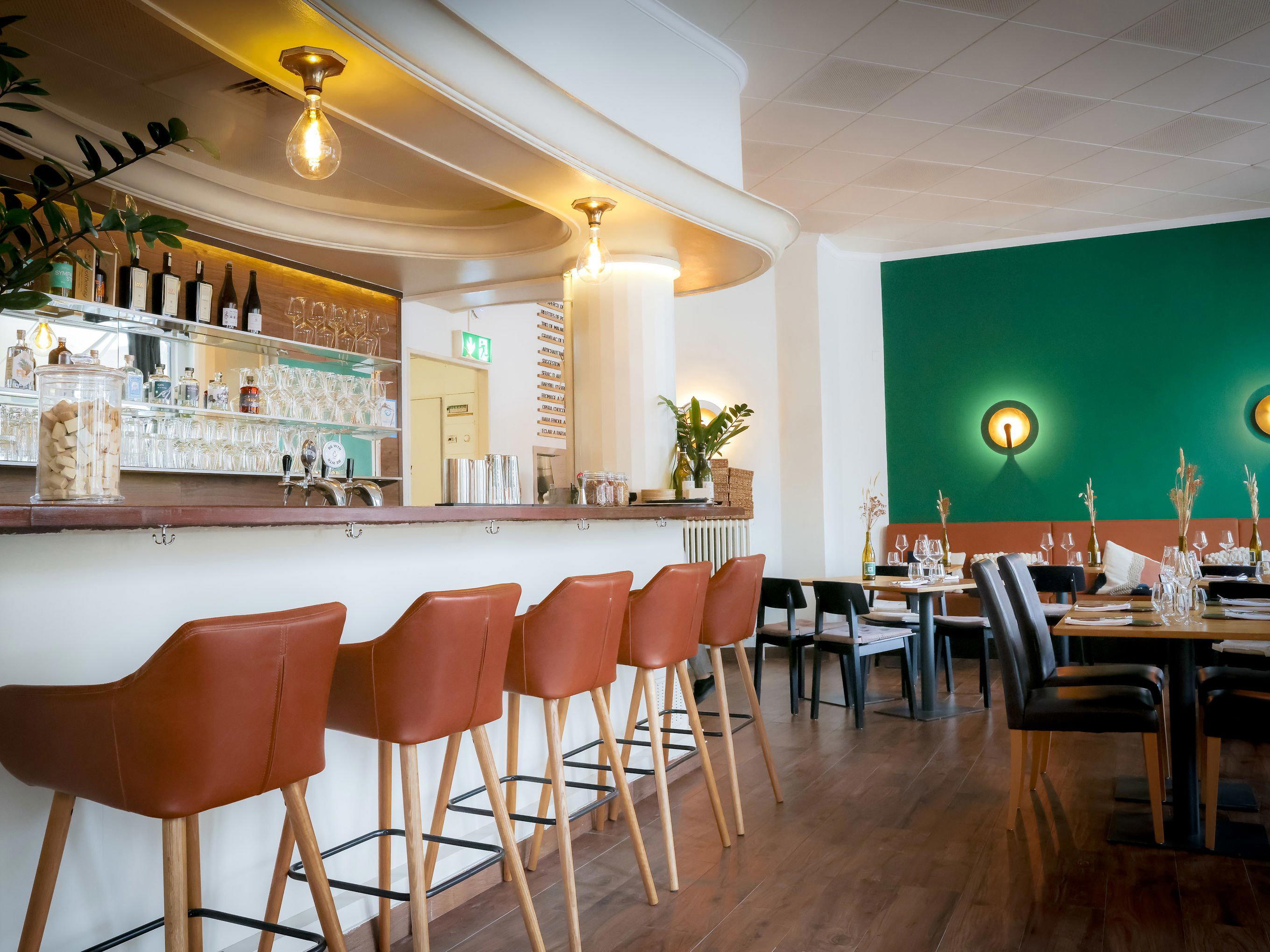
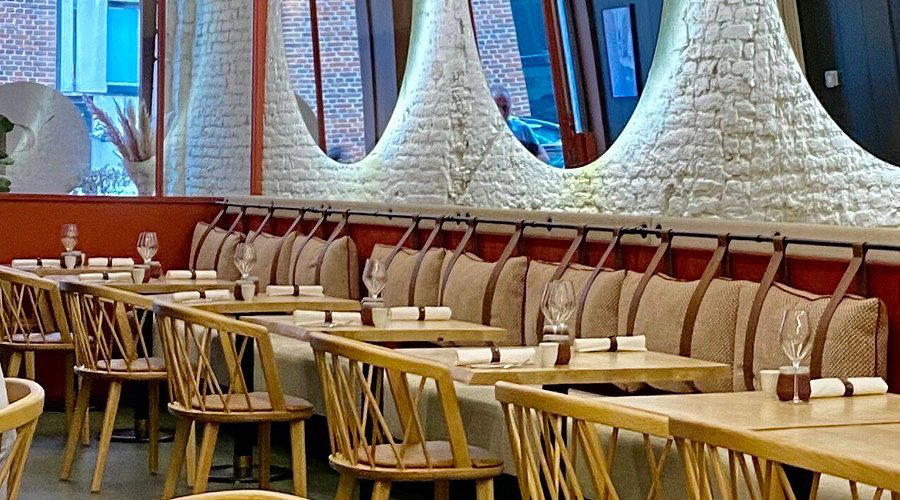
Inside, the atmosphere at Ypres tables of this type tends toward the quietly formal: attentive service without ceremony, a room that takes its food seriously without requiring guests to perform seriousness back. The comparable rooms at addresses like Vrijmoed in Gent or La Durée in Izegem operate in the same register, considered without being stiff, convivial without sliding into informality. It is a tone that Belgian Flanders does particularly well, and one that suits ingredient-led cooking, which requires attention rather than theatrics.
Planning a Visit
Ypres is most directly reached by train from Brussels (approximately two hours, with a change at Kortrijk) or by road from the E403 connecting Kortrijk to the coast. The city sees substantial visitor traffic concentrated around the Menin Gate and the In Flanders Fields Museum, particularly in summer and around major commemorative dates; the Grote Markt area can be congested during these periods, though Capronstraat sits at a useful remove from the main visitor flow. Booking ahead at Calinor is advisable, as the better Ypres addresses do not carry large seat counts and the local demand is real. There is no publicly listed phone or website for Calinor at the time of writing, so initial contact is leading made in person or through the city's tourism infrastructure.
Visitors exploring the broader Belgian fine dining circuit will find useful reference points in De Jonkman in Sint-Kruis, Ralf Berendsen in Neerharen, and d'Eugénie à Emilie in Baudour, each representing a distinct regional expression of the same underlying seriousness about ingredients and technique that defines the better Flemish tables. For those comparing formats across a wider geographic range, Cuchara in Lommel and Le Chalet de la Forêt in Uccle each occupy analogous positions in their respective cities. Internationally, the ingredient-sourcing discipline visible at Calinor and its Flemish peers has parallels in the way kitchens like Le Bernardin in New York City and Lazy Bear in San Francisco have made provenance a structural rather than decorative part of their cooking.
Frequently asked questions
Is Calinor child-friendly?
Calinor sits on Capronstraat 28 in Ypres, a working residential and commercial street that sets a calm, considered tone rather than a lively family atmosphere. The restaurant's focus on ingredient-led cooking is consistent with a serious dining register, which tends to suit older children or teenagers comfortable with a quieter room. Families with young children may find the pace and format a better fit for lunch than dinner.
What should I expect atmosphere-wise at Calinor?
Calinor occupies Capronstraat 28, a street that connects the Grote Markt with a quieter residential part of Ypres, which shapes the room's register: low-key, local, and focused. The dining scene in Ypres is smaller than Ghent or Bruges but dense with intention, and Calinor reflects that — it is a place where the cooking draws attention rather than the décor or theatre. Expect a composed, unhurried environment suited to conversation and considered eating.
Is Calinor worth visiting as a standalone reason to travel to Ypres?
Ypres already draws visitors for its history and the In Flanders Fields Museum, but Calinor at Capronstraat 28 adds a dining argument to that itinerary. West Flanders has built a quiet but consistent case for ingredient-led regional cooking over the past decade, and Calinor is part of a cluster of Ypres addresses doing that with more ambition than the city's size might suggest. For travellers already moving through West Flanders, it is a logical anchor for an evening in the city.
What do people recommend at Calinor?
Diners drawn to ingredient-led cooking in this part of Belgium consistently point to restrained preparations that foreground the produce itself rather than elaborate technique. Checking current offerings directly with Calinor at Capronstraat 28, Ypres, is the most reliable approach before your visit.
Where is Calinor located?
Calinor is located at Capronstraat 28, 8900 Ieper, Belgium, Ypres.
A Quick Peer Check
Continue exploring
More in Ypres
Restaurants in Ypres
All restaurants in Ypres →
Bars in Ypres
Browse all →
Hotels in Ypres
All hotels in Ypres →
Wineries in Ypres
Browse all →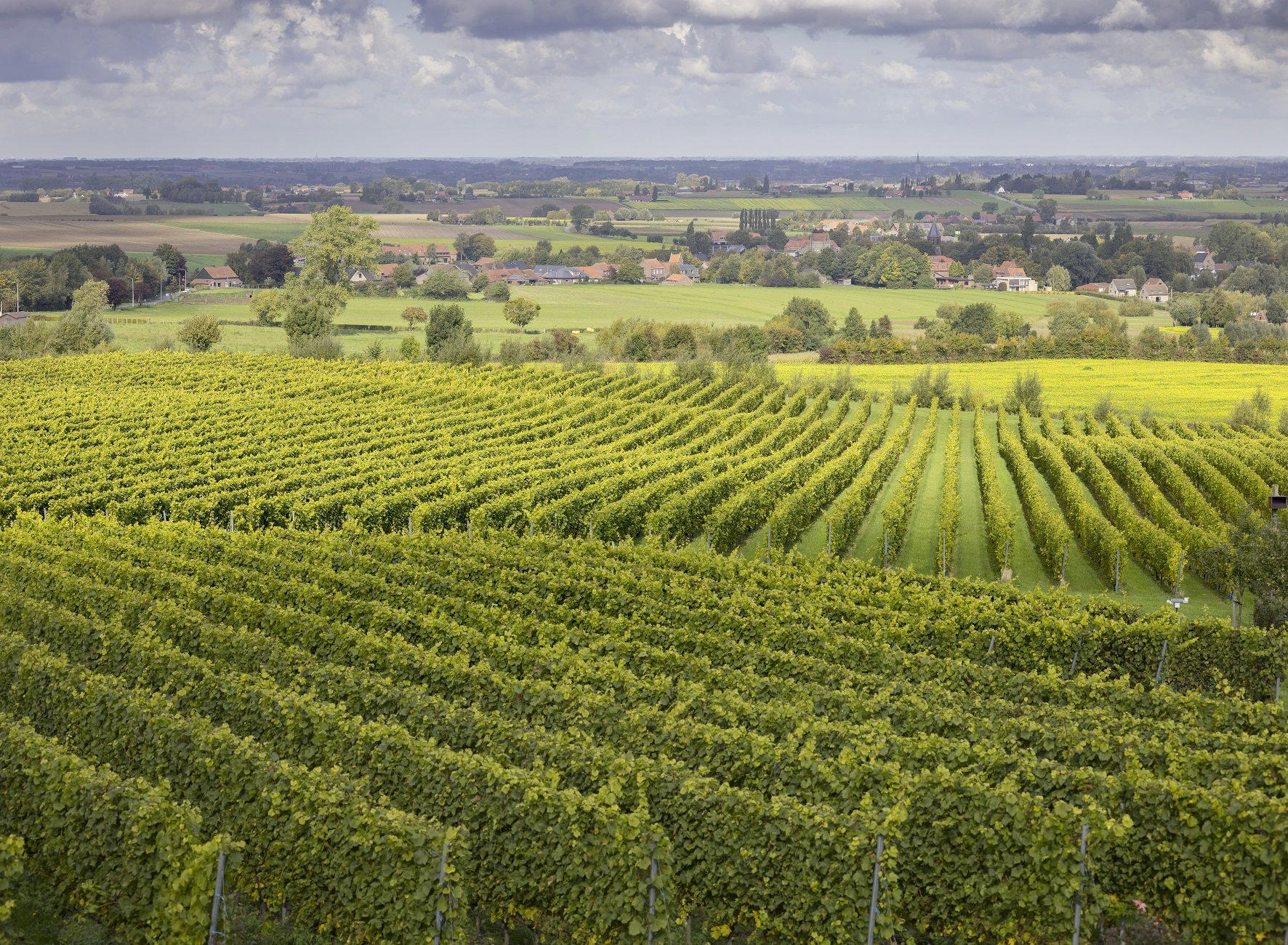
Details
- Quiet
- Elegant
- Cozy
- Casual Hangout
- Solo
- Standalone
- Organic
- A La Carte
Current opening hours
- Monday
- 1:30–6:30 PM
- Tuesday
- 9 AM–12 PM, 1:30–6:30 PM
- Wednesday
- 9 AM–12 PM, 1:30–6:30 PM
- Thursday
- 9 AM–12 PM, 1:30–6:30 PM
- Friday
- 9 AM–12 PM, 1:30–6:30 PM
- Saturday
- 9 AM–12 PM, 1:30–6 PM
- Sunday
- Closed
Hours can change for holidays and private events. Last verified .
Intimate, quiet setting with a focus on artisanal craftsmanship and contemporary chocolate creations.