
Tabelog 100 #74
Our verdict
Kitaya places Tokyo wagashi in a neighbourhood register: small-format, takeaway-led, and priced below the city’s luxury dining conversation. Its Tabelog 100 selection for Tokyo Japanese traditional sweets and sweets cafés in 2023 gives it a clear signal inside a category where reputation often travels by station-area habit rather than international awards.

Pearl is the En Primeur Club membership app, where members save venues, book tables and use the concierge.
The menu
What to order
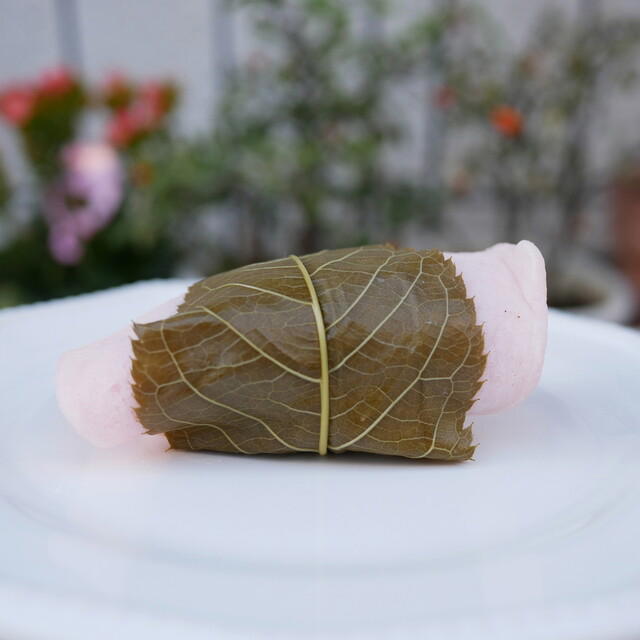
- Daifuku (red bean paste rice cake)
- Kashiwa mochi
Approaching a Tokyo wagashi shop follows a different rhythm from entering a dining room: no tasting-menu preamble, counter theatre, or sommelier choreography. The exchange is brief, exact, and local: a box for the train home, a rice-flour sweet for a family table, a seasonal gift chosen with care rather than ceremony. In Tokyo, that quieter culture matters. The city’s food character is built as much on bakeries, kissaten, curry shops, and specialist counters as on formal dining.
Kitaya belongs to Tokyo’s tradition of purpose-built confectionery, not destination dining. Its category, Japanese traditional sweets and daifuku, signals how to read it: not as a café for courses, but as a sweets specialist in the city’s daily gift-and-snack economy. Its 2023 Tabelog Hyakumeiten recognition gives the shop a useful credential in a field where Michelin-style language rarely fits. Wagashi reputation is granular, with regulars tracking texture, freshness, and seasonal rotation more than room design.
Wagashi in Tokyo has moved from ceremony to everyday precision
Tokyo’s high-end image is often sushi, kappo, tempura, and French-influenced tasting menus, but wagashi works on another scale. Judgment is smaller and harsher. One daifuku can carry the argument: rice texture, bean-paste balance, temperature, and how quickly it should be eaten after purchase. A luxury restaurant can pace a meal across hours; a confectionery shop has one or two bites to justify a return.
Tokyo wagashi has not broken with the past; it has compressed older habits into contemporary urban life. Department-store counters turn sweets into polished gift commodities, while neighbourhood specialists preserve the direct transaction: choose, pay, carry away. Kitaya sits within that everyday sweets culture. Its format keeps focus on product and domestic use, how much of wagashi has always functioned in the city. The listed price band, - JPY 999 - JPY 999, separates it from luxury dessert counters and plated sweets menus. It is a low-ticket purchase with high standards, explaining how small shops build loyalty without behaving like restaurants.
Against Tokyo dining peers on the EP Club map, the contrast is sharp. Sushi Marufuku works in a higher-spend, reservation-led register, while casual specialists such as Isshin Niyou, Ooiwa Shokudo, or Rahi Punjabi Kitchen sit in meal categories where lunch and dinner budgets shape the decision. Wagashi asks another question: what is worth crossing Tokyo for when the purchase may last minutes? That is why Tabelog Hyakumeiten recognition matters. It places a shop in a citywide sweets conversation, not merely on its block.
Tokyo rewards small specialists over spectacle
Tokyo suits this kind of address. It is a city where a deliberate detour for a narrow specialty can make as much sense as a long reservation. Its dining personality is not only a luxury corridor but a patchwork of compact specialists, independent cafés, curry counters, old drinking places, and shops expecting repeat local trade. A wagashi shop fits because it need not dominate an evening; it can attach to a walk, a visit, or a train-platform decision.
Tokyo sweets culture has absorbed convenience-store quality, department-store polish, and social-media dessert novelty without losing its older grammar. Daifuku, yokan, dorayaki, and namagashi do not need reinvention for its own sake. Their relevance depends on execution and context. Shops that remain compelling either present wagashi as refined gift objects or keep it close to daily life with consistency strong enough to travel beyond the immediate area. Kitaya’s 2023 Tabelog Hyakumeiten recognition suggests that kind of local format with wider visibility.
For travellers, Kitaya corrects the idea that Tokyo food value sits only at the extremes. The city can be punishingly expensive at the high end, yet many defining experiences are modest, fast, and category-specific. A sweet in the listed - JPY 999 - JPY 999 band can carry as much cultural information as a long lunch if you know what to watch: proportion, shelf life, and occasion. Wagashi is bought for now, later, or someone else, and those uses shape the craft.
How to place it within a Tokyo food day
Kitaya is best treated as a specialist stop, not a standalone meal plan. Pair it with Tokyo’s wider food scene rather than building an itinerary around it alone. Its practical appeal is compactness: a short purchase, clear category, and price point leaving room for lunch or dinner elsewhere. It sits apart from Tokyo restaurants where reservations, seating time, and course length control the day.
Readers mapping a broader Tokyo trip should separate categories rather than flatten them into one ranking. For restaurant planning, Our full Tokyo restaurants guide gives the wider city frame, while Our full Tokyo hotels guide, Our full Tokyo bars guide, Our full Tokyo wineries guide, and Our full Tokyo experiences guide cover the other parts of a serious itinerary. Within the restaurant map, category contrast is useful: other Tokyo dining rooms show how the city turns a narrow format into a reason to cross town.
That category thinking helps beyond Tokyo. A traveller comparing Japanese food culture across cities might place Kitaya’s wagashi logic beside other specialist shops and dining rooms across Japan. Overseas, the Japanese casual-specialist thread appears differently in other cities. The lesson is restraint: a small format can say more about a food culture than a broad menu trying to cover everything.
The editorial case for Kitaya is not scale, luxury, or spectacle. It is the persistence of a Tokyo sweets tradition adapted to contemporary habits without abandoning compact form. In a city where attention follows reservations and tasting menus, Kitaya reminds us that serious eating can be quick, local, and wrapped to go.
Style and Standing
Comparable venues at a glance for context.
| Venue | Cuisine | Price | Awards | Notes |
|---|---|---|---|---|
| KitayaThis venue (the venue you are viewing) | Traditional Japanese sweets (wagashi) & daifuku take-out | $1–10 | Tabelog 100 #74 | Not listed |
| Arry 8Bites | Japanese Small Bites | Not listed | Not listed | Tokyo |
| Golden time | Award-winning ramen & brothless tantanmen | $10–20 | Tabelog 100 #1 | Nerima |
| Niboshi Soba Ru. | Niboshi-focused Ramen Shop | $10–20 | Tabelog 100 #95 | Kita |
| Asada Ya | Traditional Japanese wagashi & daifuku shop | $1–10 | Tabelog 100 #75 | Minato |
| TOUJOURS DEBUTER | Traditional Japanese kissaten cafe | $10–20 | Tabelog 100 | Shinagawa |
Recognition history
Dated appearances from independent guides and award organizations, with the underlying list record or original source where available.
Tabelog 100 #74 · No. 74
Tabelog · Tabelog 100 - Japanese traditional sweets / Japanese sweets cafe - TOKYO - 2023
Continue exploring
More in Tokyo
Restaurants in Tokyo
All restaurants in Tokyo →



Bars in Tokyo
All bars in Tokyo →






Details
- Classic
- Cozy
- Family
- Solo
- Casual Hangout
- After Work
- Standalone
- Street Scene
- A La Carte
A tiny, take-out-only traditional wagashi shop with a simple, classic storefront and neatly arranged sweets, focused on efficient service rather than lingering, with a calm neighborhood feel near Nishi-Ogikubo Station.