
Tabelog 100 #72
Our verdict
Kitashinchi Tentomi places Osaka tempura inside the compact, high-attention dining culture of Kitashinchi rather than the city’s louder street-food shorthand. Recognition in Tabelog’s Tempura 100 for 2025 and a 13-seat room point to a small-format counter-and-room experience where planning matters as much as appetite.

Pearl is the En Primeur Club membership app, where members save venues, book tables and use the concierge.
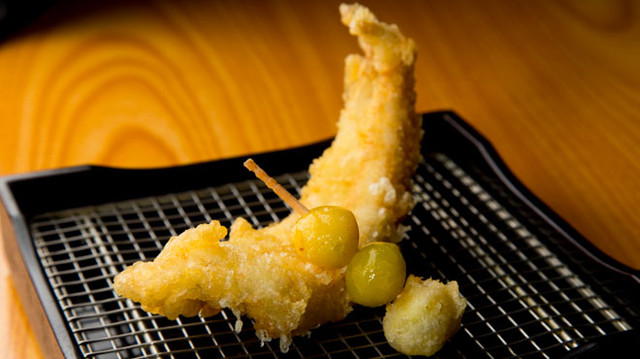
After dark, Osaka changes character: office towers empty, restaurant entrances brighten, and dining plans become a map of meals built for serious spending and careful pacing. Tempura suits that setting. It is a cuisine of timing, oil control, and sequence, where the meal depends less on spectacle than on how quickly each piece moves from fryer to guest. Kitashinchi Tentomi belongs to Osaka’s quieter register, away from takoyaki-and-neon shorthand and closer to reservation-led dinners and precise service.
Osaka’s premium dining conversation often starts with sushi, kappo, and beef, but tempura occupies a useful middle ground: Japanese technique, seasonal sensibility, and a format that rewards focus. In Osaka, that matters. A tempura meal can be built not for drift-in traffic but for guests who understand that the category loses force when timing is treated casually. Direct, closely paced service is often the clearest expression of the genre, because tempura is live-cooking cuisine before it is plated cuisine.
Tempura in Osaka is about timing, not theatre
The serious tempura meal has a different rhythm from much Osaka dining. Kushikatsu depends on convivial repetition; okonomiyaki on the griddle’s social centre; tempura on intervals measured in seconds. The appeal is technical but not cold: batter thickness, oil temperature, draining, and serving order create the experience, while a focused setting helps keep those variables controlled. That is why tempura specialists still carry weight in Japanese restaurant culture: the format itself is a trust signal.
Recognition in Tabelog’s Tempura 100 for 2025 places Kitashinchi Tentomi in a national conversation around the category, not just a local recommendation. Tabelog’s restaurant score is 3.60, which reads differently in Japan than on many Western platforms; scores above the mid-threes can indicate sustained local approval, especially in specialist categories where repeat diners are exacting.
For travellers comparing Osaka meals across the day, ten-don gives tempura a more direct rice-bowl expression, while a tempura dinner emphasizes sequence and pacing. The difference is not simply price or formality; it is how much attention the diner wants to give the fryer.
A focused meal suits a city that rewards planning
Osaka’s dining culture rewards advance decisions. The city’s premium restaurant scene can feel socially distinct from shopping-mall basements and station-counter circuits. Restaurants in this register tend to be more appointment-driven than the city’s open-ended casual addresses. That does not make the experience stiff; it makes it selective. The useful question is not whether a place feels formal, but whether the format justifies planning a meal around it.
On that measure, focus is the point. A tempura meal creates different pressure from a broader dining format: timing matters, the sequence matters, and the difference between a casual bite and a planned dinner becomes clear. For Osaka travellers placing a tempura dinner among ramen counters, department-store sushi, and late-night izakaya, this is the grown-up end of the schedule.
The comparison set around Osaka shows how intent can diverge. WINE Shokudo Ono, LIBRO VERDE, Oban, Ono, and Tada point to the range of choices a diner may weigh when planning a serious meal in the city. Against that range, Kitashinchi Tentomi reads as a specialist tempura choice rather than a broad luxury dining address. The distinction is useful: the appeal is category focus, not maximalist dining-room ambition.
How to fit it into an Osaka food itinerary
Osaka can tempt travellers into stacking too many meals by reputation alone. A sharper plan separates formats: one focused meal, one casual local staple, one bar night, and one daytime stop. Tempura deserves the focused-meal slot when the itinerary needs quiet precision rather than another high-energy room. For broader city planning, see the full Osaka experiences guide.
Osaka’s eating map should not be reduced to one genre. A morning or afternoon can move toward something casual, while a city classic explains another Osaka appetite entirely. For diners building contrast into a longer stay, other formats show how varied cooking can sit beside Japanese specialist dining in the city.
The same logic applies beyond Osaka. Japan’s strongest meals often come from tight categories rather than catch-all ambition: beef, seafood, charcoal cooking, regional cooking, curry specialization, and minimalist cooking can each make sense when the format is focused. Even outside Japan, focused formats make the same argument: specificity usually beats breadth.
Kitashinchi Tentomi is right when an Osaka itinerary needs a tempura meal with award-list recognition and a format that protects timing. It is less suited to spontaneous group dining or anyone seeking a broad, all-purpose restaurant. Treat it as a planned specialist stop in Osaka, and the value becomes clearer: not a grand statement about Osaka cuisine, but a disciplined example of how the city handles technique when the margin for error is narrow.
Frequently asked questions
What price level is Kitashinchi Tentomi?
Pricing at Kitashinchi Tentomi is listed as Dinner: JPY 15,000 - JPY 19,999; Lunch: JPY 2,000 - JPY 2,999.
What recognition has Kitashinchi Tentomi received?
The clearest signal is its selection for Tabelog Tempura "Tabelog 100" in 2025. It is listed in the tempura, ten-don, and seafood categories, with a Tabelog score of 3.60.
Cuisine Lens
Comparable venues to anchor price and recognition.
| Venue | Cuisine | Price | Awards | Notes |
|---|---|---|---|---|
| Kitashinchi TentomiThis venue (the venue you are viewing) | Seasonal Tempura Omakase | $100–150 | Tabelog 100 #72 | Not listed |
| San Bettei Kitashinchi ten | Okinawan Shabu-Shabu & Sukiyaki | $50–100 | Tabelog 100 #67 | Kita |
| CHIKICHIKI Tenma ten | Yakitori | $50–100 | Tabelog 100 #37 | Kita |
| Nagahori | Michelin-starred Japanese Izakaya Omakase | $50–100 | Tabelog 100 #20 | Chūō |
| Nankai Grill Higashi ten | Teppanyaki Steakhouse | Not listed | Tabelog 100 #5 | Sakai |
| Yakiniku Horumon Uchida | Yakiniku & Horumon (Japanese BBQ) | $30–50 | Tabelog 100 #8 | Kita |
Recognition history
Dated appearances from independent guides and award organizations, with the underlying list record or original source where available.
Tabelog 100 #72 · No. 72
Tabelog · Tabelog 100 - Tempura - 2025
Continue exploring
More in Osaka
Restaurants in Osaka
All restaurants in Osaka →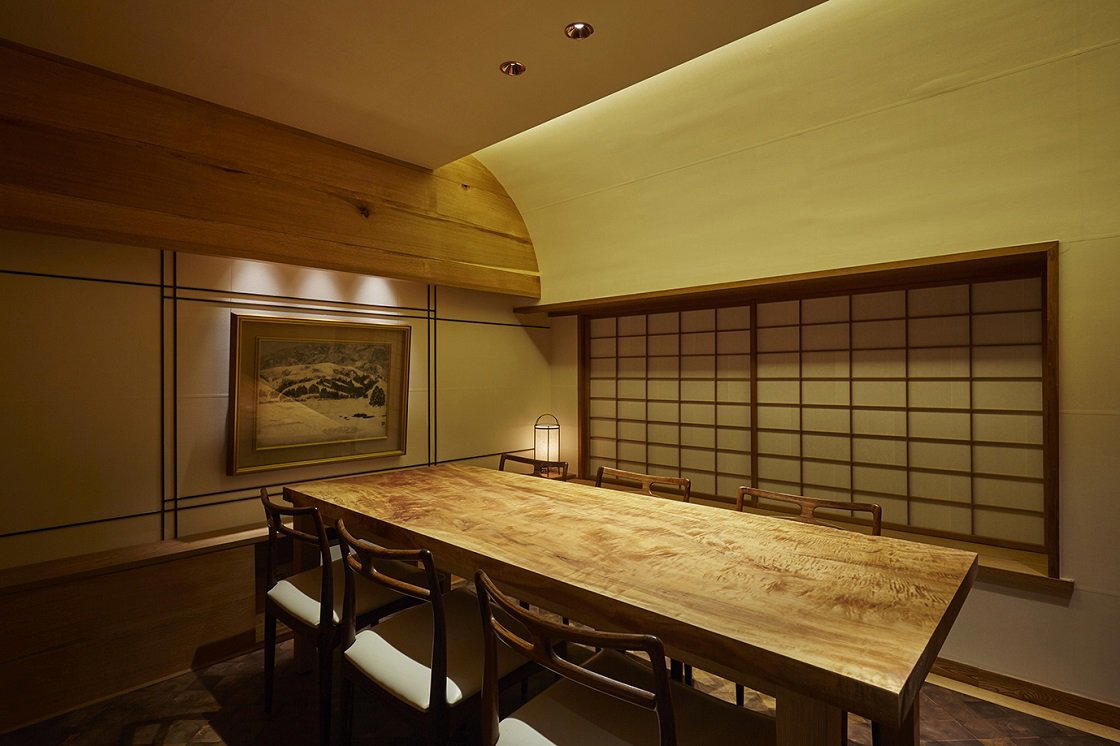


Bars in Osaka
All bars in Osaka →


Hotels in Osaka
All hotels in Osaka →



Wineries in Osaka
Browse all →
Details
- Classic
- Elegant
- Cozy
- Intimate
- Sophisticated
- Date Night
- Business Dinner
- Special Occasion
- Solo
- Chefs Counter
- Private Dining
- Historic Building
- Standalone
- Sake Program
- Local Sourcing
- Omakase
- Set Menu
- Counter Dining
- Sake
- Vegetarian Friendly
Refined and understated, with a warm traditional Japanese wood interior that feels elegant and intimate; the counter offers a view of the frying process.