Tabelog 100 #5
Our verdict
A large-format Sakai teppanyaki address with counter seating, private rooms, shabu shabu, steak and a drinks program that spans sake, shochu, wine and cocktails. Its 2025 Tabelog 100 selection for Steak / Teppanyaki WEST places it in the Kansai conversation for grill-led dining rather than casual Osaka grazing.

Pearl is the En Primeur Club membership app — saves, bookings, and concierge access live there. Same editors, same standards.
The menu
What to order
- Seasonal teppanyaki course
- Miyazaki beef course
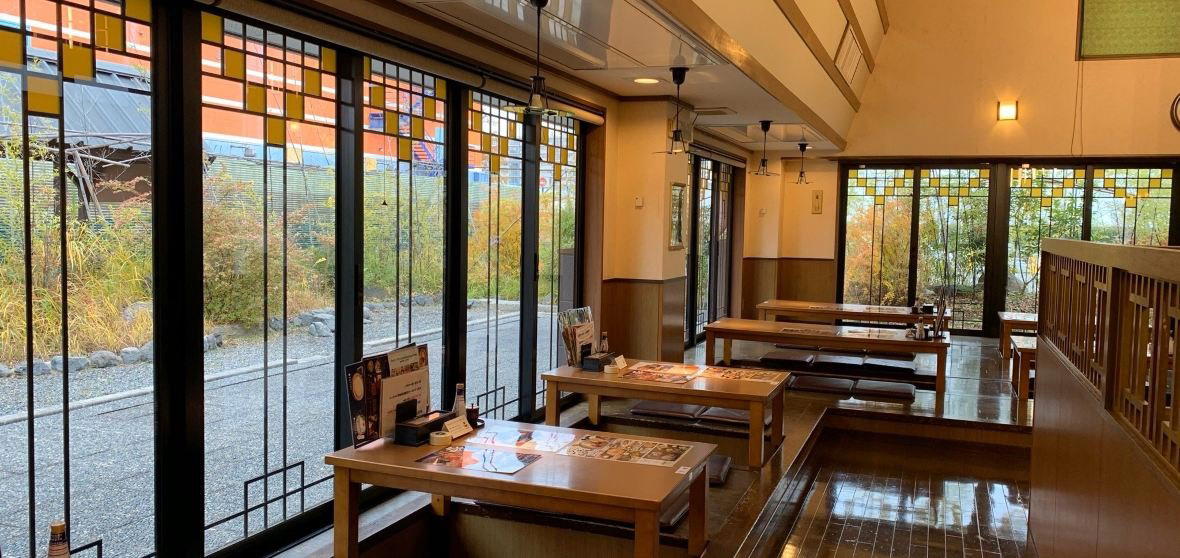
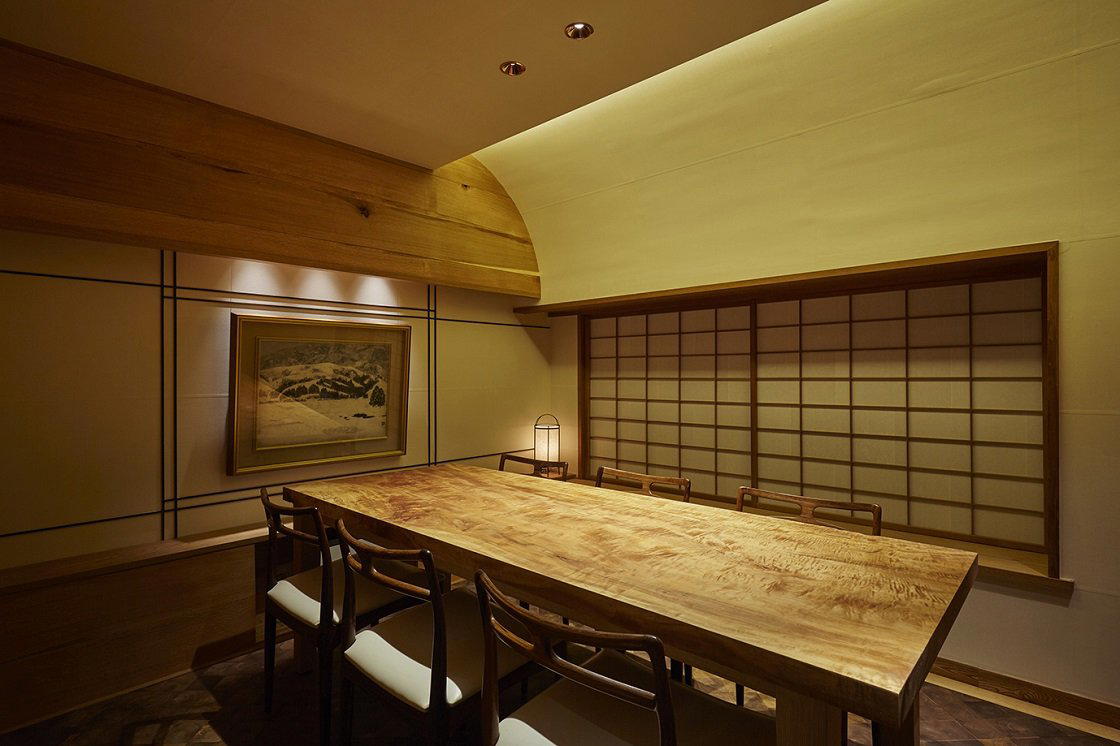
The first impression is scale: not the hushed counter language that defines much of Japan’s luxury dining, but a room presented around a broader Osaka grill occasion. In Osaka, teppanyaki can carry a different social function. The grill is performance, yes, but it is also a practical format: a way to pace steak, vegetables and drinks without turning dinner into ceremony for ceremony’s sake.
Nankai Grill Higashi ten belongs to a broader steak-and-teppanyaki tradition, where the value of the room depends less on a single chef narrative than on a working restaurant format. The kitchen, grill side, drinks side and front-of-house have to operate in sequence. That matters in a venue whose appeal is not only the plate in front of you, but the way steak, shabu shabu and teppanyaki can support an occasion meal.
An Osaka teppanyaki room built for coordinated service
Osaka’s dining reputation often leans toward speed, street-level appetite and casual abundance, but its premium grill culture is more structured. Teppanyaki sits between steakhouse pacing and a more formal restaurant rhythm: ingredients are handled with attention, courses arrive in a controlled flow, and the room has to support both appetite and occasion. Nankai Grill Higashi ten is listed for steak, shabu shabu and teppanyaki, a combination that broadens the format beyond a single grill idea and helps explain why the venue works for planned meals rather than only for enthusiasts chasing a narrow specialty.
The trust signal is not a Michelin-style star system here. Its 2025 Tabelog recognition places it in a useful context for a category where local diners often weigh consistency, format and occasion suitability as much as chef celebrity. That recognition also helps separate it by format from Osaka names such as Yaogen Raikodo Honten, Ginshari en and Honke Kojima, while putting it in a different lane from sushi-led rooms such as Sushi Oga. The comparison is not about ranking them against one another; it is about choosing the right dining grammar. Rice counters, sushi counters and teppanyaki rooms solve different problems.
That distinction is useful for travelers building an Osaka itinerary. A day can move from casual Osaka dining into a more deliberate dinner without pretending all of it belongs to the same category. Other Osaka dining rooms show how the city absorbs varied formats with local precision; teppanyaki does the inverse, turning a Japanese restaurant format into an occasion engine.
Steak, hotpot and drinks require a bigger team than the counter suggests
The most useful way to read the experience is through division of labor. Steak and teppanyaki put heat management at the center, while shabu shabu shifts attention to broth, timing and shared pacing. In a steak-led meal, that range matters: the table can move between grilled preparations and hotpot textures, so the restaurant has to support more than a single narrow idea of steak.
Front-of-house also has a meaningful role in this style of restaurant. A venue built around steak, shabu shabu and teppanyaki has to manage pacing, table flow and the rhythm of a meal that may feel more social than solitary. That makes the team dynamic visible: the grill may draw attention, but the experience depends on timing, service and the ability to keep different parts of the meal moving together.
For travelers, that makes Osaka worth considering as more than a quick sequence of casual stops. The city’s food identity is not only queues and station-adjacent grazing; it also includes restaurants where larger formats serve local households, business groups and repeat celebrants. Readers mapping the wider region can use Our full Osaka restaurants guide alongside Our full Osaka hotels guide, Our full Osaka bars guide, Our full Osaka wineries guide and Our full Osaka experiences guide to decide whether this kind of dinner fits a broader stay.
How to place it in a Japan-wide dining itinerary
Within Japan, steak-led meals sit on a spectrum from formal hotpot traditions to counter grilling, regional steak rooms and hybrid formats. Across the country, other dining rooms express different relationships to steak, heat and formality, from highly structured meals to more casual grill-led settings. The point is not to collect categories, but to understand how Japanese restaurants assign occasion, price and formality to heat.
That same itinerary logic applies beyond steak. Other cities in Japan each express appetite through format, whether the emphasis is rice, noodles, sushi, grilled dishes or casual everyday meals. Even overseas Japanese-inspired dining can help clarify what changes when restaurant ideas leave Japan: the rituals travel, but the local occasion changes.
Nankai Grill Higashi ten is strongest as a planned meal rather than an improvised snack stop. Its appeal rests on the combination of steak, shabu shabu and teppanyaki, backed by 2025 Tabelog recognition and a listed budget of Dinner: JPY 10,000 - JPY 14,999; Lunch: JPY 4,000 - JPY 4,999. For a traveler who wants Osaka to mean more than central-city grazing, it offers a useful read on how the city handles steak when the room, not only the plate, has to carry the evening.
Frequently asked questions
Is Nankai Grill Higashi ten more mid-range or high-end?
Pricing at Nankai Grill Higashi ten is listed as Dinner: JPY 10,000 - JPY 14,999; Lunch: JPY 4,000 - JPY 4,999.
Where do I go for Nankai Grill Higashi ten?
Osaka.
Should I book Nankai Grill Higashi ten in advance?
For a planned steak, shabu shabu and teppanyaki meal, advance planning is the practical move. Its 2025 Tabelog recognition also signals a meaningful profile in Osaka.
What's Nankai Grill Higashi ten best at?
Its strongest draw is the steak and teppanyaki format, supported by 2025 Tabelog recognition. Shabu shabu is also listed, giving it more range than a pure grill-only meal.
Is Nankai Grill Higashi ten allergy-friendly?
The public record provided here does not detail allergy protocols. For diners with specific restrictions, the safest anchor is the official phone number, +81-72-229-1500, before booking. Check the venue's official channels for the latest details.
Can I bring kids to Nankai Grill Higashi ten?
The public record provided here does not specify a children policy.
Awards and Standing
Comparable venues by category and price.
| Venue | Cuisine | Price | Awards | Notes |
|---|---|---|---|---|
| Nankai Grill Higashi tenThis venue (the venue you are viewing) | Teppanyaki Steakhouse | Not listed | Tabelog 100 #5 | Not listed |
| Wagyu no Kiraku | Traditional Wagyu Yakiniku & Yaki-shabu | $50–100 | Tabelog 100 #15 | Kita |
| Soba Kappou Soba Fuji | Soba-focused Kappou & Kaiseki | Not listed | Tabelog 100 #59 | Toyonaka (Seifu-so residential area) |
| Noro | Classic Yoshoku (Japanese Western-style) | $20–30 | Tabelog 100 #50 | Chūō |
| Yakiniku Horumon Odoru | Japanese Yakiniku & Horumon | $50–100 | Tabelog 100 #57 | Miyakojima |
| Karen Oosaka shinsaibashi ten | Kagoshima Wagyu Shabu-shabu & Sukiyaki | $50–100 | Tabelog 100 #100 | Chūō |
Recognition history
Dated appearances from independent guides and award organizations, with the underlying list record or original source where available.
Tabelog 100 #5 · No. 5
Tabelog · Tabelog 100 - Steak / Teppanyaki - WEST - 2025