Fushimi Williamsburg
Our verdict
Fushimi Williamsburg at 475 Driggs Ave sits at the intersection of Brooklyn's evolving dining scene and Japanese-inflected cuisine. The Williamsburg address places it within a neighbourhood that has moved decisively upmarket over the past decade, drawing guests who treat the borough as a destination rather than an alternative to Manhattan. EP Club covers it as part of our broader New York City editorial.

Pearl is the En Primeur Club membership app, where members save venues, book tables and use the concierge.

The menu
What to order
- Rainbow Roll 'Fushimi Style'
- Angry Dragon Roll
- Sunset Blvd Roll
Williamsburg's Dining Arc and Where Japanese Cuisine Fits
Over the past fifteen years, Williamsburg has undergone a shift that few New York neighbourhoods can match in pace or completeness. What began as a post-industrial corridor of loft studios and cheap ramen counters has settled into something more deliberate: a dining corridor where price points and format ambitions now compete directly with lower Manhattan. The Bedford Avenue axis and its surrounding blocks host a range of operators who understand that Brooklyn diners, increasingly, are not choosing the borough for value alone. They are choosing it for specificity.
Japanese cuisine sits in an interesting position within that shift. Across New York, the category has fragmented sharply. At the leading, the omakase counter format, small seats, nightly seatings, prices that rival Masa in Midtown, has become the dominant prestige signal. Below that tier, izakaya formats and ramen-adjacent concepts fill a wide middle band. Williamsburg, with its appetite for format-forward concepts that carry some editorial weight without full Midtown pricing, is a logical home for operators working that middle register. Fushimi Williamsburg at 475 Driggs Ave operates in that context.
The Wine Argument in a Japanese Setting
One of the more consequential decisions any Japanese restaurant in a neighbourhood like Williamsburg makes is how seriously to treat its wine and drinks program. The easy path, a tight sake list, a few cocktails, a perfunctory wine page, is common across the category. The more considered path asks what a guest drinking through a meal of Japanese-influenced dishes actually wants from a glass, and builds from there.
The broader trend in serious Japanese dining rooms across New York has been toward wine programs that treat Burgundy and Champagne as natural pairings with clean, umami-forward food. Atomix in Midtown, working across Korean fine dining rather than Japanese, has demonstrated that an ambitious beverage program can become as central to a restaurant's identity as its kitchen. The argument for curation depth in a Japanese context is, if anything, stronger: the restraint of the food invites rather than competes with a well-chosen glass.
What the Driggs Ave address does confirm is a neighbourhood context where guests arrive with expectations shaped by years of format experimentation. A drinks program that does not match the food's seriousness will be noticed. That is the competitive pressure operating on any Japanese concept in this zip code.
Positioning Within New York's Japanese Tier
New York's Japanese dining market is one of the most stratified in the country. The leading omakase tier, exemplified by counters that price above $400 per person and book months in advance, operates almost as a separate category from accessible Japanese dining. Between those poles, a significant number of operators work formats that blend Japanese technique with broader menu ambitions, often incorporating raw bar presentations, composed small plates, or hybrid cocktail programs that speak to a downtown audience.
Fushimi as a name appears in multiple New York locations, which places the Williamsburg address within a group format rather than a single-site independent. That positioning carries its own set of implications for a guest making a decision. Group-operated Japanese concepts in New York have historically varied widely in the degree to which individual locations maintain kitchen and beverage autonomy. The Williamsburg location, given its neighbourhood's character, sits in a market that rewards distinctiveness. How the 475 Driggs Ave address distinguishes itself from sibling locations is a meaningful editorial question.
For reference points above this tier, Le Bernardin, Eleven Madison Park, and Per Se define what sustained culinary credibility looks like in New York across a decade-plus of operation. These are not direct competitors to a Williamsburg Japanese dining room, but they set the standard of seriousness against which all ambitious New York restaurants are implicitly measured.
What Williamsburg Demands of a Concept
The neighbourhood dynamic matters here. Williamsburg diners have access to a density of well-executed concepts that would satisfy most markets entirely on their own. The block-by-block competition means that a restaurant relying solely on format novelty or address advantage burns through goodwill quickly. Longevity in this corridor, as in comparable dense urban markets like the neighbourhoods surrounding Smyth in Chicago's West Loop or the dining blocks near Lazy Bear in San Francisco's Mission, comes from consistent kitchen execution and a front-of-house operation that understands its guest.
Japanese cuisine has an inherent advantage in that environment: when executed with discipline, it tends to age well with a repeat-visit audience. The restraint that defines the category at its better end is something diners learn to read more finely over time, not less. A Williamsburg guest who visits a Japanese concept twice in a year will notice more on the second visit than the first. That is either an asset or a liability depending on the kitchen's consistency.
For European context, Atelier Moessmer Norbert Niederkofler in Brunico and Dal Pescatore in Runate represent the kind of sustained regional identity that the leading independent restaurants anywhere eventually arrive at. Closer to home, Emeril's in New Orleans illustrates how a concept's relationship to its city shapes its long-term standing.
Our full New York City restaurants guide places Fushimi Williamsburg within the borough-wide picture and tracks updates as they are verified.
Planning Your Visit
Address: 475 Driggs Ave, Brooklyn, NY 11211. Dress: Budget: Getting there: The Driggs Ave address is accessible from the L train at Bedford Ave, a short walk north.
Frequently asked questions
at Fushimi Williamsburg?
The cuisine at Fushimi Williamsburg reflects Japanese-influenced formats common across the New York market, where raw preparations and composed small plates tend to be the strongest editorial case for the category. Check the current menu directly before visiting, as Japanese-format restaurants in this neighbourhood rotate offerings with some frequency.
How far ahead should I plan for Fushimi Williamsburg?
As a reference point, Williamsburg Japanese dining concepts that have accumulated neighbourhood credibility typically book one to two weeks ahead for weekend seatings; high-demand periods around the holidays or summer compress that window. In the same New York market, top-tier omakase counters require three months or more. Fushimi Williamsburg's format and price point place it in a different access tier than those counters, but direct confirmation from the venue is recommended before planning around a specific date.
What makes Fushimi Williamsburg worth seeking out?
Its position within Williamsburg's mature dining corridor is the clearest argument. The neighbourhood now filters out concepts that cannot sustain repeat-visit quality, which means operators who have held an address for multiple seasons have done so in a competitive environment. Japanese cuisine at this address sits within a format category that New York diners read with increasing sophistication, particularly when it comes to beverage pairing and kitchen consistency. EP Club will add specific verified credentials as the record develops.
Does Fushimi Williamsburg have a sake or wine program worth exploring?
Readers who prioritise a considered pour alongside Japanese food should confirm the current beverage list directly with the venue before visiting.
Cost and Credentials
Comparable venues nearby, for context on price, style, and recognition.
| Venue | Cuisine | Price | Awards | Notes |
|---|---|---|---|---|
| Fushimi WilliamsburgThis venue (the venue you are viewing) | Modern Japanese Fusion | $50–100 | Not listed | Not listed |
| Zenkichi | Modern Japanese Izakaya | Not listed | Not listed | Williamsburg, Modern Japanese Izakaya |
| Wano | Modern Japanese Izakaya | $50–100 | Not listed | East Midtown-Turtle Bay, Modern Japanese Izakaya |
| Fushimi Bay Ridge | Japanese-French Fusion | $30–50 | Not listed | Bay Ridge, Japanese-French Fusion |
| Sushi Ouji | Modern Japanese Omakase | $100–150 | New York Times Best Restaurants in New York City | SoHo-Little Italy-Hudson Square, Modern Japanese Omakase |
| Double Knot | Japanese Sushi & Robatayaki Izakaya | $50–100 | Not listed | Midtown, Japanese Sushi & Robatayaki Izakaya |
Continue exploring
More in New York City
Restaurants in New York City
All restaurants in New York City →
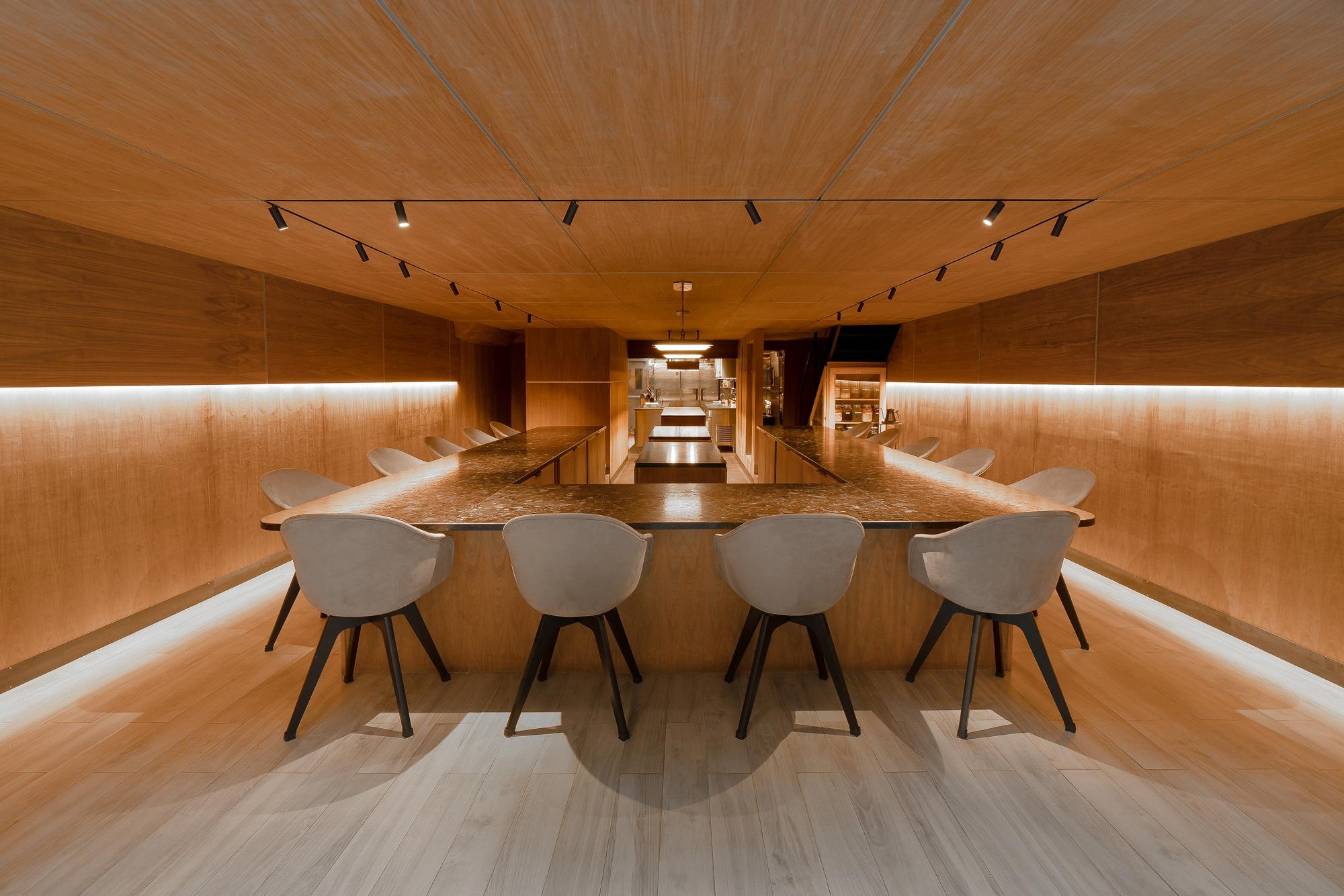
Bars in New York City
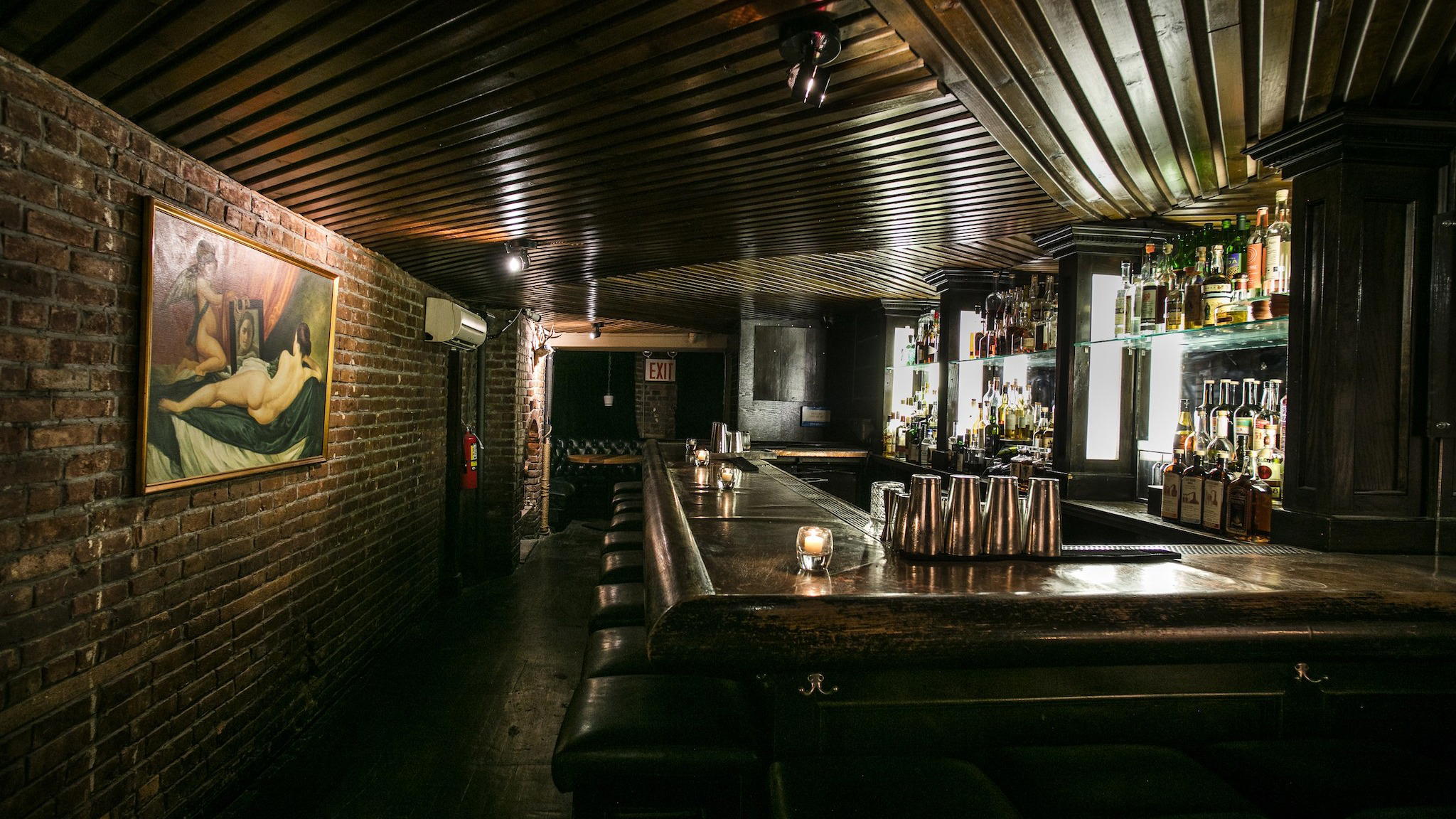
All bars in New York City →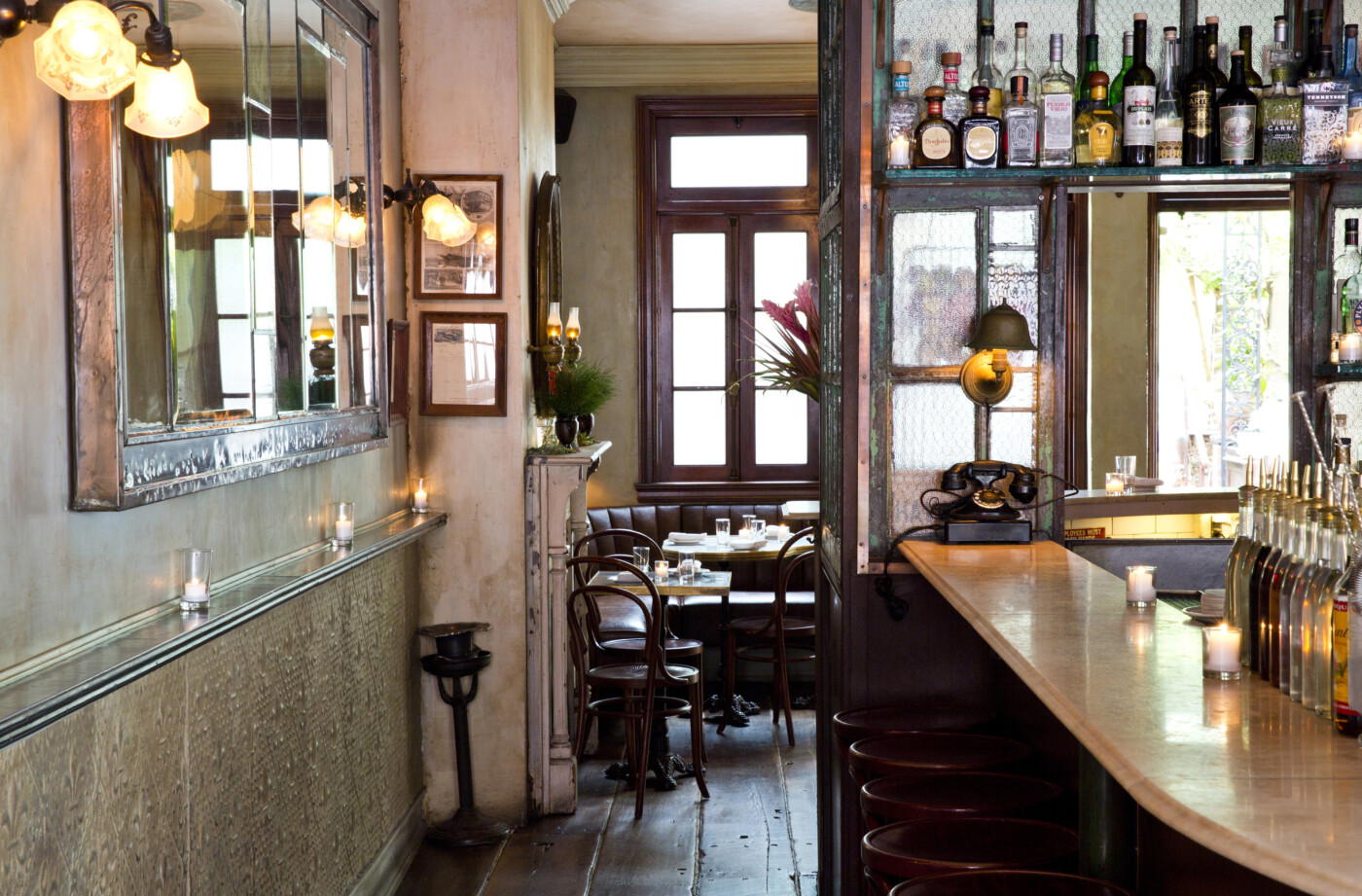
Details
- Trendy
- Lively
- Modern
- Sophisticated
- Elegant
- Date Night
- Celebration
- Late Night
- Open Kitchen
- Sake Program
- Craft Cocktails
- Local Sourcing
- A La Carte
- Small Plates
- Sake
- Cocktails
- Vegetarian Friendly
Current opening hours
- Monday
- 11:30 AM–10:30 PM
- Tuesday
- 11:30 AM–10:30 PM
- Wednesday
- 11:30 AM–10:30 PM
- Thursday
- 11:30 AM–10:30 PM
- Friday
- 11:30 AM–11:30 PM
- Saturday
- 12–11:30 PM
- Sunday
- 12–10 PM
Hours can change for holidays and private events. Hours as of .
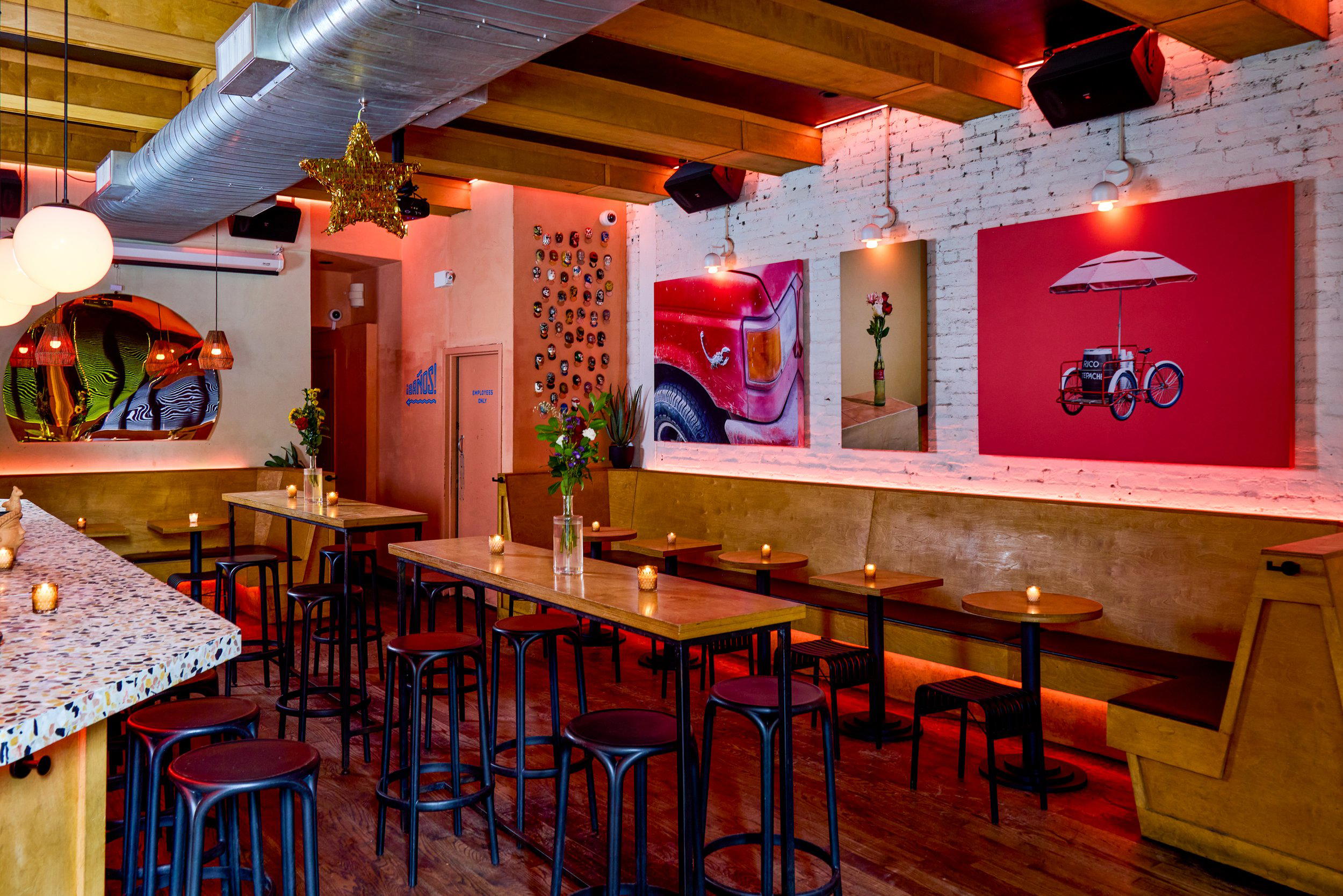
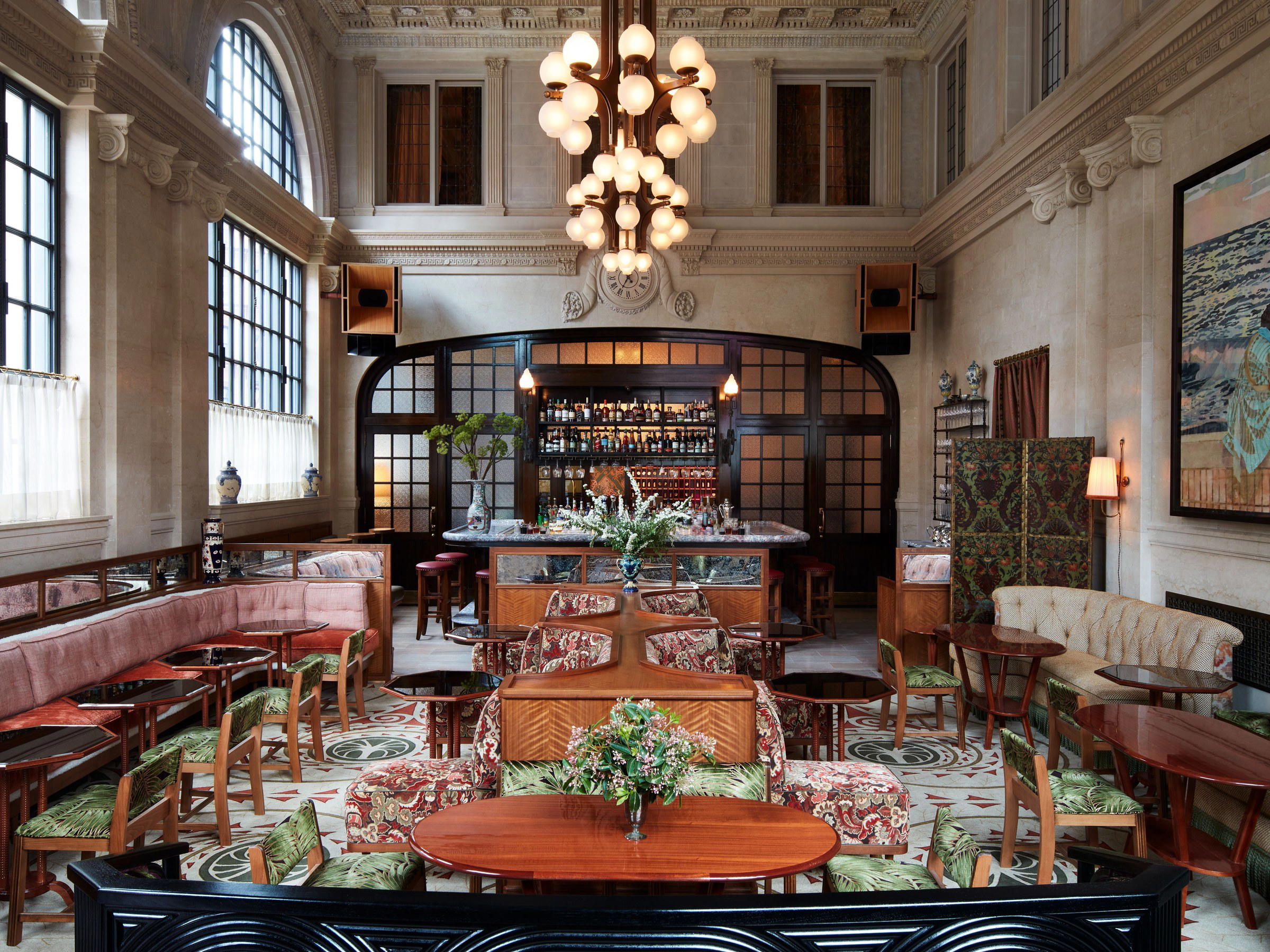
Sleek and luxurious with glossy decor, dark sultry booths, dimmed lighting, and lively lounge vibes.