On Commercial Drive, Kishimoto Japanese Restaurant represents a strand of Vancouver dining that predates the city's current omakase boom: neighbourhood Japanese, built on consistency rather than spectacle. The room is modest, the cooking anchored in familiar forms, and the address places it squarely in the Drive's long tradition of feeding locals well without demanding occasion-level commitment.
Pearl is the En Primeur Club membership app — saves, bookings, and concierge access live there. Same editors, same standards.
- Address
- 2054 Commercial Dr, Vancouver, BC V5N 4A9, Canada
- Phone
- +1 604 255 5550
- Website
- kishimotorestaurant.com
- Directions
- Get directions
 Saves & bookings on Pearl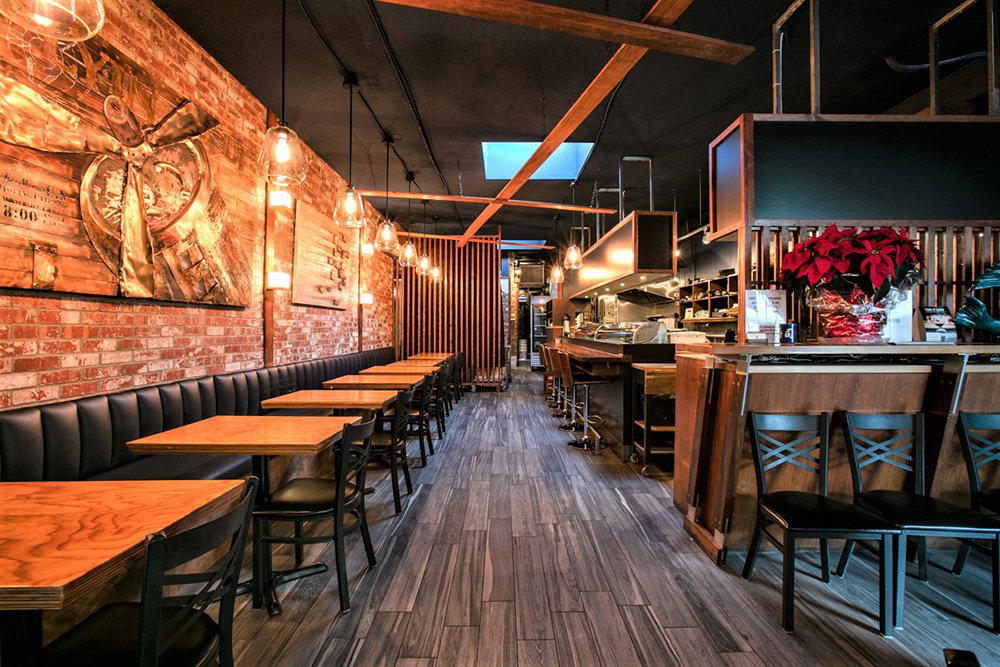
Commercial Drive and the Slow Build of Neighbourhood Japanese
Vancouver's Japanese dining conversation tends to cluster around two poles: the high-end omakase counter, where seats at places like Masayoshi require planning weeks in advance, and the fast-casual roll shop that fills the gap below. What sits between those poles is a quieter category, the neighbourhood Japanese restaurant that has built its audience over years through repetition and trust rather than tasting menus and press launches. Kishimoto Japanese Restaurant, at 2054 Commercial Drive, belongs to that middle category, and its address on the Drive says something important about what it is and who it serves.
Commercial Drive is one of Vancouver's most persistently local corridors. Where Gastown and Yaletown have drifted toward tourism and high-concept dining, the Drive has maintained a residential character, its restaurant population shaped by the expectation that people will return weekly rather than annually. That expectation produces a different kind of restaurant: one where the menu is legible, the room is unpretentious, and longevity is the main credential. Kishimoto fits that pattern. It does not position itself against Kissa Tanto or the city's fusion-forward end of Japanese dining. It operates in a different register entirely.
How the Category Has Shifted Around It
The evolution of Japanese dining in Vancouver over the past decade offers useful context for understanding what a place like Kishimoto represents now, even if it did not set out to represent anything in particular. When the city's omakase tier began expanding, it drew the critical attention and the booking frenzy, leaving neighbourhood Japanese restaurants in a position they had not quite occupied before: as the stable, known quantity against which the new wave was measured. That comparative role is instructive. It reveals what these restaurants have always done well, which is provide a consistent, accessible entry point into Japanese cuisine for a broad dining public, without the formality or price commitment of the counter-service omakase format.
Vancouver's premium Japanese tier, anchored by multi-course tasting formats and Michelin-adjacent credentials, prices itself accordingly. The neighbourhood tier, by contrast, operates on repeat-visit economics. The proposition is different: you come back because it works, not because it surprises you. That distinction matters when reading the commercial geography of Commercial Drive, where the restaurant density and the local income profile both push toward value-per-visit rather than occasion spending. Comparable neighbourhood Japanese restaurants in cities like Toronto have navigated similar positioning, sitting in clear contrast to destination spots like Alo or the broader fine-dining circuit.
What the Address Tells You
2054 Commercial Drive is a specific kind of Vancouver address. The Drive runs northeast from Broadway, and the blocks around the 2000s sit in the heart of its most established residential stretch, past the boutique density of the lower Drive and into a zone where the foot traffic is more local and less destination-oriented. Restaurants here do not rely on walk-by tourism. They rely on the neighbourhood knowing they exist and choosing to return. That structural reality shapes what a restaurant can and cannot do: menus tend toward accessibility, rooms tend toward informality, and the relationship between kitchen and regular customer tends to be the primary operating logic.
For visitors arriving from outside the neighbourhood, the Drive is accessible by transit, sitting on the 20 bus corridor, and the surrounding streets offer street parking without the competitive pressure of downtown. The walk from Commercial-Broadway SkyTrain station takes roughly ten minutes and passes through the Drive's characteristic mix of Italian cafes, Latin American spots, and the kind of independent retail that has largely disappeared from more central Vancouver corridors. That context matters: Kishimoto is not a destination in the way that AnnaLena or Barbara function as destinations. It is a neighbourhood fixture, which in its own way demands a different kind of credibility.
The Neighbourhood Japanese Form and Its Demands
There is a tendency to undervalue the consistency that neighbourhood restaurants require. The omakase counter has a built-in editorial structure: the chef controls sequence, portion, and pace, and the experience is by definition curated. The neighbourhood Japanese restaurant operates without that scaffolding. The menu is broader, the customers arrive with different expectations on different nights, and the kitchen has to maintain quality across a range of dishes rather than a single tightly controlled format. That is a different kind of technical demand, and the restaurants that do it well over many years earn a form of local credibility that press cycles rarely capture.
Across Canada, the restaurants that sustain that local credibility over time tend to be the ones that anchor neighbourhood dining in a meaningful way. The contrast with destination-driven formats is visible at both ends of the country: from the precise, ingredient-forward cooking at Tanière³ in Quebec City to the hyper-local sourcing logic of Eigensinn Farm in Singhampton, destination restaurants operate on a different axis entirely. Neighbourhood restaurants like Kishimoto serve a function that destination dining cannot: they are where a city actually eats, week after week, without ceremony.
Planning Your Visit
Given the absence of a listed website or reservations platform in the public record, the most reliable approach for first-time visitors is to arrive early in the dinner service or at lunch, when walk-in availability is generally higher at neighbourhood restaurants of this type. Commercial Drive restaurants in this category rarely operate the months-ahead booking windows of the city's tasting-menu tier, but popular evenings, particularly Fridays and weekends, can fill quickly with regulars. Visitors comparing value across Vancouver's Japanese dining options should note that the neighbourhood tier sits in a meaningfully different price bracket from the Masayoshi-level omakase counters, reflecting both format and address economics. For a fuller picture of where Kishimoto fits within Vancouver's broader dining map, our full Vancouver restaurants guide places it alongside the city's other categories and price tiers.
Those building a wider Canadian dining itinerary can cross-reference against contrasting formats: the precision cooking at Restaurant Pearl Morissette in Lincoln, the coastal sourcing logic of Cafe Brio in Victoria, or the remote-location commitment of Fogo Island Inn Dining Room. Each of those represents a different answer to the question of what a restaurant owes its context. Kishimoto's answer, shaped by Commercial Drive and the economics of neighbourhood dining, is consistency, accessibility, and the kind of familiarity that accrues only over time.
Frequently Asked Questions
- What's the signature dish at Kishimoto Japanese Restaurant? Neighbourhood Japanese restaurants of this type on Commercial Drive typically anchor their menus around sushi, donburi, and cooked Japanese standards rather than a single signature format. For the most current menu information, visiting in person or contacting the restaurant directly is the most reliable approach.
- Can I walk in to Kishimoto Japanese Restaurant? Walk-in availability is plausible at a neighbourhood Japanese restaurant of this type, particularly at lunch or early in the dinner service. Friday and Saturday evenings tend to fill with regulars at Commercial Drive restaurants regardless of price tier, so arriving before peak service improves your chances. Vancouver's omakase-tier venues like Masayoshi require advance booking, but Kishimoto's neighbourhood format operates differently.
- What has Kishimoto Japanese Restaurant built its reputation on? Kishimoto's reputation, such as it is in the public record, rests on neighbourhood consistency rather than award recognition or tasting-menu ambition. On Commercial Drive, that kind of sustained local presence is itself a credential: restaurants that survive and retain regulars in a competitive neighbourhood corridor do so by delivering reliable cooking across a broad menu, which is a different discipline from the omakase counter model favoured by Vancouver's higher-profile Japanese venues.
- Do they accommodate allergies at Kishimoto Japanese Restaurant? Allergy accommodation details are not listed in the available public record. As with any restaurant where specific operational information is limited, the most direct route is to contact the restaurant before visiting. Japanese restaurant kitchens frequently work with soy, sesame, shellfish, and gluten-containing ingredients, so confirming specific accommodations in advance is advisable regardless of the venue's size or format.
- Is Kishimoto Japanese Restaurant good value for money? However, neighbourhood Japanese restaurants on Commercial Drive operate in a price tier meaningfully below the city's omakase and fine-dining Japanese formats. The comparison set is not Masayoshi or Kissa Tanto, but rather the accessible mid-range that Commercial Drive has historically supported, where per-head spend reflects neighbourhood economics rather than destination pricing.
- How does Kishimoto Japanese Restaurant fit into Vancouver's broader Japanese dining scene? Kishimoto occupies the neighbourhood tier of a Japanese dining scene that has expanded considerably at both ends over the past decade. Vancouver now supports a growing number of high-commitment omakase counters and a dense casual tier, with the neighbourhood restaurant sitting as the connective middle ground. Its Commercial Drive address places it within a local dining tradition that predates the city's current premium Japanese moment, giving it a different kind of authority than newer, more concept-driven entrants to the category.
Credentials Lens
| Venue | Cuisine | Price | Awards |
|---|---|---|---|
| Kishimoto Japanese RestaurantThis venue — the venue you are viewing | Not listed | Not listed | This venue |
| AnnaLena | Contemporary | $$$$ | Michelin 1 Star |
| iDen & QuanJuDe Beijing Duck House | Chinese | $$$$ | Michelin 1 Star |
| Kissa Tanto | Fusion | $$$$ | Michelin 1 Star |
| Masayoshi | Japanese | $$$$ | Michelin 1 Star |
| Published on Main | Contemporary | $$$ | Michelin 1 Star |
Continue exploring
More in Vancouver
Restaurants in Vancouver
Browse all →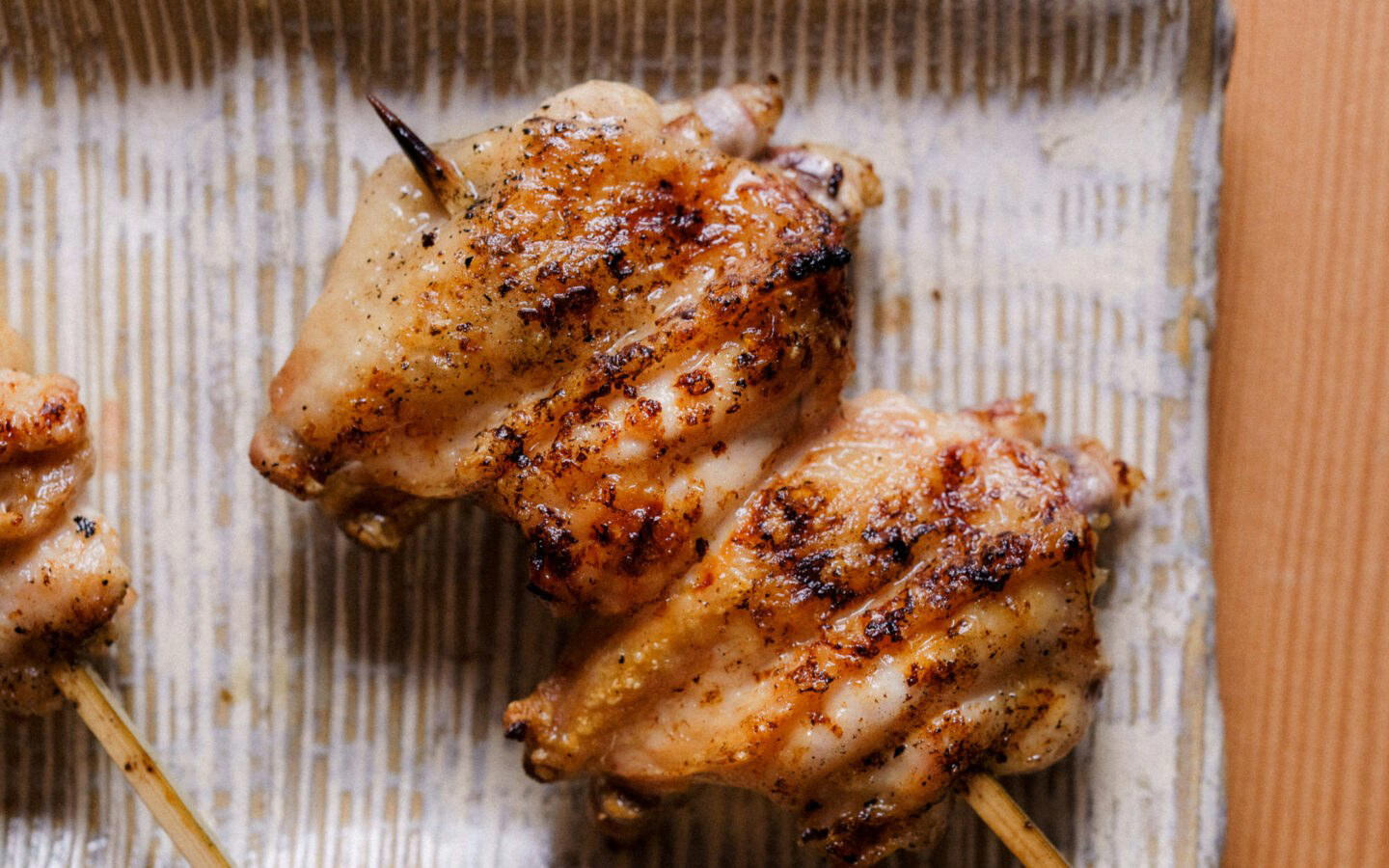
Bars in Vancouver
Browse all →
At a Glance
- Intimate
- Elegant
- Sophisticated
- Date Night
- Special Occasion
- Celebration
- Open Kitchen
- Chefs Counter
- Sake Program
- Craft Cocktails
- Farm To Table
- Local Sourcing
- Sustainable Seafood
- Organic
- Street Scene
Current opening hours
- Monday
- Closed
- Tuesday
- 5–9:45 PM
- Wednesday
- 5–9:45 PM
- Thursday
- 5–9:45 PM
- Friday
- 5–9:45 PM
- Saturday
- 5–9:45 PM
- Sunday
- 5–9:45 PM
Hours can change for holidays and private events. Last verified .
Casual and inviting with artistic, visually dramatic plating; intimate counter seating allows diners to watch chefs prepare dishes; understated, unpretentious atmosphere with warm service.
Know Before You Go
- Getting there
- 2054 Commercial Dr, Vancouver, BC V5N 4A9, Canada