Kirchenwirt Diersbach occupies a quiet corner of Upper Austria's Innviertel region, where the rhythms of village life still shape what ends up on the plate. The address alone, Am Berg 8, tucked into the agricultural countryside near the Bavarian border, signals a kitchen that draws from its immediate surroundings rather than from imported trends. For travellers willing to seek it out, this is Austrian Gasthauskultur at its most grounded.
Pearl is the En Primeur Club membership app — saves, bookings, and concierge access live there. Same editors, same standards.
- Address
- Am Berg 8, 4776 Diersbach, Austria
- Phone
- +43771920106
- Website
- kirchenwirt-diersbach.com
- Directions
- Get directions
 Saves & bookings on Pearl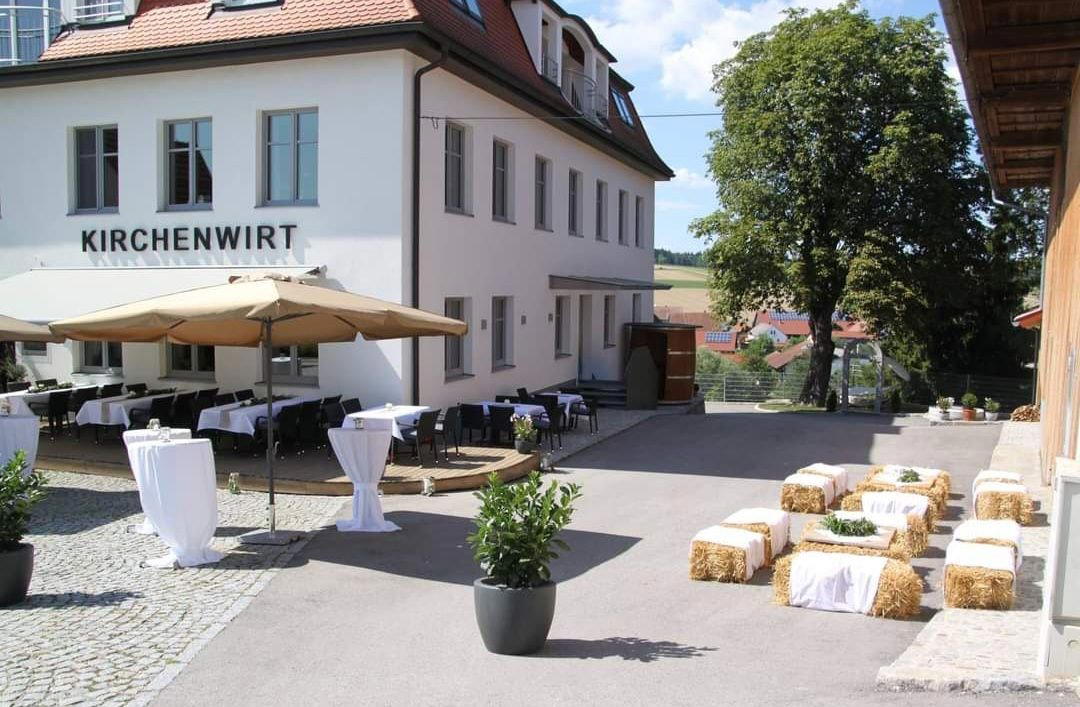
Where the Innviertel Sets the Table
Upper Austria's Innviertel sits in a quiet fold of the country that most international visitors pass over on their way to Salzburg or Vienna. The region shares a border with Bavaria to the north and rolls through a range of working farms, village churches, and small market towns where cooking is still calibrated to what the surrounding land produces. Diersbach, a commune of a few hundred residents, belongs entirely to this tradition. Kirchenwirt, the name itself signals the classic Austrian parish-inn model, a Gasthof positioned at the social and physical centre of village life, operates from Am Berg 8, a short distance from the church that gives such establishments their historical identity.
This category of inn is worth understanding before you arrive. The Kirchenwirt format, common across rural Austria, developed over centuries as the place where farming communities gathered after Sunday mass, where local agreements were made, and where seasonal produce moved almost directly from field to kitchen. Unlike the destination restaurants of the alpine west, the Michelin-decorated rooms at Gourmetrestaurant Tannenhof in Sankt Anton am Arlberg or the technically ambitious tasting menus at Griggeler Stuba in Lech, a place like Kirchenwirt Diersbach operates on a different premise: that the value of a meal is inseparable from the community and supply chain that produced it.
The Innviertel Pantry
What the Innviertel offers as a sourcing territory is considerable. The region produces grain, dairy, and livestock at a scale that sustains a genuine farm-to-kitchen pipeline without the self-consciousness that sometimes attaches to that phrase in urban contexts. Pork, in particular, has deep roots here: Innviertel Speck and preparations built around locally reared animals are a consistent thread across the region's better kitchens. Freshwater fish from the Inn and its tributaries appear in traditional preparations that owe nothing to imported technique. The vegetable calendar is strictly seasonal in the way that only kitchens embedded in agricultural communities tend to maintain, not as a marketing position, but as a practical consequence of what the suppliers down the road are growing.
This sourcing reality places Kirchenwirt Diersbach in a different conversation from Austria's headline dining rooms. Steirereck im Stadtpark in Vienna has built a global reputation on Austrian ingredients interpreted with creative ambition. Döllerer in Golling an der Salzach has formalised alpine ingredient sourcing into a contemporary tasting menu format. Kirchenwirt Diersbach, by contrast, represents the unmediated end of that same supply chain, the place where ingredient provenance is simply the way things have always been done, not a concept that requires explanation on the menu.
Reading the Room: Atmosphere in a Rural Austrian Gasthof
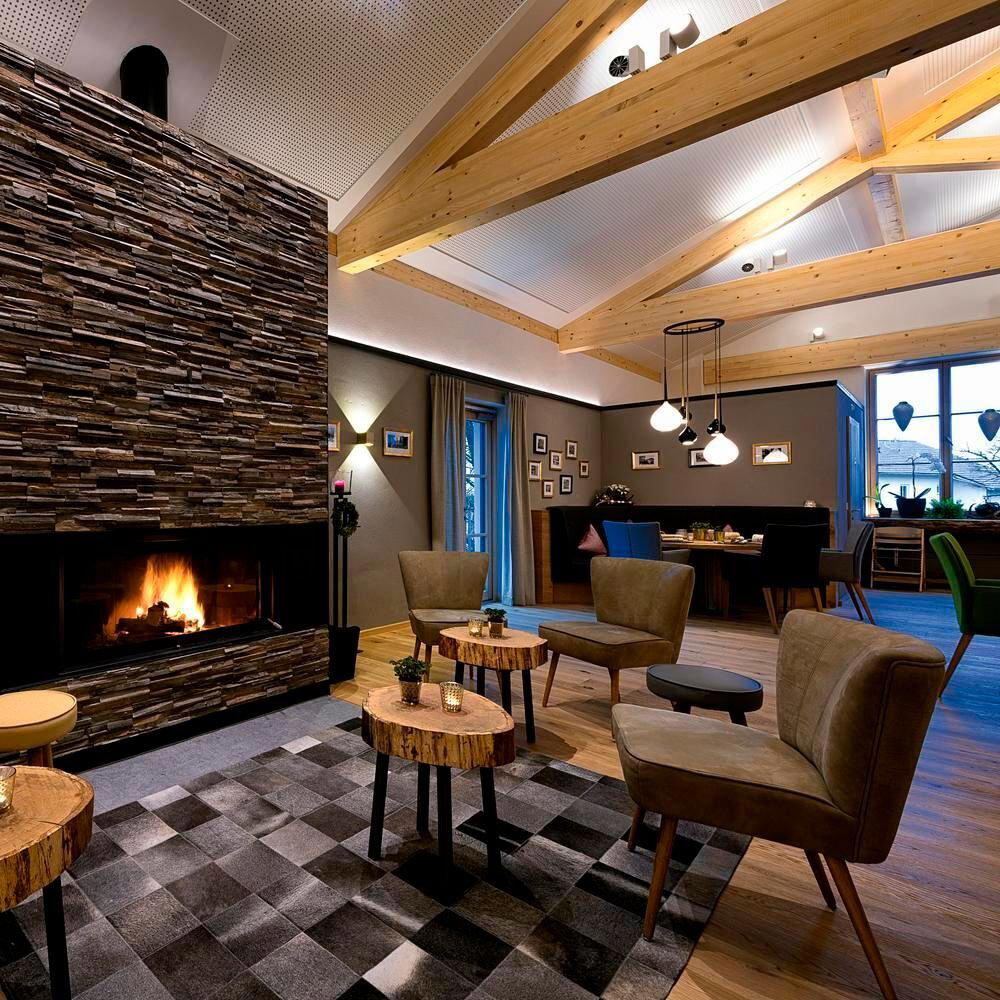
Approaching a Gasthof like this one, the physical cues are consistent across the type: whitewashed or painted facades, window boxes, a dining room that doubles as community gathering space. The atmosphere in such rooms is calibrated to regulars as much as to visitors. Tables are often large, suited to extended family meals. The pace is unhurried in a way that reflects the agricultural rhythms of the surrounding area rather than any deliberate hospitality philosophy.
This is a different register from the self-aware rusticity performed at certain alpine resort restaurants. It is also different from the polished informality of urban Austrian bistros. The Gasthof dining room in a village like Diersbach operates on the assumption that you are eating there because you live there, or because someone who lives there brought you. That assumption shapes everything from the portion logic to the wine list, which in kitchens of this type tends toward regional Austrian producers, Müller-Thurgau or Grüner Veltliner by the Viertel rather than by the curated glass.
Readers exploring Austria's broader dining map will find useful comparisons in the regional specificity of Ois in Neufelden, a short drive north, or the produce-led approach of Landhaus Bacher in Mautern an der Donau. For a sense of how herb-forward Austrian rural cooking can be formalised into a destination format, Kräuterreich by Vitus Winkler in Sankt Veit im Pongau offers an instructive contrast. At the other end of the ambition spectrum, Ikarus in Salzburg and Obauer in Werfen show what Austrian hospitality looks like when it pitches to international fine-dining audiences. The restaurant is doing something categorically different from all of these.
Planning a Visit to Diersbach
Diersbach sits in the northwestern corner of Upper Austria, close to the Bavarian border and roughly equidistant between Passau and Schärding. Reaching it requires a car; public transport in this part of Innviertel is sparse. Schärding, about fifteen kilometres south, is the nearest town with meaningful accommodation and a train connection to Linz. Visitors combining this stop with broader Upper Austrian itineraries might also consider the dining rooms at Atelier Fischer in Sankt Gilgen or, further afield in Styria, Artis in Graz.
For those building a longer Austrian itinerary that includes the alpine dining circuit, Stüva in Ischgl, Schwarzer Adler in Hall in Tirol, Taubenkobel in Schützen am Gebirge, and Restaurant 141 by Joachim Jaud in Mieming each represent distinct regional expressions worth mapping against this more grounded Innviertel experience. The contrast is itself educational.
Visiting without advance contact is a reasonable approach for a village Gasthof of this type, though midweek visits carry the usual risk of reduced hours. Check locally before making a dedicated journey. Our full Diersbach restaurants guide covers current practical details as they are updated.
Quick Comparison
Comparable venues nearby, for context on price, style, and recognition.
| Venue | Cuisine | Price | Notes |
|---|---|---|---|
| Kirchenwirt DiersbachThis venue — the venue you are viewing | Italian Pizzeria | $$ | Not listed |
| Osteria NOI | Italian Osteria | $$ | Seekirchen am Wallersee |
| Cosmic Pizza | Neapolitan Pizza | $$ | Froschheim |
| Memory | Italian Pizza and Mediterranean | $$ | Dorf |
| Elvis Pizzazz | Neapolitan Pizza | $ | Eggersdorferstraße |
| Ristorante Alfredo | Italian Trattoria | $$ | Breitensee |
Continue exploring
More in Diersbach
Restaurants in Diersbach
Browse all →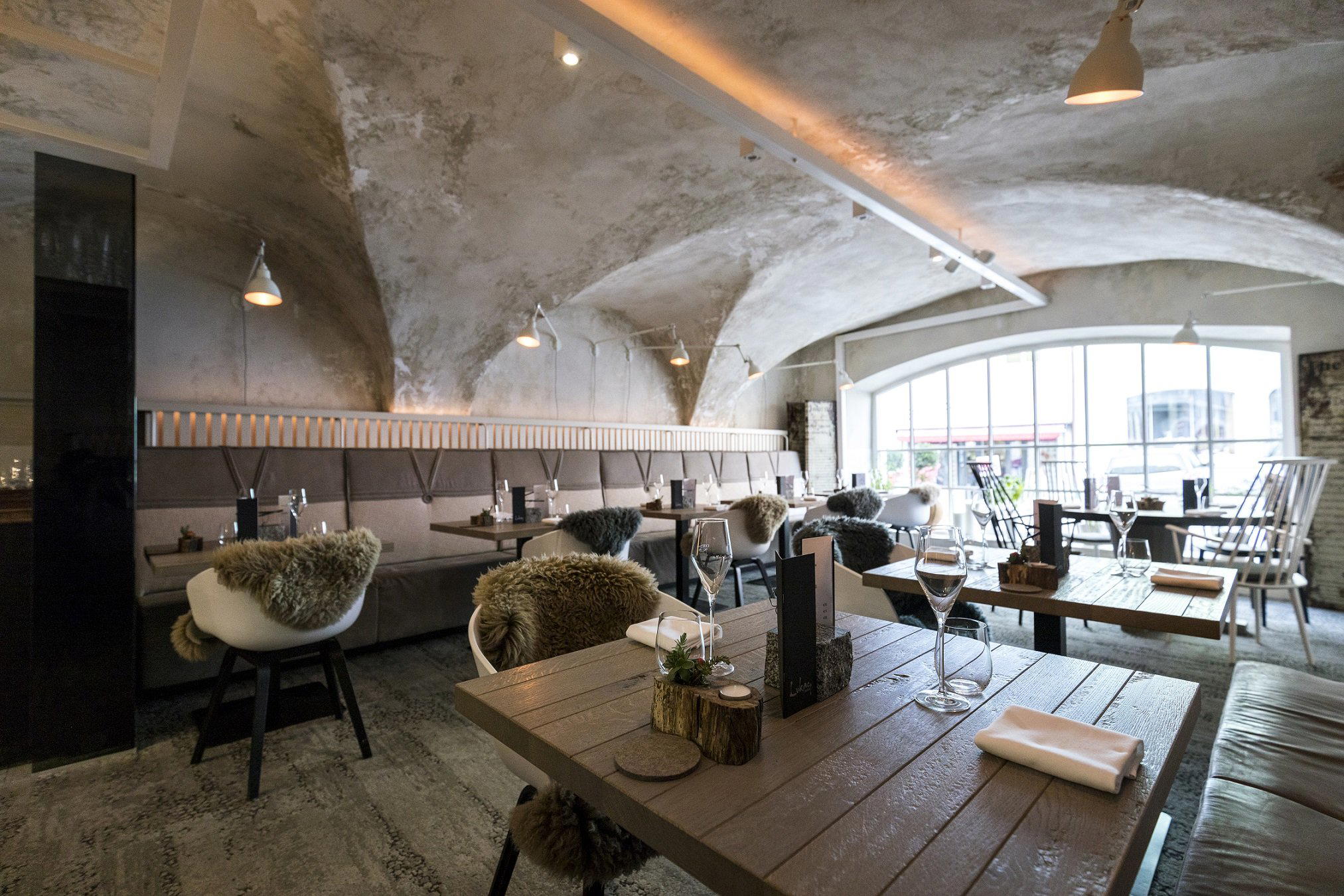
Bars in Diersbach
Browse all →
At a Glance
- Rustic
- Classic
- Cozy
- Casual Hangout
- Group Dining
- Family
- Standalone
- Craft Cocktails
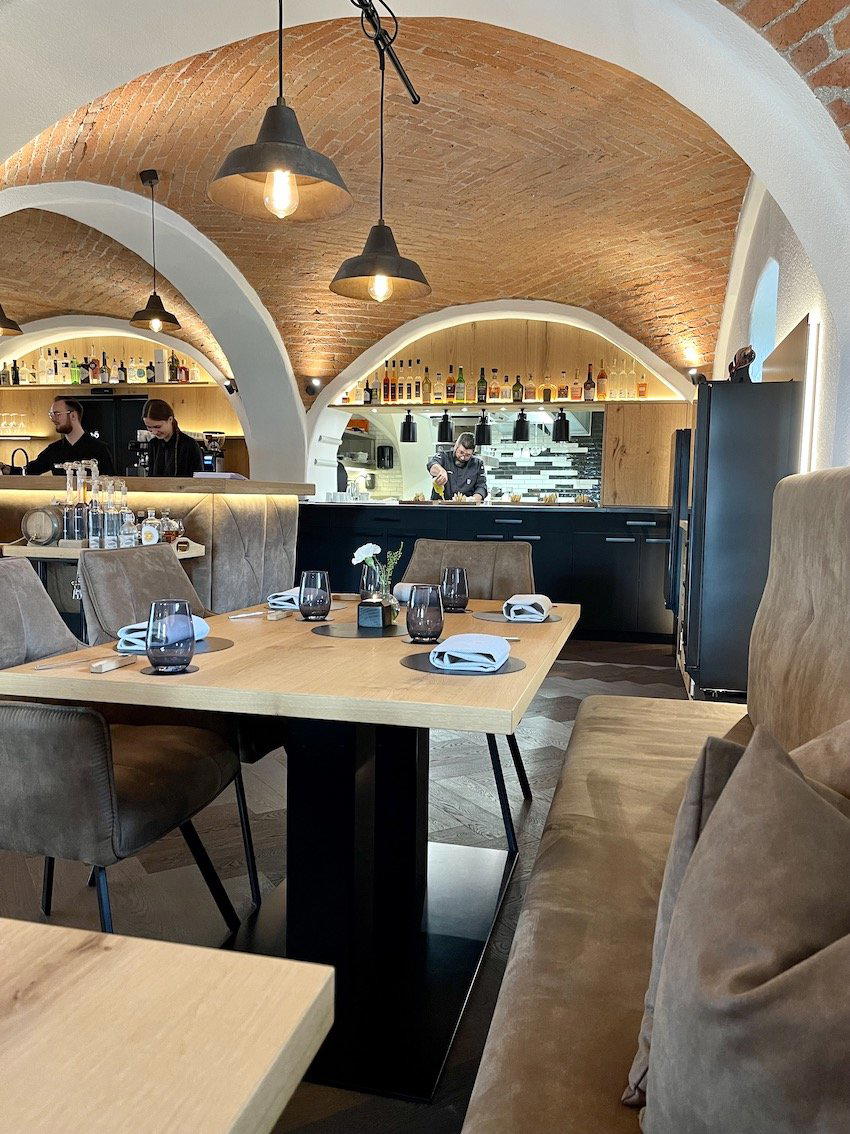
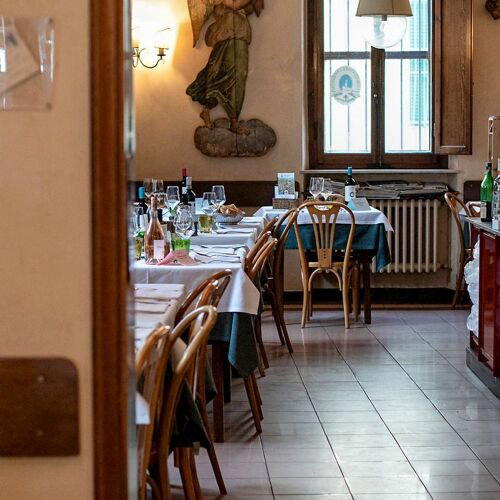
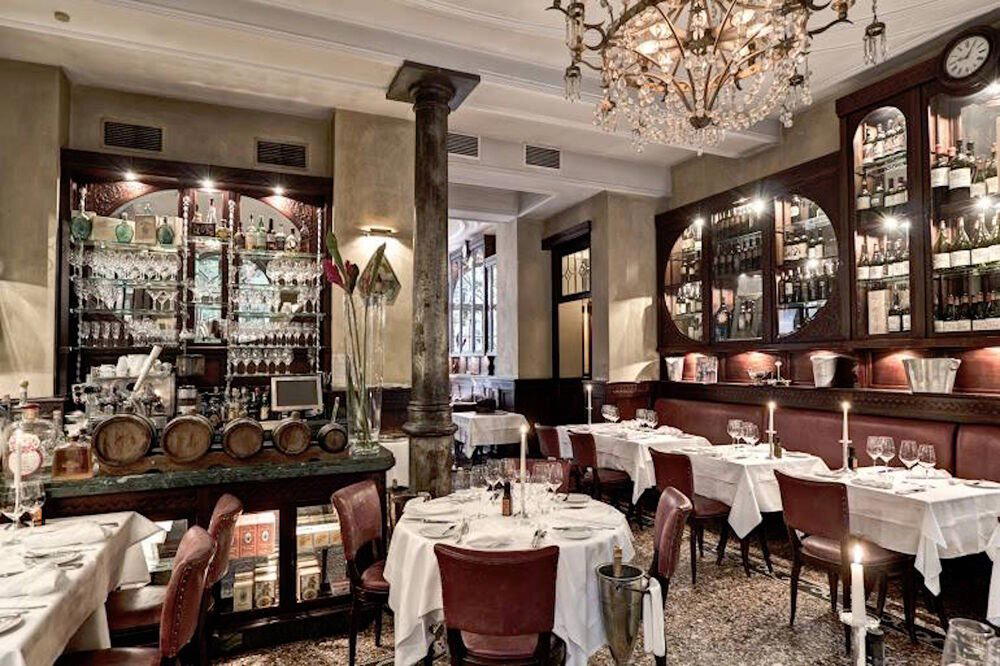
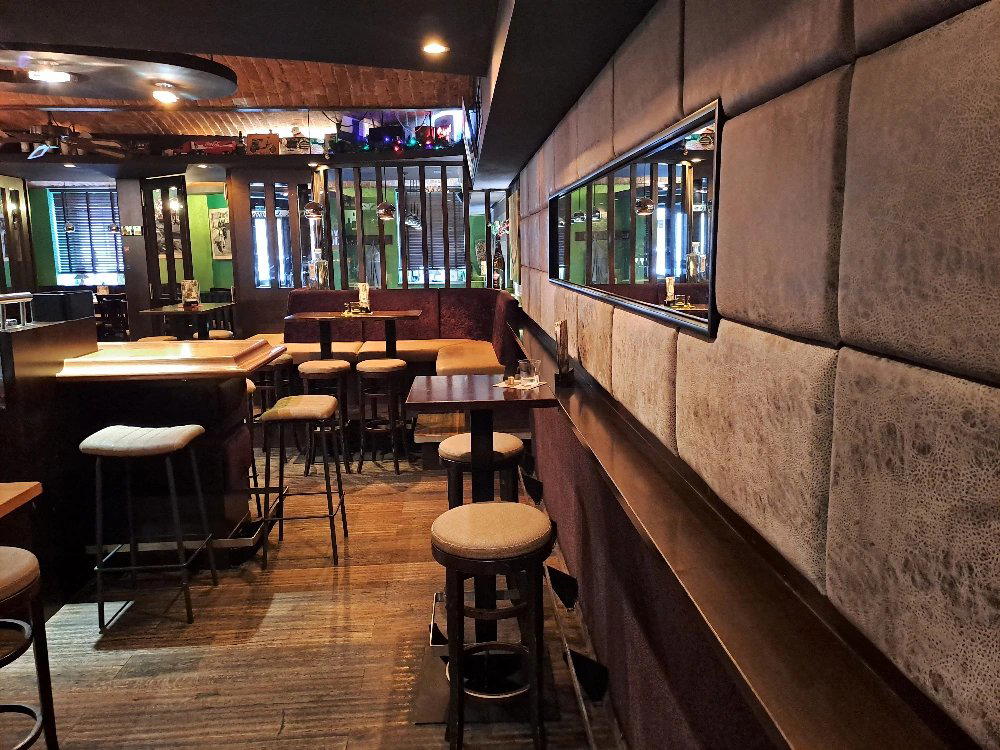
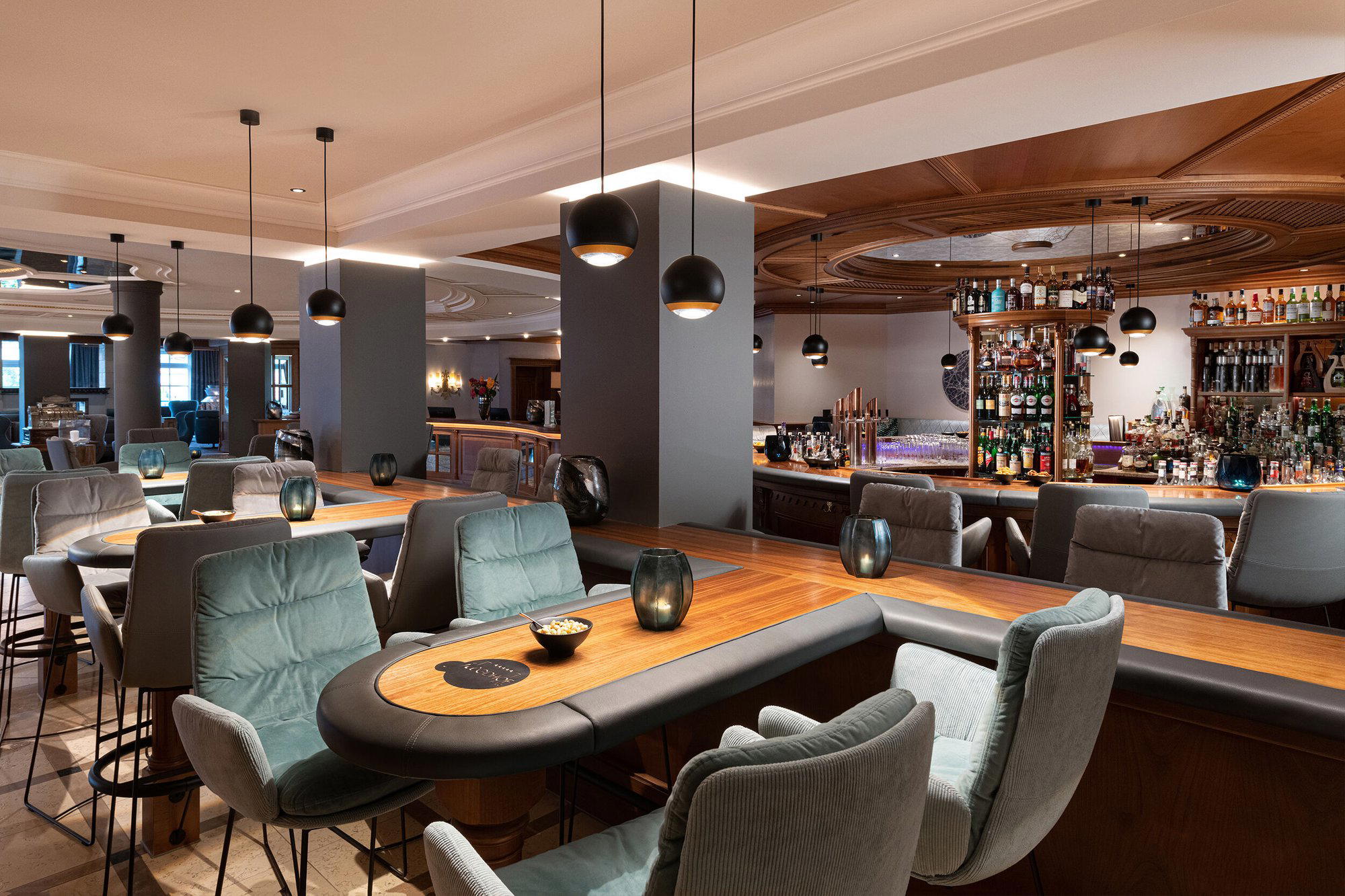
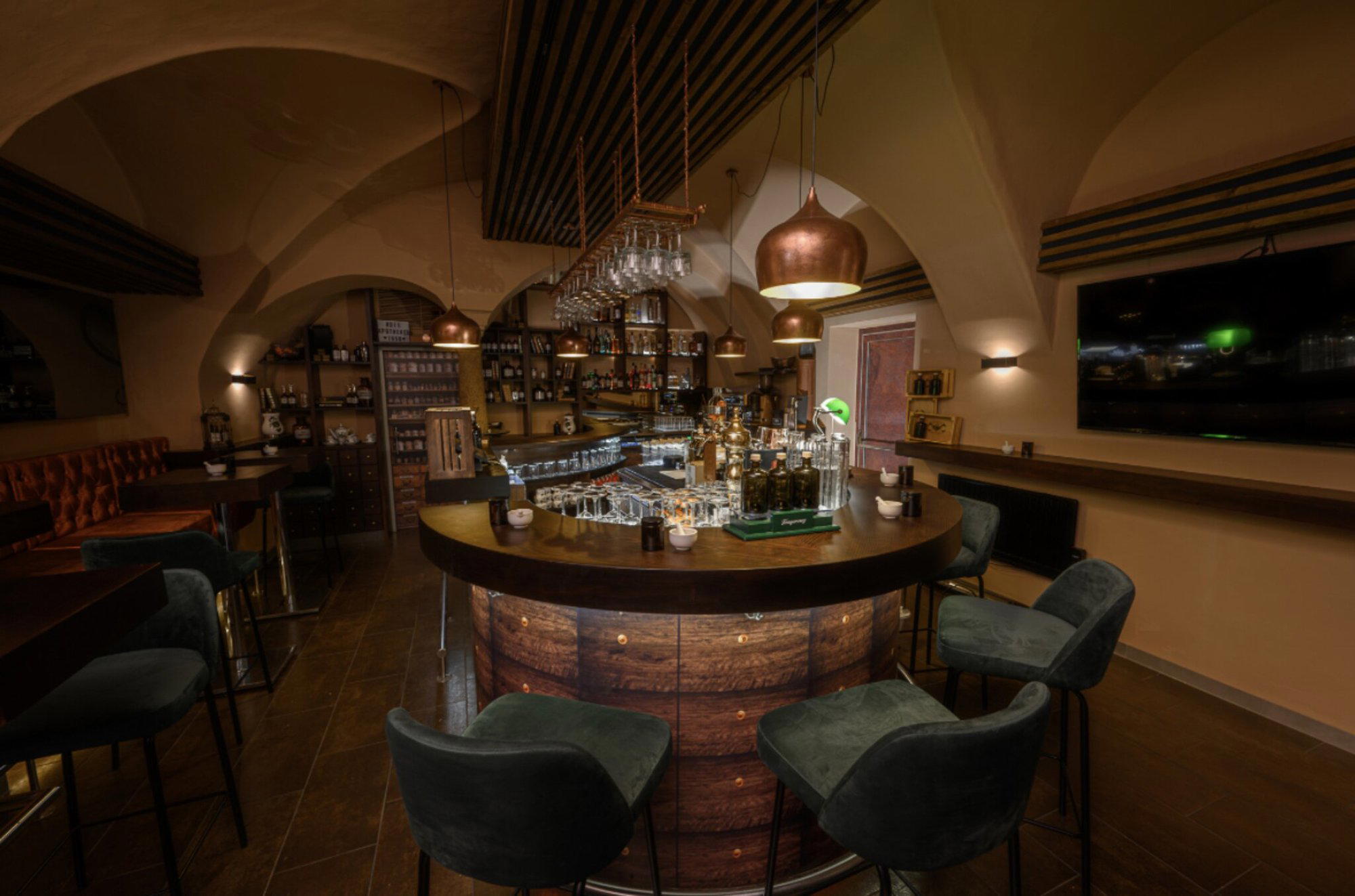
Warm, welcoming country-style setting with traditional Austrian gasthaus charm transitioning to Italian dining atmosphere.