The Arc of a Meal: Reading the Progression
In sushi-focused dining, the sequence of a meal carries its own logic. The editorial tradition of omakase, the chef's selection, depends on a narrative arc that builds from delicate to rich, from lighter preparations toward more complex finishes. Even restaurants that do not operate a strict omakase format tend to structure their menus with this progression implied. Lighter fish and raw preparations typically open a meal, establishing a baseline palate that registers the quality of sourcing and knife work before heavier saucing or richer cuts arrive. The mid-course range, often where rolls and composed dishes appear, serves as a bridge between the clean register of the opening and the satisfying density of any cooked or braised finishes.
This sequencing discipline is what separates a thoughtful sushi program from one that treats the menu as a flat list of options. In cities like Philadelphia, where diners now have access to a broader range of Japanese formats than they did a decade ago, the internal logic of a meal has become a point of differentiation. Restaurants that understand progression tend to retain repeat visitors; those that do not tend to plateau. The same principle applies at the highest levels of the format nationally, counters at places like Atomix in New York City and programs as disciplined as Providence in Los Angeles each demonstrate how a structured arc transforms individual dishes into a coherent dining experience rather than a sequence of unrelated plates.
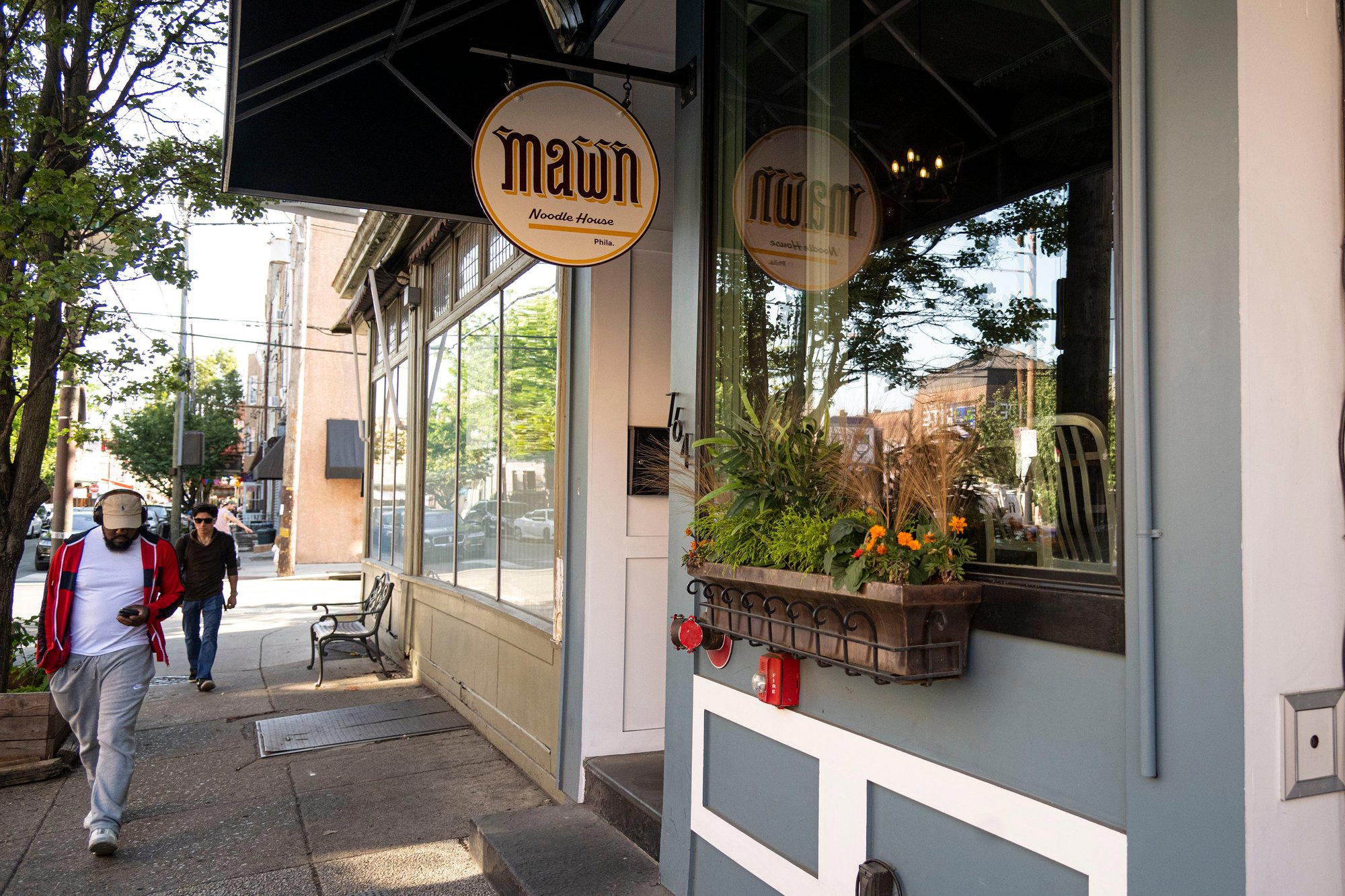
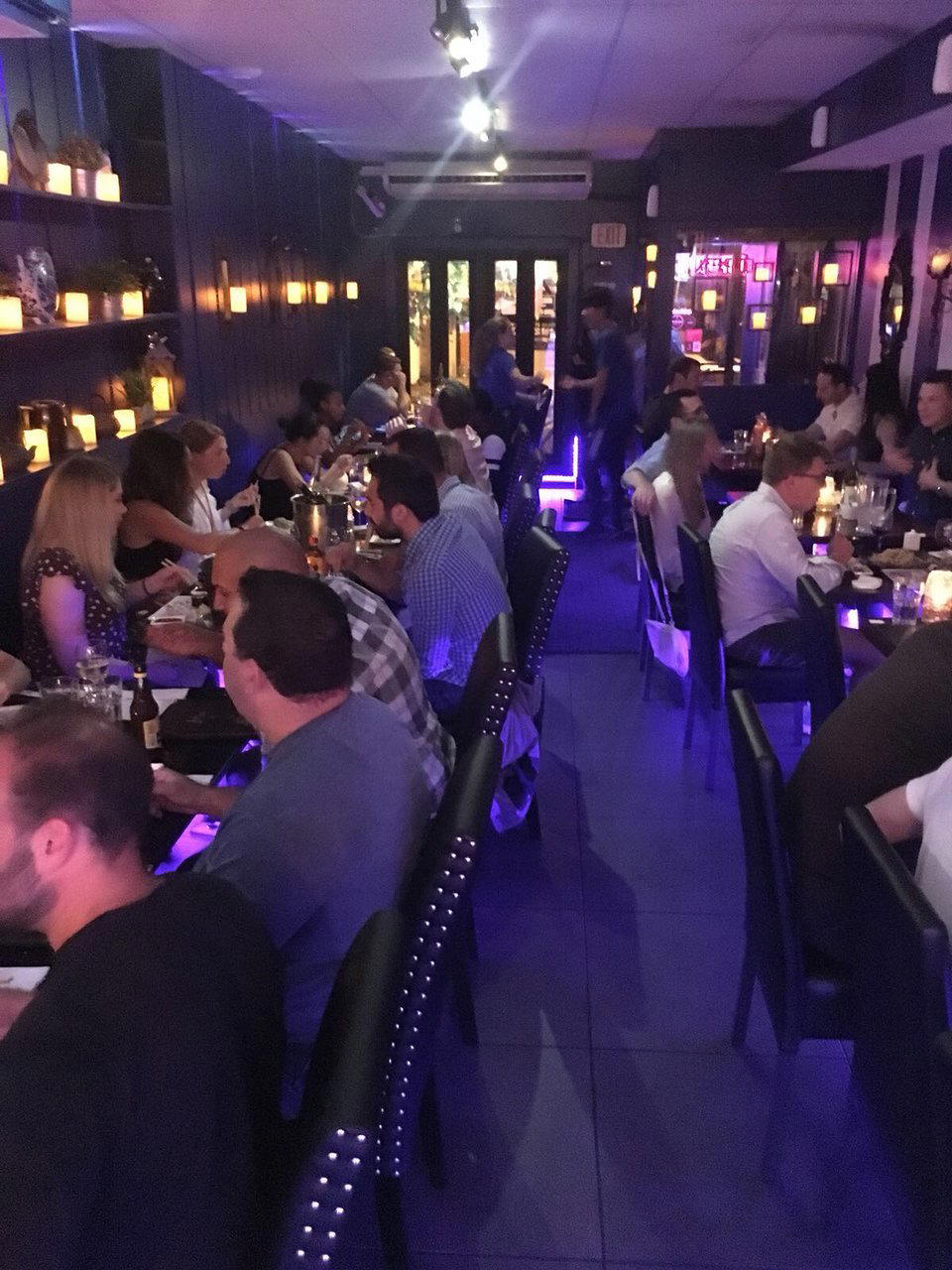
Where Bleu Sushi positions itself within that progression logic is central to understanding what kind of restaurant it is. At 262 S 10th St, the address places it close to several other independent operators in Washington Square West, including My Loup (French-inspired) and Mawn (Cambodian and Pan-Asian), both of which signal a neighborhood that takes structured dining seriously. The competitive pressure in that corridor incentivizes any serious restaurant to think carefully about how a meal unfolds from first course to last.
Philadelphia's Japanese Dining Tier and Where Sushi Fits
Philadelphia does not yet have the density of Michelin-recognized Japanese counters that New York or Los Angeles carry, but the category has expanded meaningfully. The city's proximity to New York has historically meant that Philadelphia diners with the means to seek out the finest Japanese formats would travel north rather than find equivalents locally. That gap has narrowed, particularly in the last five to seven years, as a cohort of more technically focused restaurants has opened across neighborhoods from Fishtown to Washington Square West.
The broader national context matters here. Restaurants like Le Bernardin in New York City and The French Laundry in Napa set a reference point for what sustained critical recognition looks like at the top of the American dining market. Below that tier, mid-market independent restaurants in cities like Philadelphia compete primarily on consistency, sourcing, and the intelligence of their format decisions rather than on celebrity or destination appeal. Single Thread Farm in Healdsburg and Blue Hill at Stone Barns in Tarrytown represent how independent restaurants with strong sourcing narratives can build national relevance from regional foundations. Philadelphia restaurants operating in that same spirit, serious about ingredient quality, coherent in their format, are increasingly able to hold diners locally rather than ceding them to New York.
For a sushi-focused restaurant in Philadelphia, the relevant comparable set is not the three-Michelin-star omakase counter but rather the growing tier of competent, focused independent operations that serve a local audience willing to spend thoughtfully on a structured meal. Fork and Friday Saturday Sunday, both New American, represent what sustained local reputation looks like in Philadelphia's independent dining market. South Philly Barbacoa demonstrates that category specificity and a strong local following can coexist with genuine national recognition. Bleu Sushi operates within that same local-reputation economy, where word-of-mouth and repeat visitors matter more than destination-dining headlines.
Seasonal Timing and When to Visit
Washington Square West tends to be most active from late spring through autumn, when outdoor conditions in Philadelphia are hospitable and foot traffic on South 10th Street increases. Spring and early autumn represent the strongest windows for visiting restaurants in this neighborhood: the city is neither at its summer heat peak nor in the grip of the cold months that push diners toward heavier, more comfort-oriented programming. For sushi specifically, the late autumn and winter period carries its own logic: the colder months are traditionally associated with richer cuts and more assertive preparations, while spring signals lighter sourcing and a return to cleaner flavor registers. Both windows offer a distinct dining experience if the kitchen is reading the season correctly.
Philadelphia's dining calendar also tracks against the academic year, given the density of universities and medical institutions in and around the city center. The September-through-November window and the February-through-April stretch tend to be the periods when reservation demand is highest at serious independent restaurants.
Know Before You Go
- Address: 262 S 10th St, Philadelphia, PA 19107
- Neighborhood: Washington Square West
- Nearest Cross Street: S 10th St at Spruce St
- Booking: Reservations are recommended
- Hours: Mon: 11 AM-9:30 PM; Tue: 11 AM-9:30 PM; Wed: 11 AM-9:30 PM; Thu: 11 AM-9:30 PM; Fri: 11 AM-10:30 PM; Sat: 12-10:30 PM; Sun: 12-9:30 PM
- Price Range: About $30 per person
- Dress Code: Not specified
- Nearby Reference Points: Within walking distance of My Loup and the broader Washington Square West restaurant corridor