Kinlum Kindee

Michelin Plate
Our verdict
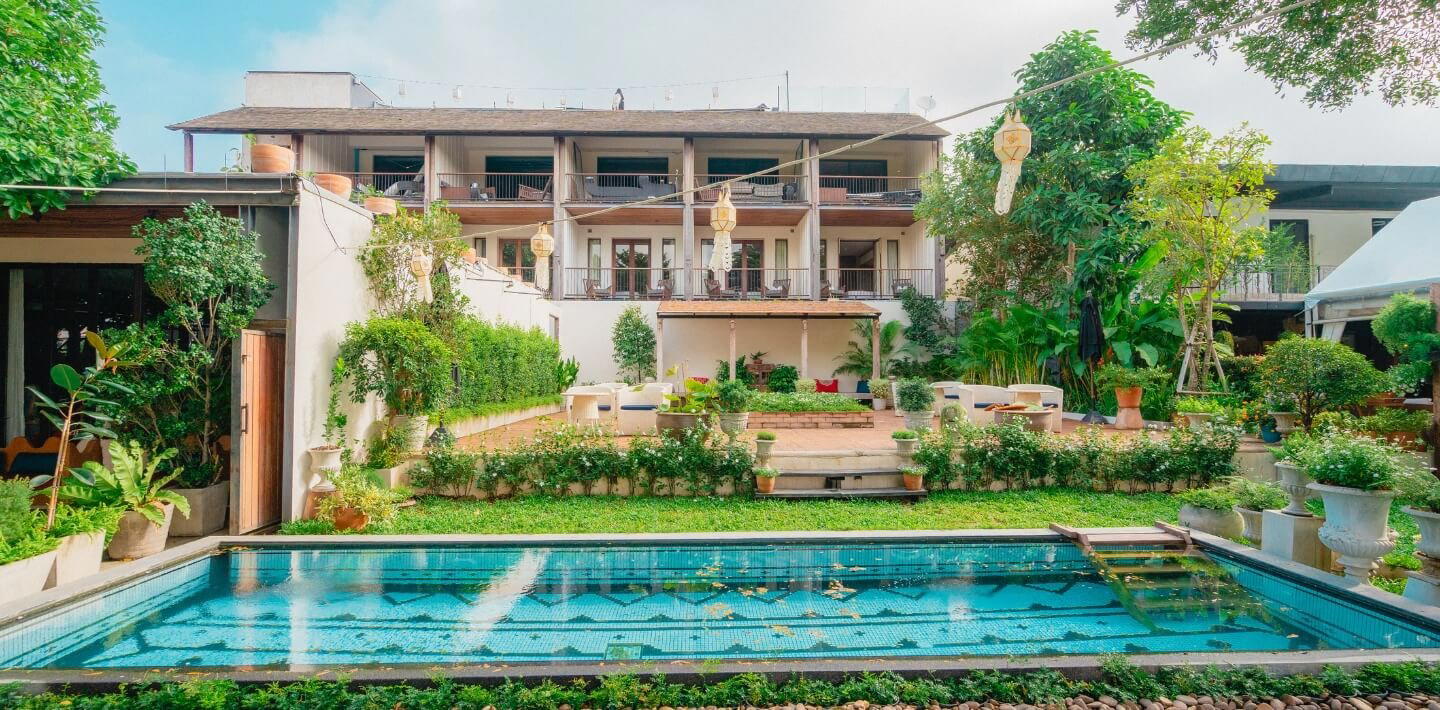
Set among gardens in Chiang Mai's San Sai District, Kinlum Kindee holds two consecutive Michelin Plate recognitions (2024, 2025) for Northern Thai cooking grounded in hyperlocal produce. Dishes like nam prik num with fermented fish and gang pak waan with ant eggs reflect a pantry drawn directly from the surrounding land, with flavour profiles that skew bold, fermented, and distinctly Lanna in character.

Pearl is the En Primeur Club membership app, where members save venues, book tables and use the concierge.
The menu
What to order
- Sai Ua
- Sun-dried buffalo
- Grilled field crab innards with egg yolks
- Northern herb soup with pork
- Fried pork crackling
San Sai and the Northern Thai Table
The drive out of central Chiang Mai into San Sai District signals a shift in register. The traffic thins, the paddies and orchards widen, and the restaurants along this stretch tend to serve the kind of food that has never needed to explain itself to tourists. Northern Thai cuisine here is not a heritage performance; it is the daily logic of a highland larder shaped by elevation, foraging culture, and fermentation traditions that diverge sharply from the central Thai food most visitors encounter first. Kinlum Kindee sits inside that local context, drawing on a garden that supplies its kitchen with vegetables, fruit, and herbs and producing a menu that reads as a direct statement of place.
That directness matters for understanding what the kitchen is actually doing. Northern Thai food, sometimes called Lanna cuisine after the ancient kingdom centred on Chiang Mai, operates on a flavour register unlike the southern or central styles. The four-pillar harmony of Thai cooking, sour, salty, spicy, sweet, tilts differently up here. Bitterness earns a seat at the table that it rarely holds in Bangkok-facing menus. Fermentation produces depth rather than brightness. And the heat, when it arrives, tends to come from dried chilies and spice pastes rather than the fresh-chili heat of southern dishes. Understanding that recalibration is the only way to read what Kinlum Kindee is serving.
The Flavour Architecture of the Menu
The dishes cited in Kinlum Kindee's Michelin Plate recognition across both 2024 and 2025 give the clearest structural read on the kitchen's priorities. Nam prik num, a roasted green chili dip made with fermented fish, anchors the salty-fermented axis. This is a dish where the funk of ferment is not a background note but the main event, lifted by the char of roasted chilies and tempered by the vegetables served alongside for dipping.
Kua kae with frog occupies a different register: a dry-fried Southern-influenced preparation that found its way into the Lanna pantry along old trade routes. The spice paste here layers dried chilies, turmeric, and aromatics into a coating that produces a deep, slightly earthy heat rather than the bright spike of fresher preparations. Frog, with its dense white flesh, carries that paste more aggressively than chicken would. It is a combination that rewards diners willing to sit with the heat rather than manage it.
Gang pak waan with ant eggs is the most specifically Northern Thai item on that list. Wild bitter greens cooked with ant eggs produce a soup that sits at the intersection of sour, slightly bitter, and subtly saline, the kind of balance that takes the four-pillar framework and deliberately weights it toward the edges most unfamiliar to outside palates. This is not a dish that translates easily to a broad audience, which is precisely why its presence on a Michelin-recognised menu says something about the kitchen's confidence in its own tradition.
For reference, other Chiang Mai restaurants working in this Northern Thai register at the ฿฿ price tier include Busarin Cuisine, Huen Muan Jai, and Huan Soontaree, each with a slightly different emphasis on formality and setting. Gongkham and Chum (Saraphi) extend that exploration into adjacent districts. Within Thailand more broadly, the Michelin-starred treatment of regional cuisine as a serious culinary category is visible at Sorn in Bangkok (Southern Thai) and AKKEE in Pak Kret, while farm-to-table alignment with a garden program finds a structural parallel in PRU in Phuket. For Northern Thai cooking encountered outside the north, Huen Lamphun (Taling Chan) in Bangkok and Khao Soi Thai Yai in Udon Thani offer useful comparative data points.
Seasonality and the Garden Pantry
The kitchen's reliance on produce grown on-site and sourced from the surrounding area means the menu responds to seasonal availability in ways that more supply-chain-dependent restaurants do not. The cool season, roughly November through February, brings the fullest range of highland vegetables to northern Thai kitchens: bitter gourds, wild mushrooms, and foraged greens that form the backbone of dishes like gang pak waan. Visiting during that window gives the most complete read on what the kitchen can produce. The hot season narrows the produce range but concentrates flavour in fruit and dried-chili preparations. Both periods are worth considering depending on which axis of the menu most interests you.
This kind of seasonal responsiveness is characteristic of the broader Lanna food tradition, which developed in a highland environment where preservation and fermentation served a practical storage function as much as a flavour one. The fermented fish in the nam prik num is not a stylistic choice; it is the accumulated logic of a larder that needed to last.
Context in the Wider Thai Restaurant Scene
The Michelin Plate, awarded in both 2024 and 2025, positions Kinlum Kindee within the recognition tier that acknowledges good cooking without the starred hierarchy. In Chiang Mai's Northern Thai category, that signal carries weight because it directs attention to regional specificity at a moment when the broader Thai fine-dining conversation, centred on Bangkok, risks flattening regional difference into a single national narrative. Restaurants like Kinlum Kindee, along with operations in Phuket such as PRU and regional addresses like Angeum in Ayutthaya and Agave in Ubon Ratchathani, represent the Michelin guide's incremental effort to map Thai cuisine beyond the capital. That geographic spread matters for travellers whose interest is in regional cooking on its own terms rather than as a backdrop to a Bangkok itinerary.
At ฿฿ pricing, Kinlum Kindee sits at the accessible end of Michelin-recognised dining in Thailand, roughly comparable to mid-range Northern Thai restaurants in Chiang Mai's city centre. The San Sai location adds a logistical consideration: the restaurant is a drive from the Old City, and without a car or hired transport, reaching it requires planning. That friction filters the clientele toward visitors who have specifically sought it out, which tends to produce a more local and less tourist-heavy dining room than restaurants on or near Nimmanhaemin Road. For those already planning time in the eastern or northern edges of Chiang Mai, the San Sai location clusters naturally with other draws in that direction.
For broader orientation across Chiang Mai's dining, drinking, and hospitality options, see our full Chiang Mai restaurants guide, our full Chiang Mai hotels guide, our full Chiang Mai bars guide, our full Chiang Mai wineries guide, and our full Chiang Mai experiences guide. For a window into Northern Thai cooking in a different format, The Spa in Lamai Beach demonstrates how regional Thai food traditions travel and adapt in resort contexts.
Planning Your Visit
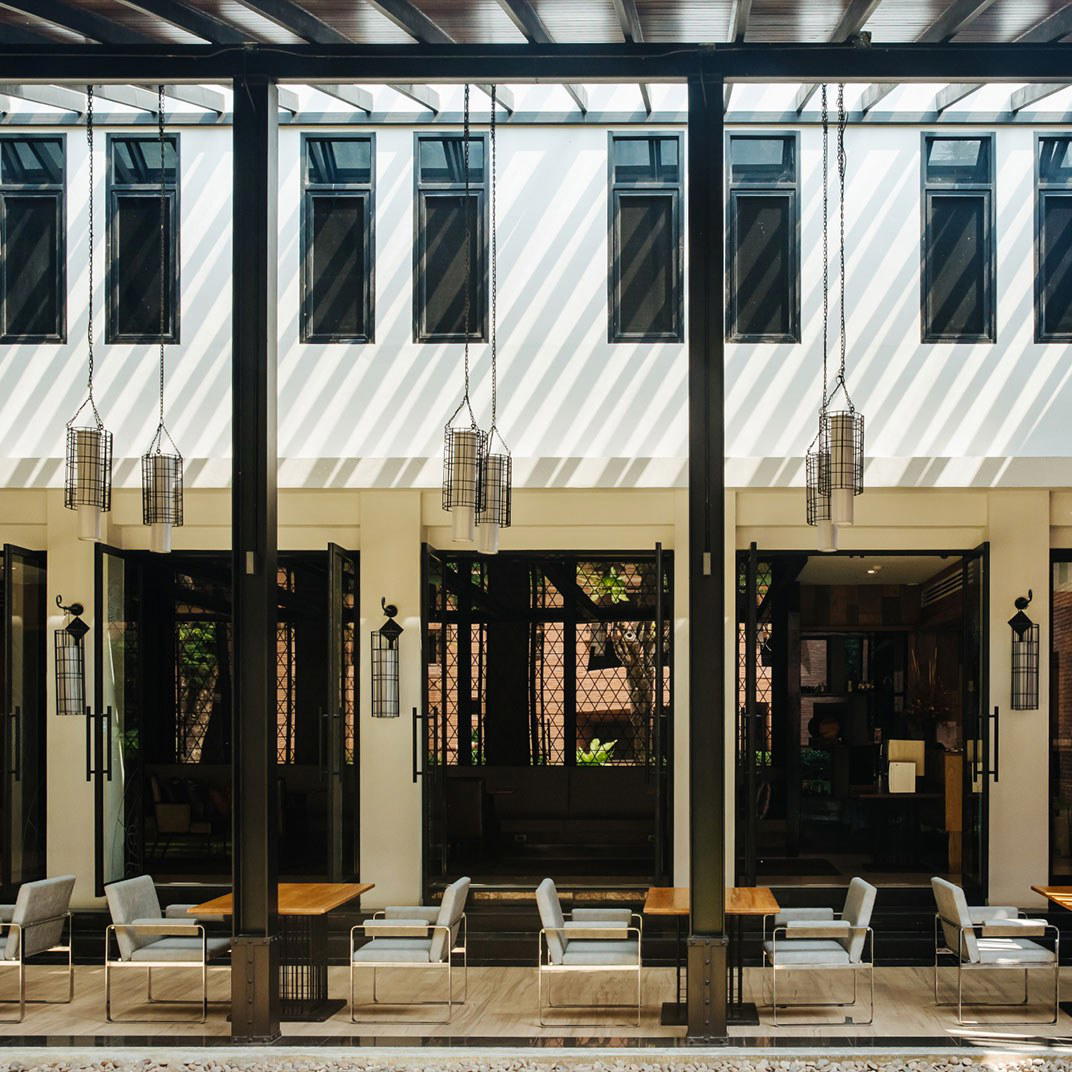
Kinlum Kindee is located at Mueang Len, San Sai District, Chiang Mai 50210, a setting surrounded by natural cover that functions as both the restaurant's aesthetic and its pantry. Booking in advance is advisable given the Michelin Plate recognition and the out-of-city location, which means walk-in traffic is lower but reservation demand from informed visitors is higher. Transport should be arranged independently, as the San Sai location is not walkable from central Chiang Mai. A hired driver or ride-share is the standard approach for visitors without their own vehicle.
Frequently asked questions
Does Kinlum Kindee work for a family meal?
The setting in San Sai District, surrounded by natural cover, suits a relaxed, unhurried pace that works well for groups and families. The menu is anchored in traditional Northern Thai dishes, many built around shared plates and bold, ingredient-driven flavours, which lends itself to communal eating. The price range (฿฿) keeps it accessible without feeling casual.
What's the overall feel of Kinlum Kindee?
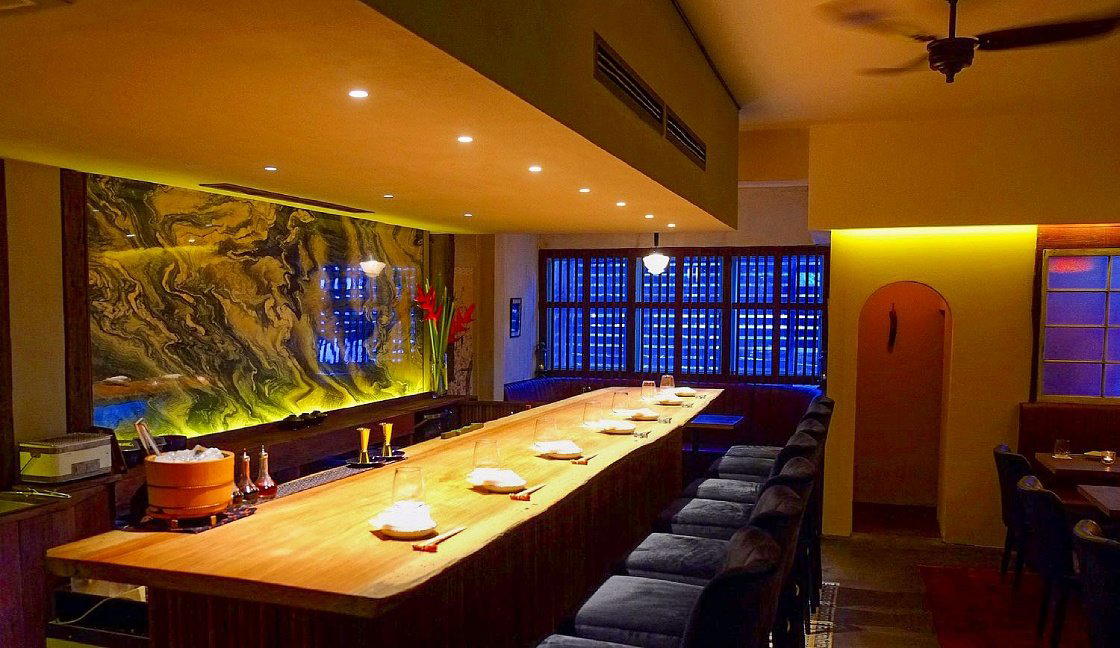
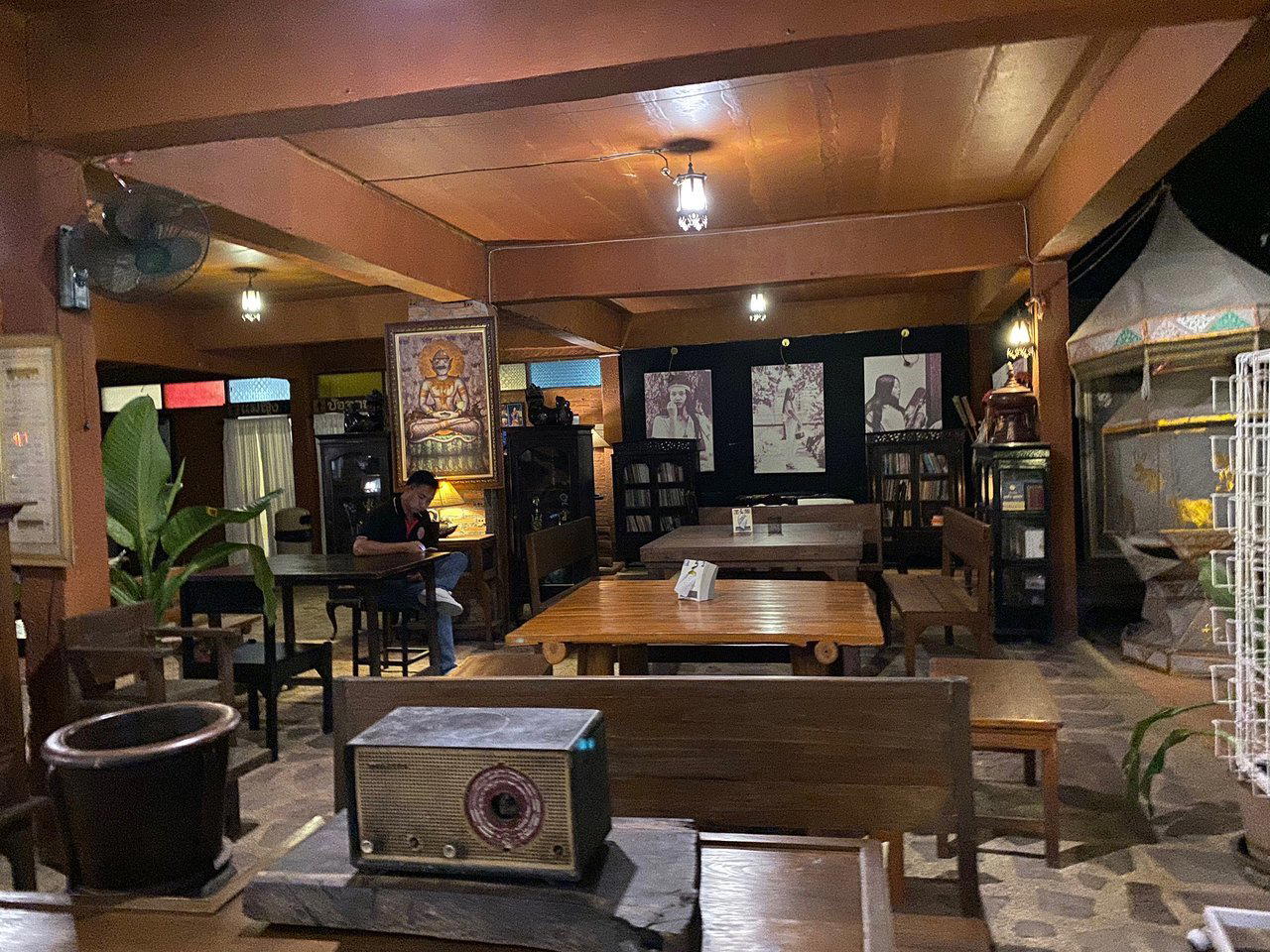
Kinlum Kindee sits in a garden setting in San Sai, roughly outside the dense core of central Chiang Mai, with its own cultivated land supplying much of the kitchen. The register is quiet and grounded rather than polished or urban. Two consecutive Michelin Plate awards (2024 and 2025) confirm the cooking is serious, but the atmosphere reads as genuinely local rather than destination-restaurant formal.
What kind of recognition has Kinlum Kindee received?
Kinlum Kindee has received recognition including: In a serene location in San Sai, surrounded by nature, this Northern Thai spot serves traditional cuisine made with vegetables, fruit and herbs grown in their garden. Dishes such as nam prik num with fermented fish, kua kae with frog or gan….
What's the must-try dish at Kinlum Kindee?
The Michelin recognition specifically calls out nam prik num with fermented fish, kua kae with frog, and gang pak waan with ant eggs as representative of the kitchen's direction. These are dishes built around hyper-local Northern Thai ingredients that don't appear on standard restaurant menus, which makes them the clearest reason to make the drive to San Sai.
A quick peer reference to anchor this venue in its category.
| Venue | Cuisine | Price | Awards | Notes |
|---|---|---|---|---|
| Kinlum KindeeThis venue (the venue you are viewing) | Authentic Northern Thai (Lanna) | $10–20 | Michelin Plate | Not listed |
| Busarin Cuisine | Northern Thai | $10–20 | Michelin Plate | ฿฿ |
| Chai | Authentic South Indian & North Indian Cuisine | $1–10 | Michelin Bib Gourmand | Street Food, ฿฿ |
| Dan Chicken Rice (San Sai) | Thai Hainanese-Style Chicken Rice | $1–10 | Michelin Bib Gourmand | Small eats, ฿ |
| Ekachan | Regional Thai Cuisine | $10–20 | Michelin Plate | Thai, ฿฿ |
| Khao Soi Mae Manee | Northern Thai Khao Soi | $1–10 | Not listed | Not listed |
Recognition history
Dated appearances from independent guides and award organizations, with the underlying list record or original source where available.
Michelin Plate
Michelin
Full recognition history (3 entries)
Michelin Plate
Michelin
Michelin Plate
Michelin