Kimukatsu Bintaro Jaya Xchange
Kimukatsu Bintaro Jaya Xchange brings the Japanese katsu tradition to South Tangerang's busiest retail corridor, operating from the ground floor of Bintaro Jaya Xchange Mall. The brand's signature concept centres on layered pork cutlets, a technique that distinguishes it from standard tonkatsu formats found across the Greater Jakarta dining circuit. For residents of Pondok Aren and surrounding suburbs, it represents a practical entry point into Japanese comfort dining without the commute into central Jakarta.
Pearl is the En Primeur Club membership app — saves, bookings, and concierge access live there. Same editors, same standards.
- Address
- Bintaro Jaya Xchange Mall, North Gate, Jalan Sektor VII Jl. Boulevard Bintaro Jaya No.2 Lantai GF, Pondok Jaya, Pondok Aren, Banten 15227, Indonesia
- Phone
- +6281292799474
- Website
- kimukatsu.id
- Directions
- Get directions
 Saves & bookings on Pearl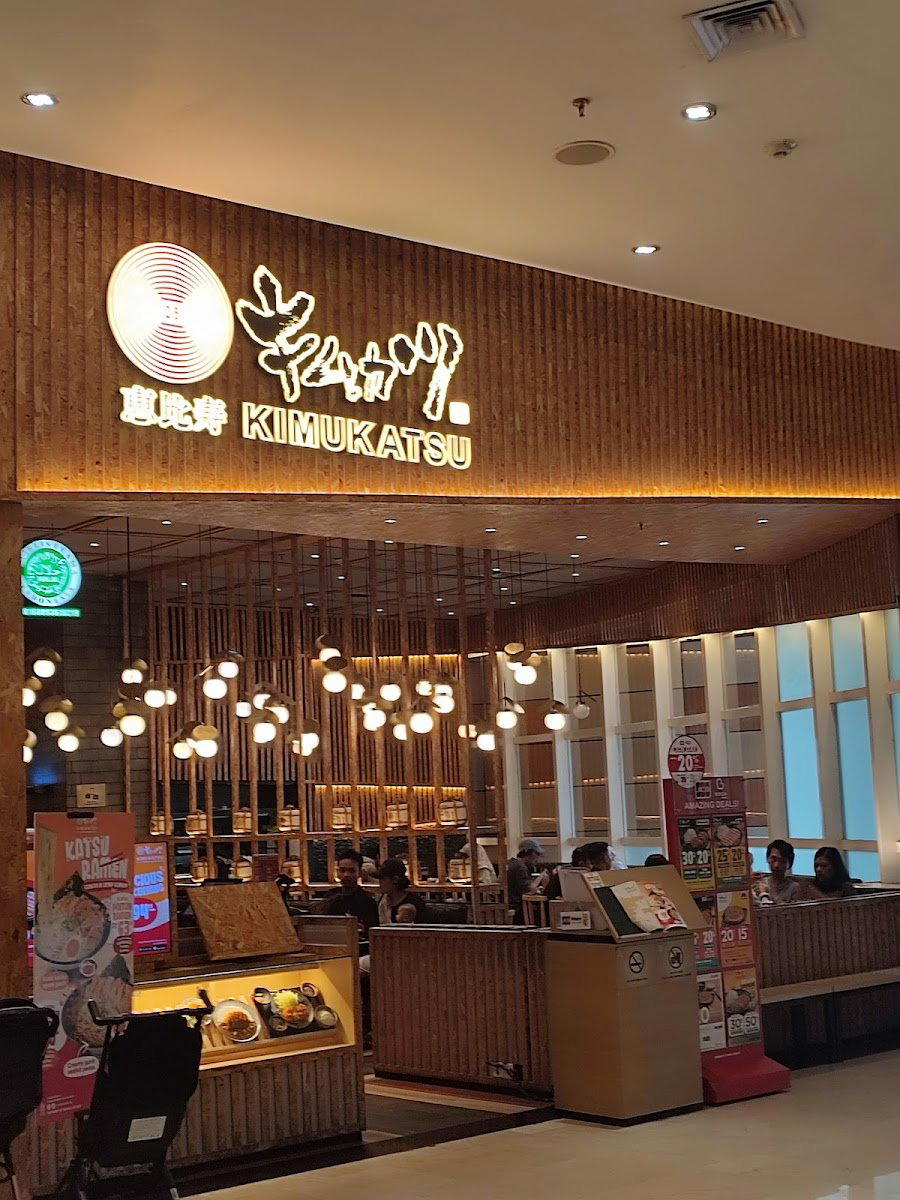
Japanese Katsu in the Suburbs: What Bintaro's Mall Dining Circuit Reveals
South Tangerang's dining corridor has developed in a way that mirrors suburban expansion across Greater Jakarta: as the residential population densified, so did the restaurant offer inside its anchor malls. Bintaro Jaya Xchange, situated along Jalan Boulevard Bintaro Jaya in the Pondok Aren district, functions as one of those anchor points, drawing residents from a catchment that extends well beyond Pondok Jaya. The ground floor hosts a concentrated mix of casual-to-mid-range dining, and Kimukatsu occupies a position within that mix that is worth understanding on its own terms: it is part of an internationally franchised Japanese brand built around a specific, patented approach to the tonkatsu format.
Tonkatsu itself, breaded and fried pork cutlet, sits at the more accessible end of Japanese dining culture. It originated in Tokyo's yoshoku tradition in the late nineteenth century, a Japanese adaptation of European-style breaded cutlets, and has since become one of the country's most replicated exports. In Indonesia, the format arrived partly through the growth of Japanese chain restaurants in urban malls and partly through independent operators who absorbed it into broader Asian menus. Kimukatsu's position in that history is specific: the brand distinguishes itself through a 25-layer pork cutlet technique, in which thin slices of pork are stacked and fried together, producing a texture and cross-section that differs from a single-cut tonkatsu. This is not a minor variation. The layered construction changes how the breading adheres, how the internal meat reads on the palate, and what flavour additions can be pressed between the layers. It is the brand's founding idea, and it explains why Kimukatsu occupies a different competitive position than a generic katsu restaurant.
Where This Location Sits in South Tangerang's Japanese Dining Field
Japanese cuisine has a disproportionately strong presence in South Tangerang's restaurant scene relative to the city's overall size. The suburb's professional-class demographic, many of whom commute to Jakarta's CBD or work in the Tangerang industrial corridor, has generated sustained demand for Japanese formats: ramen shops, sushi counters, yakiniku grills, and katsu specialists. Hachi Grill Alam Sutera represents the yakiniku end of that spectrum, while this Kimukatsu outlet addresses the fried cutlet segment. Together, they indicate how the local Japanese dining offer has matured beyond a single generic format into distinct subcategories, each with its own logic.
The mall context matters here. Bintaro Jaya Xchange is not a destination restaurant strip; it is a convenience-driven environment where dining decisions happen quickly and repeat visits depend on consistency. That sets the operational standard differently from a standalone specialist. Venues in this format compete primarily on reliability, value perception, and speed of service rather than on the kind of theatrical or highly personalised experience you find at counters like August in Jakarta or the tasting menu format at Locavore NXT in Ubud. The comparison is not a slight. It clarifies what kind of dining Kimukatsu Bintaro is designed to deliver and what a visitor should measure it against.
For South Tangerang diners building a mental map of the area's options, the full South Tangerang restaurants guide provides a wider frame. Within that map, this outlet sits in the mid-tier Japanese casual segment alongside other mall-anchored concepts. Nearby alternatives such as Cutt & Grill Flavor Bliss and Calicoffice address different cuisine categories, while The Grand Nihao pulls the area's Chinese dining traffic. The competitive set for Kimukatsu is narrower: it is speaking to the specific appetite for Japanese fried food done with some technical intention behind it.
The Cultural Logic of Katsu in Indonesia
Understanding why a Japanese brand built around a single technique finds a foothold in suburban Indonesian malls requires some attention to how Japanese food culture has been absorbed locally. Indonesia's relationship with Japanese cuisine is not superficial. Decades of Japanese corporate investment in the country brought Japanese expatriate communities, Japanese company canteens, and eventually Japanese restaurant concepts into the mainstream. By the 2000s, Japanese casual dining had moved well beyond expatriate consumption and into local Indonesian dining habits, particularly among younger urban demographics who treat Japanese food as a regular rather than an occasional choice.
Katsu specifically translates well into that context. The format is familiar enough to require no explanation, breaded fried protein over rice, with a dark sauce, yet specific enough that a brand claiming a technical distinction can hold a recognisable identity. Kimukatsu's layered construction is a legible point of difference in a market where generic katsu is widely available. The same dynamic plays out across the Indonesian mall dining circuit: consumers who eat Japanese food regularly are increasingly attuned to format differences, and a brand that can name its technique has a clearer position than one that cannot. This is less true at the high end, where Jakarta venues like Kita 喜多 Restaurant And Bar in Kecamatan Menteng compete on chef credentials and sourcing, but it is decisive in the mid-market segment where Kimukatsu operates.
The wider Indonesian dining scene has seen similar format-specific Japanese brands gain traction across the archipelago, from Bali venues such as Bikini Restaurant Bali in Badung and Jungle Fish Bali in Gianyar to city-centre options in Tangerang like Hwang Fu Dimsum. Each of those venues addresses a specific format appetite. Kimukatsu's Bintaro outlet follows that same logic applied to the pork cutlet segment.
Planning a Visit: What to Know Before You Go
Kimukatsu Bintaro Jaya Xchange is a casual Layered Katsu Japanese restaurant in South Tangerang, Banten, with a price point of about US$10 per person. It operates from the ground floor of Bintaro Jaya Xchange Mall, accessible via the North Gate entrance on Jalan Sektor VII, Jalan Boulevard Bintaro Jaya No.2. The Pondok Jaya, Pondok Aren address in Banten places it within comfortable reach for residents across the South Tangerang corridor. Mall-based dining in Indonesia typically operates across the venue's full daily opening window, aligned with the mall's own hours, which generally run from mid-morning through late evening. Booking is not expected for this format; the walk-in model is standard. Pricing aligns with the mid-range mall dining bracket common across Greater Jakarta, positioned above fast-food but below the premium Japanese restaurant tier found in central Jakarta. The dress code is casual, consistent with mall dining norms throughout Indonesia. Le Bernardin in New York City and Atomix in New York City represent an entirely different bracket, and regional comparisons such as Chongqing Liuyishou Hotpot in South Jakarta or Hai Di Lao in Central Jakarta sit closer to the same accessible tier.
Price and Recognition
Comparable venues nearby, for context on price, style, and recognition.
| Venue | Cuisine | Price | Notes |
|---|---|---|---|
| Kimukatsu Bintaro Jaya XchangeThis venue — the venue you are viewing | Not listed | $$ | Not listed |
| Hachi Grill Alam Sutera | Not listed | $$ | Alam Sutera, Halal Japanese Yakiniku & Shabu-Shabu |
| Cutt & Grill Flavor Bliss | Alam Sutera, Steakhouse Grill | $$ | Not listed |
| The Grand Nihao | Not listed | $$ | Alam Sutera, South Tangerang, Chinese Seafood |
| Calicoffice | Not listed | $ | Serpong, BSD City, Australian-Japanese Fusion Cafe |
| Furusato Izakaya | Not listed | $$ | Karet Teng Sien, Traditional Japanese Izakaya |
Continue exploring
More in South Tangerang
Restaurants in South Tangerang
Browse all →
Bars in South Tangerang
Browse all →


At a Glance
- Modern
- Cozy
- Casual Hangout
- Family
- Open Kitchen
Current opening hours
- Monday
- 10 AM–10 PM
- Tuesday
- 10 AM–10 PM
- Wednesday
- 10 AM–10 PM
- Thursday
- 10 AM–10 PM
- Friday
- 10 AM–10 PM
- Saturday
- 10 AM–10 PM
- Sunday
- 10 AM–10 PM
Hours can change for holidays and private events. Last verified .
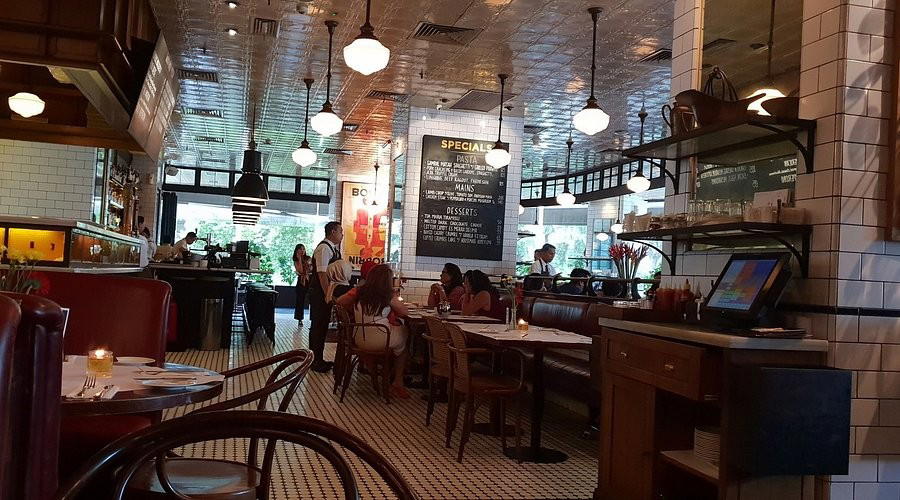
Peaceful atmosphere with Japanese ambience and hospitable service.