
Tabelog 100 #4
Our verdict
Kikujudo Yoshinobu belongs to Osaka’s quieter wagashi circuit, where small-batch sweets, take-out culture, and tea-room restraint carry more weight than spectacle. Its Tabelog 100 selection for Japanese traditional sweets and Japanese sweets cafes in WEST 2023 places it among Kansai’s serious sweet shops, with daifuku and classic wagashi as the anchor categories.

Pearl is the En Primeur Club membership app, where members save venues, book tables and use the concierge.
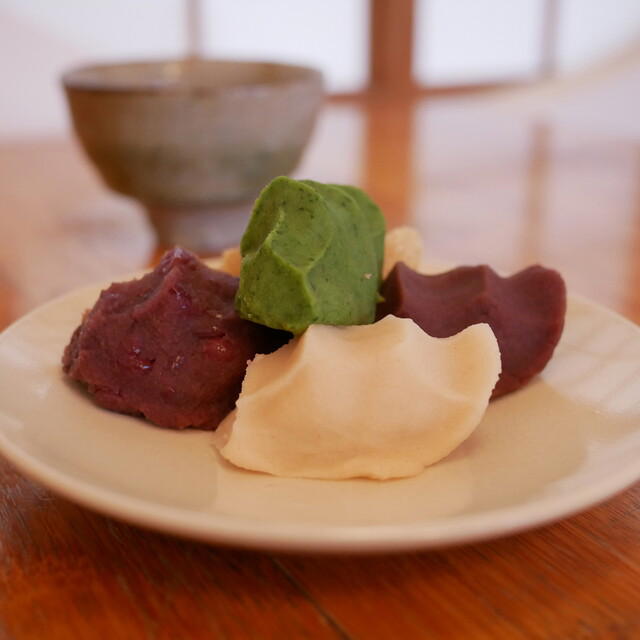
The menu
What to order
- Daifuku (red bean paste rice cake)
- Mochi sweets with anko
- Kuzu-fukusa wagashi
Osaka has a different rhythm beyond the snack-heavy image of railway concourses and neon food streets. In the city’s everyday commercial flow, daytime food errands can reward precision over theatre. In that setting, Japanese traditional sweets make sense. They are portable, seasonal in feel, and built around measured production rather than endless abundance. Kikujudo Yoshinobu sits inside that older Osaka pattern, where a sweet shop can function as both a local errand and a serious food address.
Osaka is often flattened into takoyaki, okonomiyaki, and late-night appetite, but its sweet culture asks for a slower reading. Japanese traditional sweets are not dessert in the Western restaurant sense; they are a craft of form, timing, texture, and balance, often tied to tea and seasonal language. The category rewards shops that make what they can sell well, and that logic has a quiet environmental intelligence: less overproduction, fewer sprawling menus, and a direct relationship between daily demand and daily output. For a visitor, the point is not spectacle. It is the discipline of a focused sweet shop.
Small-batch wagashi in a city better known for appetite
Osaka’s specialist sweet shops occupy a different competitive set from the city’s broader dining rooms. Fushimimachi Kakoiyama, SINAE, Hinotori, Sobabito Aki, and Sumibi Yakitori Torimasa all speak to Osaka’s breadth across different formats, but Japanese traditional sweets change the time scale of a food day. They fit between meetings, before a train, or as a considered gift. That smaller footprint is part of the appeal: a short visit can still carry a clear sense of place.
The Tabelog Hyakumeiten recognition in 2023 gives the shop a useful external marker. Tabelog’s Hyakumeiten lists tend to privilege category depth rather than general glamour, which matters here because Japanese traditional sweets are judged by repetition and trust. A sweet shop does not need a long tasting menu to make a point. It needs consistency, recognizable craft, and enough local demand to justify making perishable goods in controlled quantities.
Daifuku is listed among the core categories, alongside Japanese traditional sweets and a cafe format featuring Japanese sweets. That combination tells the reader how to use the place. This is not a Western pastry stop with Japanese sweets as decoration, nor a dessert counter attached to a restaurant. It belongs to the tradition of specialist sweet shops where texture, preparation, handling, and seasonal rotation define the category, even when individual items are not fixed publicly for every day.
The sustainability is in restraint, not messaging
Japan’s older food crafts often practiced restraint before sustainability became a restaurant keyword. Japanese traditional sweets depend on careful production, short shelf lives, and a calendar of seasonal cues. A shop focused on Japanese traditional sweets operates with a practical form of waste control when production is aligned to the day rather than to excess display. The reader should not expect a manifesto; the environmental story is embedded in scale, perishability, and demand-led craft.
That restraint also separates the experience from higher-consumption luxury dining. A focused Japanese sweets cafe keeps the encounter compact, while the shop format makes it easy to treat the visit as part of ordinary city life rather than a full restaurant occasion. Those details place Kikujudo Yoshinobu closer to local routine than destination dining, which is exactly why it works as a counterpoint in an Osaka itinerary.
For travellers building a food day, the smarter move is to treat Japanese traditional sweets as their own stop rather than an afterthought. Pairing a Japanese sweet shop with lunch or dinner elsewhere in the city gives a better read on Osaka than chasing only full meals. The city’s range can run from casual daytime eating to polished dining rooms and other unnamed Osaka specialties. A daytime sweets stop adds another register: quieter, more perishable, and more closely tied to the discipline of daily making.
How to fit it into an Osaka food day
Kikujudo Yoshinobu rewards daytime planning. The shop’s category is not built around a long restaurant rhythm, and the better approach is to arrive with Japanese traditional sweets in mind rather than expecting a full meal. If a particular sweet is the reason for going, advance contact is the sensible move. The venue is in Osaka, which makes the stop easy to fold into a broader city route rather than treating it as a special detour.
The practical reading is simple: go for Japanese traditional sweets, not for a long meal. The value sits in category seriousness at modest spend, with Tabelog listing pricing as - JPY 999 View spending breakdown, a score of 3.68, and 2023 Tabelog Hyakumeiten recognition. Its listed categories are Japanese traditional sweets, a cafe featuring Japanese sweets, and daifuku, giving the clearest guide to what the visit is for.
For a broader city plan, start with Our full Osaka restaurants guide, then widen the trip through general Osaka hotels, bars, wineries, and experiences resources. Readers comparing Japanese food formats beyond Osaka can also look more broadly at unnamed dining in other cities, but Kikujudo Yoshinobu is best understood in its own category: a focused Osaka address for traditional sweets, Japanese sweets cafe culture, and daifuku.
Frequently asked questions
Is Kikujudo Yoshinobu open every day?
Check the venue directly for current opening days and hours before visiting, as schedules for specialist sweet shops can change.
Is Kikujudo Yoshinobu more mid-range or high-end?
Pricing at Kikujudo Yoshinobu is listed as - JPY 999 View spending breakdown.
Where is Kikujudo Yoshinobu in Osaka?
Osaka.
What is Kikujudo Yoshinobu known for?
Kikujudo Yoshinobu is known for Japanese traditional sweets, a cafe format featuring Japanese sweets, and daifuku in Osaka. It had Tabelog Hyakumeiten recognition in 2023 and has a listed Tabelog score of 3.68.
What if I have allergies at Kikujudo Yoshinobu?
For allergies, it is best to contact the shop before ordering because specialist sweets may include ingredients that need to be checked in advance. Kikujudo Yoshinobu lists its phone number as +81-6-6231-3814.
Is Kikujudo Yoshinobu child-friendly?
Check the venue's official channels for the latest details before visiting. Kikujudo Yoshinobu is an Osaka sweets address, and planning ahead is sensible for any family visit.
Local
Comparable venues by cuisine and category.
| Venue | Cuisine | Price | Awards | Notes |
|---|---|---|---|---|
| Kikujudo YoshinobuThis venue (the venue you are viewing) | Traditional Japanese wagashi & tea cafe | Not listed | Tabelog 100 #4 | Not listed |
| Fushimimachi Kakoiyama | Traditional Japanese Kaiseki | $300–500 | 1 Michelin Star · Tabelog Bronze #156 | Japanese |
| SINAE | Modern French with Japanese Influences | $150–200 | 1 Michelin Star · Tabelog 100 #73 | French |
| Hinotori | Chinese | Not listed | Not listed | Not listed |
| Sobabito Aki | Traditional Soba & Japanese Small Plates | $20–30 | Tabelog 100 #60 | JPY 3,000 - JPY 3,999 JPY 1,000 - JPY 1,999 |
| Sumibi Yakitori Torimasa | Modern Yakitori Omakase | $50–100 | Tabelog 100 #87 | JPY 6,000 - JPY 7,999 |
Recognition history
Dated appearances from independent guides and award organizations, with the underlying list record or original source where available.
Tabelog 100 #4 · No. 4
Tabelog · Tabelog 100 - Japanese traditional sweets / Japanese sweets cafe - WEST - 2023
Continue exploring
More in Osaka
Restaurants in Osaka
All restaurants in Osaka →

Bars in Osaka
All bars in Osaka →

Hotels in Osaka
All hotels in Osaka →


Wineries in Osaka
Browse all →
Details
- Quiet
- Classic
- Cozy
- Solo
- Casual Hangout
- After Work
- Standalone
- Design Destination
- A La Carte
- Counter Dining
- Tea
Current opening hours
- Monday
- 10 AM–4:30 PM
- Tuesday
- 10 AM–4:30 PM
- Wednesday
- 10 AM–4:30 PM
- Thursday
- 10 AM–4:30 PM
- Friday
- 10 AM–4:30 PM
- Saturday
- Closed
- Sunday
- Closed
Hours can change for holidays and private events. Last verified .
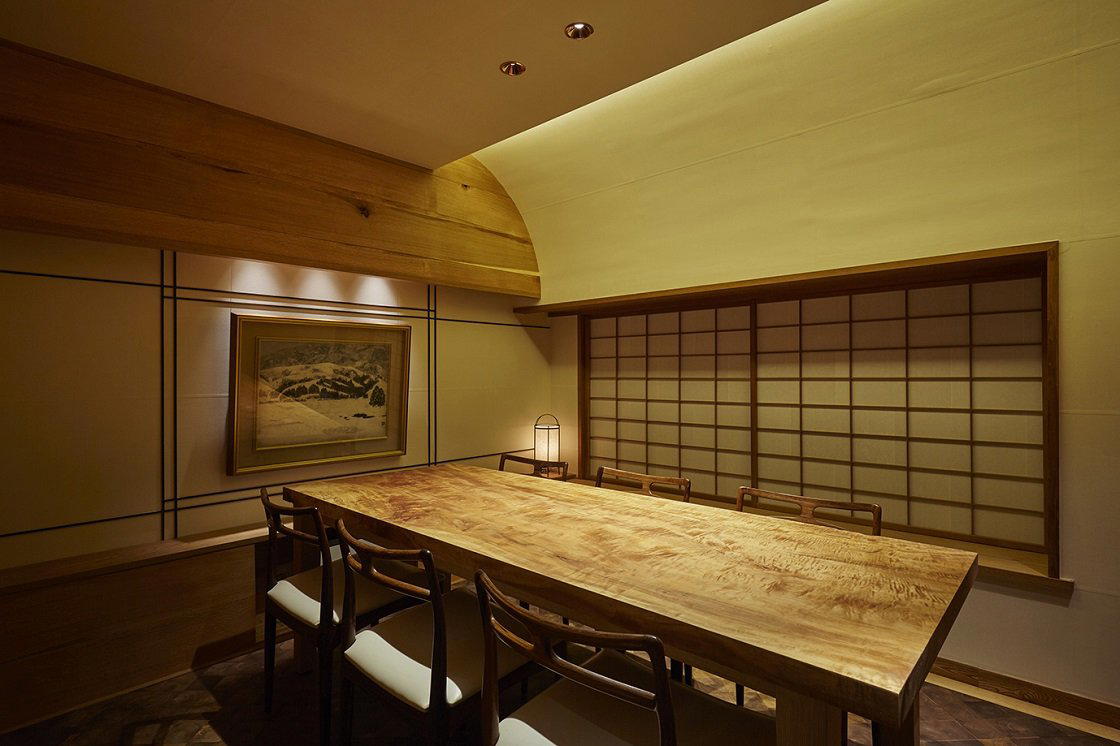
Traditional and understated, with a calm, quiet atmosphere suited to slowly enjoying Japanese sweets and tea rather than a busy café vibe.