
Keawloon occupies a different tier from Bangkok's Michelin-decorated Thai tables: two to three tables per service, a menu rooted in Nakhon Si Thammarat and Sukhothai traditions, and dishes that change every two months. It sits in Phra Khanong, away from the tourist circuits, drawing a clientele that returns for the kind of home-style cooking that formal restaurants rarely replicate.
Pearl is the En Primeur Club membership app — saves, bookings, and concierge access live there. Same editors, same standards.
- Address
- 21/3 Saeng Chan, Phra Khanong, Khlong Toei, Bangkok 10110, Thailand
- Phone
- +66 65 196 4168
- Website
- instagram.com
 Saves & bookings on Pearl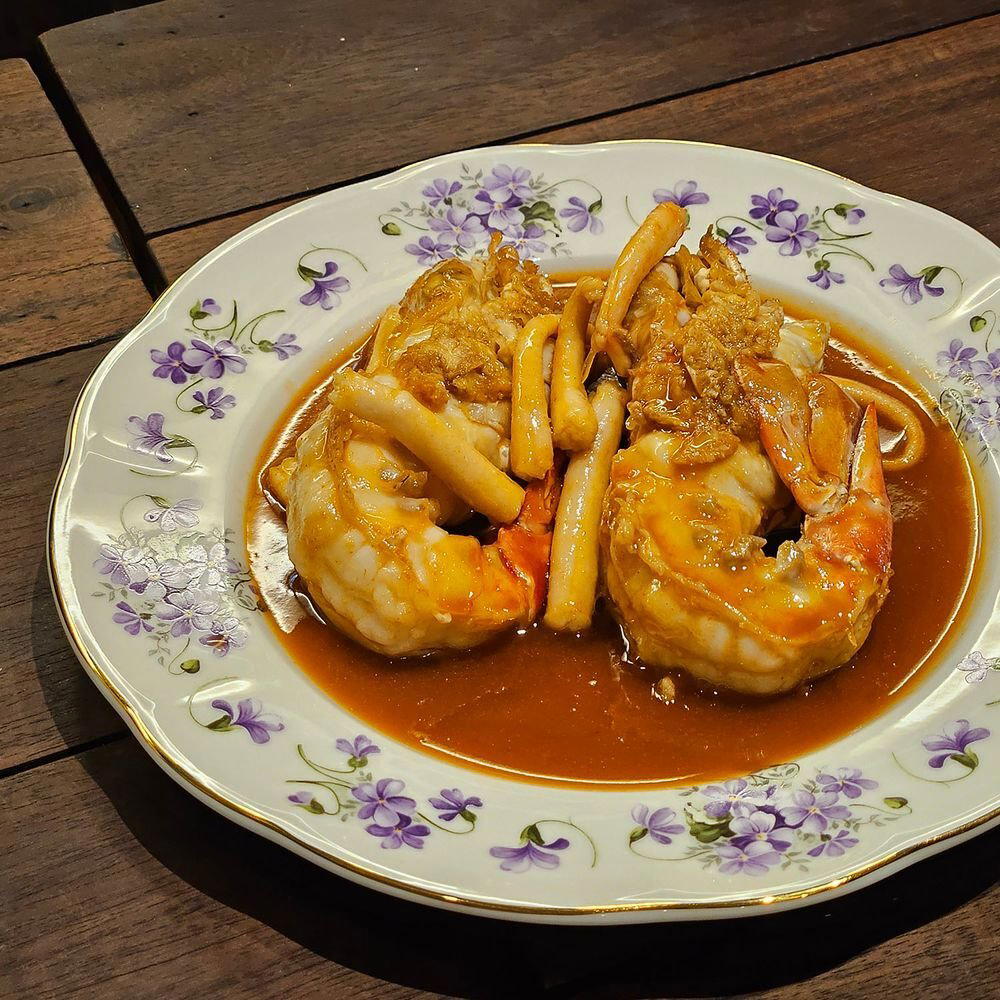
A Side Street in Phra Khanong, and Why It Matters
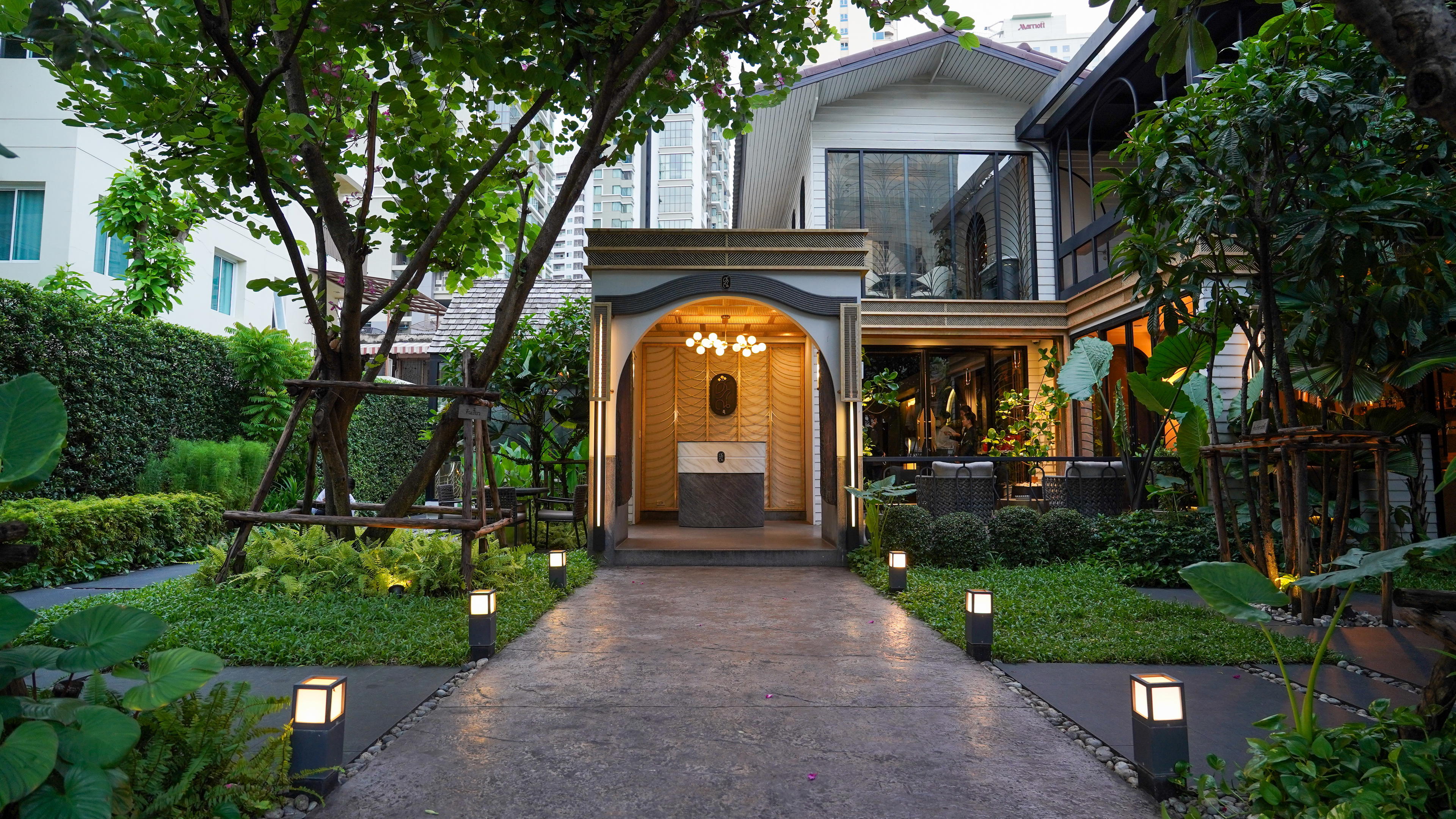
Bangkok's most talked-about Thai cooking tends to arrive in one of two formats: the Michelin-tracked tasting counter, where southern ingredients are plated with modernist precision, or the street-level shophouse, where consistency and speed define the transaction. Keawloon occupies neither category. The address in Phra Khanong, on a residential soi in Khlong Toei, puts it in Bangkok's eastern inner districts. The physical approach, a domestic-scale building on Saeng Chan, signals that what follows is governed by the rhythms of a household kitchen, not a restaurant operation.
That distinction carries real weight in a city where the home-cooking register has largely been absorbed into the nostalgia-branding of heritage restaurants. At Keawloon, the setting and the cooking are continuous with each other: two to three tables per service, twice daily, with a menu anchored in recipes from Nakhon Si Thammarat in the south and Sukhothai in the north-central plains. Both regions have distinct culinary identities that Bangkok's mainstream restaurant scene has historically underrepresented. To have them appear together, in a family-sharing format driven by grandmother-lineage recipes, makes Keawloon a specific kind of document about Thai regional cooking.
What Keeps the Regulars Returning
The format alone explains much of the loyalty. With two to three tables per service, Keawloon operates at a scale where the kitchen can respond to the people at the table rather than to a standardised ticket system. That relationship, between a small, fixed group of diners and a kitchen cooking at domestic volume, is precisely what regulars describe as irreplaceable. The family-sharing format reinforces it: dishes arrive at the table to be negotiated and divided, which changes how people eat and what they notice about the food.
The menu rotation, which turns over every two months, is the second structural feature that generates repeat visits. A diner who came in March will not find the same table on a June return. This is not the seasonal menu-swapping of a tasting-counter restaurant, where one dish replaces another. At Keawloon, the rotation follows a domestic logic: what is in season, what the kitchen feels like cooking, what the source regions offer at a given time of year. For a regular, tracking those changes becomes part of the relationship with the place.
Opening move of the menu, a Southern Thai appetiser combining sour fruits, sweetened shrimp, and stirred shrimp paste, sets the register for what follows. The combination delivers umami complexity and a palate-clearing acidity before the sharing dishes begin. It is the kind of course that experienced visitors to the region will recognise as structurally similar to the nam phrik and accompaniment format of southern Thai home cooking, where condiment-led dishes anchor the meal rather than decorate it. For first-time diners, it is a calibration. For regulars, it is the familiar opening note that confirms the kitchen is in its usual form.
Regional Thai Cooking and the Bangkok Gap
To understand why Keawloon reads as it does to its regulars, it helps to place it against the wider Bangkok picture. The city's most decorated Thai tables, Sorn and Baan Tepa, have brought serious attention to Thai regional ingredients and tradition. Both operate at the ฿฿฿฿ tier, with tasting-counter formats and pricing that positions them against international fine dining. The work they do is significant, and the recognition is substantiated. But the format of the Michelin counter, however rigorous, is structurally different from a family table with a rotating home kitchen menu.
Keawloon sits in the gap between those refined restaurant experiences and the city's anonymous shophouses. It is not attempting the precision plating of Sorn or the contemporary Thai framework of Baan Tepa, and it is not competing with international fine dining operations like Côte by Mauro Colagreco, Gaa, or Sühring. Its competitive reference is a different category entirely: the Thai grandmother's kitchen, which is not a brand or a concept but a set of practices that have largely disappeared from the restaurant register.
That disappearance is a Bangkok-specific phenomenon worth noting. As the city's restaurant culture has professionalised, accelerated by Michelin's arrival in 2017, home-style cooking has either migrated upward into heritage restaurant branding or remained invisible outside domestic settings. Keawloon makes that cooking available to people outside the family network, while keeping the format close enough to domestic that the experience does not feel mediated. For regulars who grew up eating this way, the recognition is immediate. For those who did not, it is an education in what the formal restaurant circuit tends to edit out.
For further context on Thai regional cooking beyond Bangkok, AKKEE in Pak Kret and Aeeen in Chiang Mai represent comparable commitments to regional Thai specificity in their respective locations. In the south, PRU in Phuket takes a different approach to the same broad southern Thai ingredient pool. For visitors assembling a fuller picture of Thai dining, these form a useful comparative set.
Planning a Visit
The two-service-per-day format and the two-to-three-table capacity mean that availability is genuinely limited. Walk-ins are not accommodated: with this few covers per service, the kitchen plans around confirmed numbers. Booking ahead is not a precaution but a structural requirement of how the restaurant operates. Given the Phra Khanong location, planning the visit around BTS Phra Khanong station is one direct approach; the soi network from the station to Saeng Chan is navigable on foot.
The menu rotation means that advance research into specific dishes is less useful. What will be on the table in any given two-month window cannot be known before the visit. For visitors who prefer to know exactly what they are ordering, the format will require some adjustment. For those who are comfortable handing the meal to the kitchen, it is exactly right.
Know Before You Go
- Address: 21/3 Saeng Chan, Phra Khanong, Khlong Toei, Bangkok 10110, Thailand
- Service format: Two sittings per day; two to three tables per service
- Menu format: Family-sharing; menu rotates every two months
- Reservations: Required, walk-ins not accommodated at this capacity
- Cuisine focus: Home-style Thai; Nakhon Si Thammarat and Sukhothai regional traditions
- Nearest transit: BTS Phra Khanong
The Quick Read
Comparable venues nearby, for context on price, style, and recognition.
| Venue | Cuisine | Price | Notes |
|---|---|---|---|
| KeawloonThis venue — the venue you are viewing | Khlong Tan, Regional Thai Home Cooking | $$ | Not listed |
| Por. Pochaya | Not listed | $$ | Bom Phrap Satru Pai Khwaeng, Traditional Thai-Chinese |
| Sang Thatien | Sanam Luang, Homestyle Thai | $$ | Not listed |
| Prik-Yuak | Not listed | $$ | Phaya Thai Khwaeng, Home-style Southern Thai |
| Beer Hima (Chatuchak) | Chatuchak Khwaeng, Southern Thai Seafood | $$ | Not listed |
| Baannai | Sam Sen, Traditional Thai Family Recipes | $$ | Not listed |
Recognition history
Dated appearances from independent guides and award organizations, with the underlying list record or original source where available.
Michelin Bib Gourmand
Michelin

At a Glance
- Intimate
- Cozy
- Rustic
- Special Occasion
- Casual Hangout
- Open Kitchen
- Private Dining
- Local Sourcing
Current opening hours
- Monday
- 12–9 PM
- Tuesday
- 12–9 PM
- Wednesday
- 12–9 PM
- Thursday
- 12–9 PM
- Friday
- 12–9 PM
- Saturday
- 12–9 PM
- Sunday
- 12–9 PM
Hours can change for holidays and private events. Last verified .
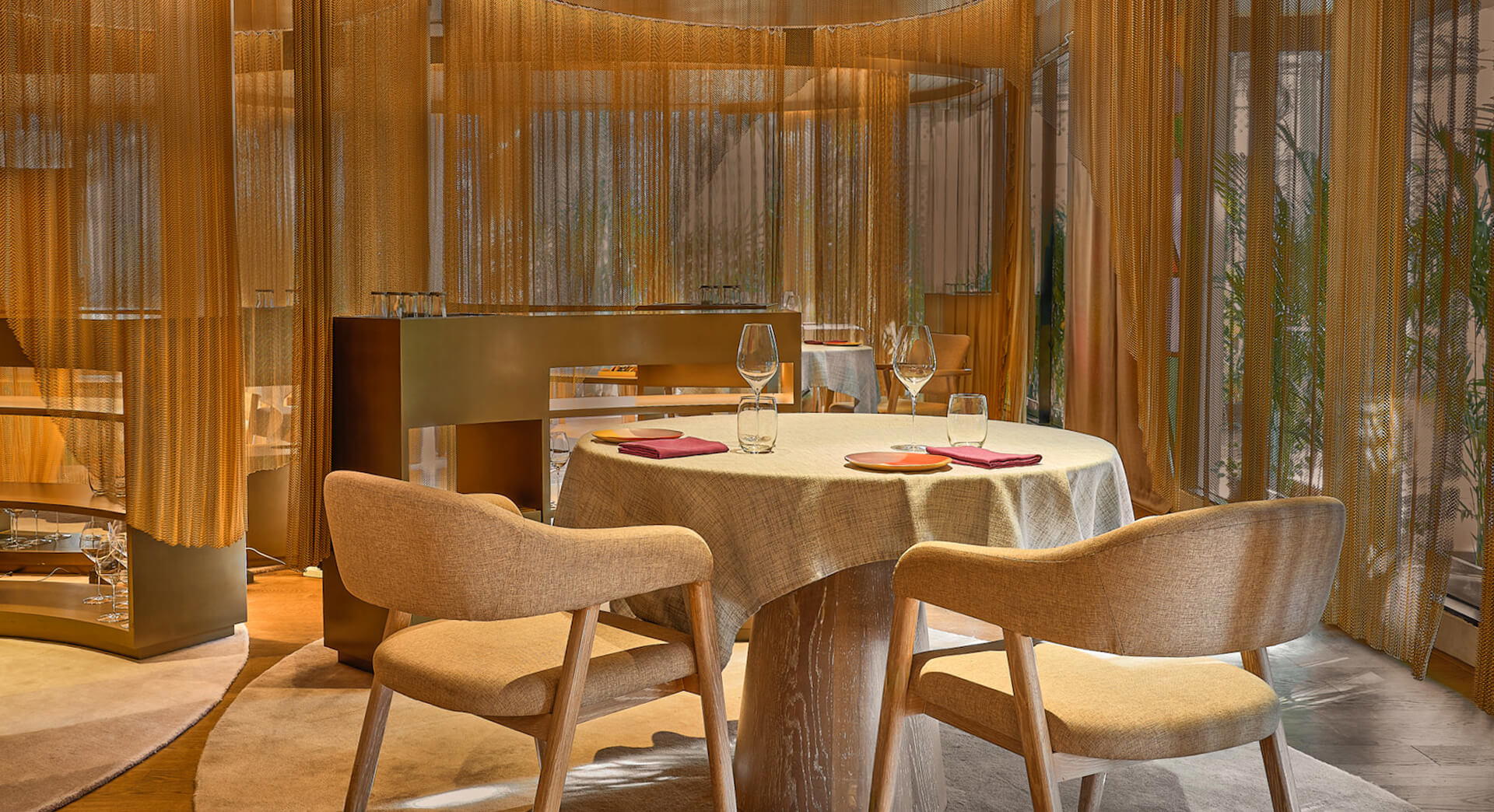
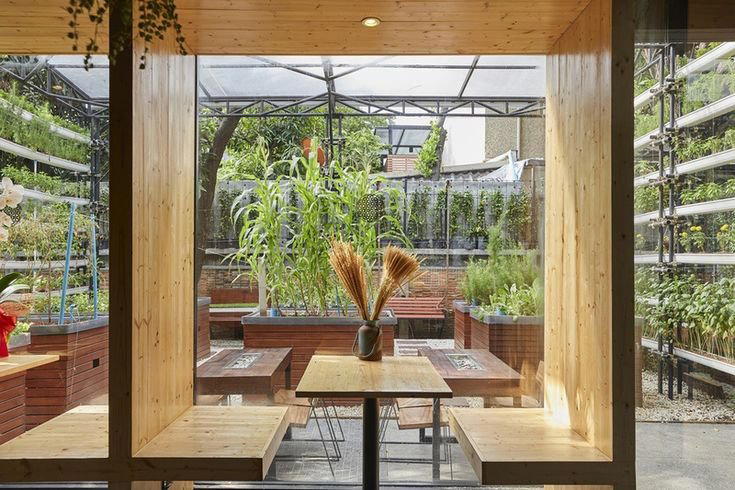
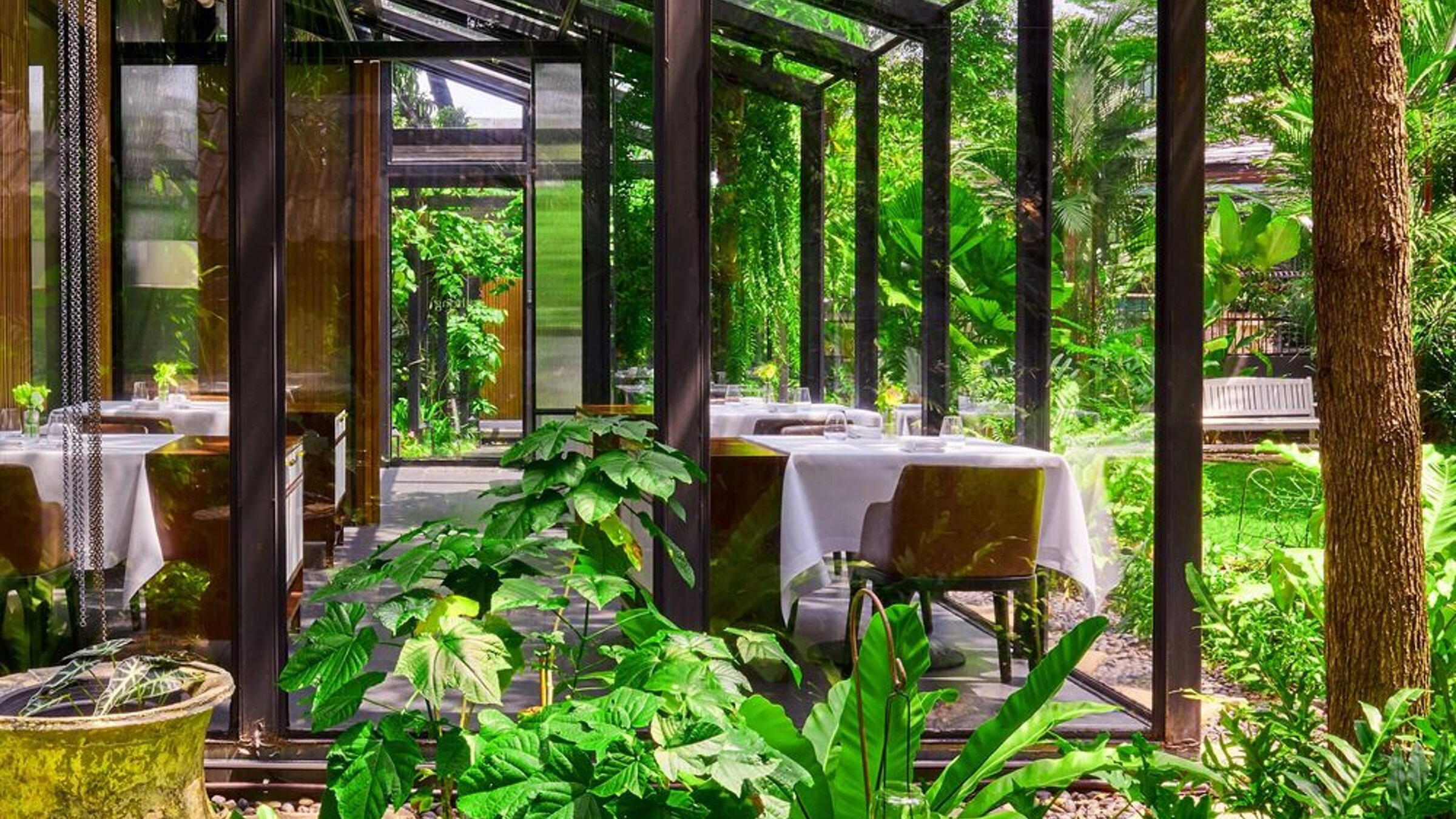
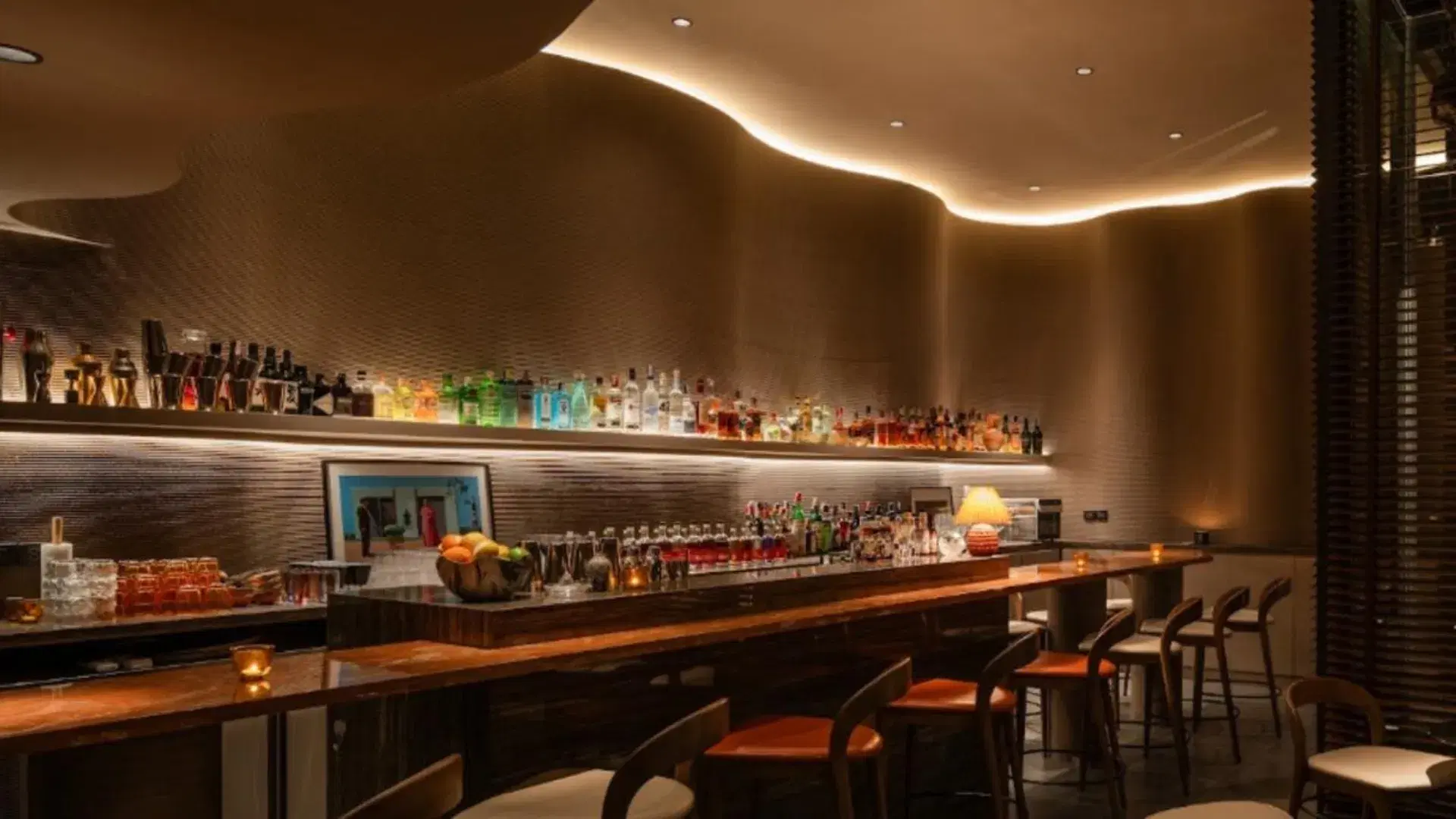
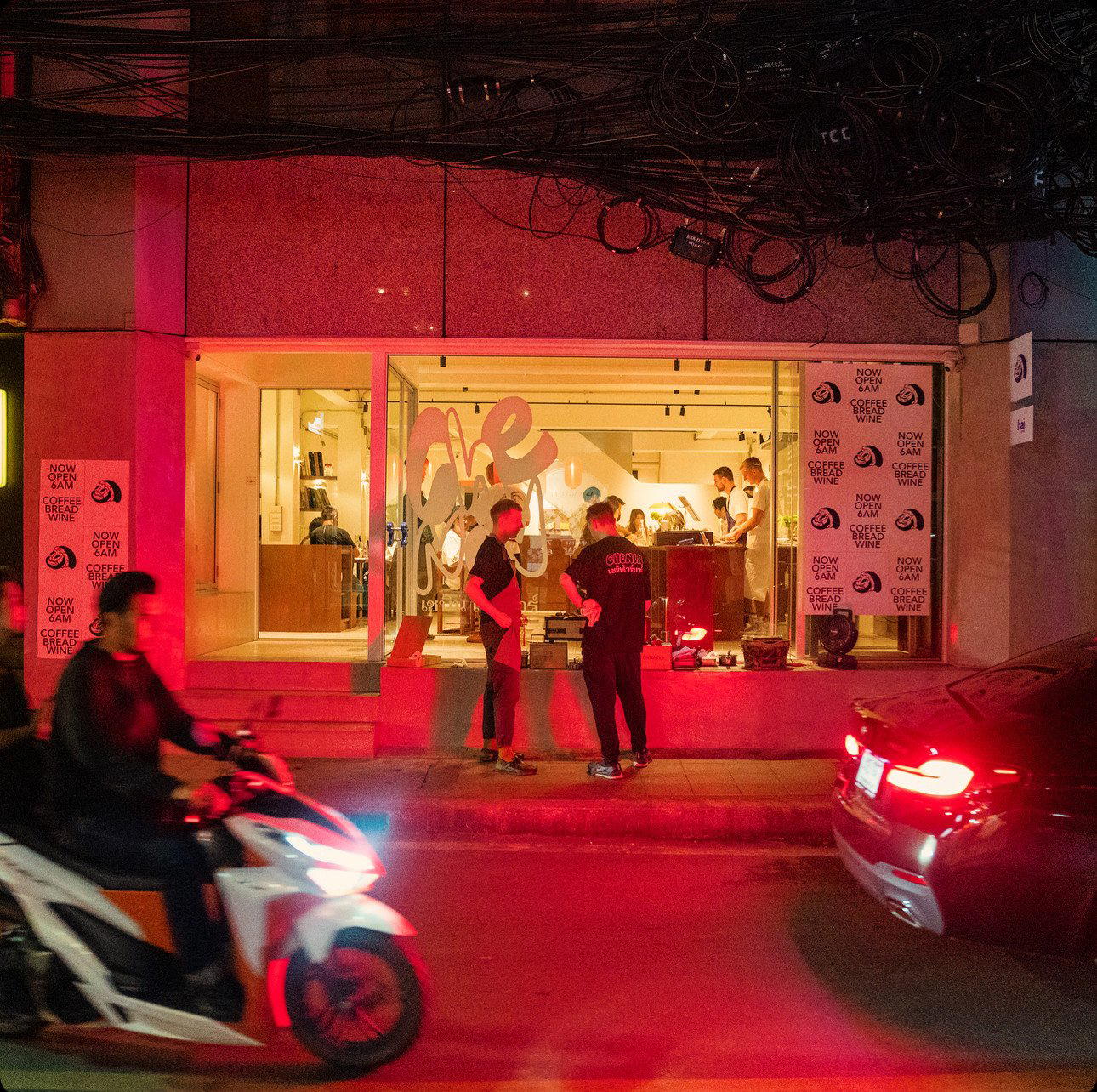
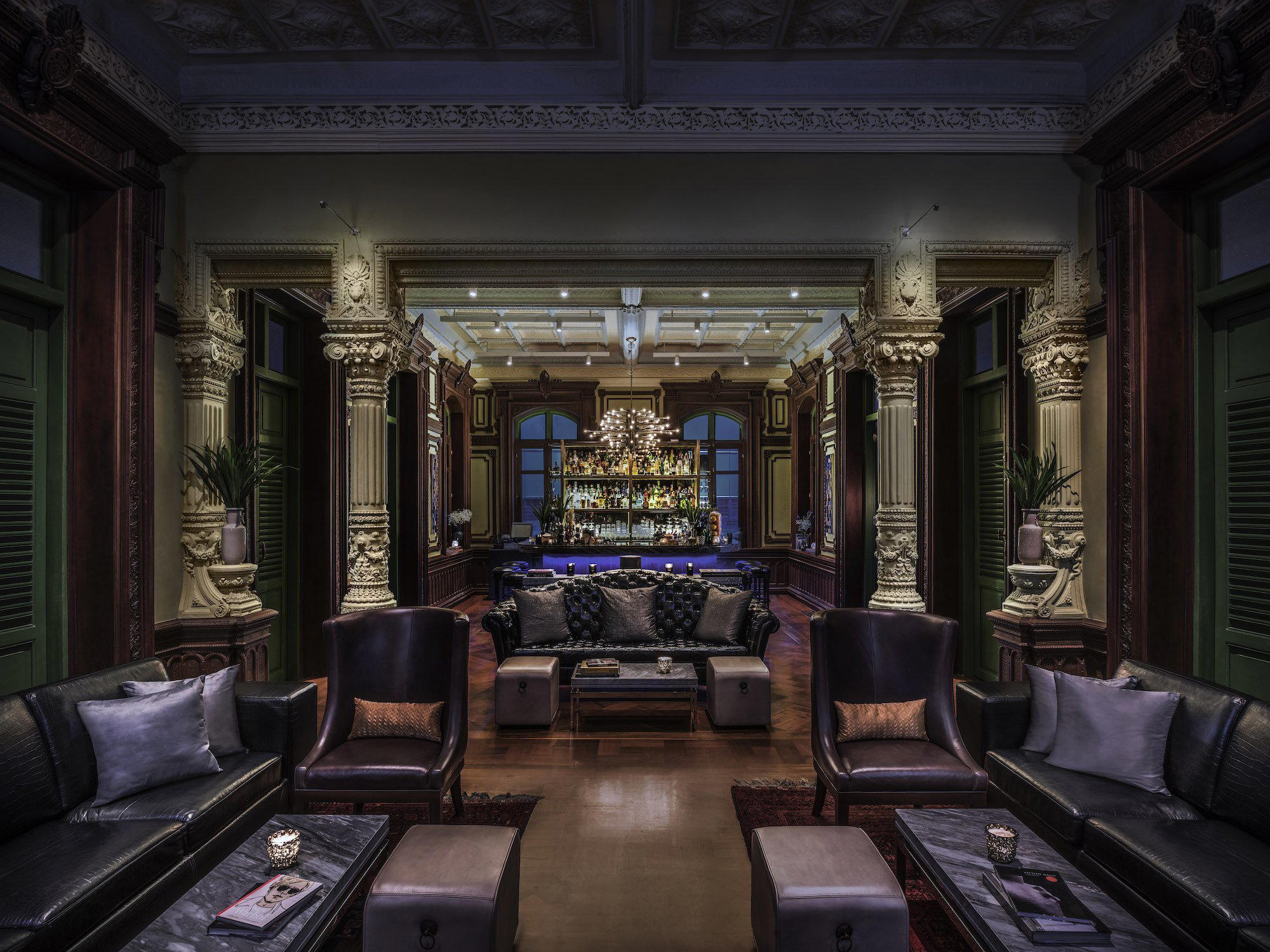
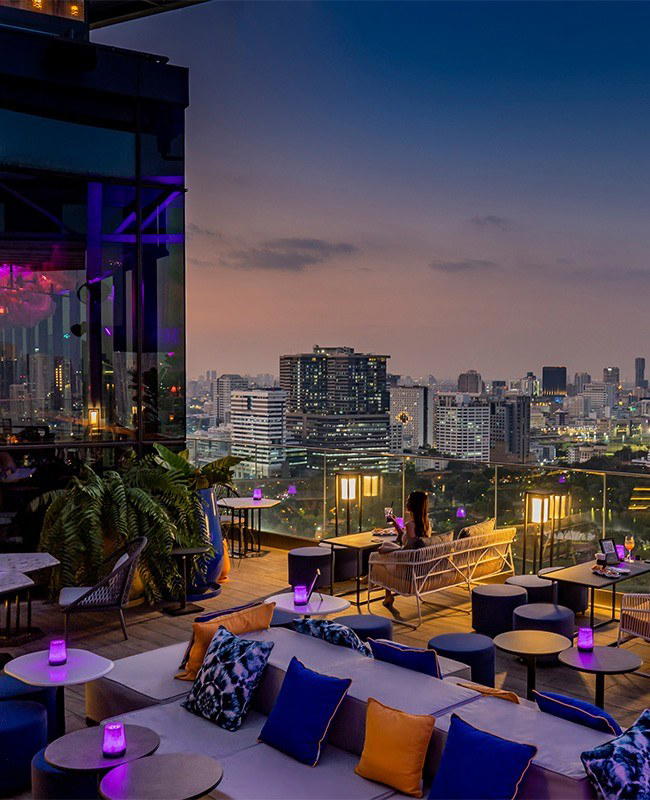
Intimate townhouse setting with warm, homestyle atmosphere; quiet and personal dining experience focused on traditional Thai home cooking.