Hudson Yards' fifth-floor dining complex attracted its share of high-concept openings, but Kāwi arrived with a specific culinary argument: that Korean cooking, handled with fine-dining precision, could hold its own against the neighbourhood's more European-leaning competition. The restaurant operated under the Momofuku group, David Chang's New York-rooted hospitality company, and placed Executive Chef Eunjo "Jo" Park — a Korean native who had previously worked at Momofuku Ko — at the centre of the kitchen. Park's menu read as a confident reframing of Korean reference points rather than a survey of familiar dishes. White pepper wings, wagyu ragu rice cakes, and spicy Cornish hen stew appeared alongside raw marinated crab and grilled New York strip served with beef rice and mustard greens. The approach was Korean-inflected at its core, but the format and price point placed it firmly in fine-dining territory, not in the casual Korean dining that dominates much of the city's outer boroughs. The room matched the ambition. Design Agency fitted the space with dark stained oak, green glazed tiles, textured glass, satin brass, and red leather, with floral wallpaper providing contrast against the harder materials. The open kitchen kept the cooking visible from the main dining room, while the bar area carried a more dramatic register than the convivial main floor. The overall effect was a room that read as distinctly Korean in its references without leaning on the visual shorthand that more casual Korean restaurants tend to deploy. Kāwi has since permanently closed, which makes any reservation planning moot. Its run nonetheless illustrated a broader point about where Korean fine dining was heading in New York during that period: away from the banchan-and-barbecue format and toward a more composed, chef-driven idiom that treated Korean flavour as a starting point rather than a constraint. For anyone tracking that shift in the city's dining scene, Kāwi was a useful data point.
- Address
- Manhattan, New York, United States
 Saves & bookings on Pearl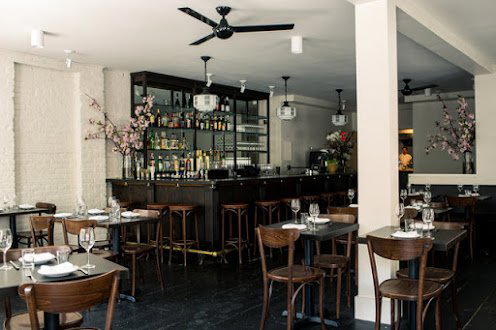
Hudson Yards' fifth-floor dining complex attracted its share of high-concept openings, but Kāwi arrived with a specific culinary argument: that Korean cooking, handled with fine-dining precision, could hold its own against the neighbourhood's more European-leaning competition. The restaurant operated under the Momofuku group, David Chang's New York-rooted hospitality company, and placed Executive Chef Eunjo "Jo" Park — a Korean native who had previously worked at Momofuku Ko — at the centre of the kitchen.
Park's menu read as a confident reframing of Korean reference points rather than a survey of familiar dishes. White pepper wings, wagyu ragu rice cakes, and spicy Cornish hen stew appeared alongside raw marinated crab and grilled New York strip served with beef rice and mustard greens. The approach was Korean-inflected at its core, but the format and price point placed it firmly in fine-dining territory, not in the casual Korean dining that dominates much of the city's outer boroughs.
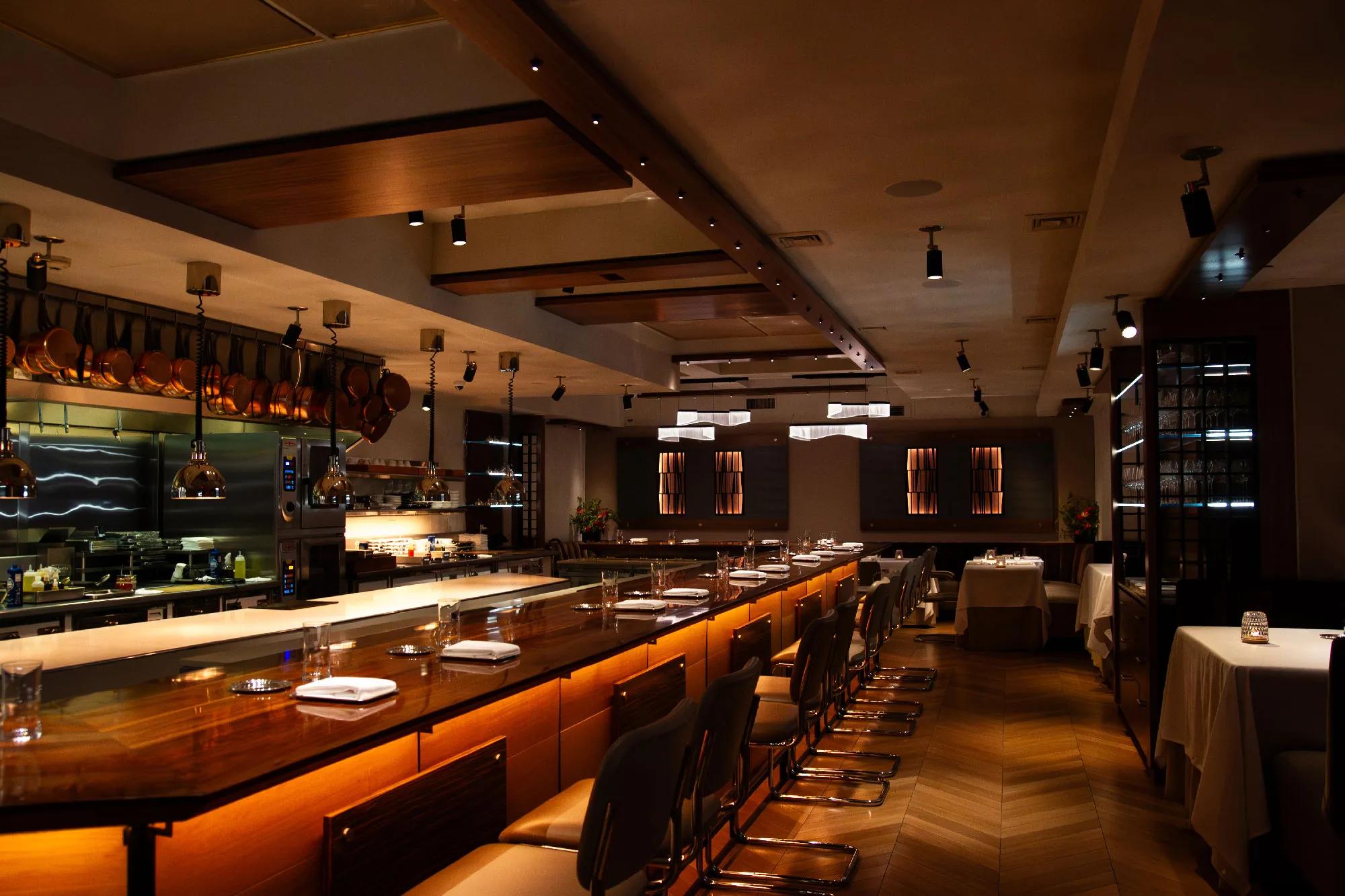
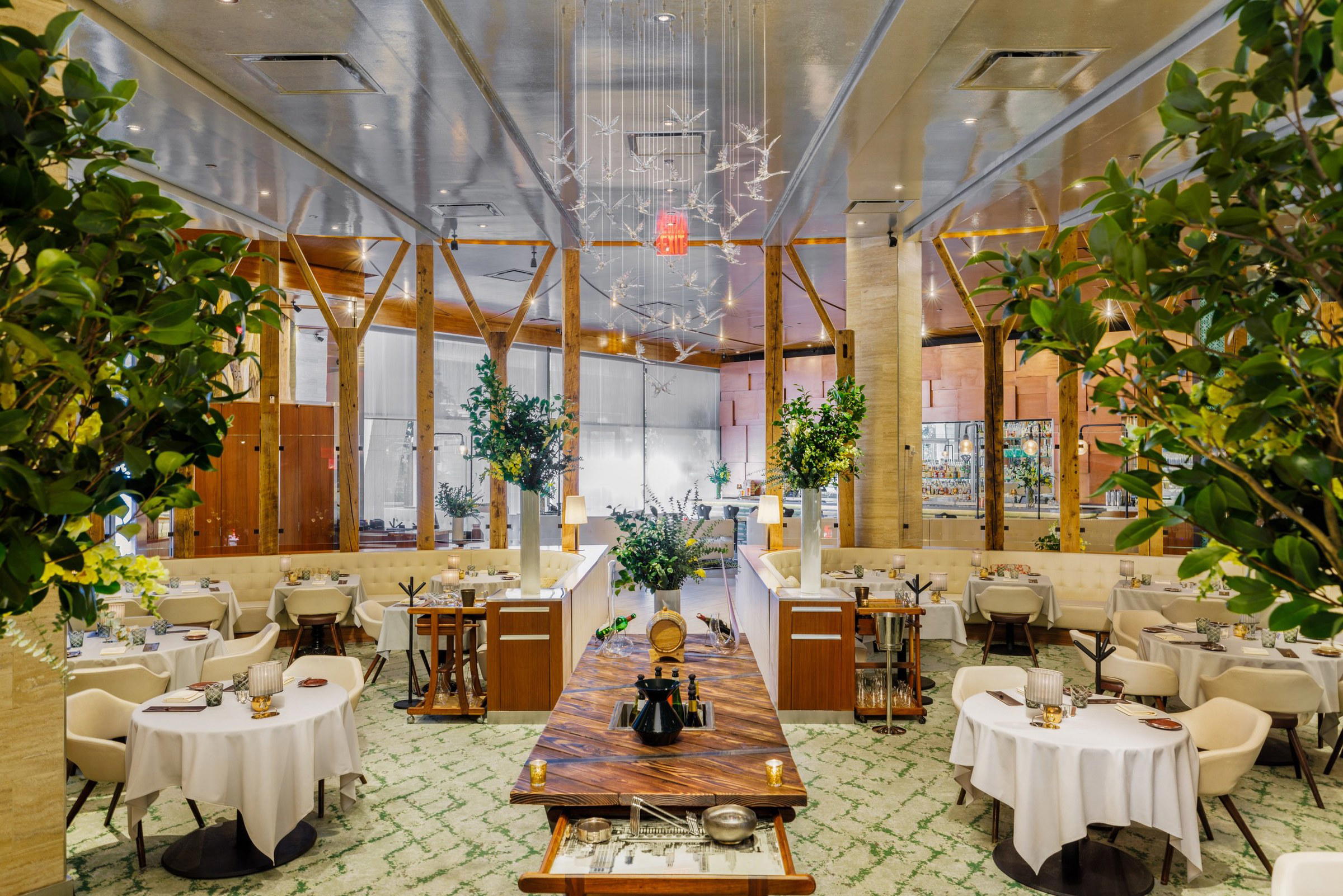
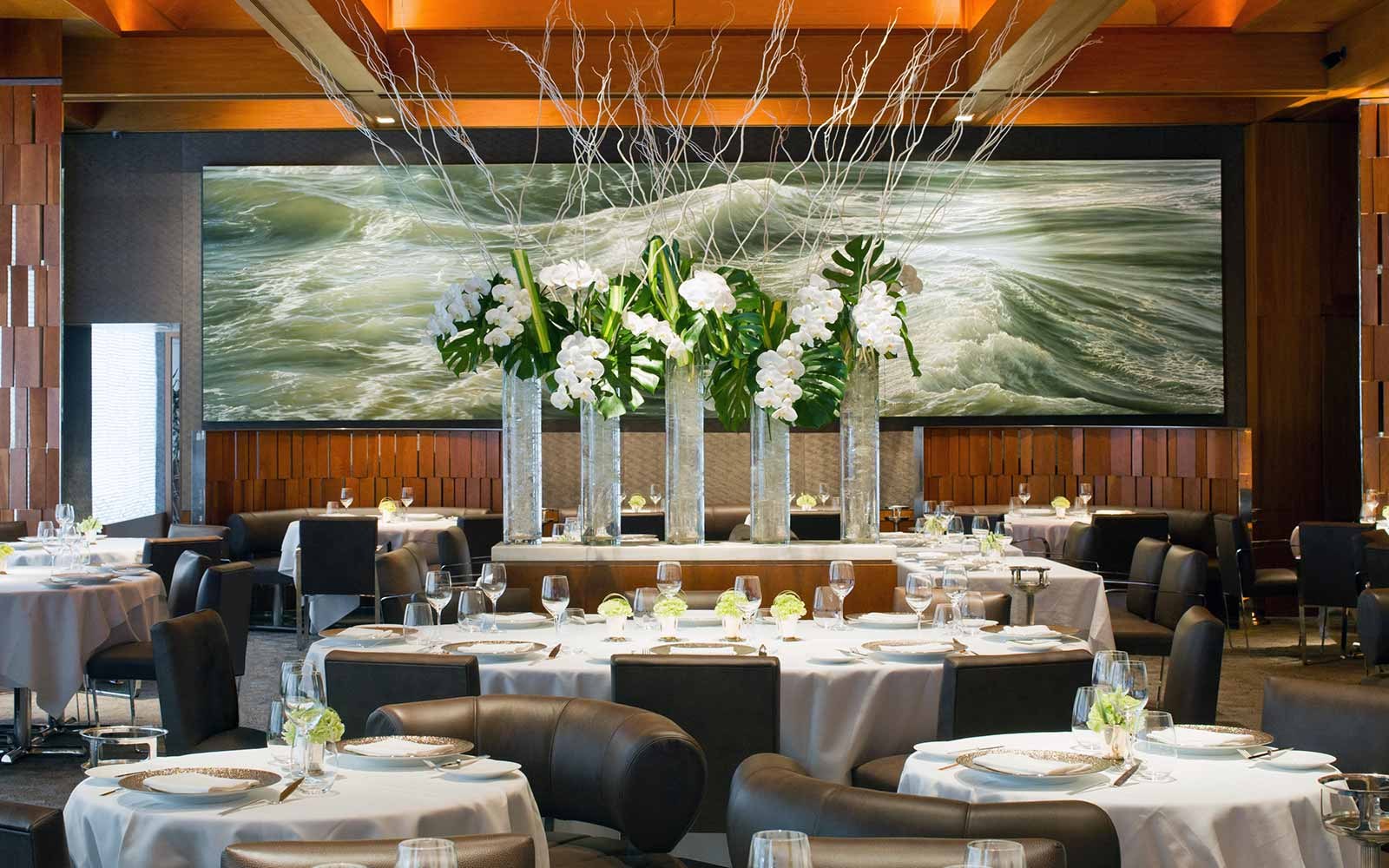
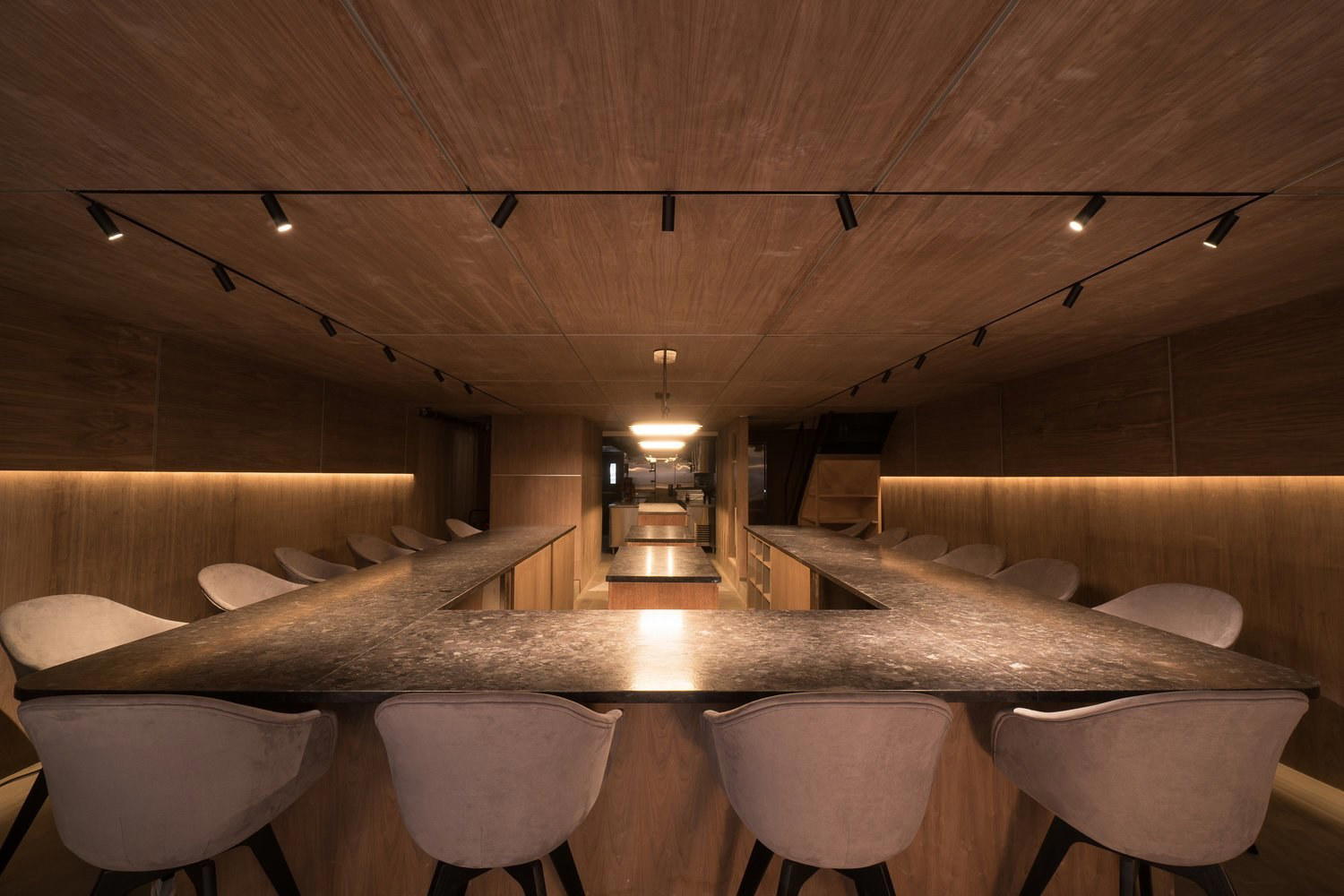
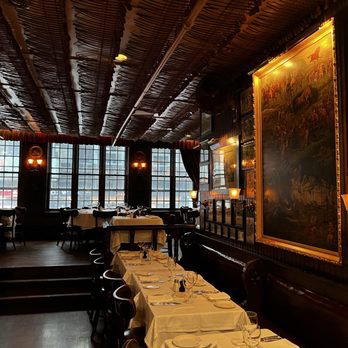
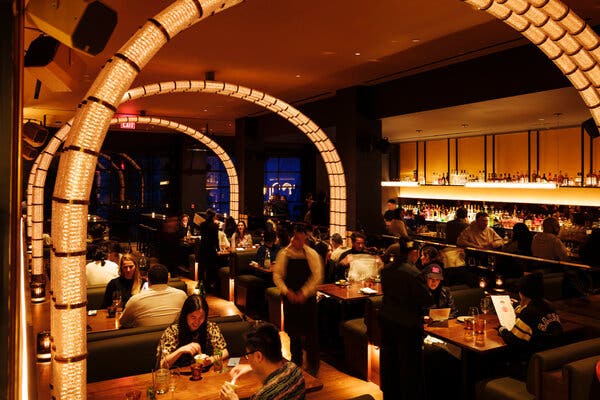
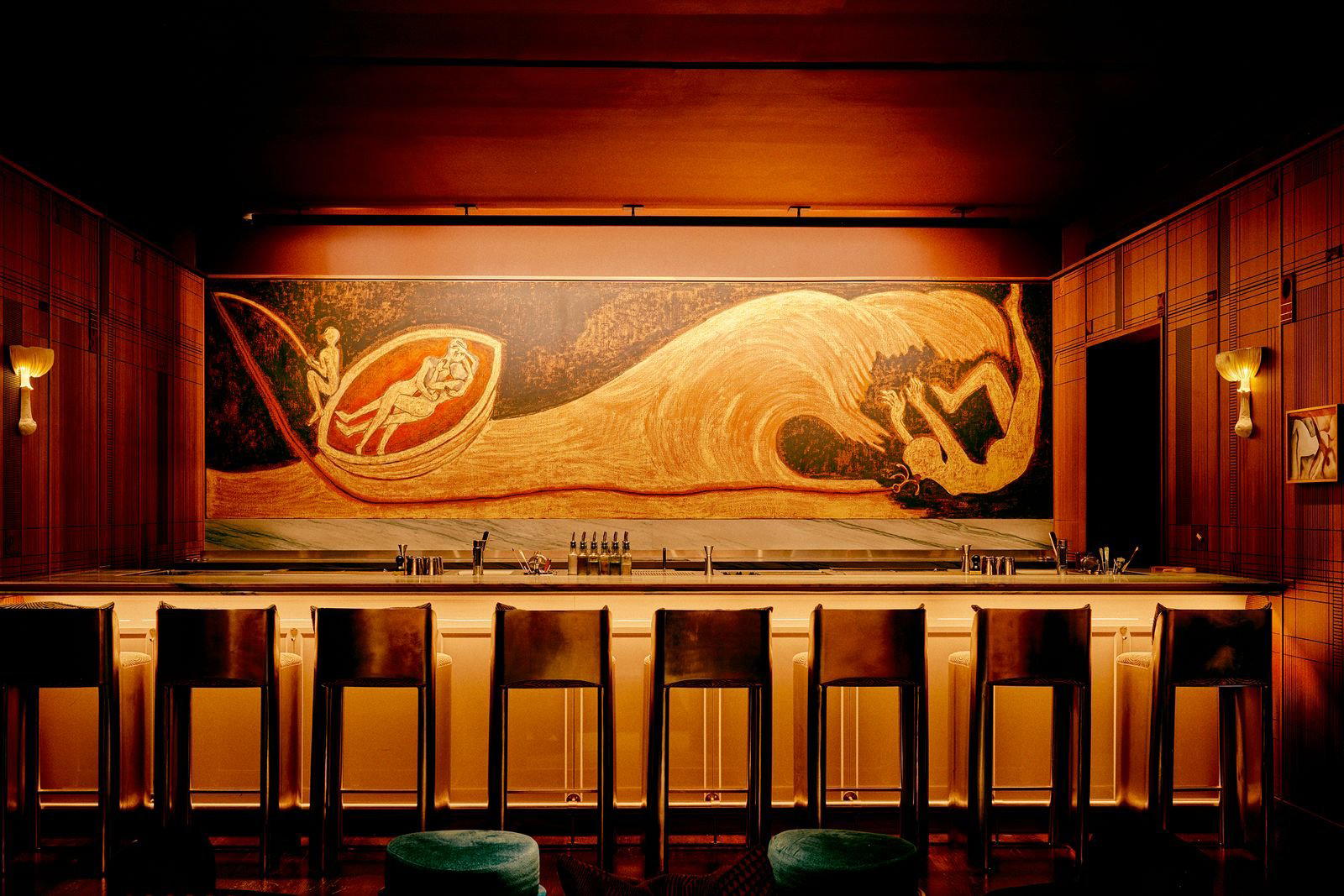
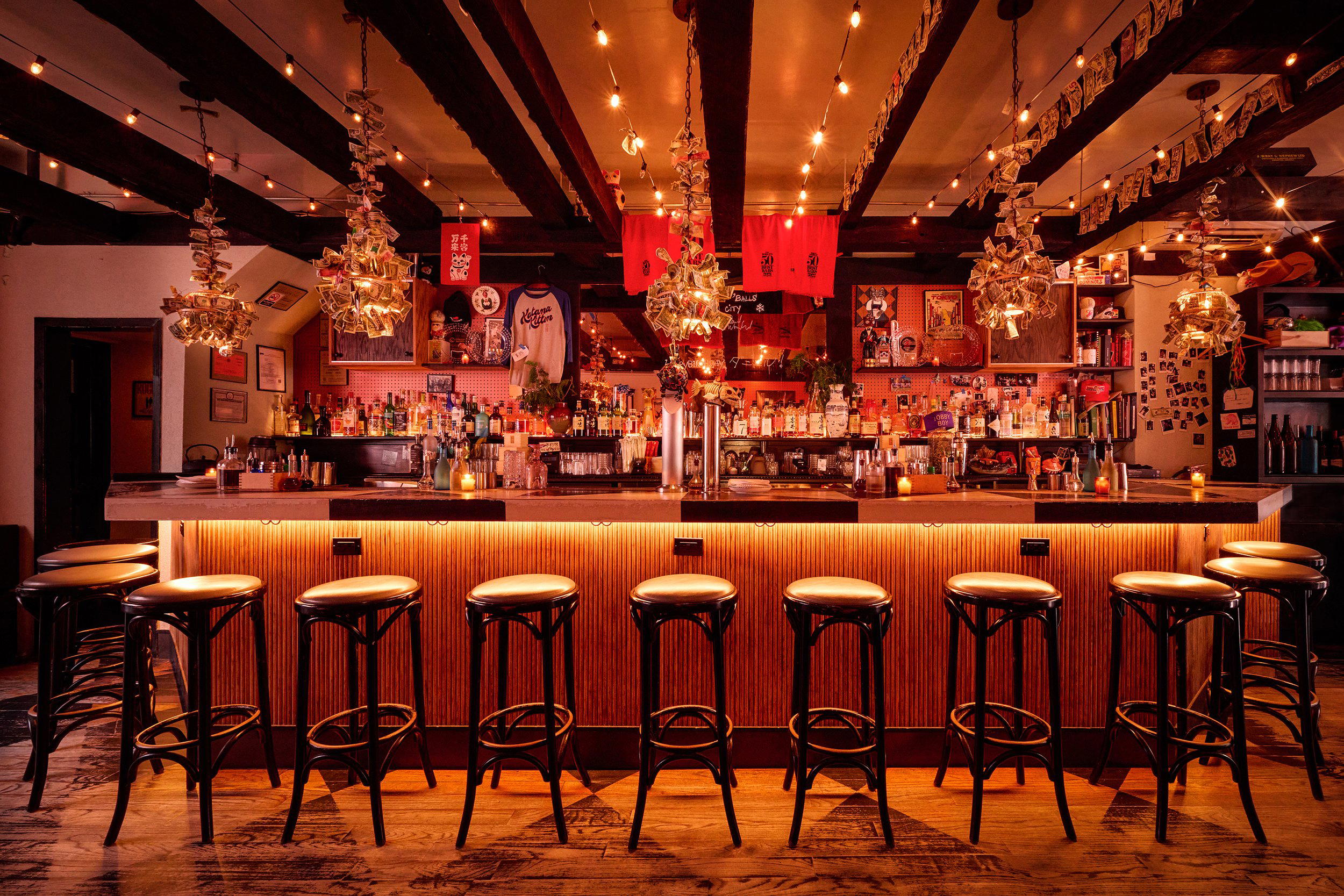
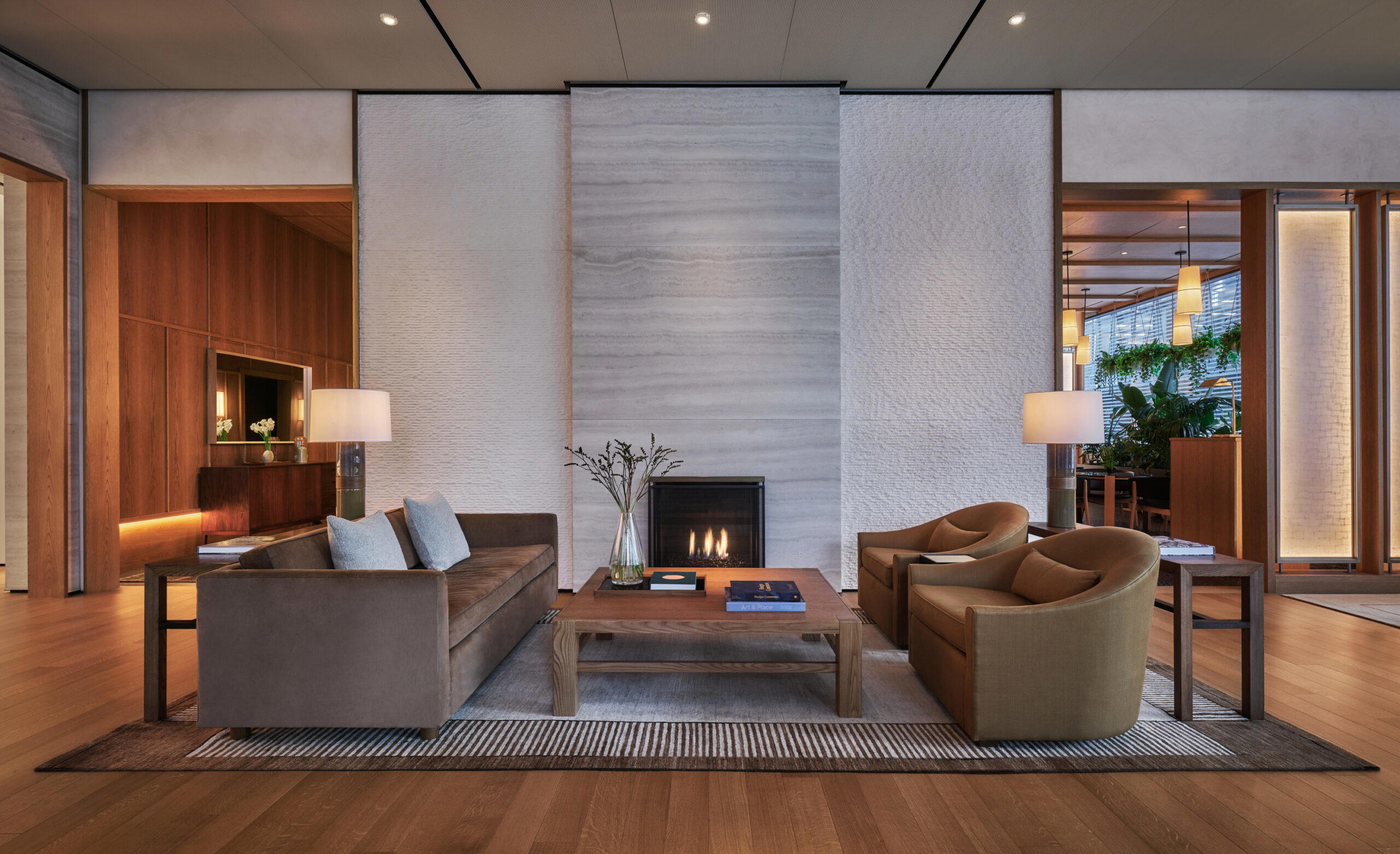
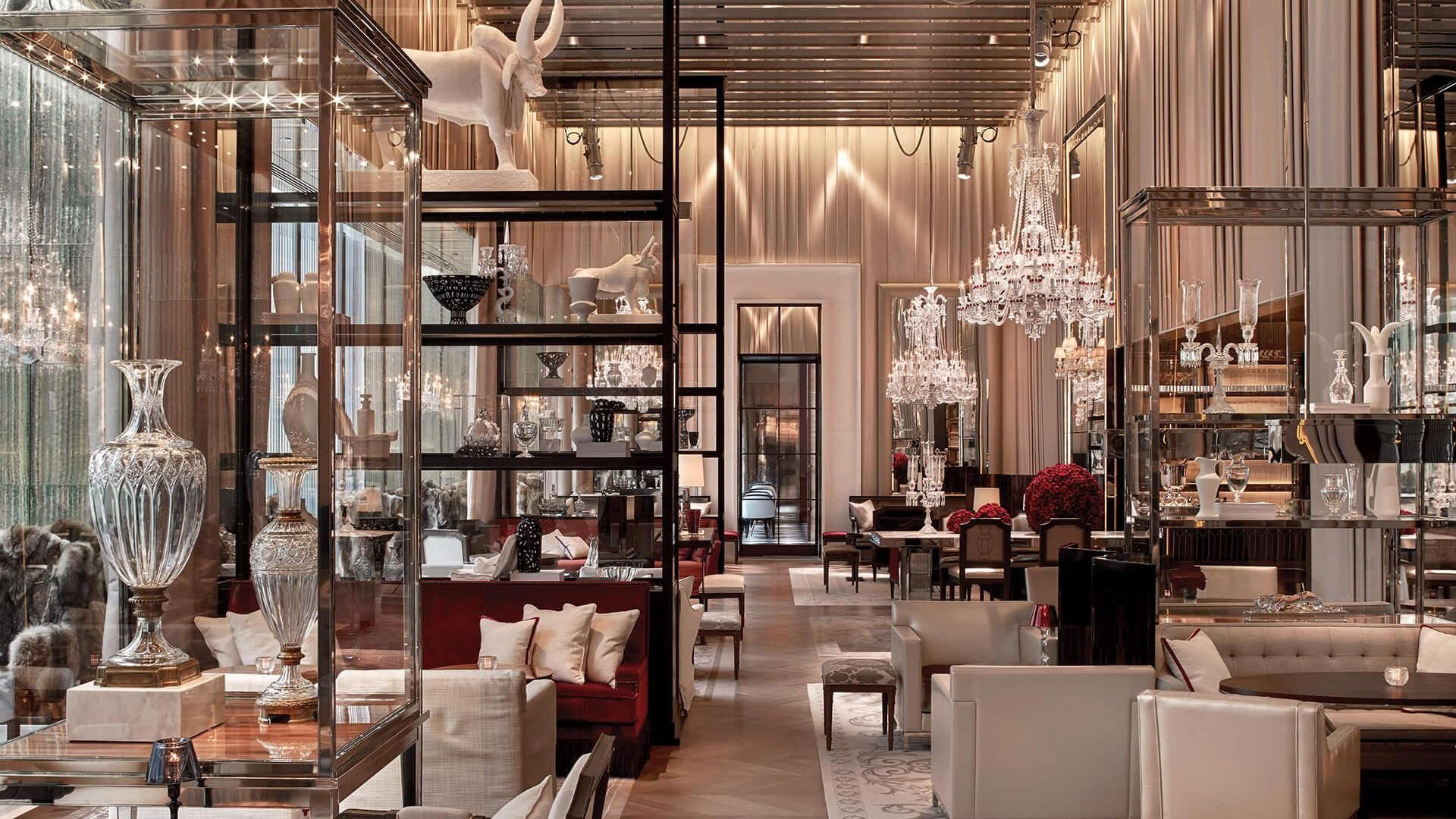
The room matched the ambition. Design Agency fitted the space with dark stained oak, green glazed tiles, textured glass, satin brass, and red leather, with floral wallpaper providing contrast against the harder materials. The open kitchen kept the cooking visible from the main dining room, while the bar area carried a more dramatic register than the convivial main floor. The overall effect was a room that read as distinctly Korean in its references without leaning on the visual shorthand that more casual Korean restaurants tend to deploy.
Kāwi has since permanently closed, which makes any reservation planning moot. Its run nonetheless illustrated a broader point about where Korean fine dining was heading in New York during that period: away from the banchan-and-barbecue format and toward a more composed, chef-driven idiom that treated Korean flavour as a starting point rather than a constraint. For anyone tracking that shift in the city's dining scene, Kāwi was a useful data point.
In Context
Comparable venues nearby, for context on price, style, and recognition.
| Venue | Cuisine | Price | Notes |
|---|---|---|---|
| KāwiThis venue — the venue you are viewing | Dining | , | |
| NY Pizza Suprema | Chelsea-Hudson Yards, NYC-Style Pizza | $$ | |
| Tacos 1986 | West Village, Tijuana-Style Tacos | $$ | |
| The Fat Radish | $$ | Chinatown-Two Bridges, Modern Farm-to-Table Gastropub | |
| Oda House | $$ | Upper East Side-Lenox Hill-Roosevelt Island, Authentic Georgian | |
| Taiwanese Gourmet | Elmhurst, Authentic Taiwanese | $$ |
Continue exploring