
Kawafuku Honten belongs to Takamatsu’s serious udon culture, where wheat, broth, and speed matter more than ceremony. Its selection for Tabelog 100 - Udon - KAGAWA - 2024 places it among Kagawa’s better-documented noodle addresses, with a format that also covers udon-suki, cafeteria service, take-out, sake, and shochu.
Pearl is the En Primeur Club membership app — saves, bookings, and concierge access live there. Same editors, same standards.
- Address
- 2-1 Daikumachi, Takamatsu, Kagawa 760-0042, Japan
- Phone
- +81 87-822-1956
- Website
- kawafuku.co.jp
 Saves & bookings on Pearl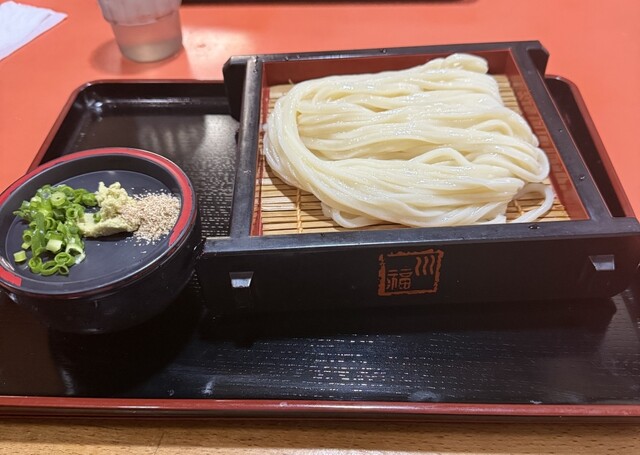
Daikumachi puts udon in the city rather than the countryside: shopfronts, covered-street rhythms, office lunches, evening regulars, and the short walk from Kotoden Kataharamachi Station shaping how a bowl is eaten. In Kagawa, udon is not a novelty dish or a tasting-menu flourish. It is infrastructure. The wheat noodle carries local identity with a directness that more theatrical regional foods rarely manage, and Takamatsu’s strongest rooms tend to be judged by texture, broth discipline, and turnover rather than by decorative ambition.
Kawafuku Honten sits inside that civic udon culture, not outside it as a destination built for visitors. Its recognition in Tabelog 100 - Udon - KAGAWA - 2024 matters because Kagawa is not an easy field in which to be noticed for udon; the prefecture has depth, repetition, and high local fluency. The category here is broad but coherent: udon, udon-suki, and cafeteria cooking, with sake and shochu also part of the frame. That combination signals a house able to function across a casual noodle stop and a fuller table meal, which is a different proposition from the self-service morning udon shops many travelers associate with Sanuki.
Sanuki udon as ingredient culture, not restaurant theater
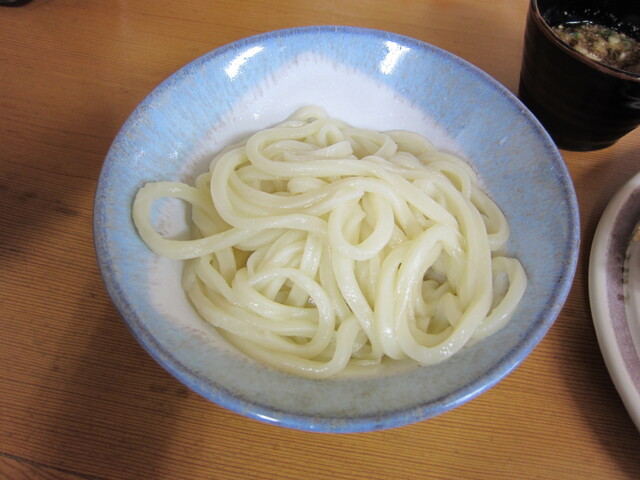
The useful way to read a Takamatsu udon room is through sourcing logic and handling rather than chef biography. Sanuki udon is built from a narrow set of variables: wheat flour, water, salt, kneading, resting, cutting, boiling, and broth. Small differences show up quickly because there is little to hide behind. A thicker noodle asks for chew; a lighter broth asks for clarity; a hot service changes the way the noodle relaxes in the bowl. In Kagawa, the craft is cumulative, and the customer base is experienced enough to punish inconsistency.
That is why a house format with 117 seats, counter seating, tables, and tatami space says more than a simple capacity figure. Large udon rooms in Kagawa have to solve the practical problem of flow without reducing the noodle to canteen anonymity. The counter supports solo meals and quick decisions; tatami space points to family and group eating; the banquet hall makes udon-suki plausible as a shared format rather than a side note. Kawafuku Honten’s scale places it closer to an urban, multi-use udon institution than to the tiny rural workshop model that often dominates travel mythology around Sanuki noodles.
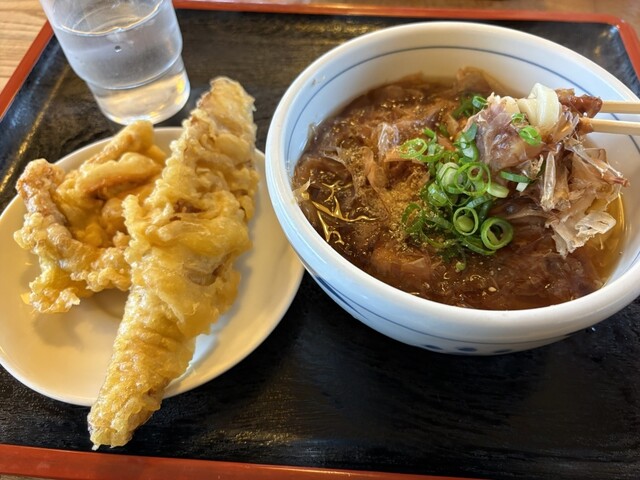
Udon-suki also matters in this reading. The dish shifts udon from a fast bowl into a table format, where noodles meet simmered ingredients and timing becomes collective. It is less useful for a hurried noodle crawl and more useful for understanding how Kagawa udon works as everyday hospitality: inexpensive at one end, social at the other, and rarely dependent on luxury cues. For travelers comparing categories across Takamatsu, that puts the restaurant in a different lane from chicken houses such as Honetsukidori Ranmaru or high-spend sushi counters such as Sushi Nakagawa. The question is not which is grander. The question is which format explains the city more directly.
Where it fits in a serious Takamatsu noodle itinerary
Takamatsu rewards comparison because udon here is not a single style repeated across addresses. A tight itinerary can move between standing-and-slurping efficiency, neighborhood comfort, and larger dining rooms without leaving the city’s noodle grammar. Readers building that map should look at Chikusei Honten, Furukawa Udon, Furusato Udon, and Azuma alongside this address. The value is in the contrast: how the noodle behaves, how the room moves, and whether the meal is built for speed, comfort, or a longer table.
That broader Takamatsu context also keeps the restaurant from being misread as a trophy stop. Tabelog’s 2024 Kagawa udon selection is a useful trust signal, but udon culture is not organized like fine dining. Awards help identify consistency and local relevance; they do not replace the basic act of eating the same regional staple across multiple formats. For a fuller city view, Our full Takamatsu restaurants guide is the natural anchor, with Our full Takamatsu hotels guide, Our full Takamatsu bars guide, Our full Takamatsu wineries guide, and Our full Takamatsu experiences guide filling in the trip around the table.
The right expectation: local fluency, low ceremony, clear value
The strongest case for Kawafuku Honten is not rarity. It is legibility. The room is non-smoking, children are welcome, private rooms are not part of the offer, and take-out is available. Payment is cash-led, with credit cards, electronic money, and QR code payments not accepted. Those details point to an old-fashioned operating style that sits comfortably within the category: practical, local, and resistant to the frictionless tourist economy that has reshaped many Japanese dining rooms.
The editorial recommendation is therefore specific. Use this as a Takamatsu udon reference point when the goal is to understand the city’s everyday noodle culture at a recognized address with enough scale for different kinds of meals. It is less suited to travelers looking for hushed counter theater, chef-led storytelling, or luxury signaling. The better lens is ingredient discipline at civic scale: wheat noodles, broth, table formats, and the quiet confidence of a prefecture that treats udon as daily knowledge.
For readers extending the itinerary beyond Kagawa, the useful comparison is not only within udon. Japan’s regional food culture becomes clearer when modest formats are taken seriously: okonomiyaki at Fumiya Okonomiyaki Honten, sukiyaki-centered cooking at -Grilled beef Sukiyaki- KAMAKURA TANUKIAN 鎌倉 たぬき庵 in Kamakura, seafood and charcoal grilling at. 鮪と炭火焼き うお炭 秋葉原店 in Tokyo, cafe culture at.cafe in Osaka, contemporary dining at.know in Kumamoto, Vietnamese cooking at (Shoku) Vietnam in Kawasaki, curry specialization at [Curry Senmon Ten] Maruyama Kyoju. in Sapporo, sake-bar dining at Jōdo Saké Bar in Los Angeles, and the rice-ball focus of Onigiri Time in Pasadena. The thread is not glamour. It is specialization, and the way a narrow format can tell a city’s food story with unusual economy.
Comparable Spots, Quickly
Nearby venues at a similar price tier for orientation.
| Venue | Cuisine | Price | Notes |
|---|---|---|---|
| Kawafuku HontenThis venue — the venue you are viewing | Traditional Sanuki Udon & Udon-suki | $ | Not listed |
| Teuchi Judan Udon Baka Ichidai | Sanuki udon specialist | $ | Takamatsu |
| Matsushita Seimensho | Sanuki Udon | $ | Takamatsu |
| Udon no Den | Traditional Sanuki udon shop | $ | Takamatsu |
| Teuchi Udon Santoku | Sanuki hand-made udon | $ | Takamatsu |
| Yokokura Udon | Sanuki Udon | $ | Takamatsu |
Recognition history
Dated appearances from independent guides and award organizations, with the underlying list record or original source where available.
Tabelog 100 #86 · No. 86
Tabelog · Tabelog 100 - Udon - KAGAWA - 2024
Continue exploring
More in Takamatsu
Restaurants in Takamatsu
Browse all →
At a Glance
- Classic
- Lively
- Cozy
- Well Known
- Solo
- Family
- Group Dining
- Casual Hangout
- Late Night
- Standalone
- Historic Building
Current opening hours
- Monday
- 11 AM–2 PM, 6–10 PM
- Tuesday
- 11 AM–2 PM, 6–10 PM
- Wednesday
- 11 AM–2 PM, 6–10 PM
- Thursday
- Closed
- Friday
- Closed
- Saturday
- 11 AM–2 PM, 6–10 PM
- Sunday
- 11 AM–2 PM, 6–10 PM
Hours can change for holidays and private events. Last verified .
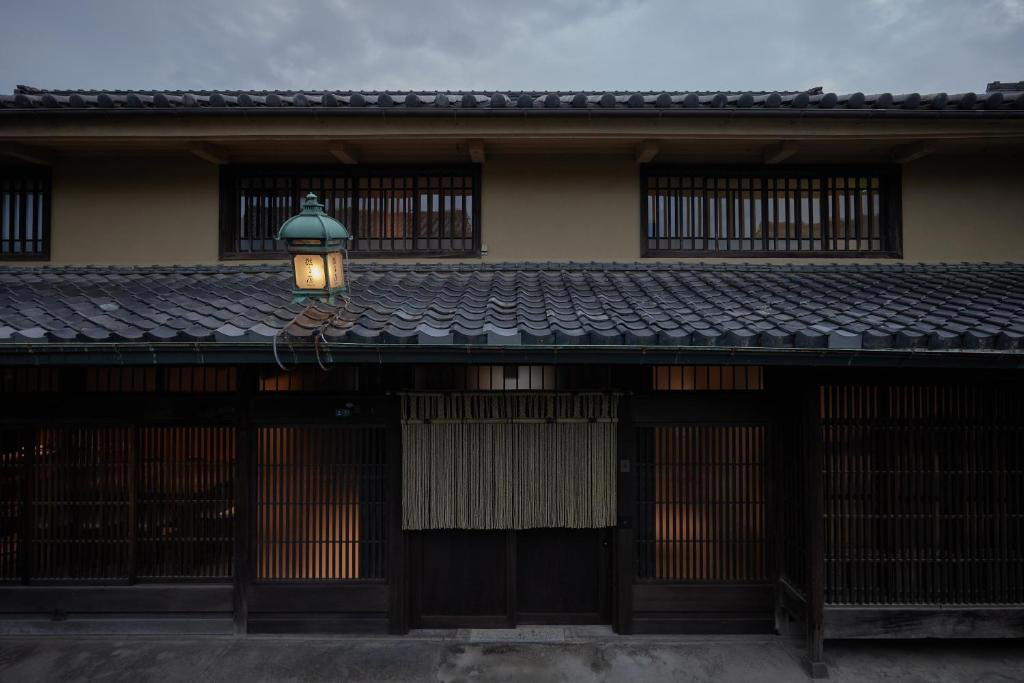
Traditional, no-frills Sanuki udon house with simple wooden furnishings, bright functional lighting, and a bustling, casual atmosphere that feels like a classic local canteen rather than a modern design restaurant.