

Katla brings a progressive edge to Oslo's Universitetsgata, with Chef Atli Mar Yngvason applying global technique to Nordic ingredients across a nightly format that runs Tuesday through Saturday. Opinionated About Dining ranked it among Europe's top restaurants in both 2024 and 2025, placing it in Oslo's second tier of serious dining below the Michelin-starred flagships but ahead of the broader casual field.
Pearl is the En Primeur Club membership app — saves, bookings, and concierge access live there. Same editors, same standards.
- Address
- Universitetsgata 12, 0164 Oslo, Norway
- Phone
- +47 22 69 50 00
- Website
- katlaoslo.no
- Directions
- Get directions
 Saves & bookings on Pearl
Where Oslo's Progressive Scene Finds Its Edge
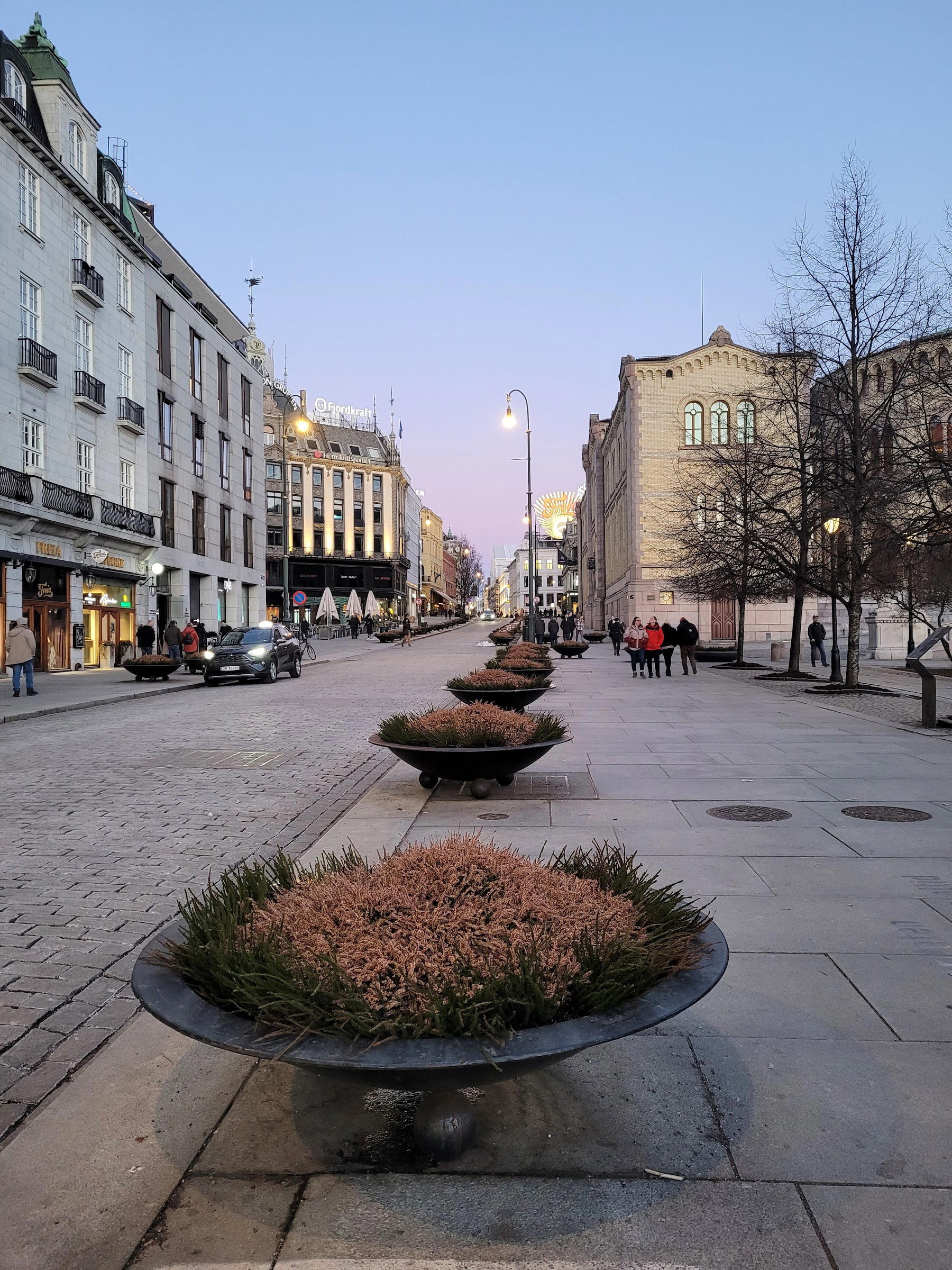
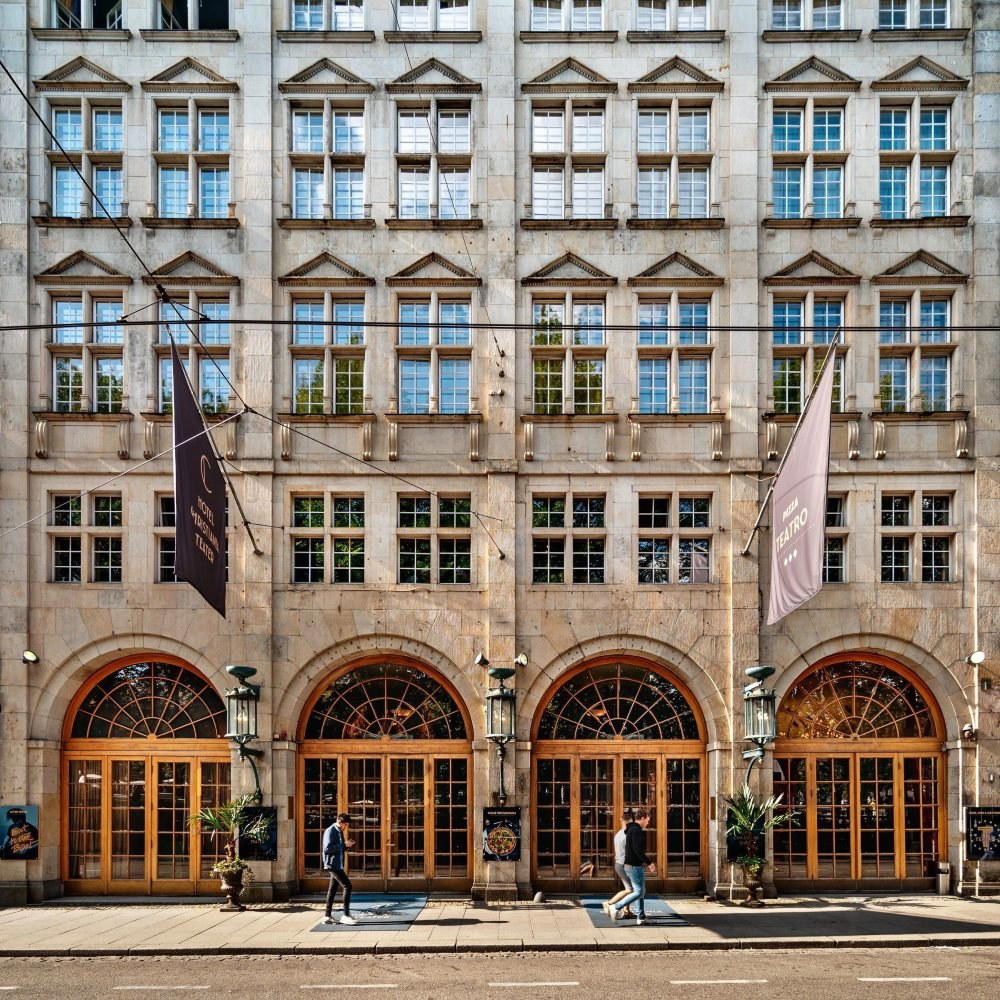
Universitetsgata 12 sits in central Oslo, within walking distance of the city's museum quarter and the denser concentration of serious restaurants that has built up around the Sentrum neighbourhood over the past decade. The street itself carries a certain quiet formality, the kind of address that announces intent without theatrics. Arriving at Katla on a Tuesday or Wednesday evening, you find a room that opens at five and closes at ten, a window that positions it firmly within Oslo's dinner-focused progressive circuit rather than the longer, lunch-extending formats favoured by the Michelin-chasing tier.
Oslo's progressive dining scene has matured considerably since the early 2010s, when New Nordic doctrine, fermented everything, foraged everything, rigid seasonality, dominated the city's fine-dining conversation. That framework produced important work, and venues like Maaemo and Kontrast operate at its highest institutional level. But a younger cohort of kitchens has since moved toward a different model: absorbing the Nordic pantry as a given rather than a manifesto, and applying technique drawn from wider international training to produce something that reads as genuinely contemporary rather than ideologically constrained. Katla belongs to that cohort.
Technique as the Story, Ingredients as the Argument
The editorial angle that makes Katla worth understanding is precisely this intersection of imported method and indigenous product. Chef Atli Mar Yngvaso, whose Icelandic background already signals a certain fluency with extreme northern ingredients, works within a progressive format that treats Norwegian produce not as a nationalist statement but as interesting raw material available. This is a meaningful distinction. Kitchens that lead with geography tend to make geography the point; kitchens that lead with technique tend to make the food the point. Katla appears to sit in the latter camp, using the Nordic pantry as a source of challenge and contrast rather than as a brand identity.
Global technique applied to local ingredients is a framework that has generated some of the more interesting cooking in Europe over the past fifteen years. When Japanese precision meets Scandinavian fish, or when French sauce architecture is applied to Norwegian game, the result can either feel forced or feel inevitable, depending on how well the kitchen understands both sides of the equation. The progressive category, as a label, is deliberately uncommitted: it signals evolution and method without locking the kitchen to a single tradition. For diners, this means a menu that can shift considerably across seasons without the restaurant needing to rebrand around each change. For a kitchen working with Norwegian coastal and inland ingredients, it creates space to respond to what the market actually offers rather than what the concept demands.
In Oslo's competitive set, Katla occupies a position that is easier to understand through its peer relationships than through its star count. Hot Shop holds a Michelin star in the modern cuisine category and operates at a price tier above most neighbourhood progressive dining. Bar Amour takes a creative, bar-forward approach to the same central Oslo audience. Katla's Opinionated About Dining recognition, ranked 496th in Europe in 2024 and 506th in 2025, places it in a credible mid-tier cohort: taken seriously by the specialist dining press and accessible without the multi-month booking windows of the highest-profile operations.
Reading the Format
The Tuesday-to-Saturday schedule, with Friday and Saturday extending to 10 pm, tells you something about the room's intended register. This is not a lunch-and-dinner operation trying to maximize covers; it is an evening-only kitchen with a late-night tolerance that suggests a certain confidence in the city's appetite for progressive dining at unusual hours. Saturday opens at 1 pm, creating a longer window that likely accommodates a more extended tasting format than the weeknight schedule allows. Sunday and Monday closures are standard for kitchens operating at this level in Oslo, the city's serious restaurants routinely observe a two-day rest, and the pattern here aligns with that norm.
For practical planning: Katla opens Tuesday through Thursday from 5 pm to 10 pm, Friday from 5 pm to 10 pm, and Saturday from 5 pm to 10 pm. The Universitetsgata address is reachable on foot from most central Oslo accommodation and sits within the zone served by the city's tram network.
Norway's Progressive Circuit Beyond Oslo
Understanding Katla is also partly a question of understanding how Oslo fits within Norway's wider serious-dining picture. The country has produced a number of kitchens that receive international attention: RE-NAA in Stavanger operates at the highest Michelin level in the southwest; FAGN in Trondheim and Gaptrast in Bergen represent strong regional programs further up the coast; Under in Lindesnes and Iris in Rosendal operate in more remote settings with distinct relationships to their immediate environments; and Boen Gård in Tveit adds another data point in the south. Within this geography, Oslo's progressive restaurants serve a denser, more urban population with faster access to international ingredients and influences. Katla's Icelandic chef working in Oslo is itself a data point about how Nordic cooking has become a shared regional project rather than a nationally siloed one.
For readers building a wider frame of reference, the progressive category also has strong representatives internationally: Locust in Nashville and 81 in Tokyo show how the format operates across different ingredient traditions and urban dining cultures. Comparing Oslo's approach to either of those markets clarifies what is specific to the Scandinavian context and what is a function of the progressive format itself.
Oslo's evening restaurant scene extends well beyond tasting menus and progressive kitchens. The city's bar program has developed considerable depth, as has its casual and wine-focused dining. Mon Oncle represents the French-leaning end of Oslo's mid-range dining. For a fuller read on the city's options,
Cost and Credentials
Comparable venues nearby, for context on price, style, and recognition.
| Venue | Cuisine | Price | Awards | Notes |
|---|---|---|---|---|
| KatlaThis venue — the venue you are viewing | Sentrum, Nordic-Asian-Latin Fusion Grill | $$$$ | Not listed | Not listed |
| Panu | Not listed | $$$ | Not listed | St. Olavs Plass, Modern Norwegian Fusion with Asian Influences |
| Madonna | Vaterland, Modern Global Small Plates | $$$ | Michelin Plate | Not listed |
| Vinland | Not listed | $$$$ | Not listed | Ruselokka, Modern French Brasserie with Norwegian Influences |
| Pjoltergeist | Grünerløkka, Asian-Nordic Fusion | $$$ | Not listed | Not listed |
| The Three Fifty | Homans Byen, Wine-focused Gastronomy | $$$$ | Not listed | Not listed |
Recognition history
Dated appearances from independent guides and award organizations, with the underlying list record or original source where available.
Opinionated About Dining Top Restaurants in Europe Recommended
Opinionated About Dining
White Guide Nordic Restaurants - Masters Level
White Guide
Opinionated About Dining Top Restaurants in Europe Ranked #506
Opinionated About Dining
Opinionated About Dining Top Restaurants in Europe Ranked #496
Opinionated About Dining
Opinionated About Dining Top New Restaurants in Europe Recommended
Opinionated About Dining
Continue exploring
More in Oslo
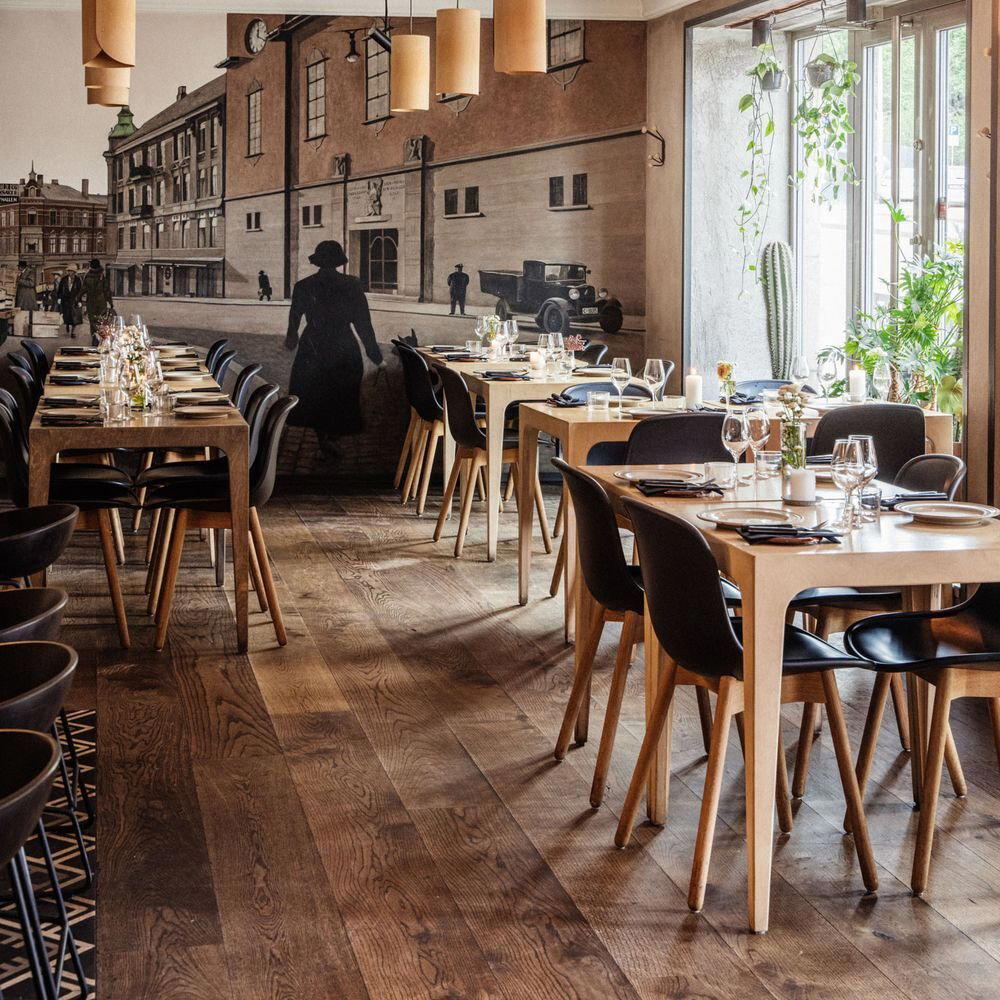
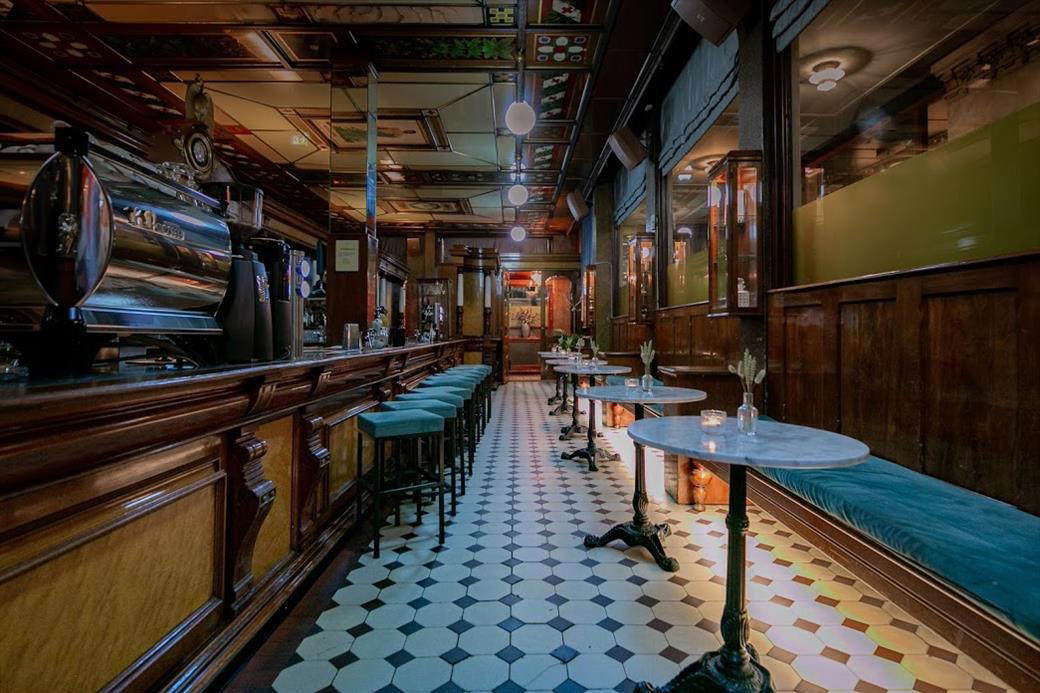
Bars in Oslo
Browse all →
At a Glance
- Modern
- Lively
- Energetic
- Industrial
- Date Night
- Special Occasion
- Celebration
- Open Kitchen
- Chefs Counter
- Extensive Wine List
- Craft Cocktails
- Sommelier Led
- Local Sourcing
- Sustainable Seafood
Current opening hours
- Monday
- Closed
- Tuesday
- 5–10 PM
- Wednesday
- 5–10 PM
- Thursday
- 5–10 PM
- Friday
- 5–10 PM
- Saturday
- 5–10 PM
- Sunday
- Closed
Hours can change for holidays and private events. Last verified .
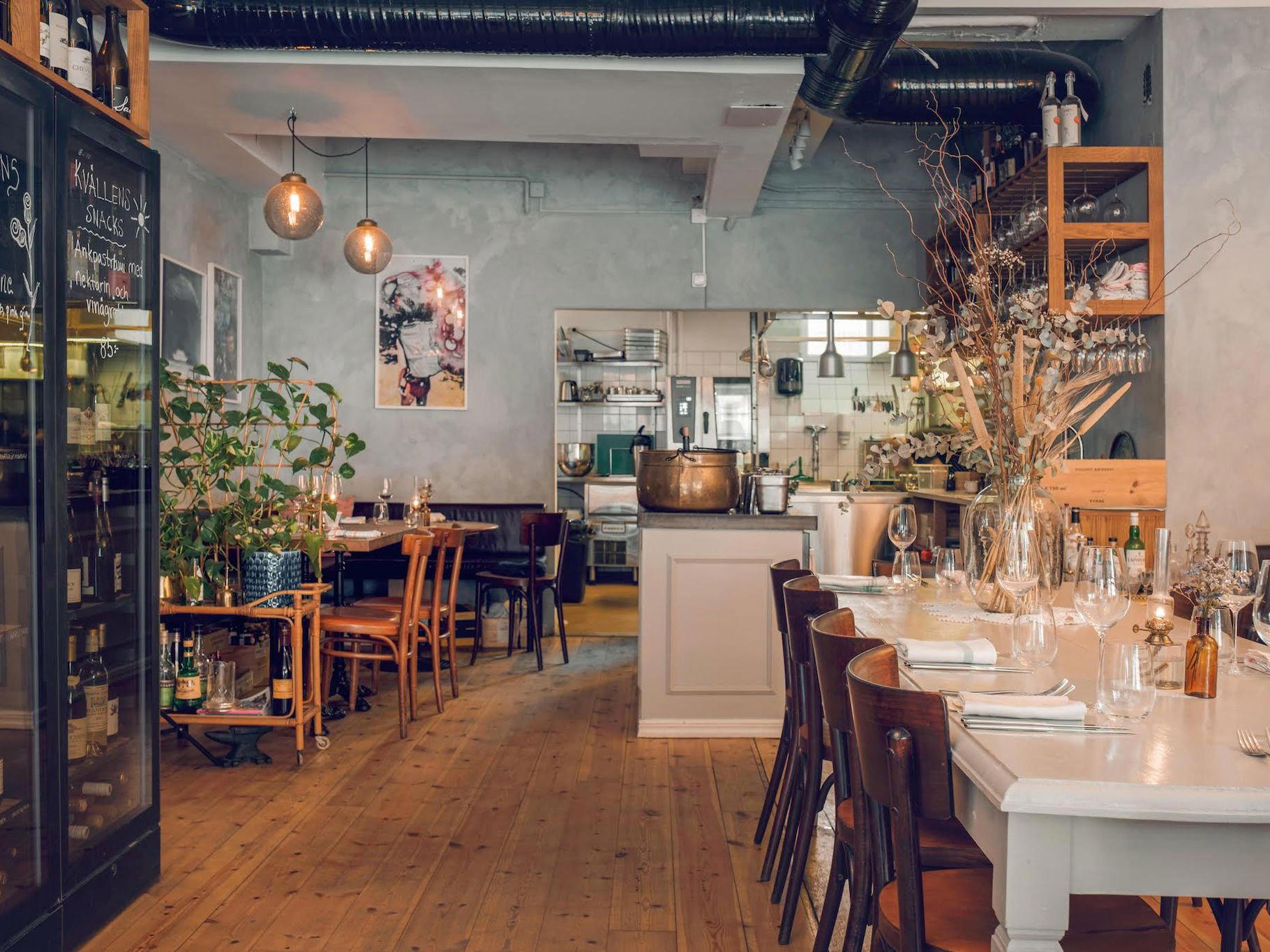
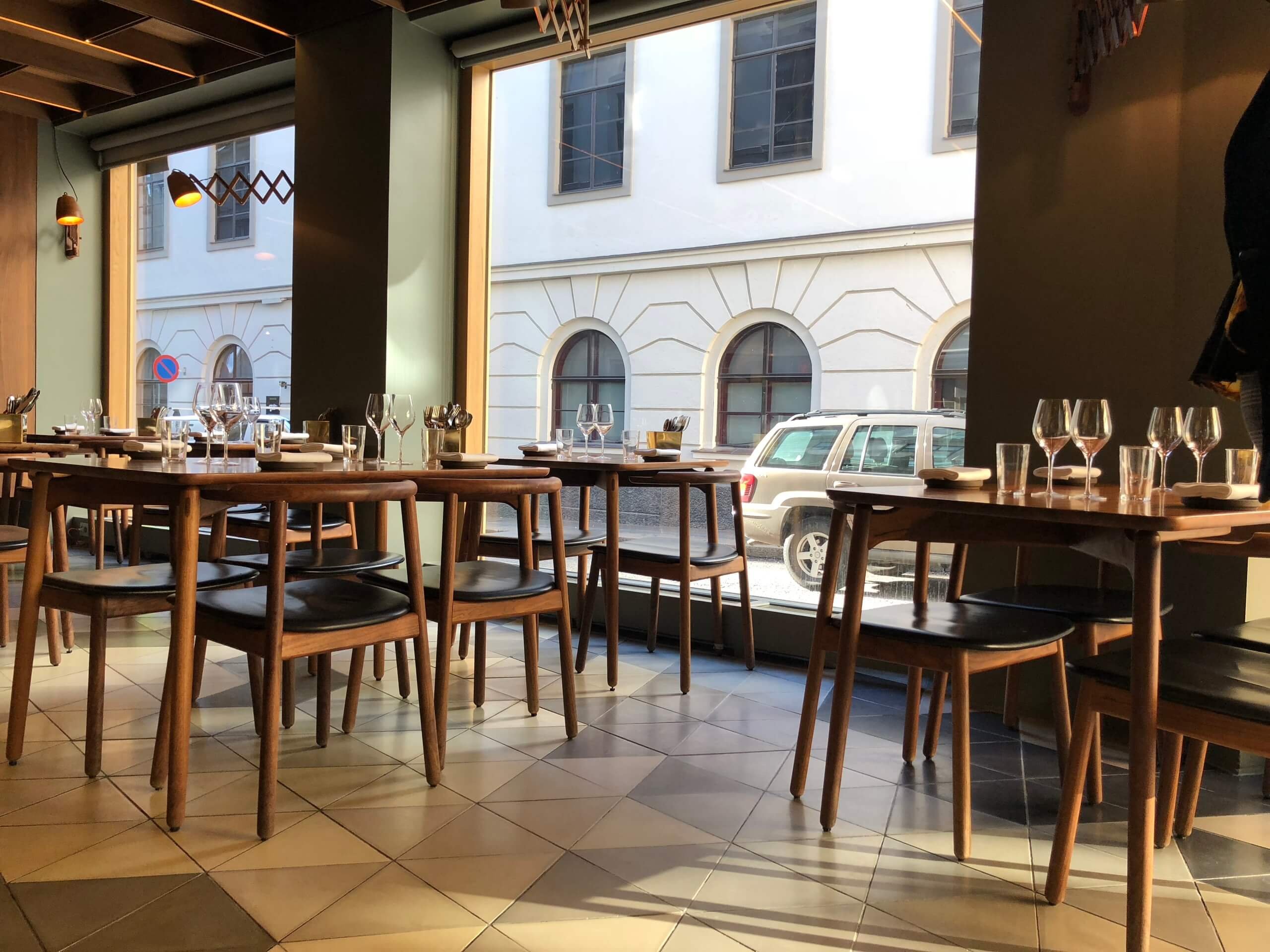
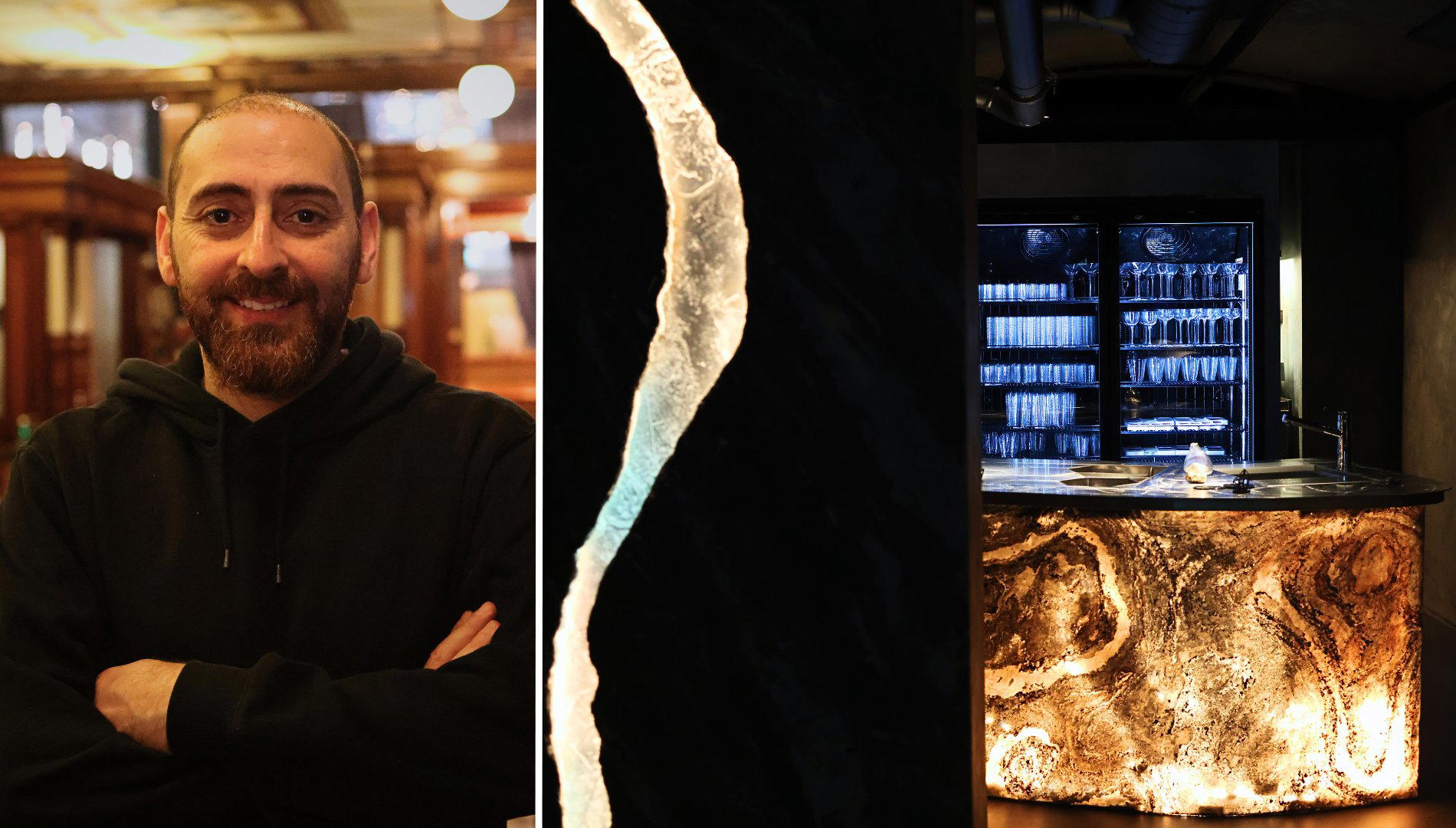
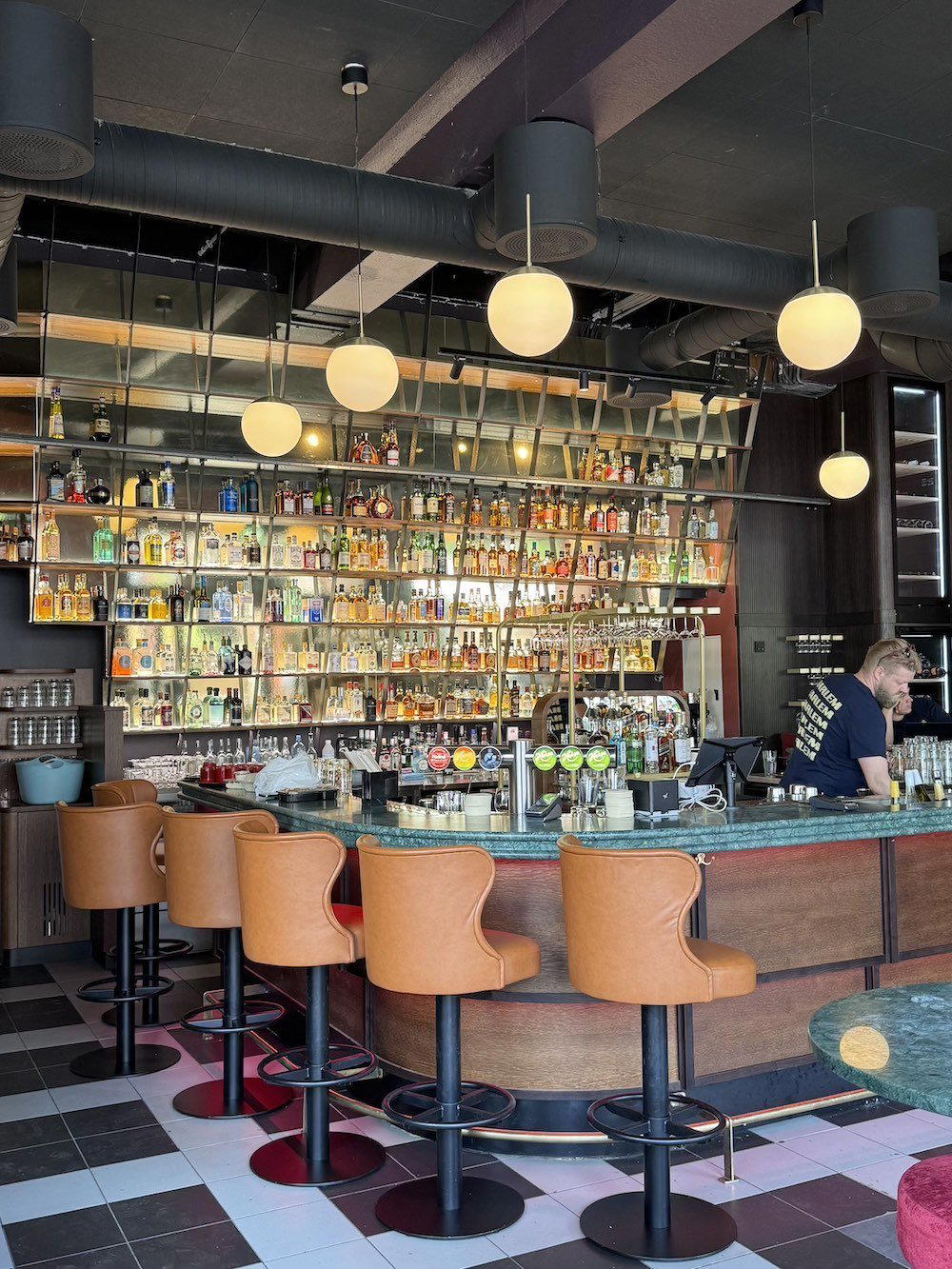
Bright and airy with high ceilings, exposed metal ventilation ducts, wood and concrete finishes, loud music, and an open kitchen creating a warm yet energetic atmosphere.