Locust






1 Michelin Star · World's 50 Best #20 · James Beard Award Semi Finalist
Our verdict
Locust Nashville transforms humble dumplings into culinary art through Chef Trevor Moran's Noma-trained precision, earning Bon Appétit's #1 Best New Restaurant title with weekend-only service, no-tipping hospitality, and the South's most coveted reservations in intimate 12 South quarters.

Pearl is the En Primeur Club membership app, where members save venues, book tables and use the concierge.
The menu
What to order
- Beef tartare hand rolls
- Lamb dumplings
- Shaved ice
12 South, Where Neighbourhood Character Meets Culinary Precision
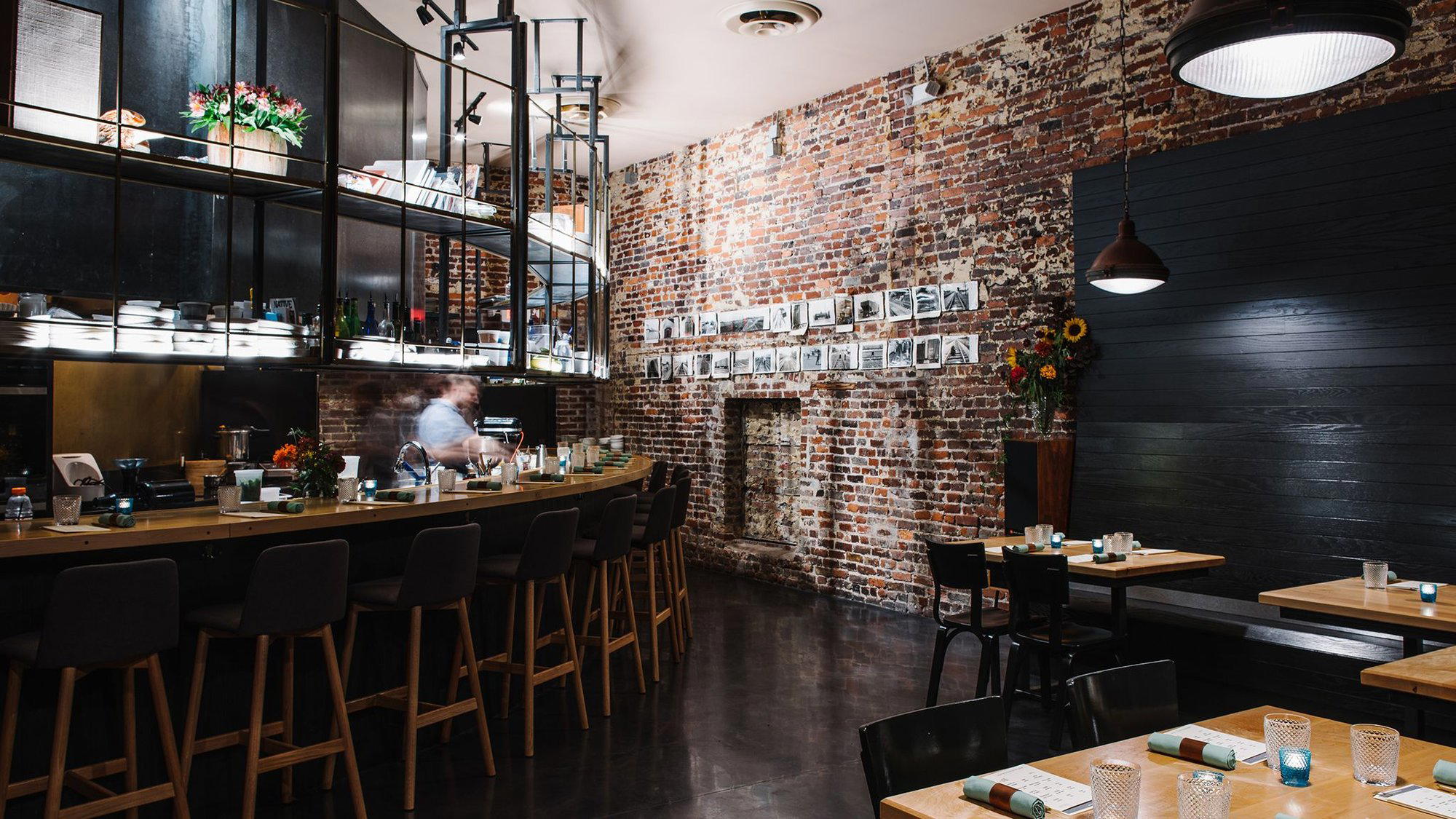
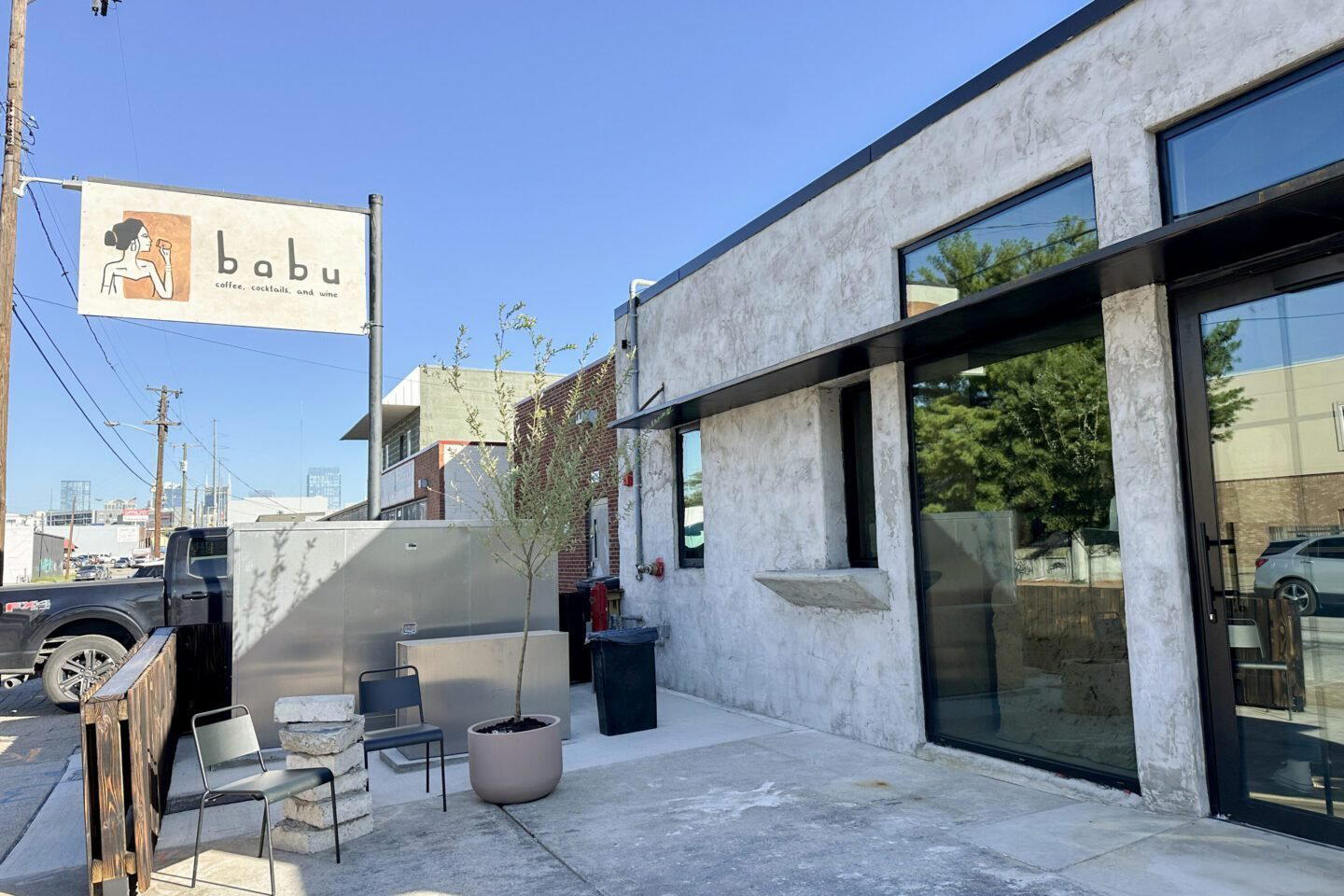
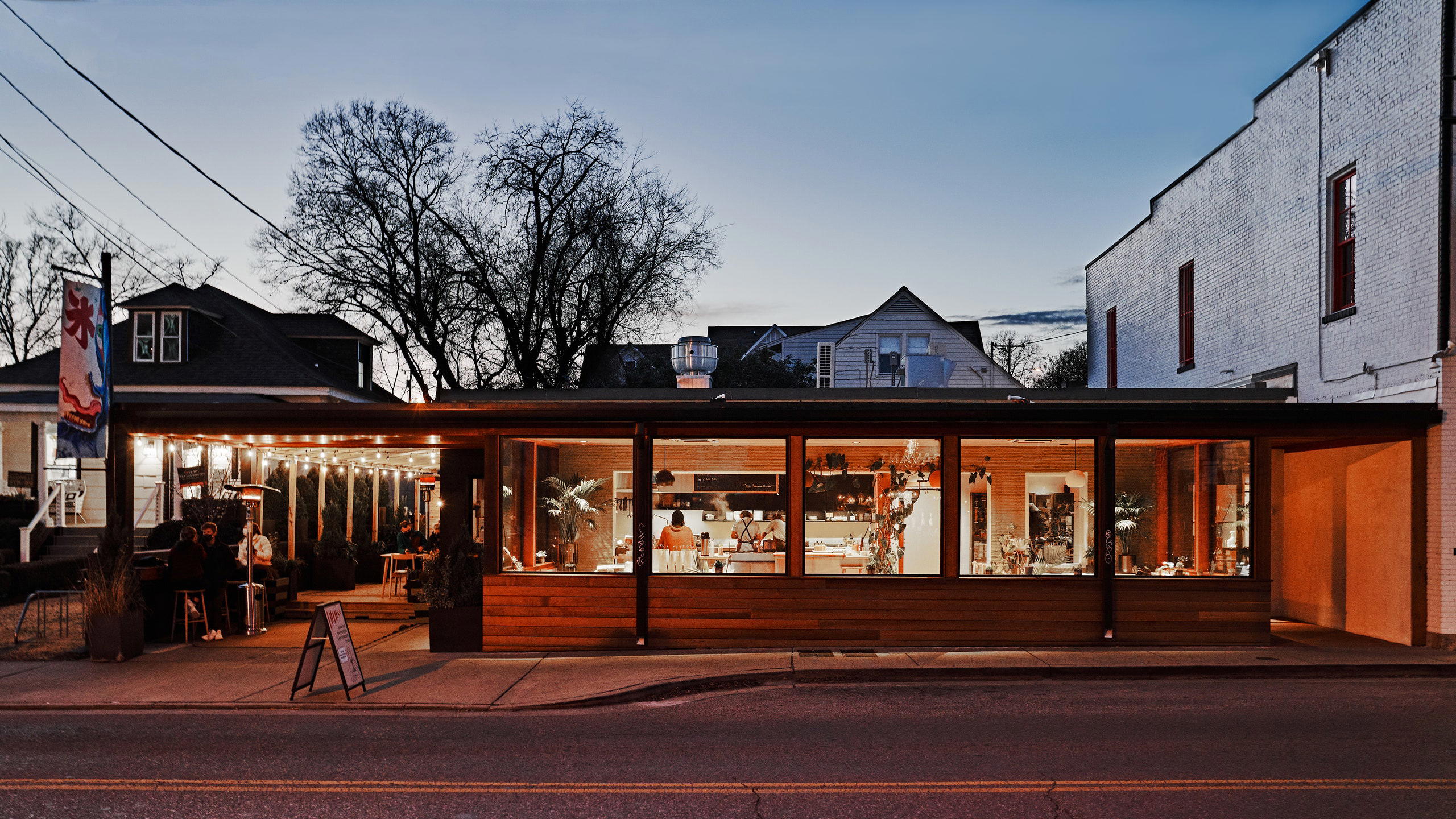
Walk south along 12th Avenue in Nashville's 12 South district on a Friday afternoon and the shift from residential calm to active neighbourhood corridor happens quickly. Coffee shops give way to boutiques, boutiques to restaurants with lines already forming before noon. It is the kind of block where the city's culinary ambitions and its community character sit close together, and Locust, at 2305 12th Ave S, belongs to both sides of that tension. The building reads as low-key from the street, which is the point. What goes on inside operates at a different register entirely.
The Case for Restraint in a City That Often Prefers Spectacle
Nashville's progressive dining scene has expanded considerably over the past decade, with operators arriving from major culinary centres and planting flags in a city that was, for a long time, underestimated on the national stage. The Catbird Seat did much to establish the city's credibility in that conversation, and Locust emerged from that lineage. Chef Trevor Moran spent four years at Noma in Copenhagen before joining Catbird Seat, then stayed in Nashville to open his own place. The resulting operation is not a Noma offshoot or a fine-dining provocation; it is something harder to categorise and more interesting for it.
The menu is built around dumplings and kakigōri, the Japanese-style shaved ice that functions here not as dessert novelty but as a genuine part of the menu's identity. That pairing might sound arbitrary. In practice, it reflects a broader shift in how progressive American restaurants are drawing on technique and tradition: not from any single culinary heritage, but from whatever combination of rigour and pleasure the kitchen finds compelling. Lazy Bear in San Francisco and Alinea in Chicago represent one end of that spectrum, where the conceptual frame is the experience. Locust sits at a different point: the concept is present, the execution is serious, but the format remains accessible enough for lunch to function as its own occasion.
What the Menu Is Actually Doing
The Locust approach is not minimalism for its own sake. The menu is stripped back out of intent, not limitation. Dishes like the lamb dumplings and razor clams arrive with a complexity that does not announce itself in the description. The format named Too Much Caviar is a useful signal of the kitchen's sensibility: self-aware, confident, and willing to lean into contrast rather than resolve it into something more conventional. Seafood occupies a significant part of the menu, running through dishes in a way that aligns Locust with the seafood-forward progressive tier occupied nationally by restaurants like Le Bernardin in New York City, though the register here is considerably less formal.
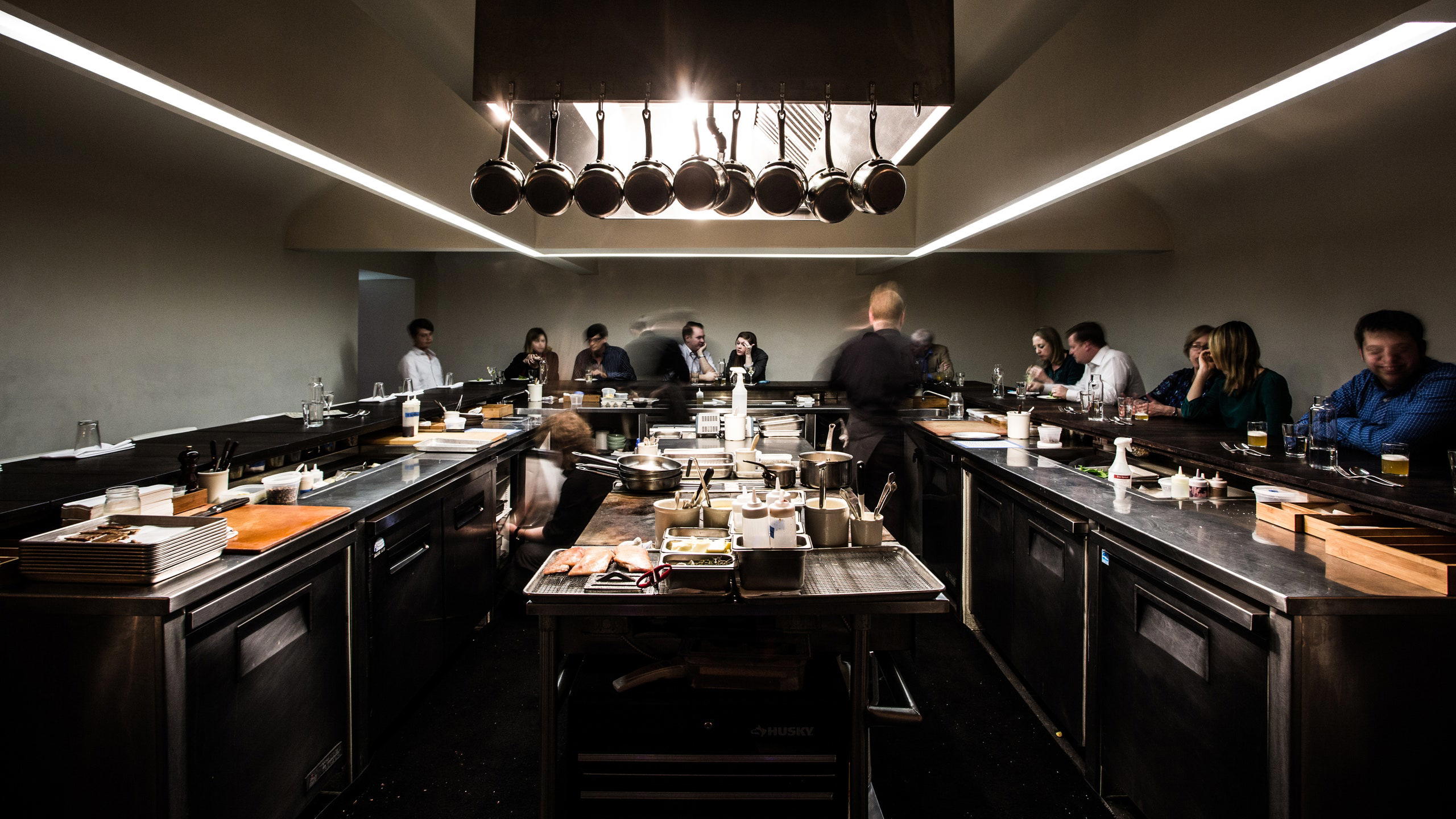
Service operates at a pace that matches the kitchen's directness. Staff are knowledgeable about the food without performing that knowledge at the table. The assumption is that you are there to eat, and the service style respects that. It is worth knowing in advance that dietary restrictions present real challenges here: the menu's focus means vegetarian options are limited, and the kitchen is not structured around substitution. That is a deliberate constraint, not an oversight, and it shapes the experience for everyone in the room.
Awards That Locate This Place in a Specific Tier
The recognition Locust has accumulated is notable not just in volume but in what it implies about competitive position. OAD rankings are driven by surveyed professionals and experienced diners, which means the movement from #59 to #24 over two years reflects sustained peer recognition, not just local enthusiasm.
The French Laundry in Napa, Single Thread Farm in Healdsburg, and 81 in Tokyo occupy adjacent tiers of that same critical conversation. What Locust does differently is resist the infrastructure those restaurants depend on, operating without the service theatre or the extended tasting format that typically anchors that level of recognition. Comparable in ambition internationally, Katla in Oslo also operates as a tight, chef-driven format with outsized critical weight. The pattern, across cities, is consistent: focused menus, constrained capacity, and a refusal to scale beyond what the kitchen can execute at its intended level.
Booking, Timing, and the Patio Option
Reservations open on the first of each month for the following month and sell out quickly, covering both lunch and dinner slots. Friday, Saturday, and Sunday are the only operating days, with hours running 10:30am to 2:30pm and 5pm to 9pm across all three. That means a total of nine service windows per week, across a dining room with no published seat count. Anyone who has tried to book in the month of opening will recognise the pattern: the window for online reservations closes faster than most diners expect.
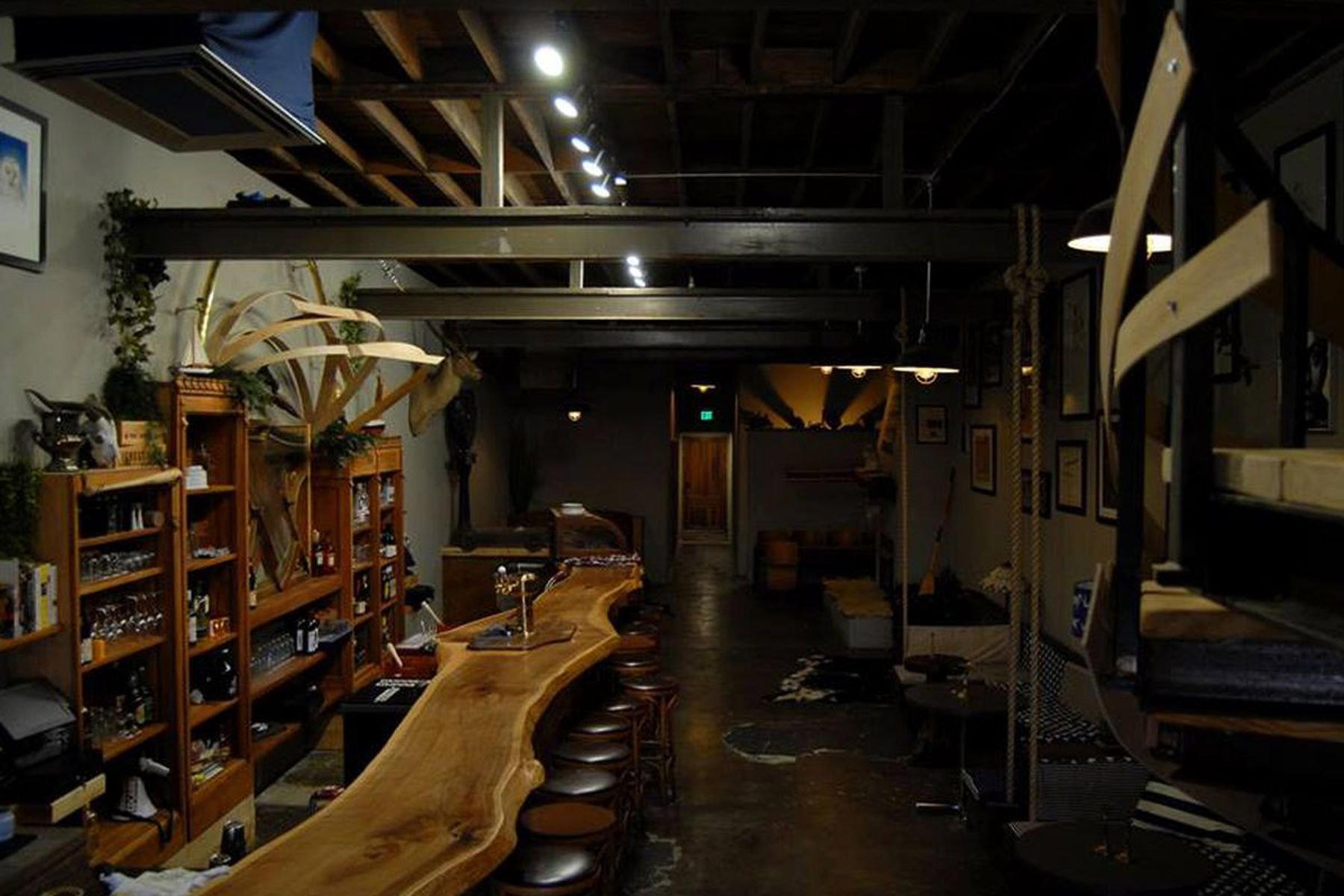
The practical alternative is the patio, which operates on a first-come, first-served basis on weekends and offers charcuterie and drinks. It is a lower-commitment way to experience the Locust environment and, depending on the season in Nashville's typically warm climate, can be a genuinely good option rather than a consolation. The 12 South neighbourhood provides enough before and after context, with surrounding restaurants and bars, to make an afternoon around a patio visit worthwhile. For those planning a wider Nashville itinerary, the full Nashville restaurants guide and Nashville hotels guide cover the broader picture, along with the bars guide, wineries guide, and experiences guide.
Locust in the Nashville Progressive Dining Context
Nashville's progressive tier has multiple reference points worth understanding. Audrey and Bastion operate in adjacent creative territory, each with a different relationship to format and formality. Peninsula extends the Southern American thread in a different direction, while Alebrije adds a distinct Mexican register to the city's growing range. What Locust does within that group is occupy the most compressed format: the fewest operating hours, the narrowest menu focus, and the strongest signal that the kitchen's priorities do not include accommodating every type of visit.
That compression is also what makes the Locust model replicable in principle but difficult in practice. The three-day week is not just a lifestyle choice; it is an operational philosophy that affects how the kitchen approaches each service. Staff sustainability is built into the schedule, which affects turnover, consistency, and the quality of the experience at the table. Emeril's in New Orleans and the older generation of American fine dining operated on the opposite logic, scaling up and adding locations. Locust represents a different answer to what an ambitious restaurant can be, and Nashville is a more interesting food city for having it.
Frequently asked questions
Is Locust good for families?
Locust is not built around flexibility. The menu is intentionally narrow, vegetarian options are limited, and dietary accommodations are minimal by design. Families with selective eaters or young children will find the format constraining. Those with older children who eat broadly, however, will find the weekend lunch service at 12 South a more relaxed entry point than dinner.
Is Locust better for a quiet night or a lively one?
Locust runs at a specific frequency: focused, engaged, and sociable without being loud. The 12 South neighbourhood setting on a Friday or Saturday draws a crowd that is there to eat seriously, and the lunch service in particular has a scene-like energy. If you want a slow, contemplative dinner, a three-day-a-week Michelin-starred spot with a full dining room is not the quietest option in Nashville.
Has Locust won any awards?
Locust has received recognition including: Opinionated About Dining Top Restaurants in North America Ranked #24 (2025); A stripped back dumplings and kakigōri joint with wild flavour combinations Chef CV: If Nashville has culinary royalty, Trevor Moran is part of that family. The Ir….
What should I eat at Locust?
The menu is compact enough that ordering broadly is the right move. Dishes like the lamb dumplings, razor clams, and the item listed as Too Much Caviar represent the kitchen's approach: complex flavour built into a simple-looking format. The kakigōri, Japanese-style shaved ice, is a signature and worth treating as a course in its own right rather than an afterthought. Reservations open the first of each month and sell out quickly, so the better question is how to get a table.
What cuisine category does Locust fall under?
| Venue | Cuisine | Price | Awards |
|---|---|---|---|
| LocustThis venue (the venue you are viewing) | Modern Fusion with Japanese and Irish Influences | $100–150 | 1 Michelin Star · World's 50 Best #20 |
| Arnold’s Country Kitchen | Southern Meat-and-Three | $10–20 | Michelin Plate · James Beard Award America's Classics |
| Audrey | Modern Appalachian Fine Dining | $100–150 | Michelin Plate · Resy Best of the Hit List |
| Biscuit Love Gulch | Southern Breakfast & Brunch | $20–30 | Not listed |
| Butcher and Bee | Mediterranean-Inspired Small Plates | $30–50 | Resy Best of the Hit List |
| FOLK | Contemporary Italian with Neapolitan Pizza | $50–100 | Michelin Plate |
Recognition history
Dated appearances from independent guides and award organizations, with the underlying list record or original source where available.
Michelin 1 Star
Michelin
World's 50 Best North America's Best Restaurants #20
World's 50 Best
James Beard Award Semi Finalist
James Beard Award
Opinionated About Dining Top Restaurants in North America Ranked #5
Opinionated About Dining
OpenTable Top 100 Restaurants
OpenTable
Full recognition history (9 entries)
Opinionated About Dining Top Restaurants in North America Ranked #24
Opinionated About Dining
Opinionated About Dining Top Restaurants in North America Ranked #32
Opinionated About Dining
Opinionated About Dining Top Restaurants in North America Ranked #59
Opinionated About Dining
Robb Report 100 Greatest American Restaurants of the 21st Century #78
Robb Report