Kashkar Cafe
On Brighton Beach Avenue, Kashkar Cafe occupies a specific and underserved niche in New York's dining geography: a sit-down window into Uyghur culinary tradition, the cuisine of Central Asia's Silk Road corridor. The cafe draws a loyal local crowd from Brooklyn's Russian-speaking community and a growing contingent of curious diners from across the borough, making it one of the few places in the city where hand-pulled noodles and lamb-heavy Central Asian cooking meet without compromise.
Pearl is the En Primeur Club membership app — saves, bookings, and concierge access live there. Same editors, same standards.
- Address
- 1141 Brighton Beach Ave, Brooklyn, NY 11235
- Phone
- +17187433832
- Website
- kashkar-cafe.com
- Directions
- Get directions
 Saves & bookings on Pearl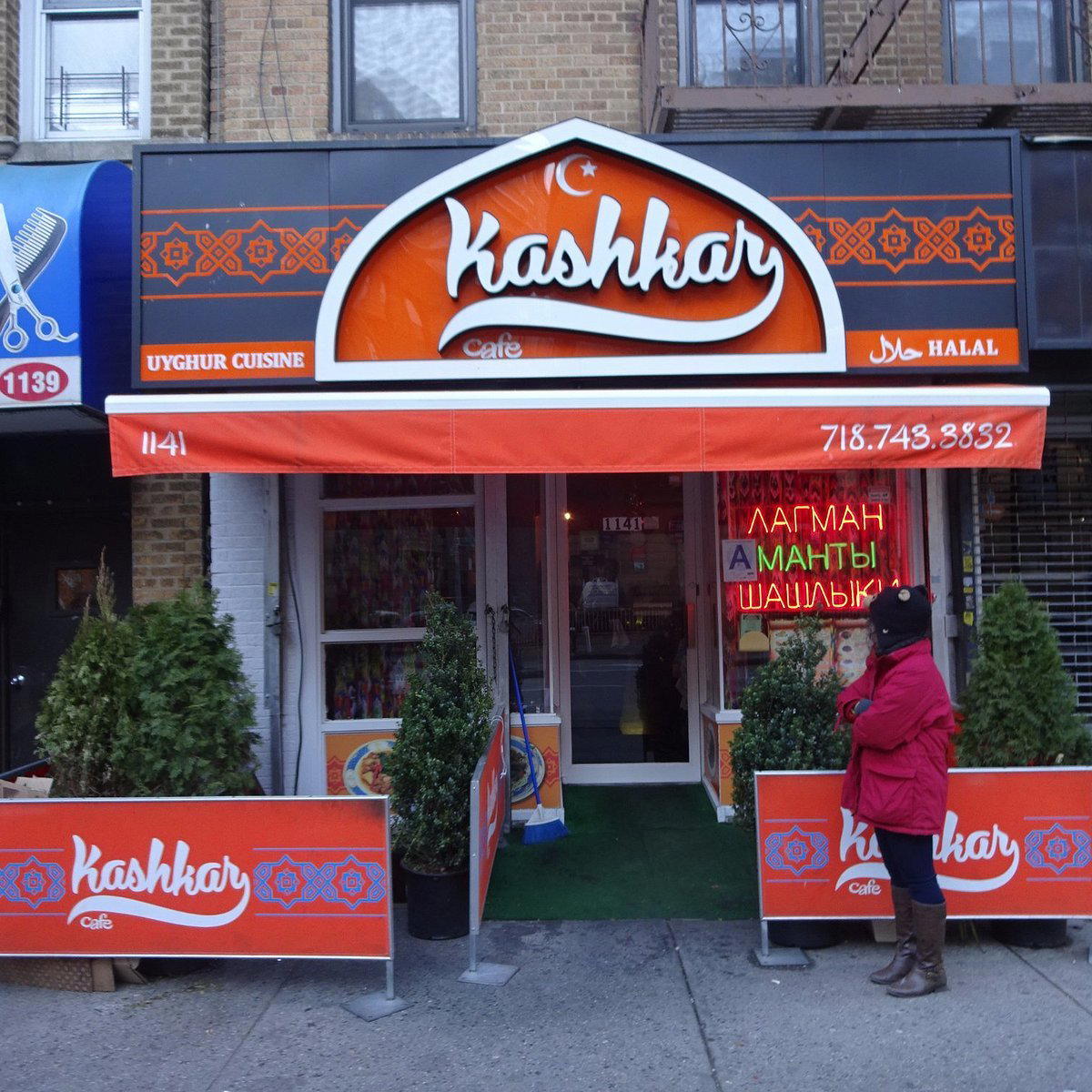
Brighton Beach and the Food That Arrived With Its People
Brighton Beach Avenue runs under the refined B and Q train tracks with a particular density of signage in Cyrillic, a concentration of Eastern European provisions shops, and a street-level energy that registers as distinctly non-Manhattan. This is where New York's largest post-Soviet immigrant community settled, and where the culinary map extends well beyond the Russian and Ukrainian staples that most visitors expect. Tucked into that corridor at 1141 Brighton Beach Ave, Kashkar Cafe is a Uyghur restaurant serving New York City. It represents a strand of that community's food culture that rarely surfaces elsewhere in the five boroughs: the cuisine of the Uyghur people, a Turkic ethnic group from the Xinjiang region of western China whose cooking sits at the intersection of Central Asian, Chinese, and Middle Eastern culinary traditions.
The broader context matters here. New York has plenty of Chinese regional cooking and a reasonable spread of Central Asian restaurants concentrated in neighborhoods like Rego Park and Sheepshead Bay. Uyghur cooking, however, occupies a narrower slot. It shares the lamb-forward character of Uzbek and Kazakh cuisines, the hand-pulled noodle traditions of western Chinese cooking, and the spice logic of the Silk Road trade routes, but it doesn't map cleanly onto any of those categories. That ambiguity has historically kept it out of the mainstream dining conversation, even in a city that accommodates extraordinary culinary range. Kashkar Cafe has persisted in that gap, serving a community that recognizes the food and educating the visitors who arrive without a reference point.
How the Cafe Has Shifted Over Time
The evolution of Uyghur restaurants in New York follows a recognizable immigrant dining arc. Early establishments opened primarily to serve their own communities, with menus that assumed familiarity with the cuisine rather than explaining it. Pricing stayed low, decor was functional, and the dining rooms operated more as neighborhood anchors than as destinations for outside visitors. Kashkar fits within that lineage, but the past decade has introduced a new pressure: the combination of social media discovery, food-media interest in regional and diaspora cuisines, and a wider dining public that has become more comfortable seeking out unfamiliar traditions.
That shift has changed who walks through the door. Brighton Beach's Uyghur restaurants, including Kashkar, now draw diners from across Brooklyn and beyond, drawn partly by food writing and partly by the kind of word-of-mouth that travels through the city's more adventurous eating communities. The cafe has not reinvented itself to court that audience. The kitchen hasn't adjusted its seasoning toward blander preferences or reformatted its menu as a curated tasting experience. Visibility has changed. The broader New York dining conversation, which once compressed all of Brighton Beach's culinary range into a few shorthand references, has started to acknowledge the specific depth of what exists along that avenue.
For a city where the high end of restaurant culture is dominated by tasting menus at places like Le Bernardin, Per Se, and Masa, the honest neighborhood dining end of the spectrum often goes underreported. Kashkar operates in a completely different register from the Korean fine dining at Atomix or Jungsik New York, but both ends of the spectrum belong to the same city's food story. A comprehensive reading of New York dining requires both.
The Cuisine Itself: What Uyghur Cooking Means in Practice
Uyghur food is built around a few central techniques and a specific pantry. Lamb is the dominant protein, appearing in grilled skewer form, braised into stews, and folded into dumplings. Hand-pulled noodles, known as laghman, are the structural backbone of the cuisine, served with oil-fried vegetable and meat toppings that absorb into the noodle's chewy surface over the course of eating. The seasoning palette draws on cumin, chili, and a suite of warm spices that differentiate it from both Chinese and Central Asian norms while referencing both.
The dumpling tradition intersects with but is distinct from the Georgian khinkali, the Chinese jiaozi, and the Central Asian manti, all of which circulate in the same neighborhood's other restaurants. Uyghur manti tend toward larger formats, with lamb fillings and a cooking logic that's closer to steaming than boiling. For a city that loves noodles in all their forms, from ramen to hand-torn pasta at Italian spots across Brooklyn, the laghman format at Uyghur restaurants offers a variant that has no direct analogue elsewhere in the borough's dining supply.
This is a category of cooking that doesn't have a critical framework yet in New York the way that, say, Japanese or French cuisine does. This tradition has not been recognized by Michelin or the James Beard Awards in New York City, and it has no place in the competitive hierarchy occupied by destinations like Blue Hill at Stone Barns or The Inn at Little Washington. What it has instead is a community that has sustained it across decades and a growing contingent of eaters who are paying closer attention to the city's less-chartered dining zones.
Brighton Beach as a Dining Destination
The neighborhood itself is part of the experience in a way that doesn't apply to most Manhattan dining decisions. Getting to Brighton Beach from Midtown means taking the B or Q train to the last stop, a ride that runs about 45 to 50 minutes from Midtown and deposits you directly onto the avenue under the tracks. The journey has a deliberate quality that separates arrival from the transactional efficiency of a cab to a restaurant in the West Village or Midtown. You arrive in a neighborhood, not just at a table.
Brighton Beach rewards lateral exploration. The avenue's Eastern European food shops, the Black Sea-adjacent seafood options, the Georgian spots a few blocks over in Sheepshead Bay, and the cluster of Central Asian restaurants that have grown up around the community all form a coherent food geography that makes a case for the neighborhood as a destination rather than a single-stop errand. For diners who make the trip out of Manhattan for experiences that fall outside the city's conventional restaurant circuit, the same logic that sends people to Lazy Bear in San Francisco or Alinea in Chicago for a specific and irreplaceable dining experience applies here at a completely different price point and with a completely different form of irreplaceability.
Planning Your Visit
Kashkar Cafe sits at 1141 Brighton Beach Ave, Brooklyn. Dress: Casual. Budget: Pricing is in keeping with the neighborhood's informal dining tier, around $20 per person. Timing: Weekends draw the neighborhood's community in fuller numbers; weekday visits tend toward quieter service.
Side-by-Side Snapshot
Comparable venues nearby, for context on price, style, and recognition.
| Venue | Cuisine | Price | Notes |
|---|---|---|---|
| Kashkar CafeThis venue — the venue you are viewing | Uyghur | $ | Not listed |
| Chinatown Ice Cream Factory | Asian-Inspired Ice Cream | $ | Chinatown-Two Bridges |
| Lhasa Fast Food | Tibetan Momos | $ | Jackson Heights |
| Sweatshop Studios LLC | other | $ | Fort Greene |
| Té Company | Taiwanese Tea House | $$ | West Village |
| JOE & THE JUICE | Healthy Juice Bar & Café | $$ | Midtown-Times Square |
Continue exploring
More in New York City
Restaurants in New York City
Browse all →
Bars in New York City
Browse all →
Hotels in New York City
Browse all →







At a Glance
- Cozy
- Rustic
- Casual Hangout
- Standalone
Current opening hours
- Monday
- 10 AM–10 PM
- Tuesday
- 10 AM–10 PM
- Wednesday
- 10 AM–10 PM
- Thursday
- 10 AM–10 PM
- Friday
- 10 AM–11 PM
- Saturday
- 10 AM–11:45 PM
- Sunday
- 10 AM–11:45 PM
Hours can change for holidays and private events. Last verified .
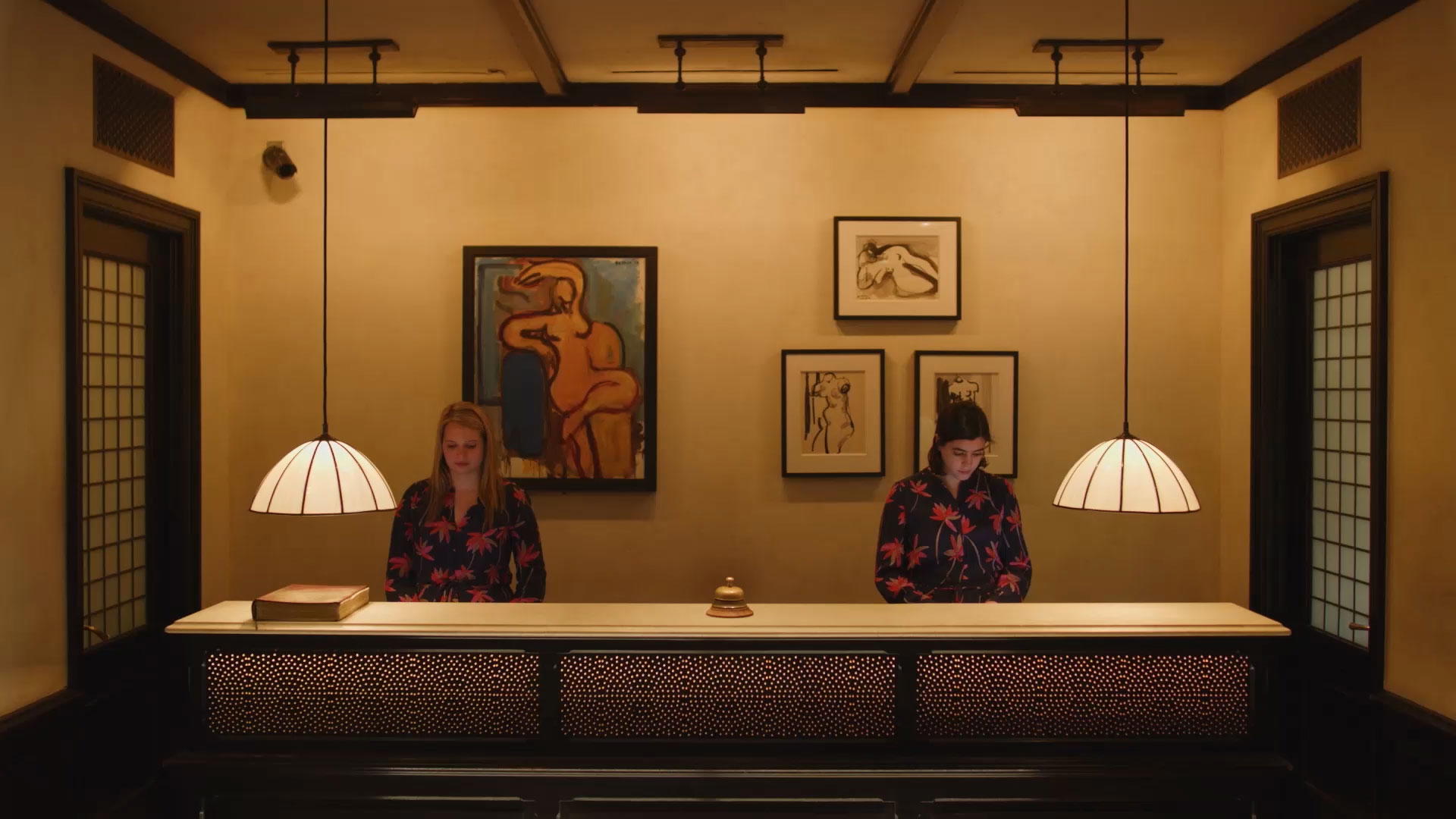
Simple, clean interior with Asian-style decorations creating a cozy, comfortable, and celebratory atmosphere.