Kascabal
On the busy stretch of Quinta Avenida between Calles 12 and 14, Kascabal occupies a position that reflects how Playa del Carmen's Mexican dining scene has reorganised itself over the past decade, away from resort-adjacent approximations and toward something more grounded in regional cooking. The address places it squarely in the commercial heart of the strip, yet the kitchen works within a tradition that rewards attention.
Pearl is the En Primeur Club membership app — saves, bookings, and concierge access live there. Same editors, same standards.
- Address
- 5av Entre Calle 12 y 14, 77710 Playa del Carmen, Q.R., Mexico
- Phone
- +529841057456
- Website
- kascabalrestaurante.com
- Directions
- Get directions
 Saves & bookings on Pearl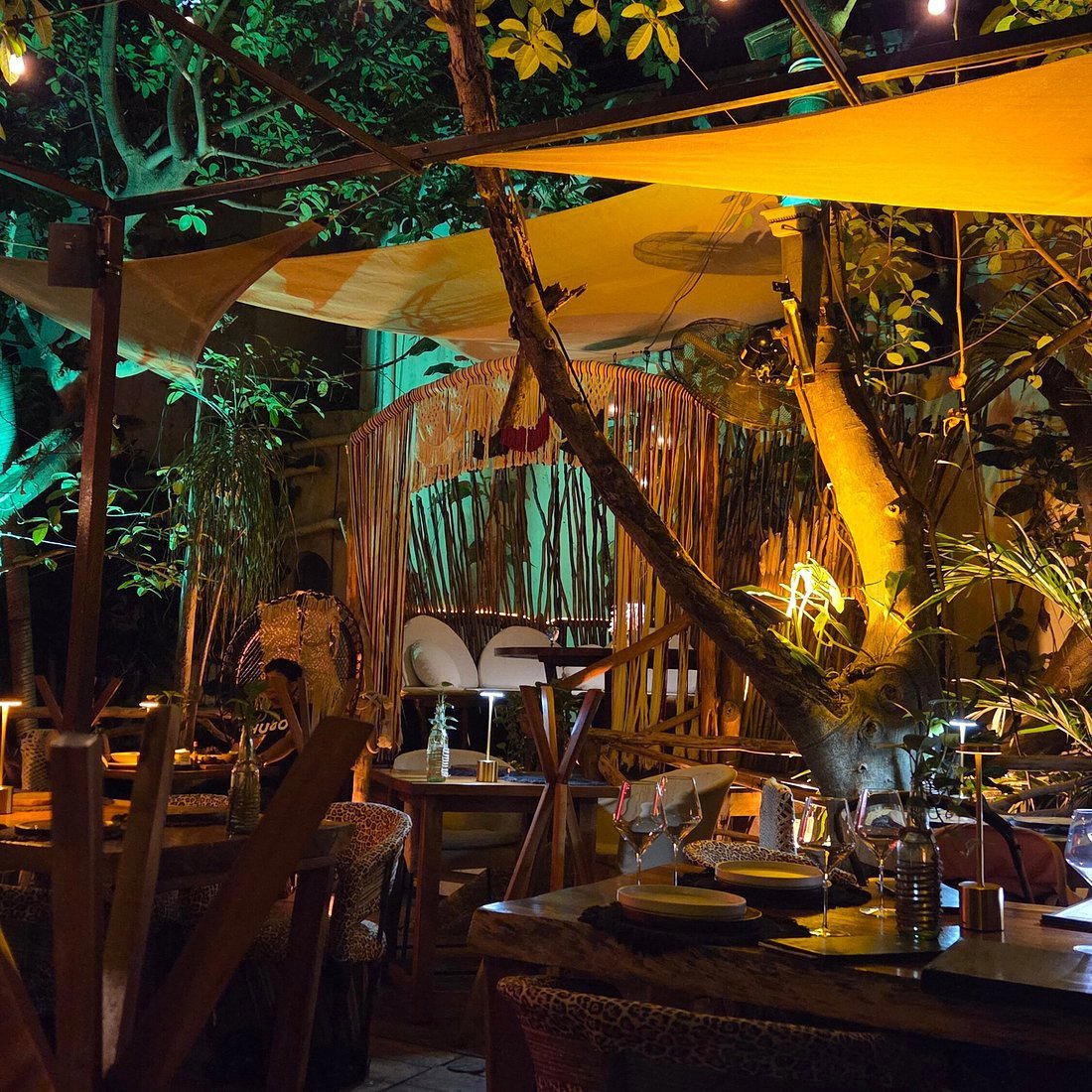
Where Quinta Avenida's Dining Ambitions Land
Playa del Carmen's main pedestrian corridor has cycled through several identities since the late 1990s: backpacker cantinas, tourist-facing taco facades, and eventually a more considered tier of Mexican restaurants that treat the Yucatán Peninsula's ingredients as a serious subject rather than a backdrop. Kascabal is a restaurant in Playa del Carmen serving Mayan-Inspired Seafood Fusion, with a price tier of 3 and an average of about $35 per person. Situated on 5a Avenida between Calles 12 and 14, it arrived into that third phase. The address is loud, high-traffic, and lit at night by the competing signage of a dozen restaurant types, which makes the choice to anchor a kitchen here, rather than in one of the quieter lateral streets, a particular kind of statement about who the dining room is speaking to.
The evolution of this stretch matters as context. A decade ago, the dominant offer on Quinta Avenida skewed heavily toward price-point performance: large menus, bright interiors, and a version of Mexican food calibrated for visitors who wanted familiarity over specificity. That model hasn't disappeared, Asadero El Pollo and spots at the budget end still hold ground on volume, but a parallel tier has formed around restaurants treating regional Mexican cuisine as the actual point. Kascabal operates in that middle-to-upper register, alongside addresses like HA' and Axiote Cocina de México, where the ambition is legible from the menu rather than the décor.
The Reinvention Pattern Along the Strip
What has changed most visibly along Quinta Avenida is the audience for serious Mexican cooking. The Riviera Maya tourism market has deepened, longer stays, return visitors, a growing segment of travellers who have already eaten at Pujol in Mexico City or at destination-format restaurants like Le Chique in Puerto Morelos and want that standard of culinary seriousness to follow them into their Playa del Carmen evening. That shift in demand has done more to reshape the strip's restaurant offer than any individual opening. Kascabal sits inside this broader pivot, positioned as a dining room that reads as Mexican in a specific, non-generic sense.
The comparison set across the Yucatán Peninsula and wider Mexico is instructive for placing Kascabal accurately. At the upper end of regional Mexican ambition, you find restaurants like Huniik in Mérida or Levadura de Olla in Oaxaca, where sourcing provenance and indigenous technique define the entire format. At the other end, the volume-led taco-and-enchilada model still dominates the accessible price bracket. Kascabal occupies the space in between: more grounded than pure tourist-facing Mexican, but positioned on a commercial artery rather than operating as a destination-only address.
This positioning is not a compromise so much as a strategic read of the Playa del Carmen market. The city does not yet sustain the kind of reservation-only, tasting-menu-forward format that works in Guadalajara or Monterrey. The walkable, drop-in culture of Quinta Avenida rewards restaurants that can convert passing foot traffic into seated covers while still operating with a kitchen that has something to say. Babe's Noodles and Bar demonstrates the same logic from an entirely different cuisine angle, turning high footfall into sustained occupancy without sacrificing format integrity.
Mexican Cooking at This Address: What It Signals
Mexican cuisine in the Riviera Maya has a complicated relationship with its own regional identity. The Yucatán Peninsula carries among the more distinct regional cooking traditions in the country, cochinita pibil, sopa de lima, recados, poc chuc, yet the coastal resort corridor from Cancún to Tulum has historically blurred those specifics into a generalist Mexican offer designed for the widest possible audience. The restaurants that have pushed back against that flattening are, collectively, the more interesting part of the story. Alux Restaurante did this years earlier through drama of setting; the current generation does it through sourcing discipline and menu specificity.
Kascabal's name itself nods to the region: cascabel, the rattlesnake or the dried chilli that shares its name, is a reference that locates the kitchen within Mexican culinary vocabulary rather than outside it. Whether the menu tracks closely to Yucatecan tradition or operates across a broader Mexican register is not something the available record confirms in detail, but the naming convention signals intent, a kitchen that understands the ingredient culture it is drawing from.
For scale and comparative ambition, the wider Mexican restaurant scene offers useful reference points. Animalón in Valle de Guadalupe, Pangea in San Pedro Garza García, and Lunario in El Porvenir each represent the upper register of regional Mexican seriousness in their respective cities. Playa del Carmen's dining scene operates in a different context, shaped by tourism volume and a more transient dining public, but the aspiration among its better kitchens is increasingly toward that standard of ingredient-led cooking.
Planning a Visit
Kascabal sits on 5a Avenida between Calles 12 and 14, which places it in one of the densest blocks of the pedestrian zone, walkable from the ferry terminal and most of the central hotel cluster. Given the nature of Quinta Avenida, walk-in dining is culturally normal along this stretch, and the surrounding competition means tables are generally accessible for those willing to arrive at off-peak hours, particularly before 7pm or after 9pm during high season (December through March, and again in July and August).
Travellers who have already experienced the top end of Mexican fine dining, at Le Bernardin or Atomix in New York, or at Pujol on a Mexico City trip, will find the Quinta Avenida tier a different register entirely. That is not a criticism. The purpose here is different: a lively street-level dining experience that draws on Mexican culinary tradition with more coherence than the resort-adjacent norm. Olivea Farm to Table in Ensenada represents the farm-sourcing end of that same Mexican dining ambition; Kascabal operates on the urban-corridor end, where accessibility and atmosphere carry equal weight to kitchen pedigree.
Reputation Context
Comparable venues nearby, for context on price, style, and recognition.
| Venue | Cuisine | Price | Notes |
|---|---|---|---|
| KascabalThis venue — the venue you are viewing | Mayan-Inspired Seafood Fusion | $$$ | Not listed |
| CATALINA Restaurante | Contemporary Mexican Cocina de Madre | $$$ | 2300800011012 |
| Restaurante Chaká | Traditional Mayan Mexican | $$$ | Playa del Carmen |
| Alux Restaurante | Contemporary Mexican Cave Dining | $$$$ | 2300800010404 |
| Las Playas | Mexican Seafood | $$ | 2300800010048 |
| La Copa | Modern Mexican Terrace Bar | $$$$ | 230080001153A |
Continue exploring
More in Playa del Carmen
Restaurants in Playa del Carmen
Browse all →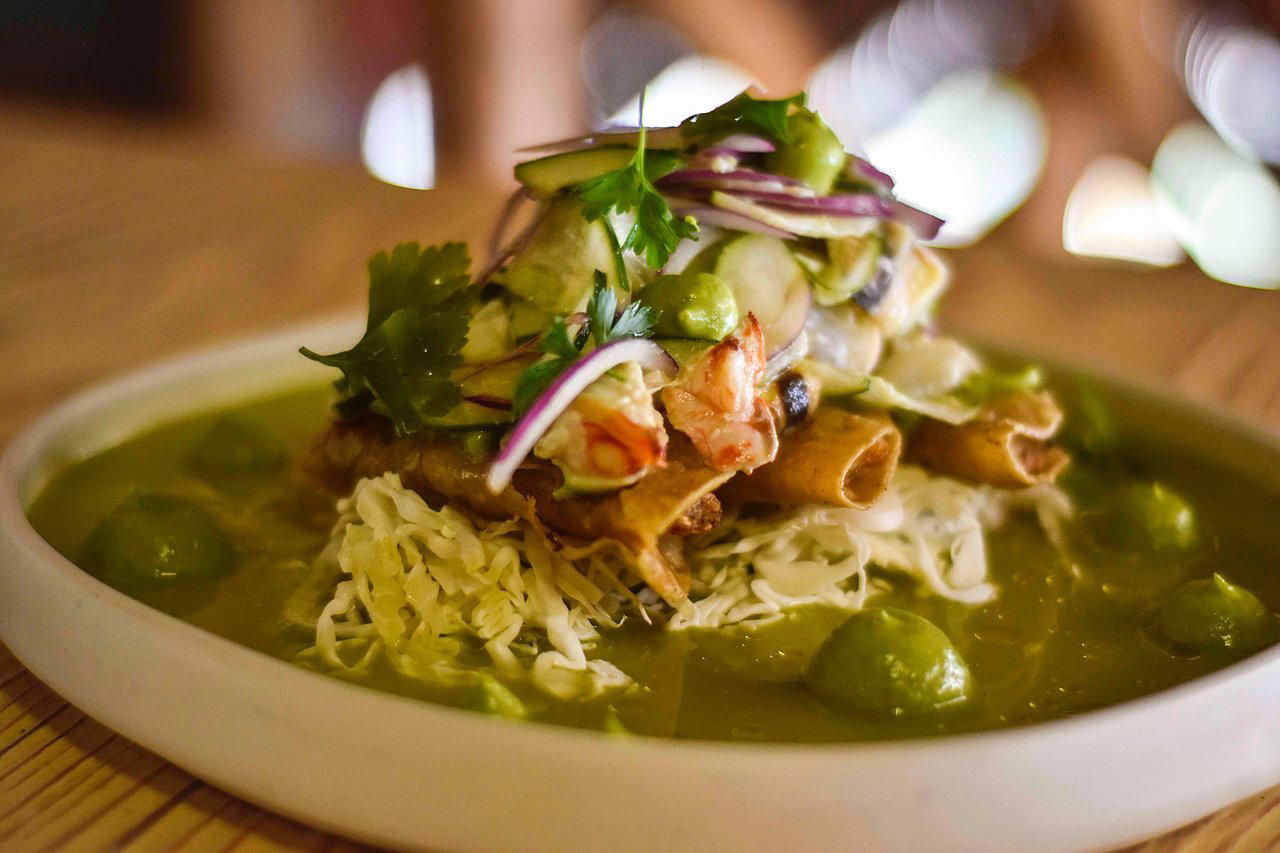
Bars in Playa del Carmen
Browse all →
At a Glance
- Rustic
- Sophisticated
- Trendy
- Cozy
- Date Night
- Special Occasion
- Open Kitchen
- Craft Cocktails
- Local Sourcing
Current opening hours
- Monday
- 9 AM–12 AM
- Tuesday
- 9 AM–12 AM
- Wednesday
- 9 AM–12 AM
- Thursday
- 9 AM–12 AM
- Friday
- 9 AM–12 AM
- Saturday
- 9 AM–12 AM
- Sunday
- 9 AM–12 AM
Hours can change for holidays and private events. Last verified .
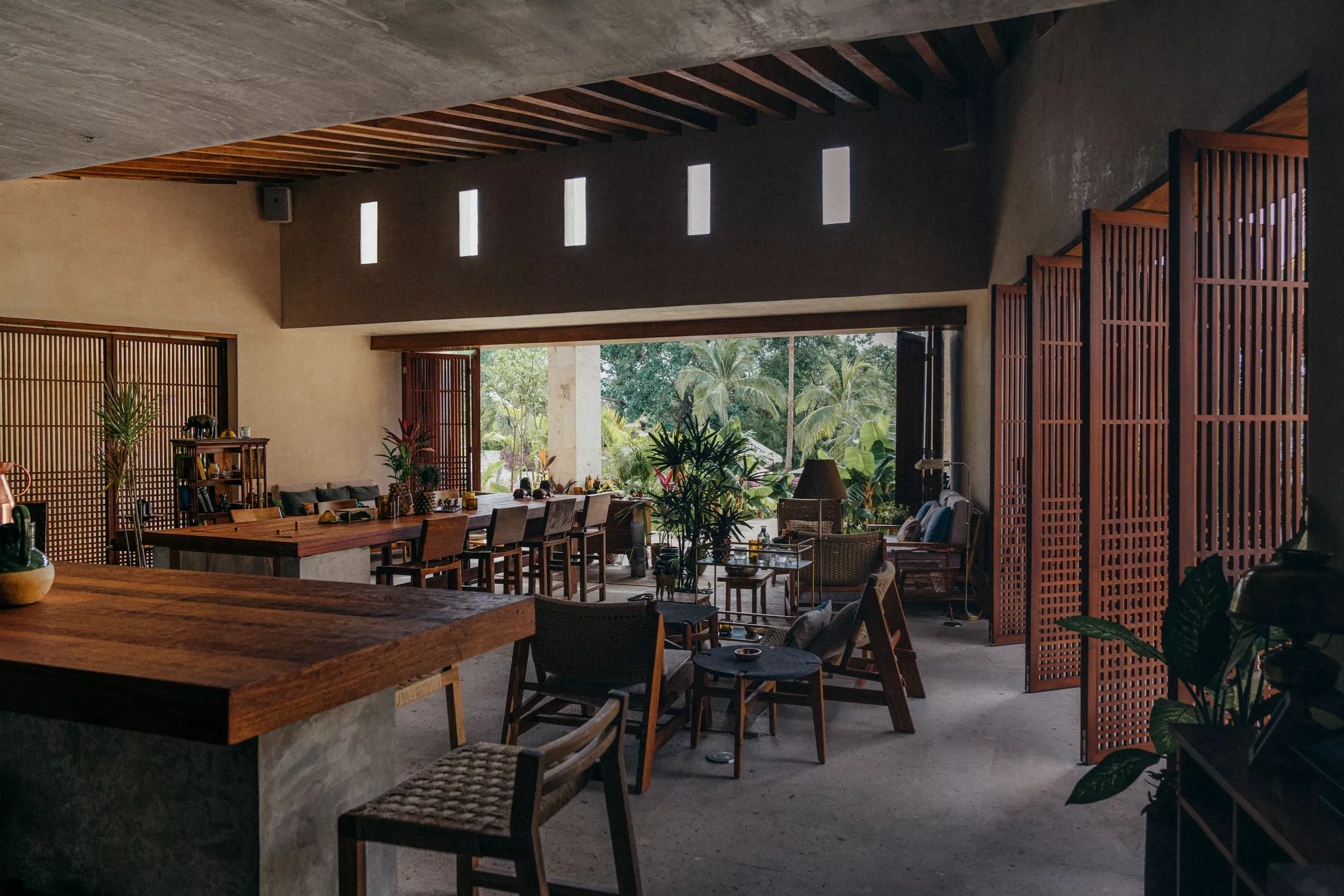
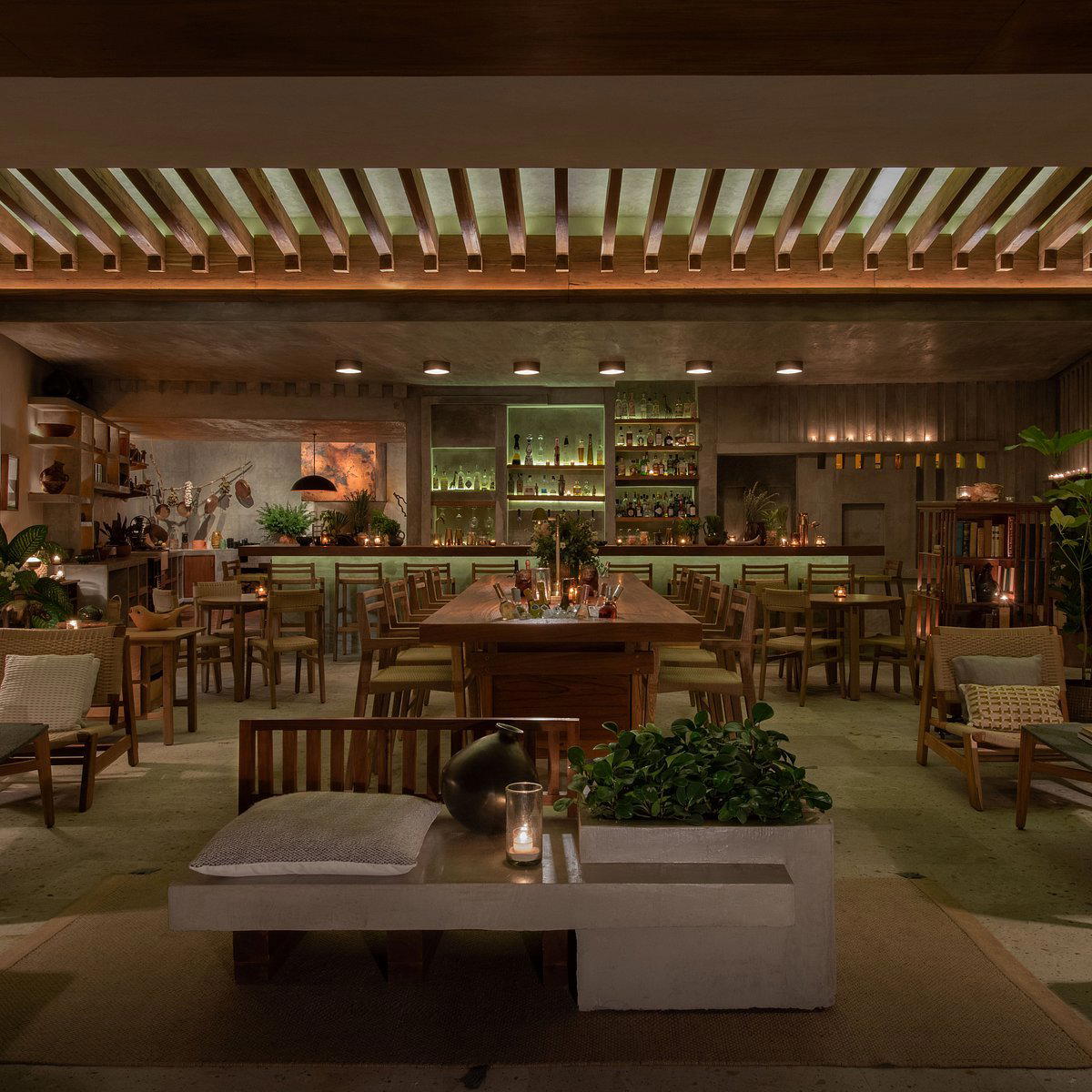
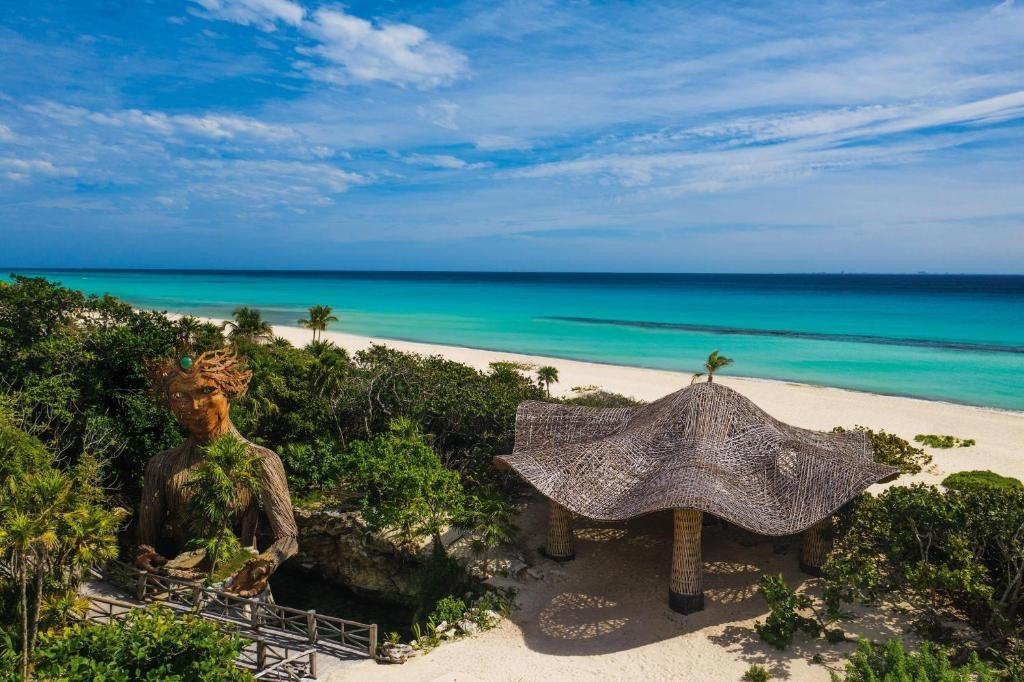
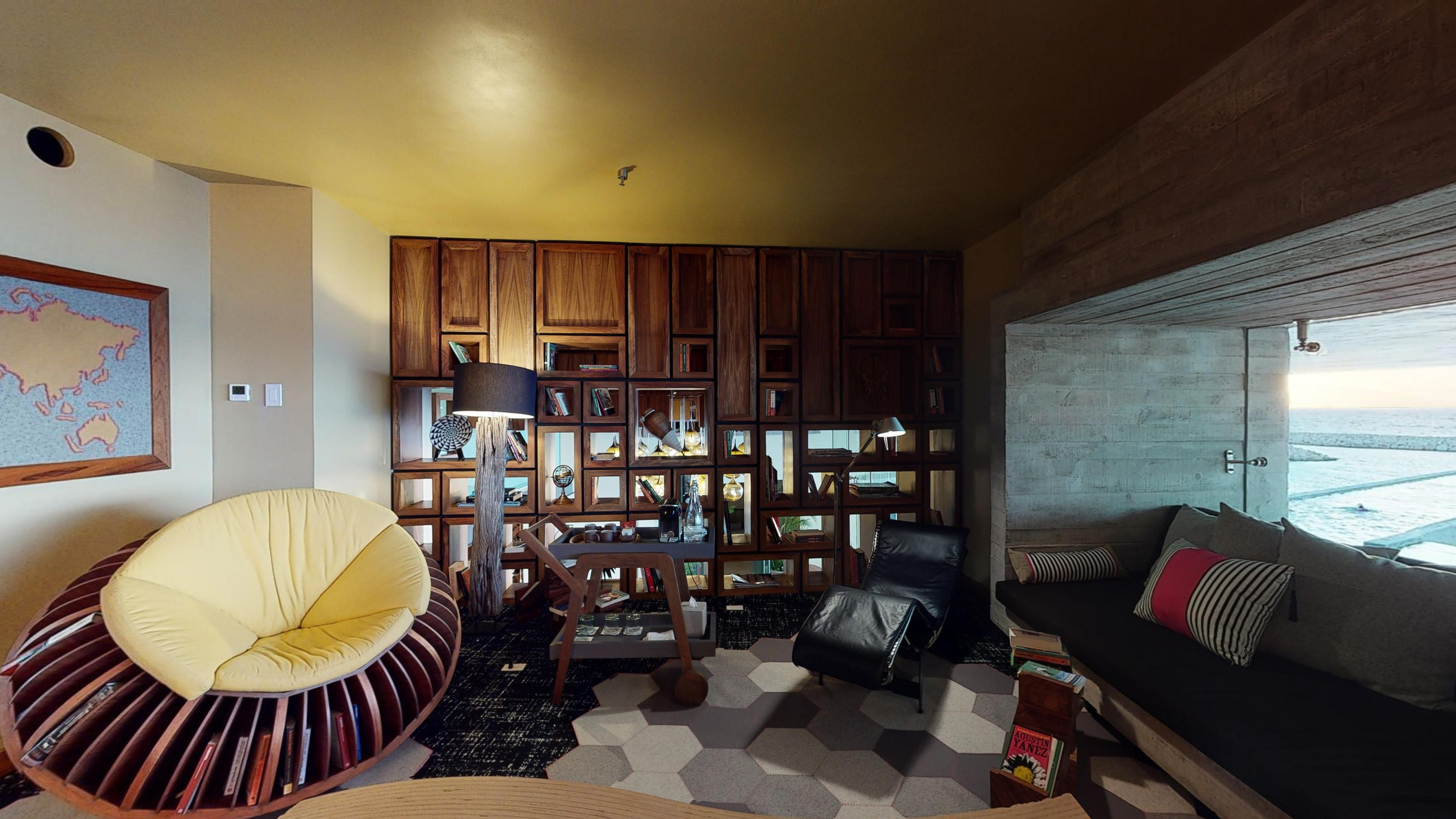
Rustic chic with mystical art, sophisticated lighting, and an eclectic atmosphere evoking Maya culture.