Las Playas
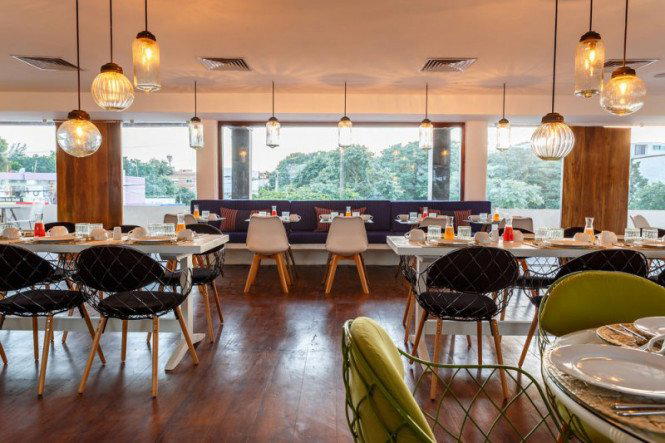
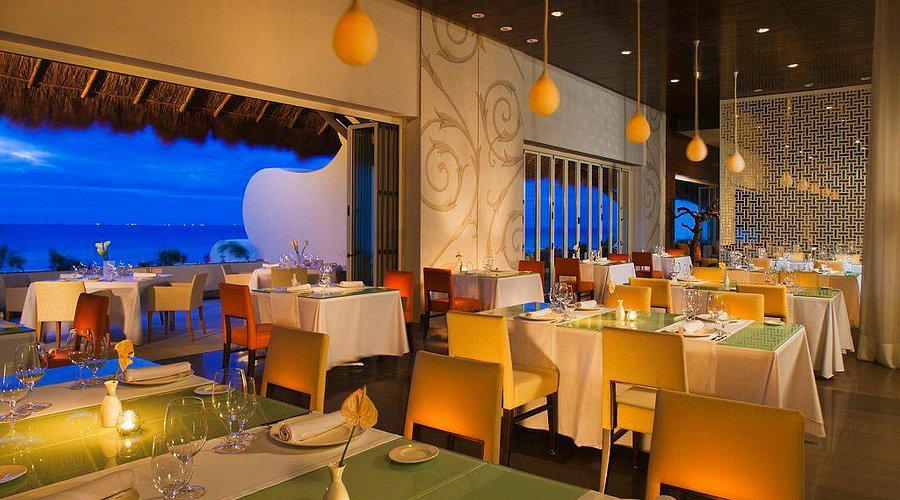
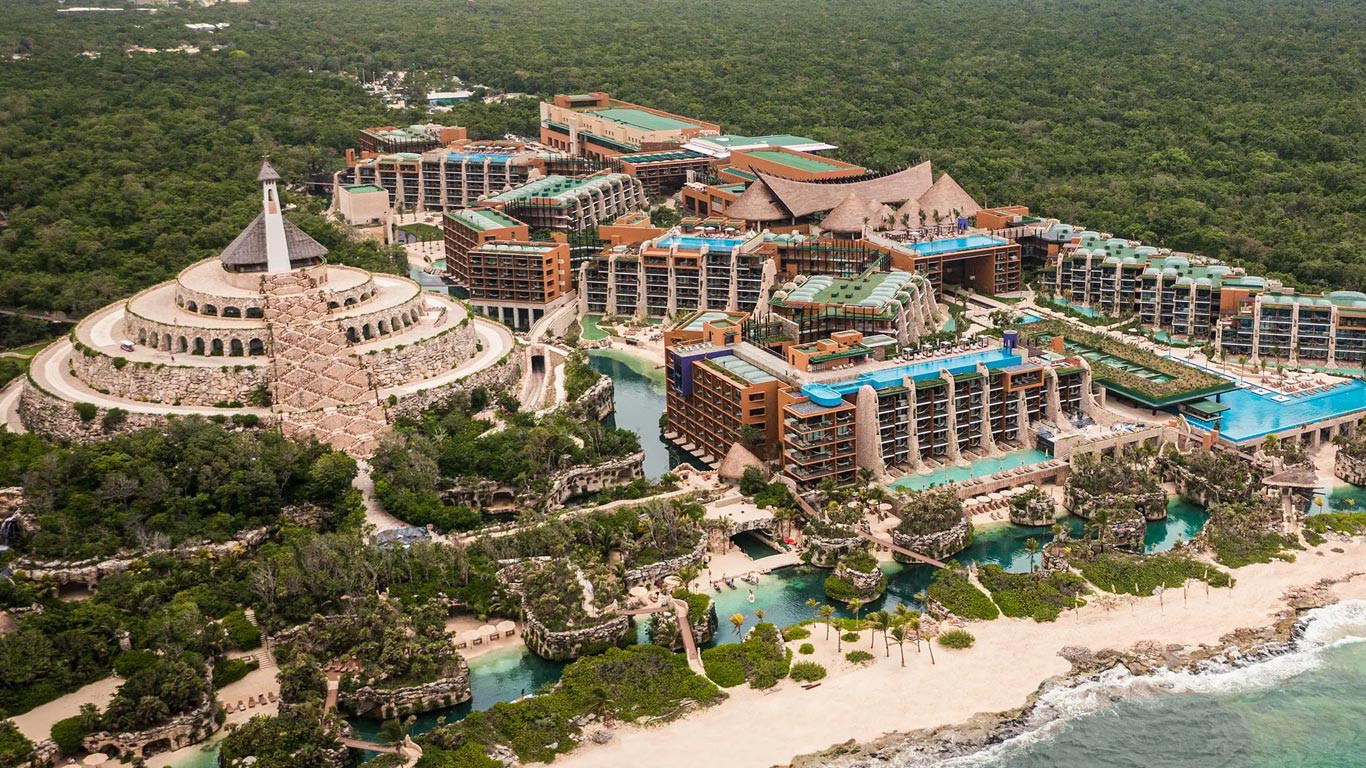
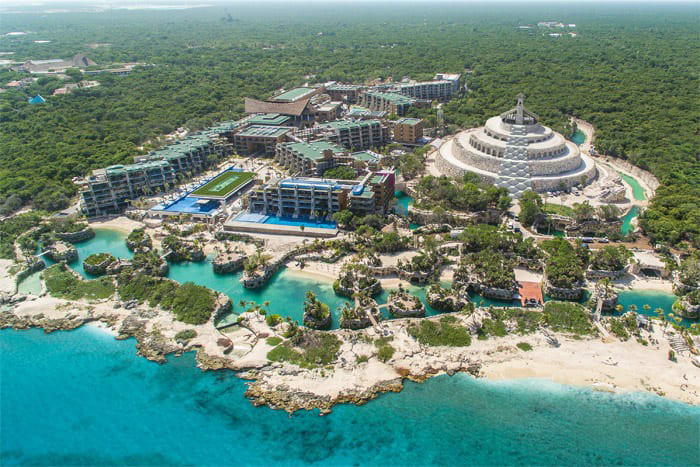
Las Playas serves Mexican seafood at Hotel Xcaret Mexico in a casual, waterfront setting with terrace seating and conversational pacing for dinner.
Pearl is the En Primeur Club membership app — saves, bookings, and concierge access live there. Same editors, same standards.
- Address
- Carretera Federal Chetumal, Puerto Juárez 282, 77710 Playa del Carmen, Q.R., Mexico
- Phone
- +529981089972
- Website
- opentable.com
- Directions
- Get directions
 Saves & bookings on Pearl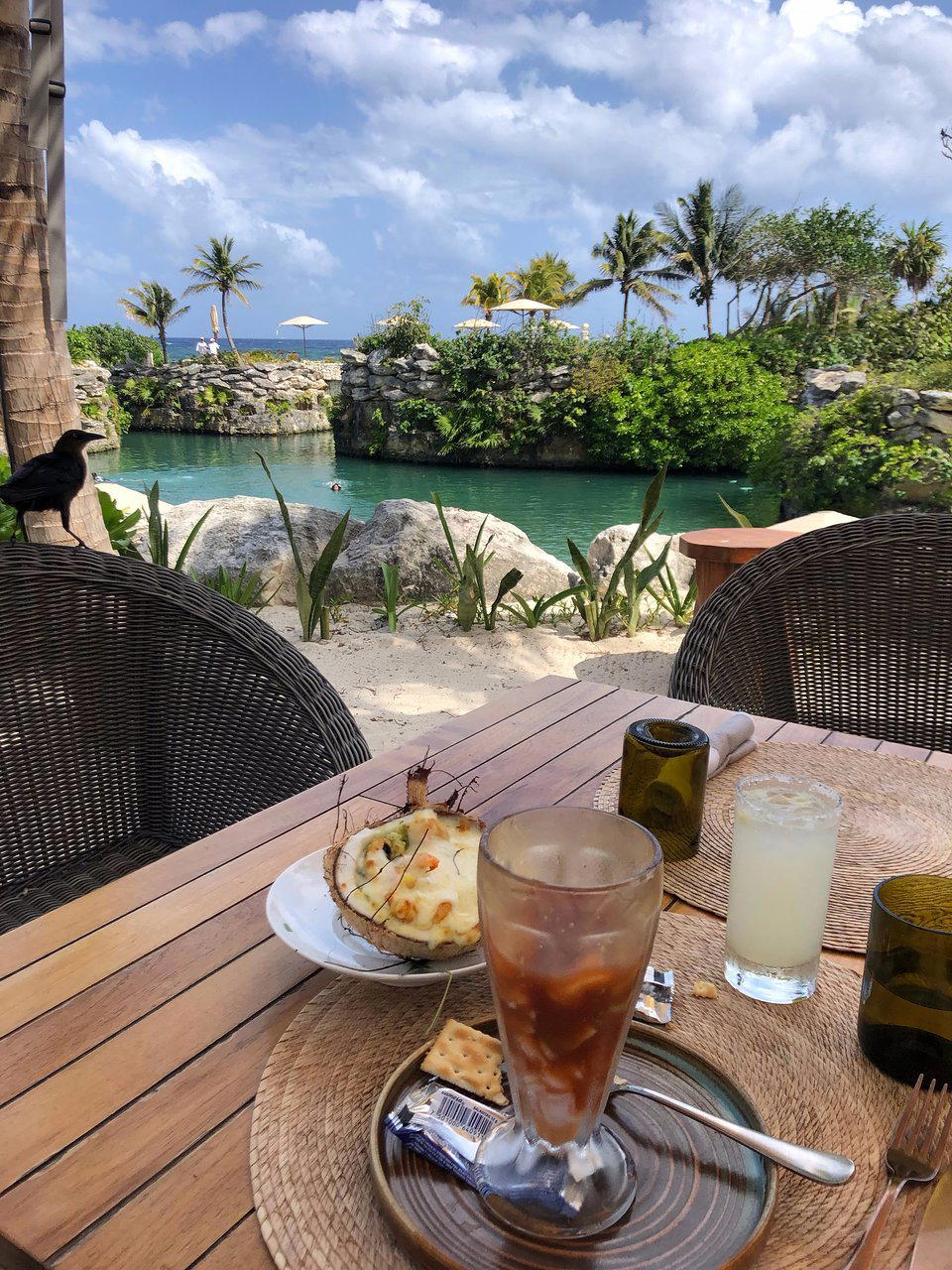
Where the Federal Highway Meets the Caribbean Shore
Carretera Federal 282 cuts south from Cancún through the resort corridor with the practical indifference of a supply road, which is precisely what makes the stretch around Playa del Carmen interesting. The addresses along this highway tell a different story from the pedestrianised tourist grid of Quinta Avenida a few kilometres inland: these are spots oriented toward the coast itself rather than toward foot traffic from boutique hotels. Las Playas occupies one such address, positioned along this federal artery at the point where the Riviera Maya begins to thin out from high-density resort infrastructure into something more porous and coastal.
Playa del Carmen's dining scene has split, over the past decade, into two distinct tiers that rarely overlap. The first serves the Quinta corridor: international formats, inflated tourist pricing, and a rotation of concepts that tend to cycle every few years as leases change hands. The second tier, smaller and less visible to the arriving visitor, has developed along the coast road and in the colonias behind it, where local patronage sets the standard rather than hotel concierge recommendations. That second tier is where Las Playas sits, and understanding that distinction matters for setting expectations before you arrive.
The Cultural Register of Mexican Coastal Cooking
The Yucatán Peninsula has one of the most structurally distinct regional cuisines in Mexico, a distinction that holds even as you move from Mérida's urban market cooking toward the coastal communities of Quintana Roo. The further you travel from the capital of the peninsula, the more the cuisine absorbs Caribbean and fishing-village influences: ceviches built on lime and habanero rather than Veracruz-style tomato broth, preparations centered on the day's catch rather than on pork-driven stews, and a reliance on recado pastes (achiote-based spice blends) that gives even simple grilled fish a depth that distinguishes it from generic beach food.
This culinary geography matters when reading a place like Las Playas against the broader Mexican dining conversation. While nationally prominent restaurants such as Pujol in Mexico City or Alcalde in Guadalajara have built reputations around formal reinterpretations of indigenous ingredients, the coastal Quintana Roo tradition operates on a different register entirely, one where freshness and proximity to the sea carry more weight than technique-forward presentation. It is a tradition that Le Chique in Puerto Morelos, just up the coast, has translated into a fine-dining format, but the majority of good eating in this stretch remains in the informal tier.
For context on how different Mexican regional traditions express themselves through distinct ingredient logic, it is worth looking at how Oaxacan cooking develops through mole complexity at places like Levadura de Olla Restaurante in Oaxaca, or how northern Mexico's wood-fire traditions anchor the menus at KOLI Cocina de Origen in Monterrey and Animalón in Valle de Guadalupe. Each region operates on its own internal logic, and the Yucatán Peninsula's coastal version is no less coherent for being less visible on international lists.
Las Playas in Its Local Competitive Set
Within Playa del Carmen specifically, the Mexican dining market covers a wide price spread. At the lower end, spots like Asadero El Pollo anchor the fast-casual grill category. In the mid-range, Axiote Cocina de Mexico represents a more considered approach to regional Mexican cooking at accessible prices. At the upper end of local Mexican dining, HA' (Mexican) and Alux Restaurante operate with production values that price against international hotel restaurants.
For visitors with range across the dining spectrum, Babe's Noodles and Bar offers an entirely different direction, demonstrating how Playa del Carmen's restaurant base has diversified well beyond Mexican regional cooking into Southeast Asian and other international formats. The full picture of the city's eating options is covered in our full Playa del Carmen restaurants guide.
The Broader Mexican Dining Moment
Mexico's restaurant sector has been in an internationally recognized period of ambition for well over a decade, with the conversation spreading beyond Mexico City to encompass regional scenes that had previously been overlooked outside their home states. The Yucatán Peninsula has benefited from this attention, with Mérida-based cooking drawing increasing interest from food writers and the emergence of technically rigorous addresses like Huniik in Mérida. The peninsula's proximity to large international tourist flows — Cancún alone receives several million arrivals annually — has created both a commercial opportunity and a quality incentive, since international visitors with exposure to high-performing Mexican restaurants elsewhere arrive with calibrated expectations.
Against that backdrop, the federal highway addresses around Playa del Carmen occupy a particular niche: accessible to both the resort corridor and to the local residential population, and therefore positioned to serve a more mixed clientele than the strictly tourist-facing venues of the Quinta grid. For comparison, Pangea in San Pedro Garza García and Lunario in El Porvenir demonstrate how Mexican dining destinations outside the capital have developed loyal local followings that coexist with visitor traffic. The federal highway addresses in Playa del Carmen are attempting something similar, though at a less formalized scale.
For international reference points on how coastal dining operates within a premium framework, Le Bernardin in New York City illustrates how seafood-focused restaurants can anchor a sustained critical reputation across decades, while Atomix in New York City shows how regional culinary traditions can be translated into a globally competitive tasting format. The Riviera Maya is not yet producing that tier of formal destination dining outside of a handful of resort-embedded exceptions, but the infrastructure of quality ingredients and culinary knowledge is present.
For the traveller considering the federal highway address at Carretera Federal Chetumal, Puerto Juárez 282, the practical calculation involves transport rather than dress code: the location is not walkable from most hotel zones, and taxi or rideshare access from the Quinta corridor or the resort strip adds a logistical step that the in-zone venues do not require. That step is standard for anyone eating where the local population eats rather than where hotels route their guests, and the trade-off in authenticity and pricing is typically worth the minor inconvenience.
Continue exploring
More in Playa del Carmen
Restaurants in Playa del Carmen
Browse all →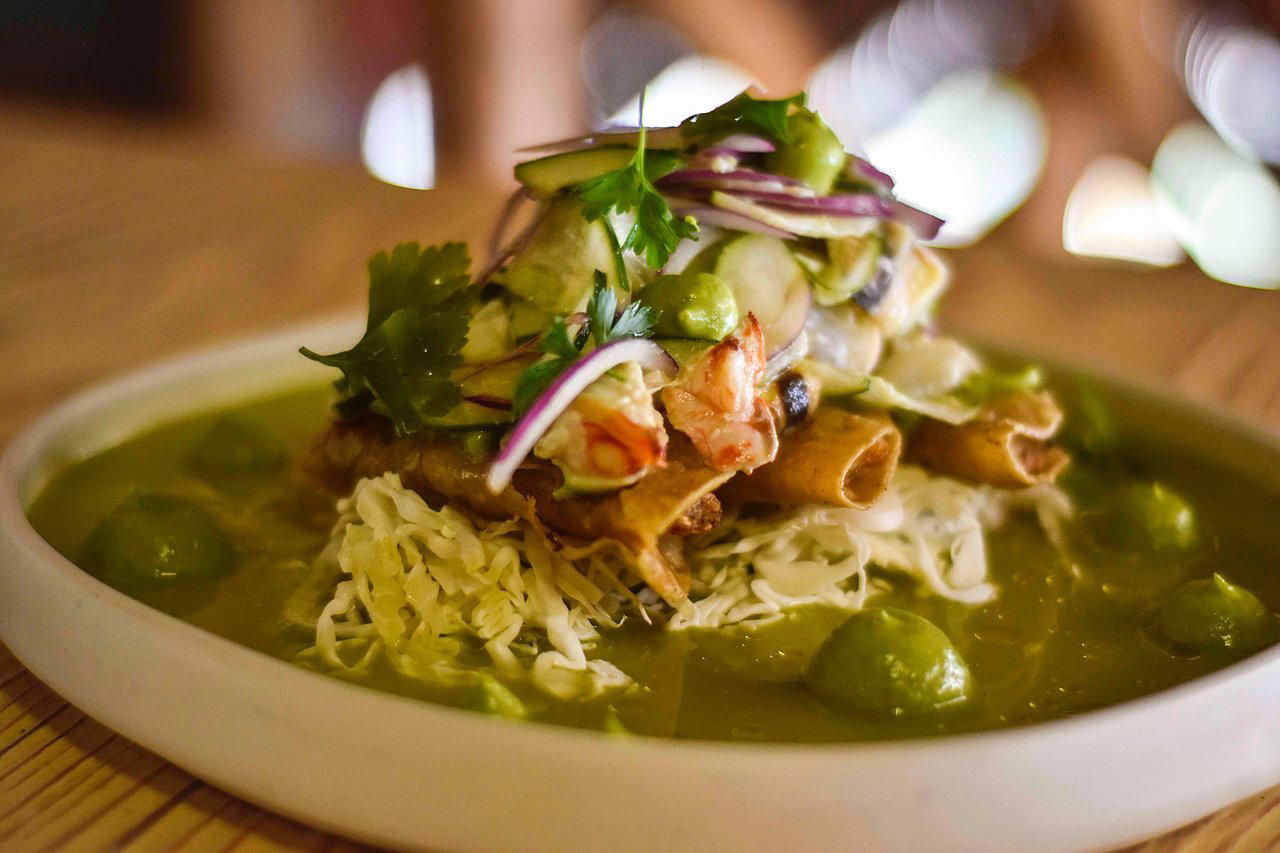
Bars in Playa del Carmen
Browse all →
At a Glance
- Scenic
- Casual
- Family
- Casual Hangout
- Waterfront
- Terrace
- Waterfront
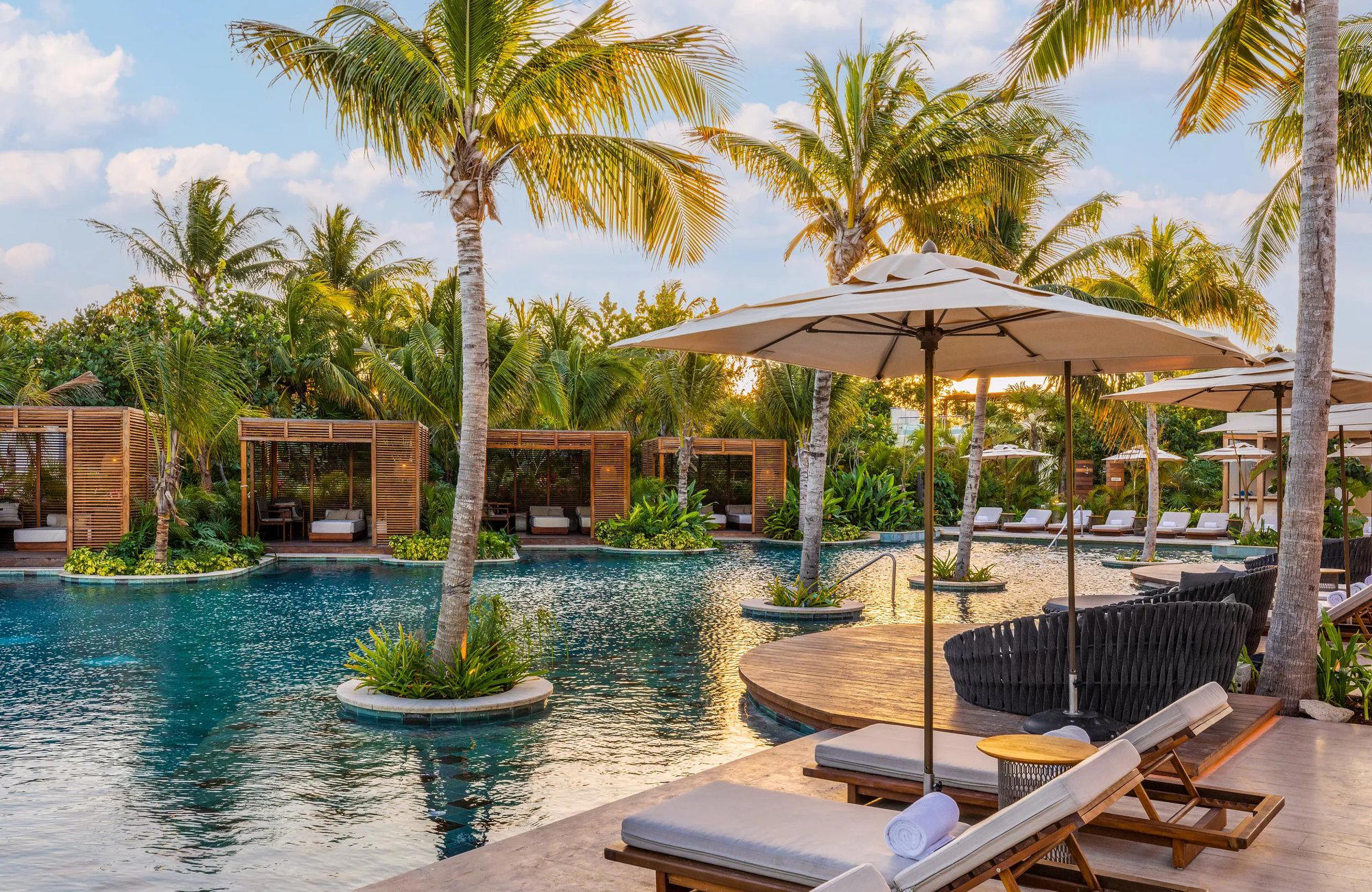
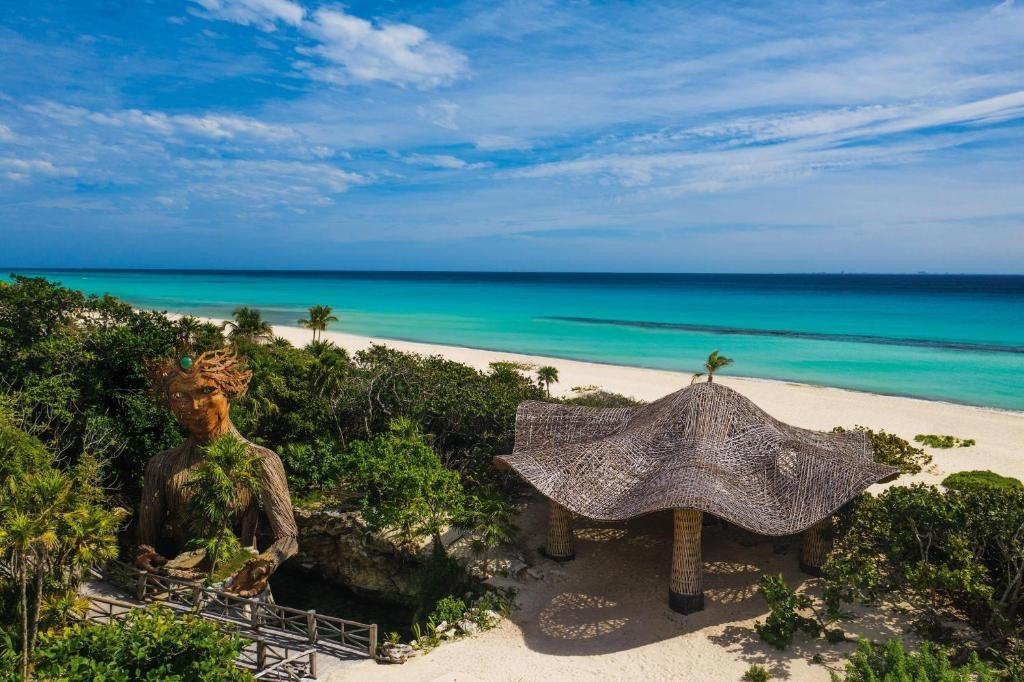
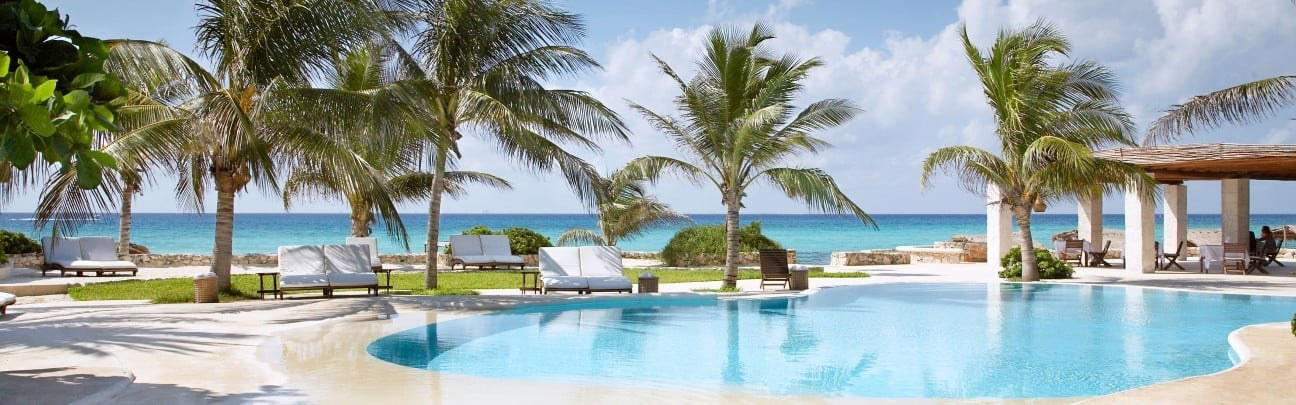
Relaxed vacation vibes with captivating views of the blue and emerald hues of the coves.
Know Before You Go
- Getting there
- Carretera Federal Chetumal, Puerto Juárez 282, 77710 Playa del Carmen, Q.R., Mexico