Restaurante Chaká
Restaurante Chaká sits along the Cancún–Tulum corridor at kilometre 62, placing it within the Riviera Maya dining circuit that has grown well beyond resort buffets and tourist-facing menus. The restaurant takes its name from the chaká tree, a species native to the Yucatán Peninsula, signalling a culinary orientation rooted in regional identity rather than generic pan-Latin programming.
Pearl is the En Primeur Club membership app — saves, bookings, and concierge access live there. Same editors, same standards.
- Address
- Carretera Cancun Tulum Km. 62, Playa del Carmen, Municipio de Solidaridad, 77710 Riviera Maya, Q.R., Mexico
- Phone
- +529848774400
- Directions
- Get directions
 Saves & bookings on Pearl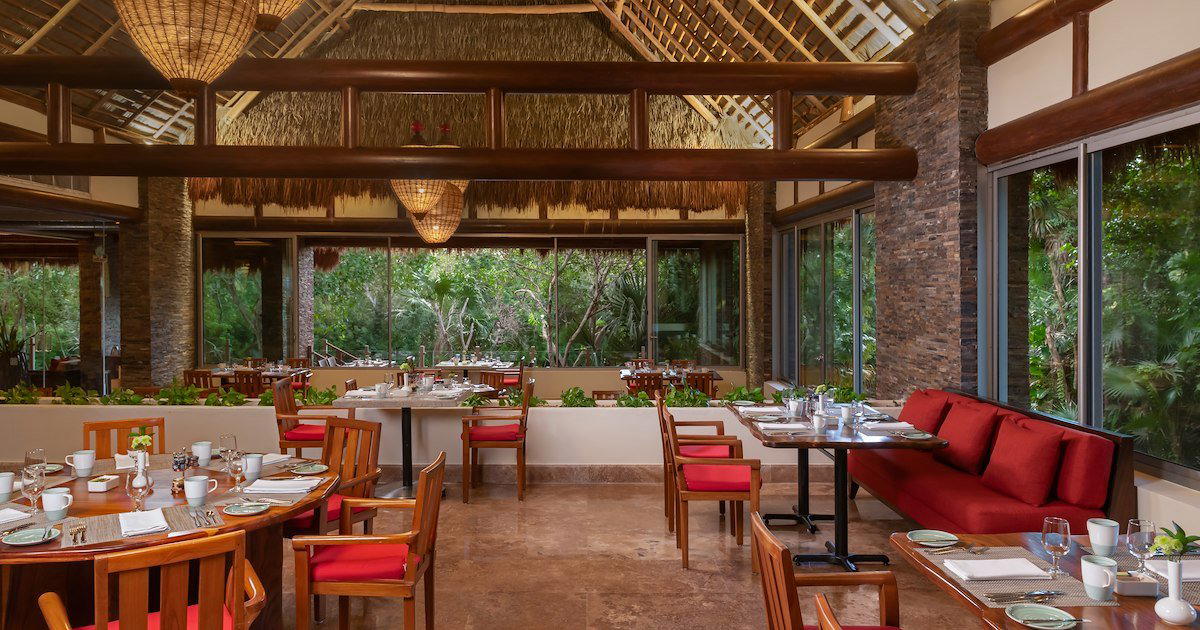
Where the Riviera Maya Dining Scene Gets Serious
The stretch of highway between Cancún and Tulum has been quietly accumulating restaurants that have nothing to do with the all-inclusive circuit they run alongside. Kilometre markers along the Carretera Cancún–Tulum have become shorthand for a different kind of meal: one that draws on Yucatecan and broader Mexican culinary tradition rather than serving the lowest common denominator of international resort cooking. Restaurante Chaká sits at kilometre 62, inside that corridor, and its name alone signals an editorial position. The chaká — known botanically as Bursera simaruba — is a tree that appears across the Yucatán Peninsula, recognisable by its peeling copper bark. Naming a restaurant after it is a declaration of regional specificity, not a marketing gesture.
For diners arriving from Playa del Carmen proper, the drive south along the coastal highway is itself a transition: from the pedestrian commerce of Quinta Avenida and the dining clusters around Constituyentes to something more deliberate. The Riviera Maya restaurant tier that Chaká occupies sits between the casual taco-and-beer venues closer to town and the theatrical fine-dining experiences at the upper end of the market, a position that suits occasion dining rather than nightly repeat visits.
The Occasion Dining Context on the Riviera Maya
Mexican Caribbean dining has developed a recognisable occasion-dining category over the past decade. At the high end, highly produced tasting-menu formats, the kind practised at Le Chique in Puerto Morelos, have anchored the argument that the region can sustain serious restaurant ambition. Further down the price spectrum, restaurants in the mid-to-upper tier have filled the gap between resort dining and full tasting-menu commitment. This middle tier is where milestone meals most often land: anniversary dinners, family celebrations, the kind of evening where the occasion warrants something better than a street-side table but the group dynamics don't support a three-hour multi-course sequence.
Chaká occupies that functional position. The address at kilometre 62 places it close enough to Playa del Carmen for a dinner excursion but far enough from the tourist core to carry a different atmosphere. The comparison set in Playa del Carmen itself includes Alux Restaurante, which trades on its cenote setting for occasion dining, and HA', which positions itself at the premium Mexican end of the market. Chaká's regional naming and highway positioning suggest a different angle: less about spectacle, more about culinary rootedness.
Mexican Cuisine Along the Yucatecan Axis
Yucatecan cooking is among the most distinctive regional traditions in Mexico, shaped by Mayan culinary foundations, Spanish colonial influence, and a relative geographic isolation that kept the peninsula's food culture intact longer than other regions. The flavour vocabulary, achiote, habanero, citrus-marinated proteins, pit-cooking techniques like cochinita pibil, is well-established at the level of Mexican culinary scholarship, and has gained significant international visibility through restaurants like Huniik in Merida, which applies modern technique to that same regional grammar.
The broader national conversation about what constitutes serious Mexican cooking has shifted considerably over the past decade. Restaurants such as Pujol in Mexico City and Alcalde in Guadalajara helped establish that Mexican regional traditions could sustain high-level critical and commercial attention. In the Yucatán and Quintana Roo, the question has been whether the tourist economy, which structurally rewards accessibility and volume, leaves room for restaurants that treat regional identity as a serious editorial position rather than a theme. Chaká's name suggests an answer to that question, though the depth of that commitment is something a first visit would test.
For context on how other Mexican restaurants in the region approach this question, Axiote Cocina de Mexico in Playa del Carmen operates at a more accessible price point with a similar regional orientation, while Asadero El Pollo and Babe's Noodles and Bar anchor the more casual end of the Playa dining spectrum. Chaká sits at a remove from all of those, both physically and in its apparent positioning.
Placing Chaká in the National Fine-Dining Conversation
Mexico's most critically recognised restaurants have concentrated along a few axes: Mexico City's Roma and Polanco neighbourhoods, Oaxaca's tradition-rooted scene (well represented by Levadura de Olla), the wine-country dining of Baja California at places like Animalón in Valle de Guadalupe and Olivea Farm to Table in Ensenada, and the northern city scene anchored by restaurants such as KOLI Cocina de Origen and Pangea in the Monterrey area, as well as Lunario in El Porvenir. The Riviera Maya has historically sat outside that conversation, not because the cooking is inferior but because the economics of a mass-tourism destination tend to flatten ambition toward volume and accessibility.
That is slowly changing. The corridor between Playa del Carmen and Tulum has attracted a category of restaurant, usually independently owned, regionally focused, and priced for destination diners with some culinary curiosity, that is beginning to generate the kind of word-of-mouth that draws visitors who would otherwise fly to Oaxaca for a serious meal.
Planning Your Visit
Restaurante Chaká is located at Carretera Cancún–Tulum Km. 62, within the Riviera Maya municipality of Solidaridad, Quintana Roo. Driving from central Playa del Carmen takes roughly 15 to 20 minutes south along the coastal highway, depending on traffic, which can build during peak season between December and April. Contact details and booking options are not currently listed publicly, so the most practical approach for occasion-dining reservations is to ask your hotel concierge to make initial contact, a standard practice for highway-corridor restaurants in this area, which often rely on local hospitality networks rather than online booking systems. Given the occasion-dining character of a meal here, confirming a reservation in advance rather than arriving without one is the sensible approach; walk-in availability on a busy evening is not something that can be assumed. Our full Playa del Carmen restaurants guide covers the wider dining picture across the destination, including venues at every price point and occasion type.
How Restaurante Chaká Playa del Carmen compares with similar nearby venues.
| Venue | Cuisine |
|---|---|
| Tauro Steakhouse | Mexican Steakhouse |
Continue exploring
More in Playa del Carmen
Restaurants in Playa del Carmen
Browse all →
Bars in Playa del Carmen
Browse all →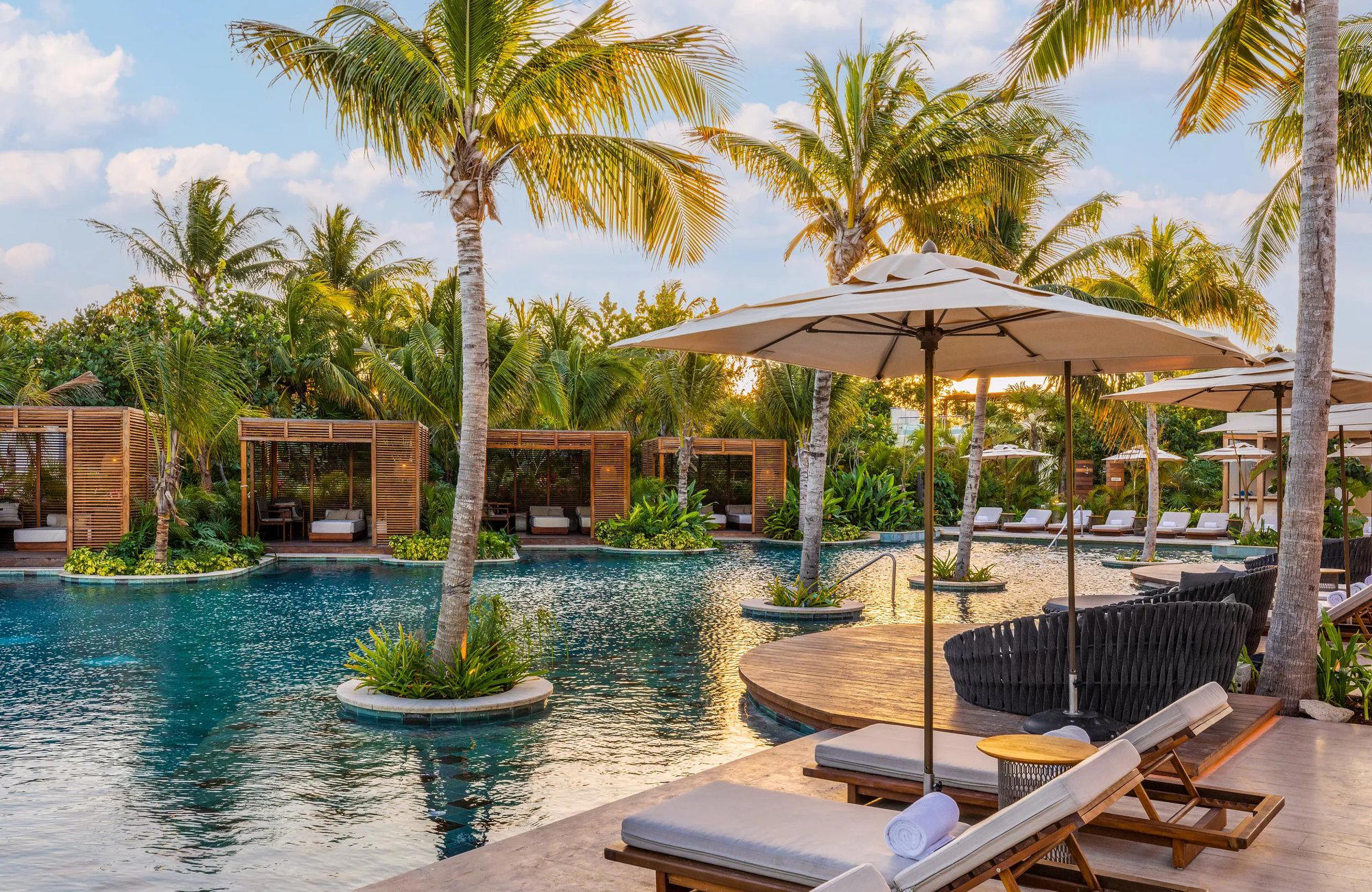
At a Glance
- Rustic
- Scenic
- Cozy
- Family
- Casual Hangout
- Open Kitchen
- Local Sourcing
- Garden
Current opening hours
- Monday
- 7 AM–11 PM
- Tuesday
- 7 AM–11 PM
- Wednesday
- 7 AM–11 PM
- Thursday
- 7 AM–11 PM
- Friday
- 7 AM–11 PM
- Saturday
- 7 AM–11 PM
- Sunday
- 7 AM–11 PM
Hours can change for holidays and private events. Last verified .
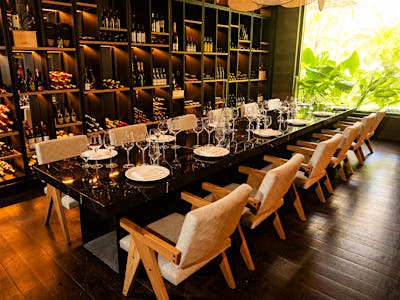
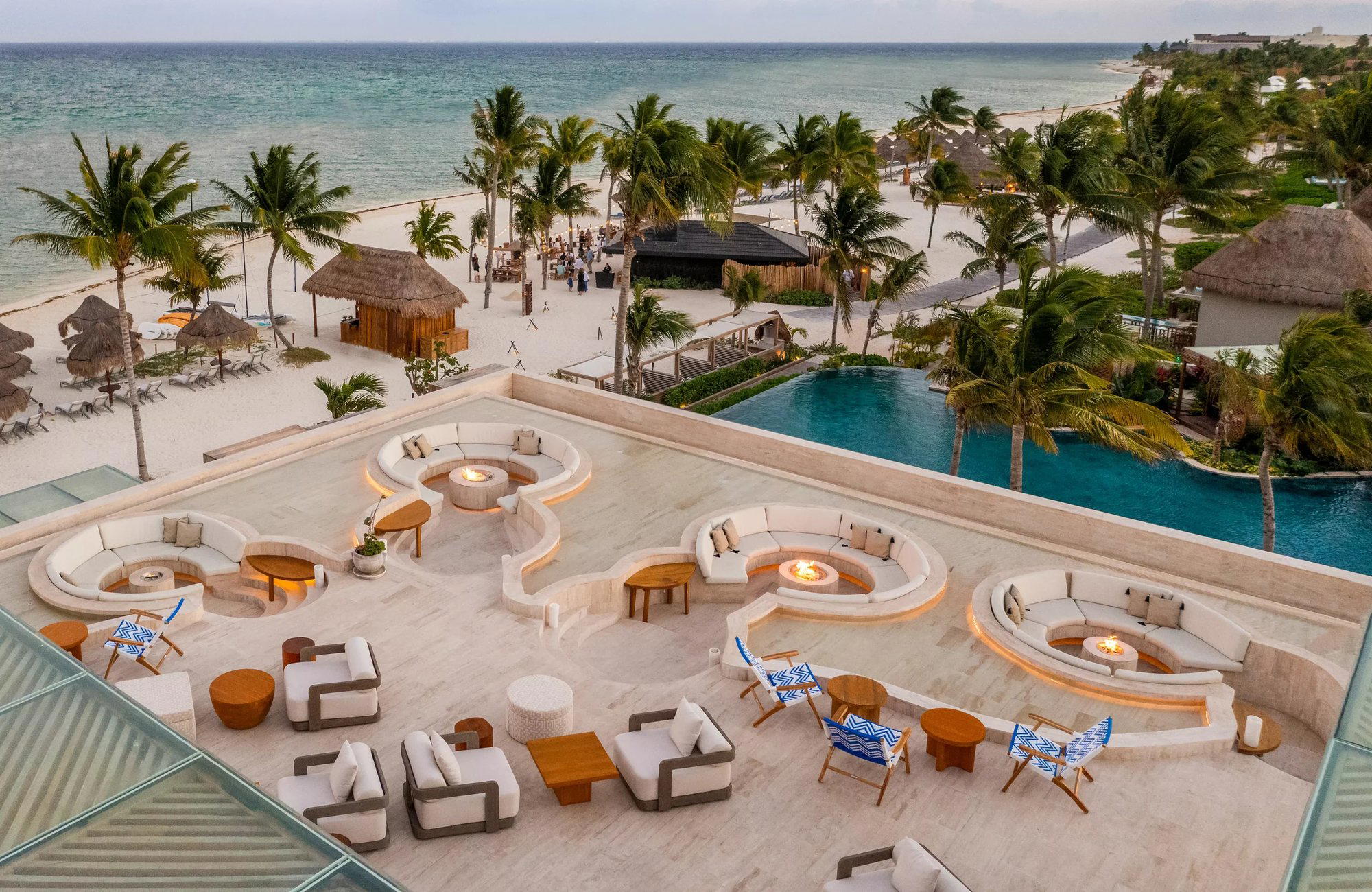
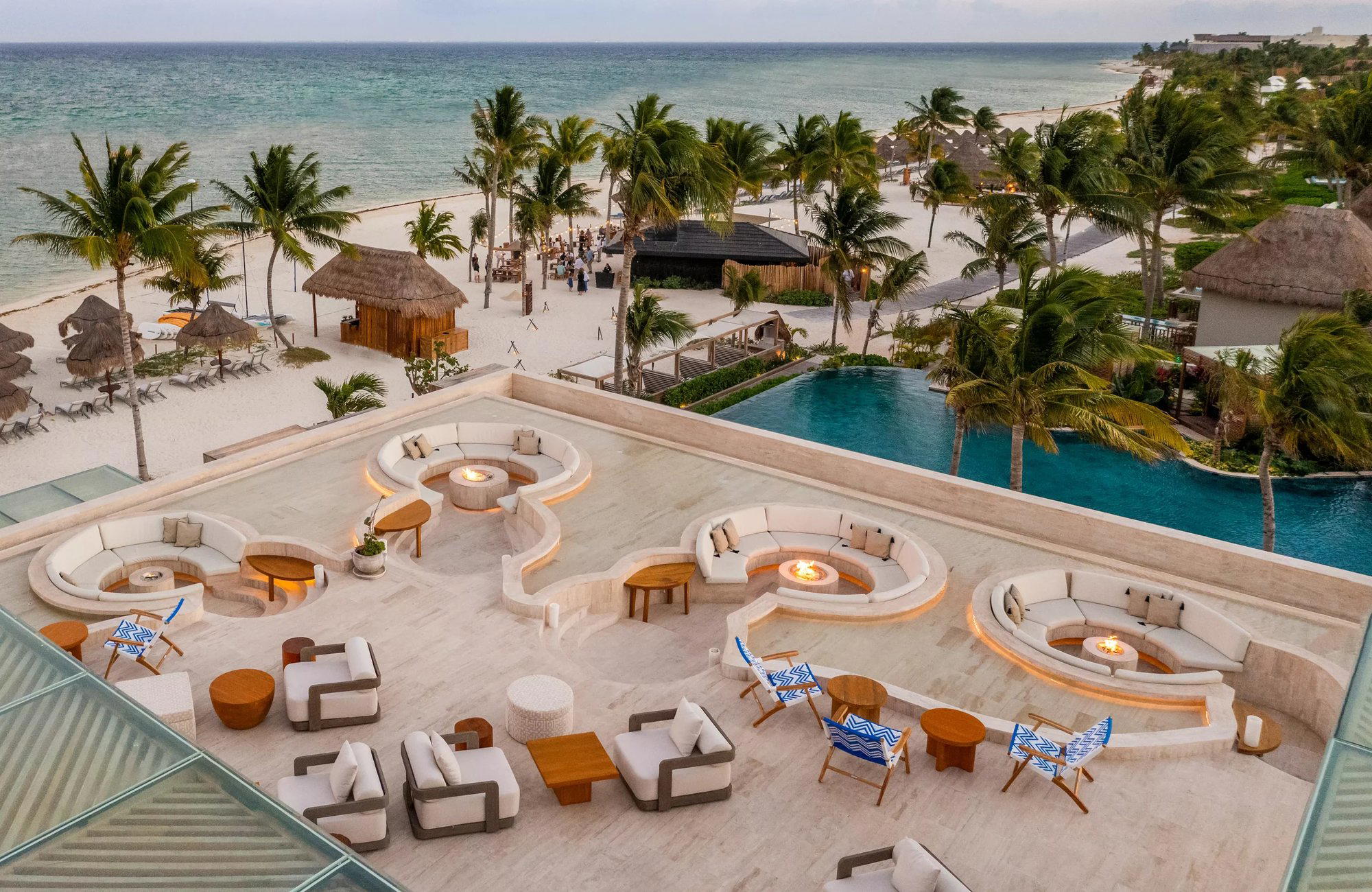
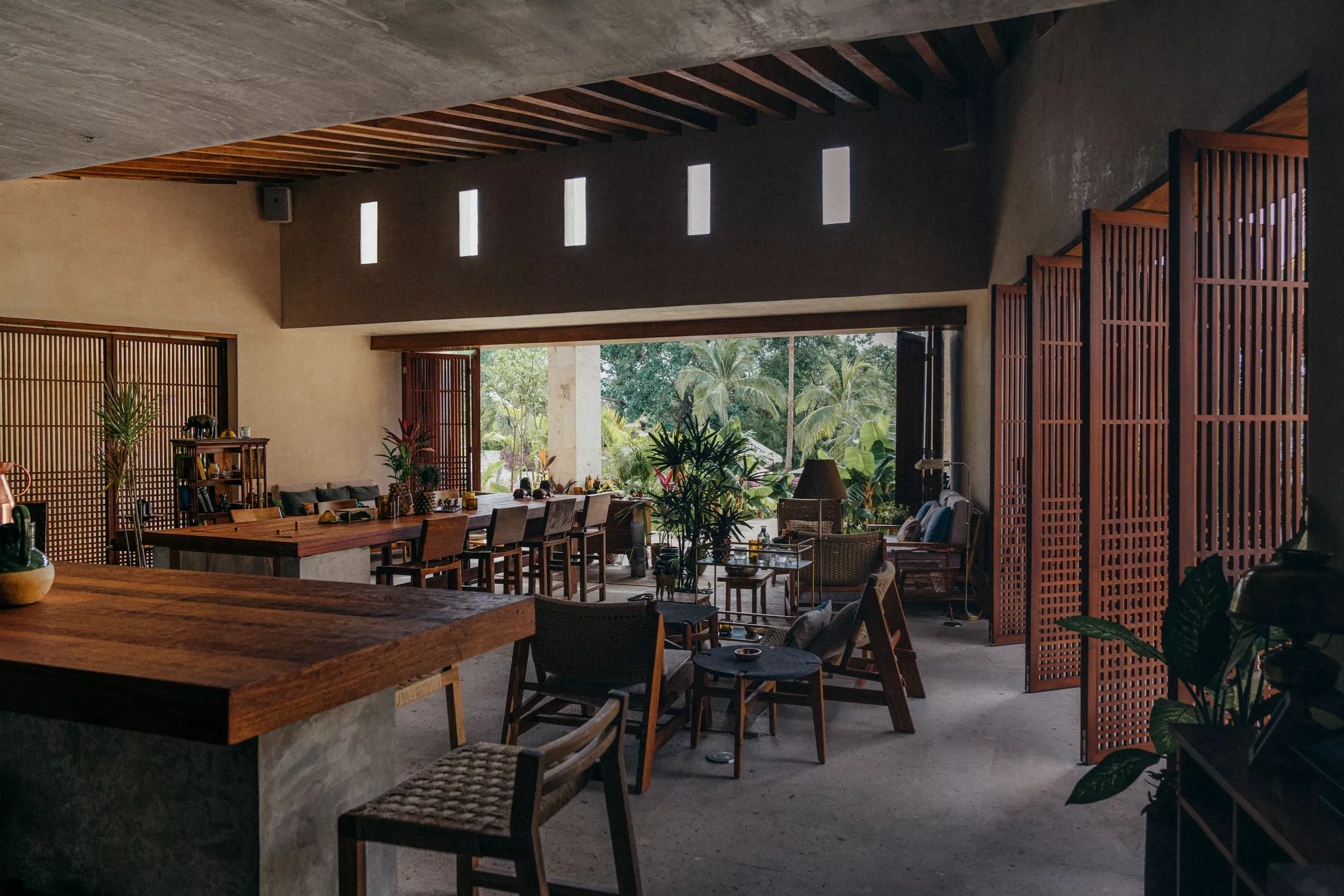
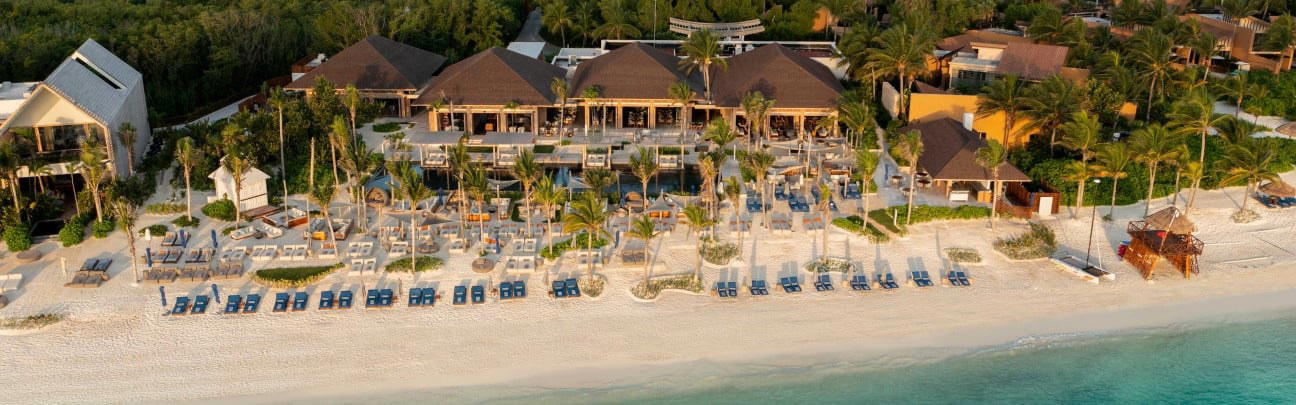
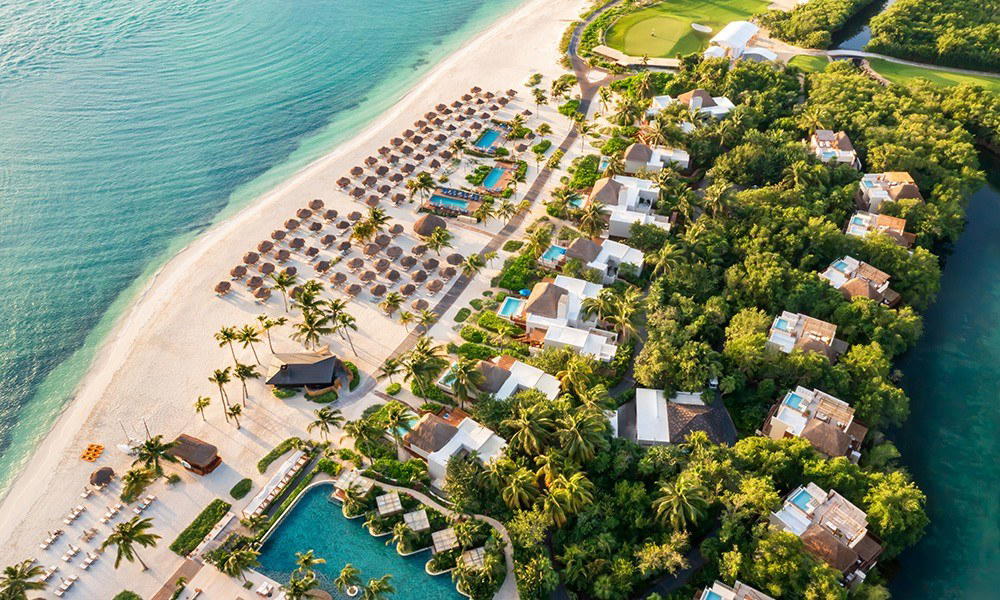
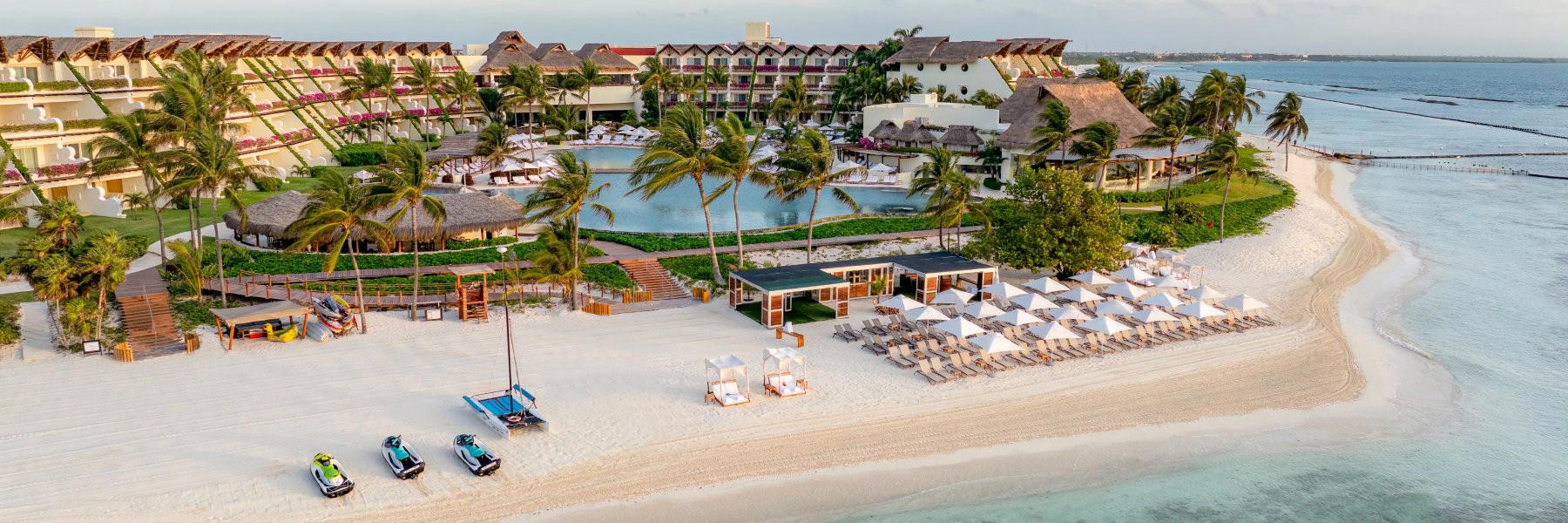
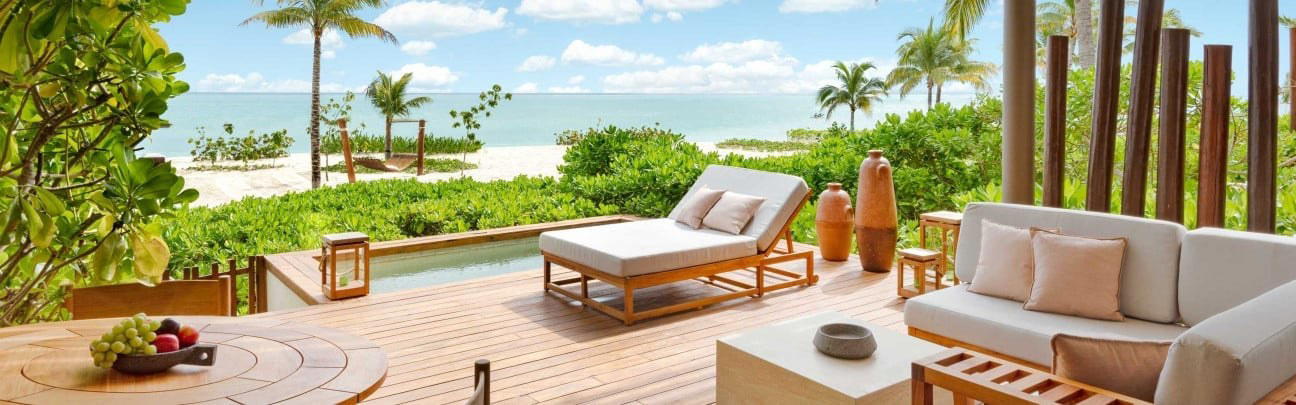
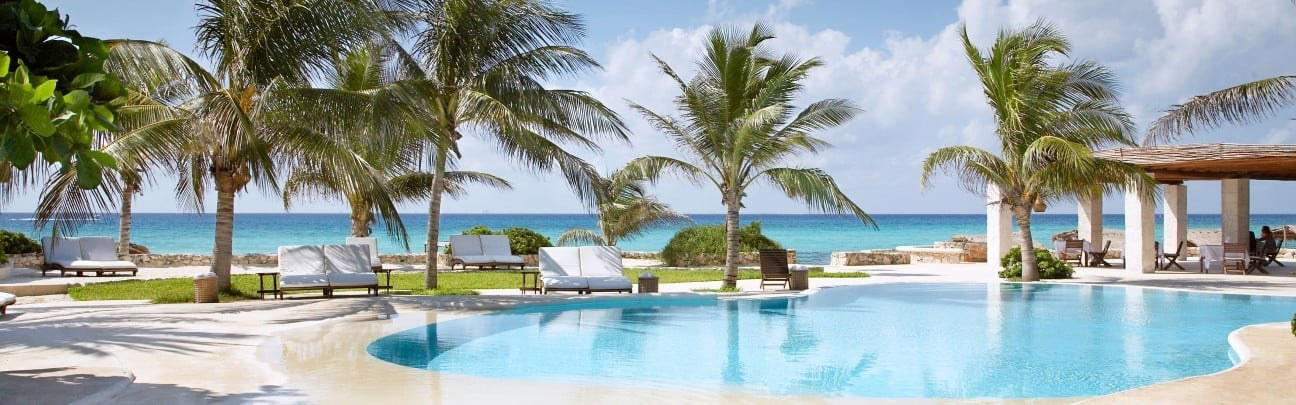
Relaxed jungle setting with natural lighting from the open-air design surrounded by mangroves and native trees, creating a serene and scenic atmosphere.
Know Before You Go
- Getting there
- Carretera Cancun Tulum Km. 62, Playa del Carmen, Municipio de Solidaridad, 77710 Riviera Maya, Q.R., Mexico