
Michelin Bib Gourmand
Our verdict
Kapok holds a Michelin Bib Gourmand for 2024 and 2025, placing it among Macau's most consistent value-tier Cantonese addresses. Located on Rua de Hong Chau at a mid-range price point, it draws regulars with cooking that earns recognition without the formal dining premium. A useful counterpoint to Macau's casino-hotel Cantonese circuit for those prioritising quality-to-price ratio.

Pearl is the En Primeur Club membership app, where members save venues, book tables and use the concierge.
The menu
What to order
- Apricot juice pig lung soup
- Green chillies stuffed with minced dace
- Crispy roasted pork
Cantonese at Street Level: Macau's Value-Tier Recognition Scene
Macau's Cantonese dining conversation tends to run upward fast. The territory's casino-hotel corridor has concentrated significant culinary investment in formal rooms with tasting menus, deep wine lists, and price points to match. Jade Dragon, Wing Lei, and Lai Heen occupy that formal upper tier. But a separate, smaller category exists below it: neighbourhood Cantonese addresses that earn Michelin recognition not through ceremony, but through the quality of the cooking itself at prices that reflect the street rather than the hotel floor. Kapok, on Rua de Hong Chau, operates in that space.
The Bib Gourmand designation, awarded by Michelin in both 2024 and 2025, is the relevant credential here. It signals value at quality, which is a different signal from a star. It tells you that inspectors returned, found the cooking consistent, and concluded that the price-to-quality ratio held up across visits. Two consecutive years of that designation at the same address means something: it is not a fluke year or a review-period spike. It is a pattern.
Where Kapok Sits in the Macau Cantonese Hierarchy
To understand Kapok's position, it helps to map the Cantonese tier structure in Macau more precisely. At the leading sit the starred hotel rooms, where Cantonese cooking is presented in the context of regional fine dining, with sommeliers, formal service frameworks, and wine programs. Pearl Dragon and Chef Tam's Seasons represent that category. Below them, a mid-tier of more casual but still serious Cantonese houses operates, often with limited wine focus and an emphasis on specific preparations. Kapok sits in the lower half of that middle band, at a mid-range price point ($$), which in Macau's inflated hospitality context means accessible without being cheap.
For comparison, Feng Wei Ju holds two Michelin stars at a similar ($$) price tier, though in a Hunan-Sichuan register rather than Cantonese. Five Foot Road, a ($$) Sichuan address, holds one star. The pattern across these is consistent: Michelin's lower-tier recognition in Macau has increasingly landed on Chinese regional specialists working at accessible prices, not just the formal hotel rooms. Kapok fits that pattern from the Cantonese side.
Within Greater China's Cantonese fine dining circuit, the reference points extend well beyond Macau. Forum in Hong Kong represents one end of the Cantonese tradition spectrum, while Le Palais in Taipei shows how the cuisine travels across borders with formal application. Kapok is neither of those things, which is precisely the point. It occupies the ground-level end of a recognised culinary tradition, doing the basics without ceremony.
The Wine Angle at a Bib Gourmand Cantonese Address
The editorial angle of wine curation sits awkwardly with a value-tier Cantonese address, and that awkwardness is itself worth noting. The Bib Gourmand tier across Asia rarely produces deep cellar programs. The economics do not support them. A ($$) restaurant operating on the margins typical of neighbourhood Chinese dining in a high-rent city has limited room to carry aged inventory or maintain a sommelier position. What typically emerges in these settings is a short, pragmatic drinks list, often tea-forward, with wine if at all oriented toward accessible house pours rather than collector-grade curation.
That is not a criticism of Kapok specifically. It is the structural reality of the category. The places in Macau where wine lists carry editorial weight sit in the ($$$) and ($$$$) tiers: the hotel dining rooms with dedicated programs, the formal Cantonese houses where Burgundy and the Pearl River Delta dishes find deliberate pairing logic. For wine-list depth in Macau's Cantonese context, the Lai Heen tier is the relevant point of comparison. What Kapok offers instead is the opportunity to drink simply and eat well at a price point that makes the overall bill a reasonable proposition.
Across Greater China's Cantonese circuit, the same dynamic holds. Imperial Treasure in Guangzhou and Dai Yuet Heen in Nanjing operate in formal registers where wine programming is a deliberate component of the experience. Neighbourhood addresses like Kapok have a different function in the ecosystem: they carry the cuisine's technical tradition without the surrounding infrastructure.
Chef Intu-on Kornnawong and What the Name Signals
The kitchen at Kapok is led by Chef Intu-on Kornnawong, whose name flags a non-Cantonese origin in a Cantonese restaurant. This is not unusual in the mid-tier Macau restaurant scene, where kitchen labour draws from across the region and beyond. What matters for the Bib Gourmand designation is that the cooking passed Michelin scrutiny in two consecutive cycles, regardless of the chef's training biography. The credential belongs to the food, not the background narrative.
That said, the name is a data point worth holding onto when thinking about what Kapok represents in Macau's broader culinary context: a city that has always been a transit zone for cooking traditions, with Portuguese, Cantonese, Macanese, and Southeast Asian influences overlapping at street level for centuries. A Thai-named chef cooking Cantonese in a ($$) room on Rua de Hong Chau is not anomalous here. It is historically consistent with how the city works.
Booking and Planning Kapok
Kapok's address on Rua de Hong Chau places it in a residential-commercial pocket of Macau rather than on the casino strip, which matters practically for how you get there and what surrounds the meal. The ($$) price tier means a booking here fits naturally into a broader Macau day rather than anchoring the itinerary the way a starred hotel room would. Arriving earlier in service windows is the sensible approach at addresses like this.
For those building a fuller Macau dining programme, Kapok pairs logically with a higher-tier Cantonese dinner elsewhere, letting the Bib Gourmand address serve as lunch or a casual counterpoint rather than the centrepiece. Our full Macau restaurants guide covers the range from street-level Bib Gourmand addresses through to the starred hotel rooms. For context beyond dining, the Macau hotels guide, bars guide, wineries guide, and experiences guide map the rest of the territory's offering.
Kapok also sits in useful proximity to the broader Greater China Cantonese and Chinese regional circuit for travellers moving between cities. Xin Rong Ji in Beijing, 102 House in Shanghai, Ru Yuan in Hangzhou, and Xin Rong Ji in Chengdu represent the Chinese regional fine dining tier in other mainland cities, each occupying different positions in the recognition hierarchy. Kapok is not competing with those addresses. It is serving a different function: Michelin-validated Cantonese cooking at a price point that does not require a pre-planned occasion.
What Kapok's Recognition Actually Means
Two consecutive Bib Gourmand years at a neighbourhood Cantonese address in a city saturated with casino-backed culinary investment is a specific kind of achievement. It means Michelin found the cooking worth returning to when the surrounding noise would make it easy to overlook. In a territory where the starred rooms and the informal local joints rarely compete for the same customer, the Bib Gourmand tier occupies an interesting middle position: recognised enough to bring in visitors who read the guides, accessible enough to retain the regulars who would come anyway. Kapok, by holding that designation in 2024 and again in 2025, has demonstrated it can satisfy both audiences.
Frequently asked questions
Which chef is Kapok associated with?
The chef associated with Kapok is Intu-on Kornnawong.
What's the price range at Kapok?
Pricing at Kapok is listed as $$.
What dish is Kapok famous for?
Kapok's menu has not been documented in detail in available editorial records, and no single signature dish has been publicly attributed to the kitchen. What Michelin's Bib Gourmand designation does confirm across both 2024 and 2025 is that the Cantonese cooking here delivers quality at a price point the inspectors considered worth marking out. For current menu specifics, visiting directly or contacting the restaurant at its Rua de Hong Chau address is the most reliable route.
What's the address for Kapok?
Kapok is located at 60號 R. de Hong Chau, Macao, Macau.
Price Lens
A small set of peers for context, based on recorded venue fields.
| Venue | Cuisine | Price | Awards | Notes |
|---|---|---|---|---|
| KapokThis venue (the venue you are viewing) | Traditional Cantonese Dim Sum | $20–30 | Michelin Bib Gourmand | Not listed |
| Aji | Asian Bistronomy (Nikkei Fusion) | $50–100 | 1 Michelin Star · Wine Spectator Best of Award of Excellence | Nikkei, Innovative |
| Ying | Modern Cantonese Fine Dining | Not listed | 1 Michelin Star · La Liste Top Restaurants | Cantonese |
| Five Foot Road | Modern Sichuan Fine Dining | Not listed | 1 Michelin Star · La Liste Top Restaurants | Sichuan |
| Robuchon au Dôme | Contemporary French Fine Dining | $150–200 | 3 Michelin Stars · La Liste Top Restaurants | French Contemporary |
| Feng Wei Ju | Refined Hunan & Sichuan Chinese | Not listed | 2 Michelin Stars · La Liste Top Restaurants | Hunan-Sichuan, Hunanese |
Recognition history
Dated appearances from independent guides and award organizations, with the underlying list record or original source where available.
Michelin Bib Gourmand
Michelin
Full recognition history (3 entries)
Michelin Bib Gourmand
Michelin
Michelin Bib Gourmand
Michelin
Continue exploring
More in Macau
Restaurants in Macau
All restaurants in Macau →
Bars in Macau
All bars in Macau →



Details
- Classic
- Cozy
- Family
- Casual Hangout
- Historic Building
- A La Carte
- Small Plates
Current opening hours
- Monday
- 11 AM–3 PM, 5:30–11 PM
- Tuesday
- 11 AM–3 PM, 5:30–11 PM
- Wednesday
- 11 AM–3 PM, 5:30–11 PM
- Thursday
- 11 AM–3 PM, 5:30–11 PM
- Friday
- 11 AM–3 PM, 5:30–11 PM
- Saturday
- 11 AM–3 PM, 5:30–11 PM
- Sunday
- 11 AM–3 PM, 5:30–11 PM
Hours can change for holidays and private events. Hours as of .
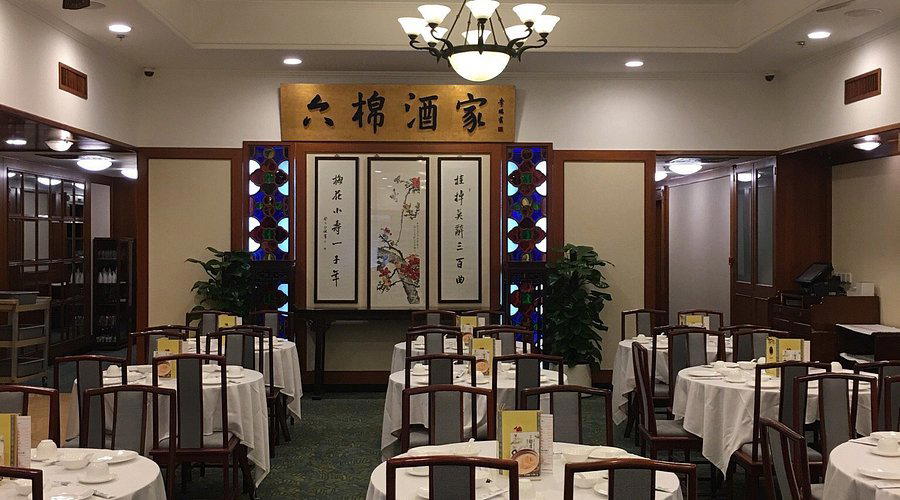
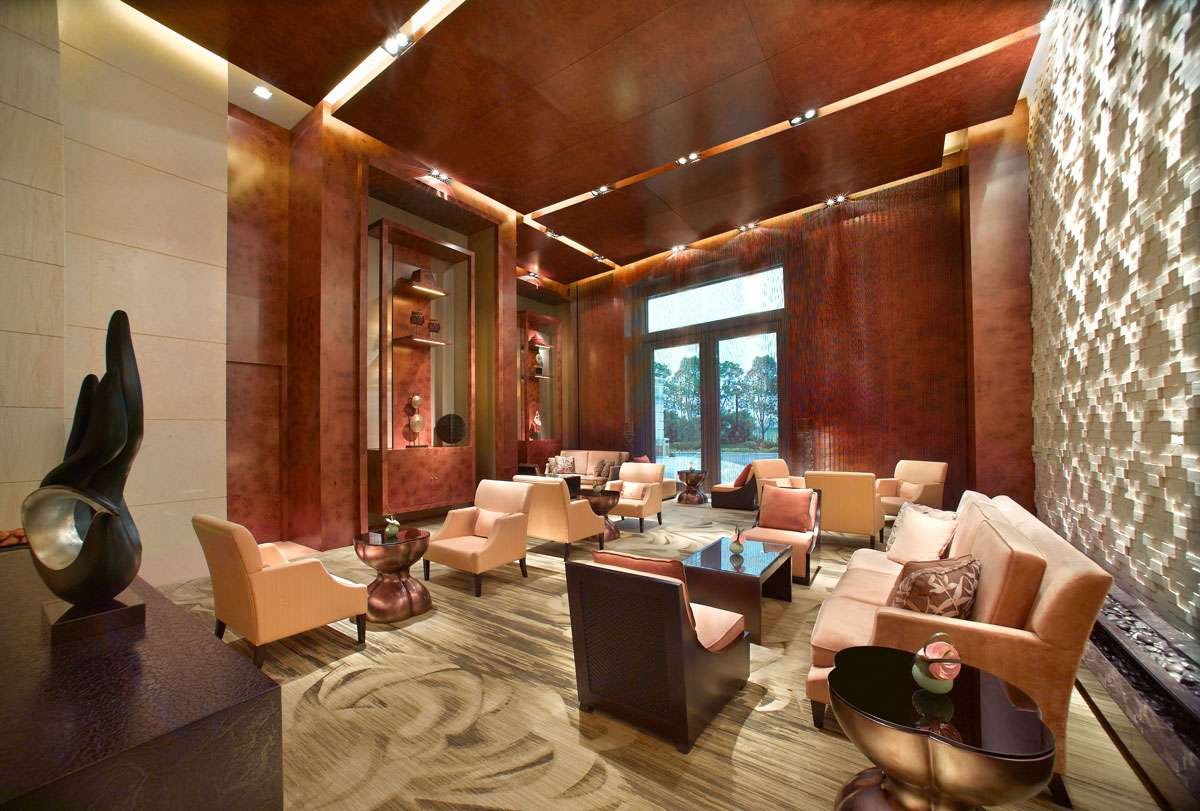
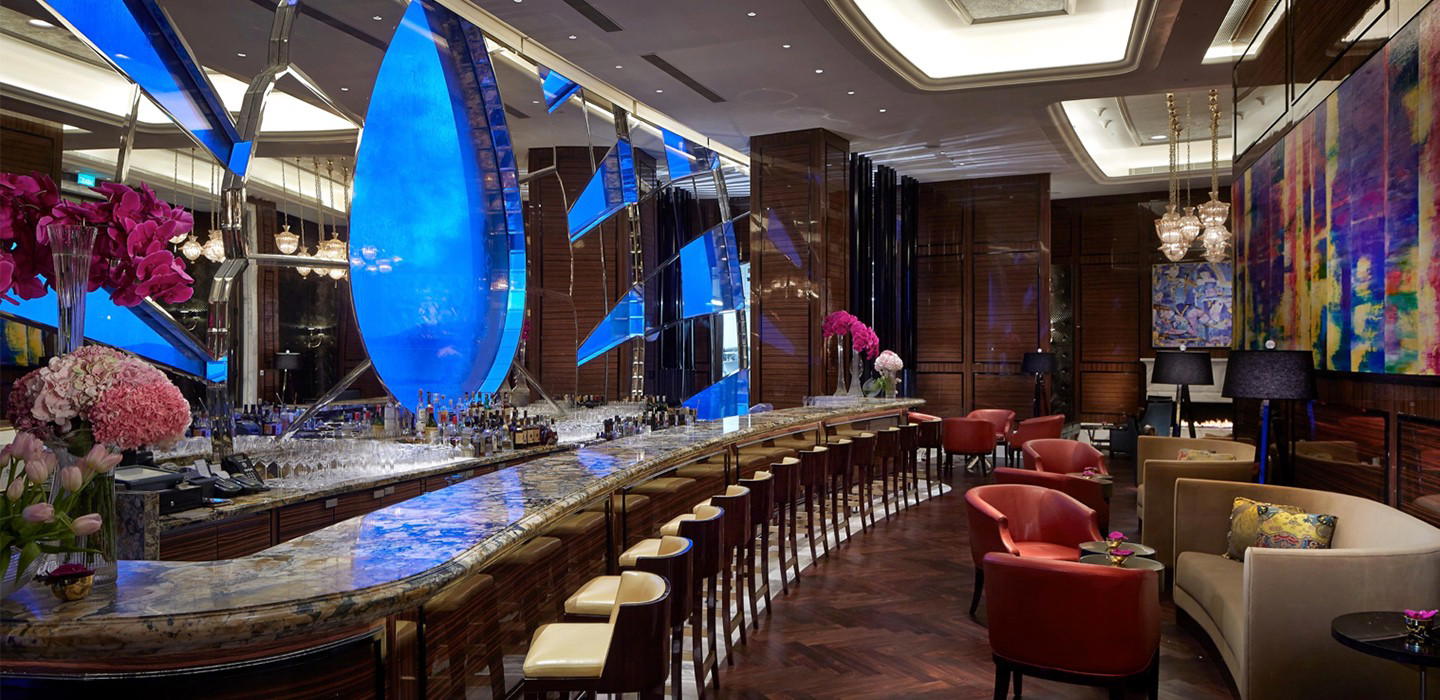
Retro yesteryear glamour with ceiling fans, bowl pendant lights, Lingnan-style stained glass, wood and simple Chinese motifs creating a warm, historic, old-fashioned atmosphere.