Tabelog 100 #15
Our verdict
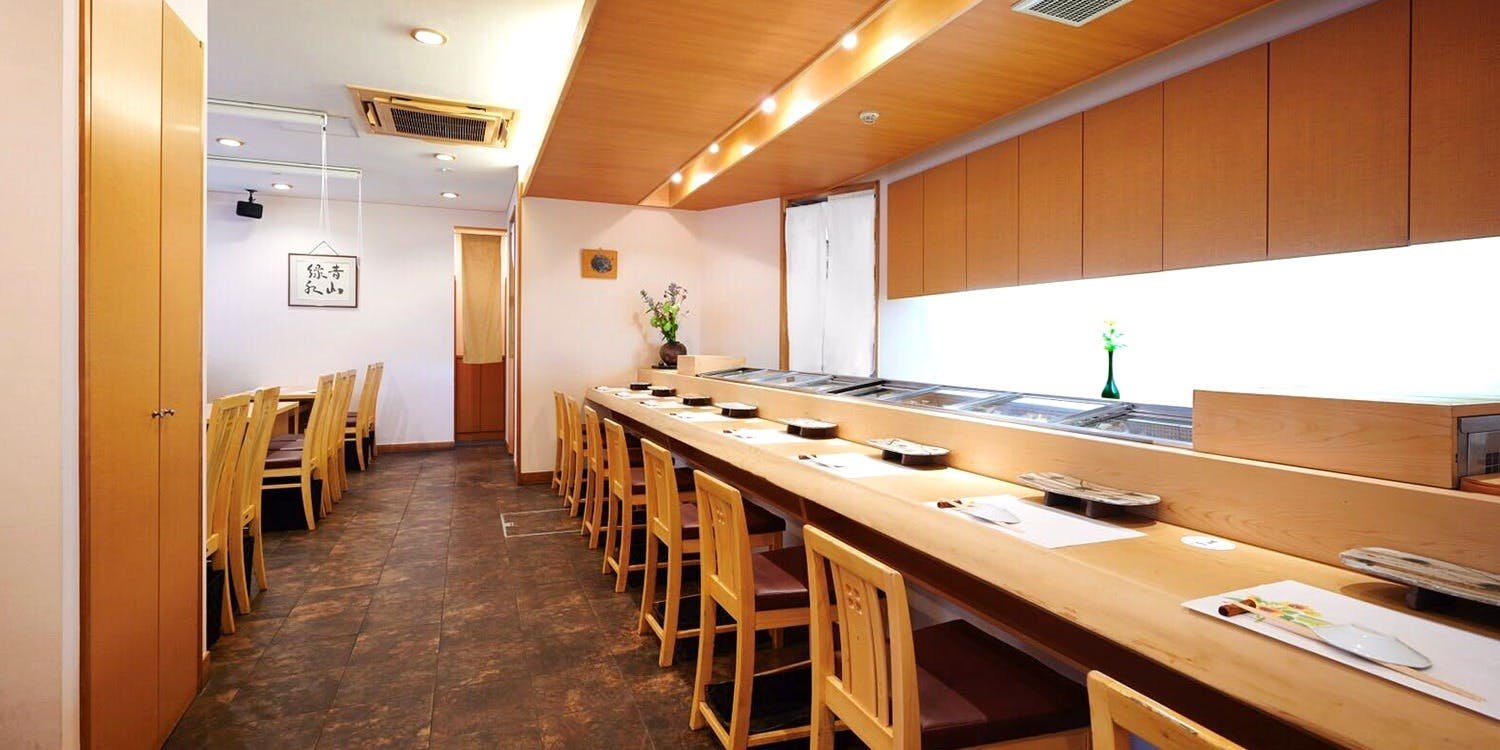
A basement-floor Yurakucho sweets stop where Tokyo’s old-school kanmi culture meets the commuter rhythm of Tokyo Kotsu Kaikan. Kanmi Okame Koutsuu kaikan ten is recognised in Tabelog’s 2023 Tokyo selection for Japanese traditional sweets and sweets cafés, with a compact 28-seat format, takeaway ohagi, and a menu orbiting wagashi, noodles, and oden rather than dessert-as-spectacle.

Pearl is the En Primeur Club membership app, where members save venues, book tables and use the concierge.
The menu
What to order
- Ohagi (tsubu, kinako, goma, sakura)
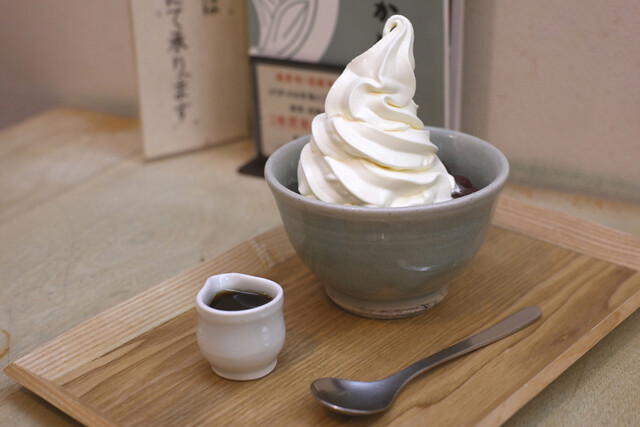
- Anmitsu
- Amakara Bento
- Oden set
- Handmade kuri zenzai
Tokyo’s everyday food floors have a particular tempo: office workers moving between trains, shoppers cutting through the city, and older regulars who know exactly which counter or table suits the hour. In that setting, Japanese sweets are not treated only as a finale after a long meal. They are a mid-afternoon pause, a quick takeaway, or a small sit-down ritual that belongs to the city’s everyday dining grammar.
Kanmi Okame Koutsuu kaikan ten fits that grammar more convincingly than a polished dessert salon would. Its presence in Tokyo places it among casual eating, practical errands, and repeat local use, so the experience reads as everyday city dining rather than luxury theatre. The recognition matters: selection in Tabelog’s 2023 Hyakumeiten coverage gives it a specific trust signal in its category, not a broad fine-dining ranking. The point is precision, not grandeur.
Tokyo's sweets culture favours routine over ceremony
Tokyo has several modes for wagashi and kanmi. There are formal tearooms, department-store counters, seasonal confectioners, and café-style shops where sweets sit beside light savoury dishes. The city gives the category culinary seriousness, but its constant foot traffic keeps the format grounded. A sweets café here has to serve people who may be between meetings, carrying shopping bags, or heading for a train.
That is why the category mix is revealing. Japanese sweets, noodles, and oden in one compact place point to a style of urban eating that resists narrow Western menu divisions. A visitor might think of wagashi as a specialist confectionery purchase, but Tokyo’s kanmiya tradition often works differently: sweetness, tea, and simple savoury comfort can share the same table. The appeal is not only the individual order, but the way a small café can connect eating out with the domestic rhythm of the city.
Within the local comparison set, the distinction is useful. Wagashi Dokoro Oosumi Tamaya Ginza ten occupies a related low-price sweets bracket in Tokyo, while Kanmi Okame Yuurakuchou ten points to the same Okame name operating elsewhere in the city. The Koutsuu kaikan ten location has the advantage of feel: its Tokyo setting changes the occasion from destination dessert to something closer to daily infrastructure.
Recognition in a category where small details carry the authority
Tabelog’s sweets and kanmi selections tend to reward places that have earned local confidence rather than venues built around theatrical tasting formats. A 3.73 score and inclusion in the 2023 Tabelog Hyakumeiten recognition give Kanmi Okame Koutsuu kaikan ten a clear trust signal in a field where Michelin-style language is often the wrong yardstick. For Japanese sweets, credibility often comes from repeat use: consistency, accessibility, and a menu that regulars understand without explanation.
The compact café scale matters because it keeps the experience close to the older everyday model rather than the queue-managed dessert counter. This is not the same decision as chasing a seat at 銀座 すきやばし次郎 本店, comparing yakitori craft at バードランド, or planning a fuller restaurant evening around Bangera's Kitchen. The relevant question is narrower: where does a serious sweets café fit into a day built around Tokyo?
The answer is strongest when the stop is treated as a city calibration. For readers mapping Tokyo by category, Our full Tokyo restaurants guide gives the broader dining frame, while other unnamed casual rooms and specialist counters show how varied the city’s formats can be. The sweets stop occupies a quieter lane: inexpensive, compact, culturally specific, and better read through habit than spectacle.
How to place it in a Tokyo itinerary
Practical appeal is urban. Tokyo’s transport patterns pull visitors across the city, so a kanmi break does not need to become the centre of the day. The listed budget is modest, with dinner and lunch both shown at - JPY 999, which makes the stop easier to use than many more heavily planned Tokyo food rooms when schedules are tight. It is the kind of place that works best when treated as part of the day’s rhythm rather than as a standalone event.
For a premium traveller, the value is not luxury in the hotel-lobby sense. It is access to a Tokyo dining habit that can be missed when every meal is planned around formal reservations or heavily structured dining. Pair it with a walk in the city, use it between appointments, or treat the pause itself as the point: a small, specific encounter with Japanese sweets, noodles, and oden in an everyday café setting.
Tokyo planning works better when categories are separated. Hotels set the base, bars define the night, and small food rooms fill the day with local texture. For that wider map, use Our full Tokyo hotels guide, Our full Tokyo bars guide, Our full Tokyo wineries guide, and Our full Tokyo experiences guide. Travellers extending the same lens across Japan and beyond can compare the idea more generally with other casual, category-specific places: modest rooms, narrow menus, and local habits that explain a city better than spectacle does.
Frequently asked questions
How do I find Kanmi Okame Koutsuu kaikan ten?
Kanmi Okame Koutsuu kaikan ten is located in Tokyo.
Is Kanmi Okame Koutsuu kaikan ten more mid-range or high-end?
Pricing at Kanmi Okame Koutsuu kaikan ten is listed as - JPY 999 - JPY 999.
What are Kanmi Okame Koutsuu kaikan ten's hours?
Specific opening hours for Kanmi Okame Koutsuu kaikan ten are not provided here.
What do critics highlight about Kanmi Okame Koutsuu kaikan ten?
Critics point to its 2023 Tabelog Hyakumeiten recognition, its 3.73 score, and its role as a café featuring Japanese sweets, noodles, and oden in Tokyo.
Recognition Snapshot
Comparable venues at the same tier.
| Venue | Cuisine | Price | Awards | Notes |
|---|---|---|---|---|
| Kanmi Okame Koutsuu kaikan tenThis venue (the venue you are viewing) | Traditional Japanese sweets café | $10–20 | Tabelog 100 #15 | Not listed |
| Uogashi Nihon-ichi (魚がし日本一) | Standing Sushi Bar | $10–20 | Not listed | Shibuya |
| Kitchen Nankai (キッチン南海) | Japanese Yoshoku | $1–10 | Tabelog 100 #88 | Jimbocho |
| Maihama | Japanese Izakaya | Not listed | Tabelog 100 #77 | Minato |
| Masurao | Standing Japanese izakaya bar | $20–30 | Tabelog 100 #54 | Kōtō |
| Uchitate ya | Handmade Udon Noodle Shop | $1–10 | Tabelog 100 #61 | Toshima |
Recognition history
Dated appearances from independent guides and award organizations, with the underlying list record or original source where available.
Tabelog 100 #15 · No. 15
Tabelog · Tabelog 100 - Japanese traditional sweets / Japanese sweets cafe - TOKYO - 2023