.png)
Cremona's Japanese dining scene is thin, which makes Kandoo Nippon's Michelin Plate recognition in back-to-back years (2024 and 2025) a meaningful signal. Spread across two floors and a veranda terrace on Piazza Luigi Cadorna, it covers both raw and cooked preparations with a clean, restrained approach. The weekday lunch format adds accessible rice bowl and noodle options alongside a wine list with a dedicated Champagne section.
Pearl is the En Primeur Club membership app — saves, bookings, and concierge access live there. Same editors, same standards.
- Address
- Piazza Luigi Cadorna, 15, 26100 Cremona CR, Italy
- Phone
- +39 0372 21775
- Website
- kandoosushi.com
 Saves & bookings on Pearl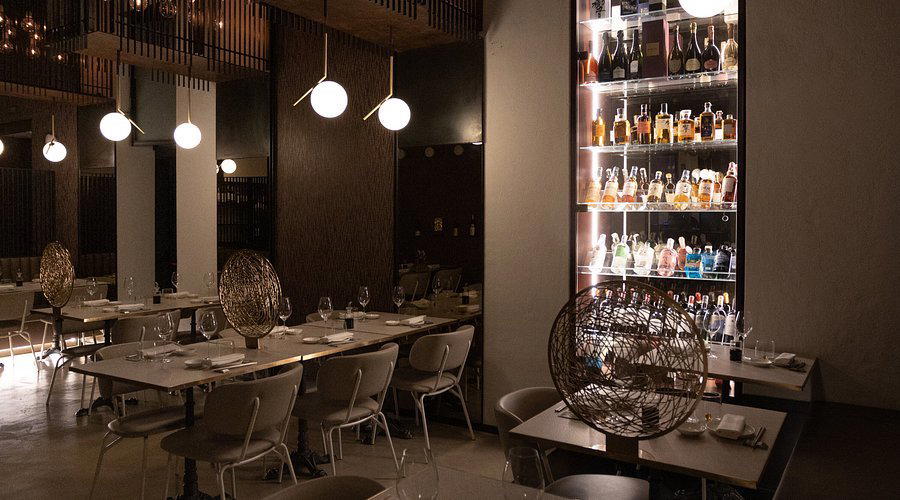
Japanese Discipline in a Lombard Piazza
Cremona is not a city where you expect to find a Japanese kitchen in Piazza Luigi Cadorna, 15, with a 4.5 Google rating and a €€ price tier. The province is defined by its tortelli cremaschi, its mostarda, and the slow-braised traditions of the Po Valley. Against that backdrop, the presence of a restaurant on Piazza Luigi Cadorna that approaches fish and meat through the lens of Japanese technique, light touch, clean separation of flavours, both raw and cooked preparations given equal weight, is a genuine departure from the surrounding culinary norm. For context on the broader northern Italian fine dining scene, the region's decorated tables include Dal Pescatore in Runate and Le Calandre in Rubano, both operating at the three-Michelin-star level. Kandoo Nippon sits in a different tier and a different culinary tradition entirely, but its recognition positions it as a restaurant worth the detour in a city where serious Japanese cooking is otherwise absent.
The Space: Two Floors, a Terrace, and a Clear Sense of Occasion
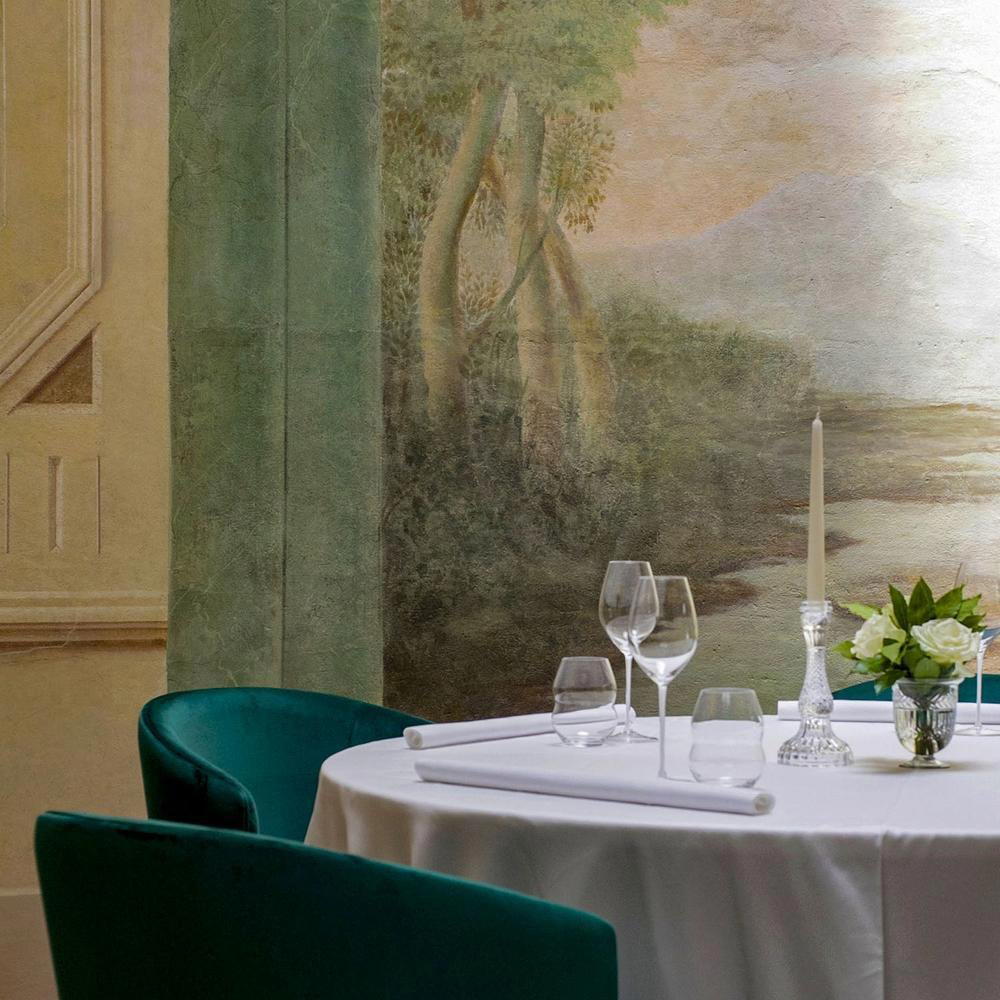
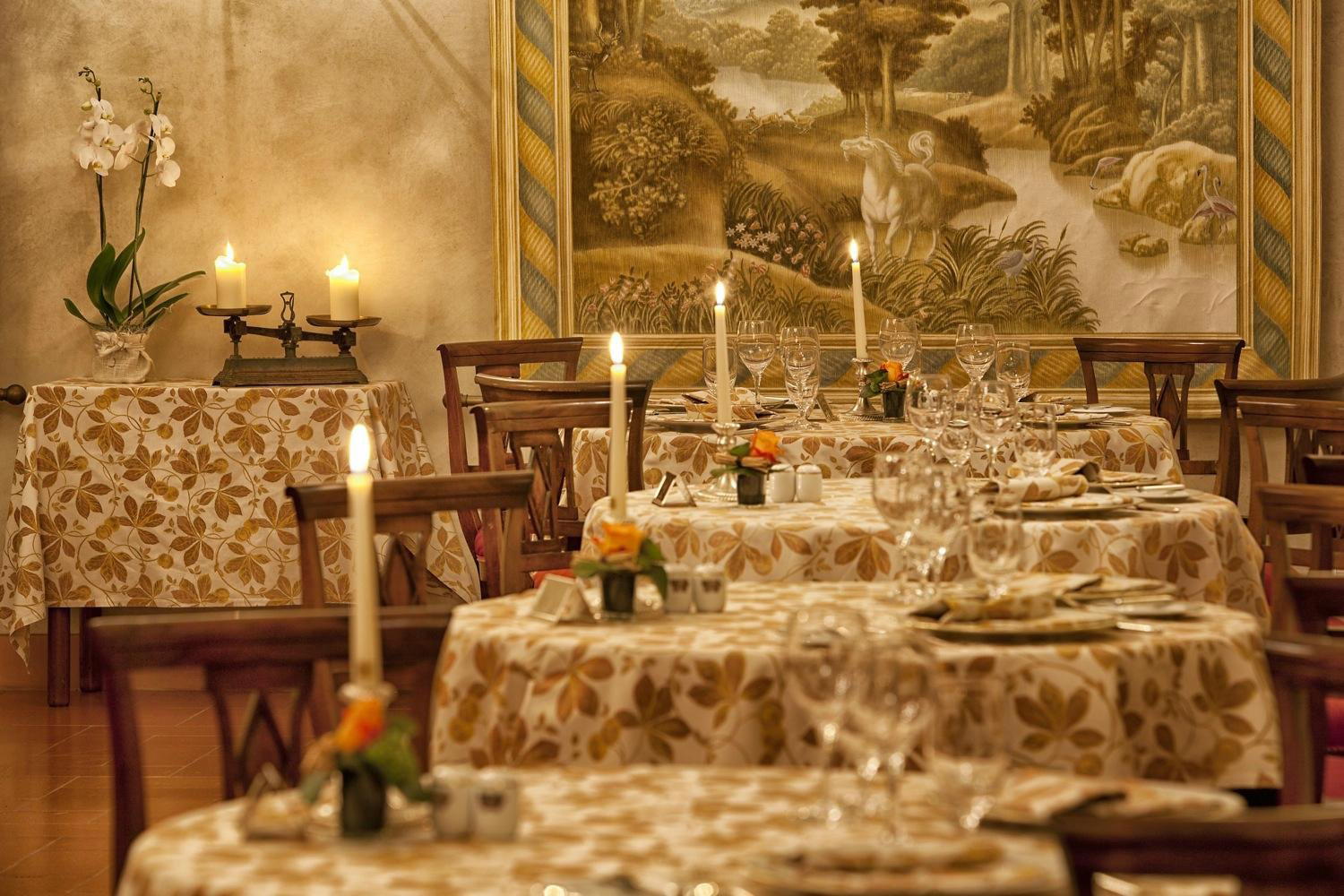
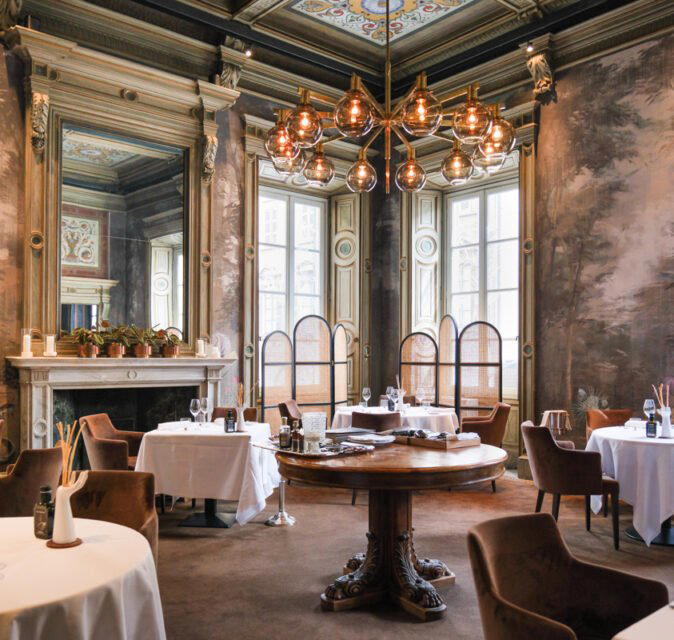
The kaiseki tradition places as much value on environment as on what arrives at the table. A lacquered tray, the angle of light through a shoji screen, and the pace at which courses appear all contribute to the discipline of the meal. Kandoo Nippon does not replicate a Kyoto kaiseki room, but it takes the question of space seriously. Contemporary interiors spread across two floors give the room a range of settings: a ground level that carries the energy of the piazza, an upper floor that tends toward quieter, more considered dining, and a veranda terrace that connects the meal to Cremona's civic architecture. In a mid-range category where many restaurants default to a single undifferentiated room, that spatial variety is a practical asset. It means the same address reads differently depending on season, party size, and purpose, a business lunch on a weekday afternoon occupies different territory than an evening meal on the terrace as the square quiets down.
The Approach: Restraint as a Culinary Position
What the Michelin Plate notation signals, in practical terms, is a kitchen operating with consistency and technical attention, short of the star level but recognisably in the serious tier. The descriptor attached to Kandoo Nippon's recognition is precise: preparations executed with a light touch and clean, distinct flavours. In Japanese cooking, that kind of restraint is not neutral, it is a position. It resists the tendency to layer sauces, to amplify, to compensate with richness. Raw preparations of fish and meat depend on sourcing discipline and knife skill; cooked preparations require understanding when heat serves and when it intrudes. Both appear on the menu here, which means the kitchen is working across the full technical range rather than defaulting to one safer mode. For readers familiar with Tokyo's approach to this balance, the conceptual framing connects to restaurants like Myojaku in Tokyo or Azabu Kadowaki, both operating at a different scale of prestige, but sharing the underlying principle that restraint is the hardest thing to execute and the easiest to abandon.
Lunch vs. Dinner: A Kitchen That Shifts Register
The weekday lunch format changes the calculus for how and when to visit. Alongside the main menu, the kitchen offers rice bowls and noodle dishes with various sides, a format that is more accessible in price and pace, suited to the working rhythms of a mid-sized Italian city. That split between a lunch register and an evening register is common in serious Japanese restaurants, where the same kitchen deploys its technique across different formats depending on the hour. The €€ price range applies across both services, placing Kandoo Nippon below the €€€€ tier occupied by the region's most decorated Italian tables, Enoteca Pinchiorri in Florence, Enrico Bartolini in Milan, or Osteria Francescana in Modena, and making it one of the more accessible routes to Michelin-recognised cooking in the area. The weekday lunch format runs Tuesday to Friday.
The Wine List and the Champagne Section
Japanese restaurants in Europe vary considerably in how seriously they treat the wine list. Many default to sake and beer as primary pairings, with a perfunctory wine selection as an afterthought. A dedicated Champagne section signals a different intention: the kitchen is thinking about how sparkling wine interacts with raw fish and clean, high-acid preparations, and the list has been assembled with that pairing logic in mind. Champagne's acidity and mineral drive make it a more versatile partner for Japanese technique than most still whites, and a restaurant that has curated that section specifically is telling you something about the care applied to the overall experience. For readers who cross-reference wine programs when choosing a restaurant, this is a meaningful detail rather than a decorative one.
Positioning in Cremona's Dining Scene
Cremona is a city where visitors arrive primarily for the violin-making heritage and the cathedral, and where the dining conversation is dominated by local Lombard traditions. A Japanese kitchen at the Michelin Plate level, with a 4.5 rating across more than a thousand Google reviews, occupies a specific and somewhat unusual position in that context. It is not competing with the trattorias serving cotechino and risotto; it is serving a different occasion entirely. For residents, it is the kind of restaurant that fills the gap between a casual meal and a full fine-dining commitment. For visitors, it offers a reliable, technically considered alternative to a city whose restaurant scene, while genuine, does not run deep in variety. Our full guide to Cremona restaurants maps the broader options across cuisine types and price points. If you are building a longer itinerary around the region, our guides to Cremona hotels, bars, wineries, and experiences cover the surrounding territory. For broader regional reference points at higher price tiers, Casa Perbellini 12 Apostoli in Verona, Piazza Duomo in Alba, Uliassi in Senigallia, Quattro Passi in Marina del Cantone, Reale in Castel di Sangro, and Atelier Moessmer Norbert Niederkofler in Brunico set the comparative frame for serious Italian dining at the national level.
Planning Your Visit
Kandoo Nippon Restaurant is located at Piazza Luigi Cadorna, 15, in central Cremona, a few minutes' walk from the cathedral and violin museum district, making it a natural anchor for a full day in the city. The €€ price positioning keeps a dinner for two below what you would pay at a comparable Michelin-recognised table in Milan. Given the 4.5 average across over a thousand reviews, demand is consistent; booking ahead is advisable for evening services and weekend tables. If a weekday lunch is part of your plan, check that the lunch service is operating before building your schedule around it.
Frequently Asked Questions
- Is Kandoo Nippon Restaurant okay with children?
- The €€ price range and multi-floor layout, including a veranda terrace, make it a reasonable choice for families with older children who are comfortable in a sit-down restaurant setting. Cremona's dining culture is generally welcoming of families, and the accessible weekday lunch format with rice bowls and noodle dishes provides direct options for younger or less adventurous diners. For a fine-dining-adjacent experience in a mid-range price bracket in a smaller Italian city, the environment is notably less formal than comparable Michelin-recognised tables elsewhere in the region.
- What should I expect atmosphere-wise at Kandoo Nippon Restaurant?
- The Michelin Plate recognition (2024 and 2025) and a 4.5 rating across more than a thousand Google reviews point to a restaurant with a loyal, established following in a city not typically associated with Japanese cooking. The contemporary interiors across two floors and a piazza-facing terrace create a range of settings: more animated near the entrance and terrace, quieter on the upper floor. In a €€ bracket in Cremona, the tone sits between relaxed and considered rather than formal, you are not expected to arrive in a jacket, but the kitchen is taking the food seriously enough that the meal has a sense of occasion.
- What should I eat at Kandoo Nippon Restaurant?
- The kitchen covers both raw and cooked preparations of fish and meat, with the Michelin Plate notation specifically citing a light touch and clean, distinct flavours as the defining characteristic. That description points toward the raw preparations, sashimi-style dishes where sourcing and knife work are the primary variables, as the strongest expression of the kitchen's position. The dedicated Champagne section on the wine list suggests the restaurant itself is thinking about pairings with raw fish. On weekdays at lunch, rice bowls and noodle dishes with sides offer a more casual and accessible entry point to the same kitchen. Without specific dish data in our records, the editorial signal from the Michelin recognition is that restraint and clean technique are the consistent thread across the menu.
Side-by-Side Snapshot
Comparable venues nearby, for context on price, style, and recognition.
| Venue | Cuisine | Price | Awards | Notes |
|---|---|---|---|---|
| Kandoo Nippon RestaurantThis venue — the venue you are viewing | Japanese | $$ | Michelin Plate | |
| Lo Spicchio | Sliced Pizza | $$ | , | .central Cremona |
| Lanzani Bottega & Bistrot | Modern Italian Bistro | $$ | Michelin Plate | Brescia city center |
| Trattoria Leoni | Traditional Emilian Trattoria | $$ | Michelin Plate | Barbian |
| Baia del Silenzio | Dining | , | Michelin Plate | Sestri Levante |
| Osteria del 36 | Traditional Emilia-Romagna Osteria | $$ | Michelin Plate | centro storico |