Our verdict
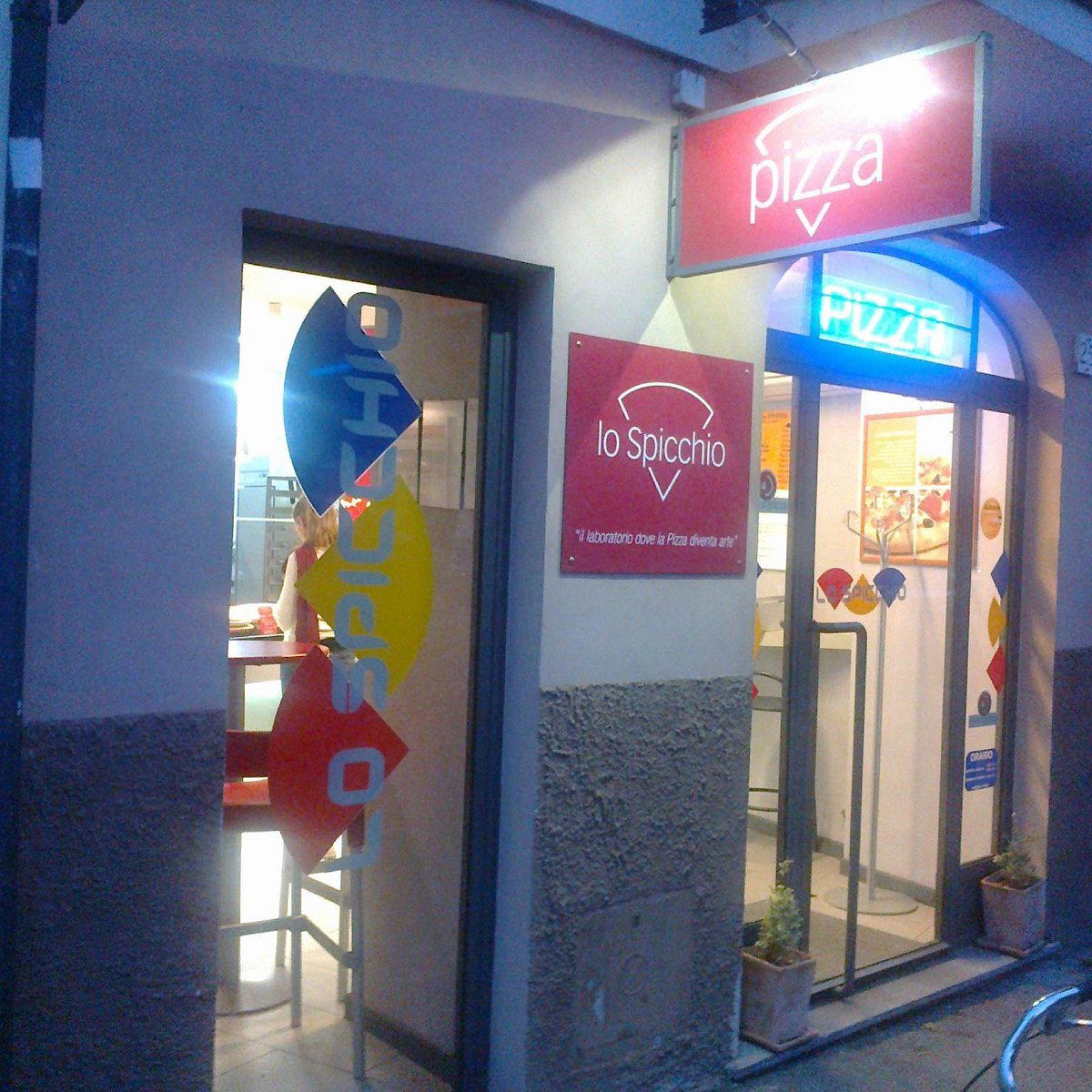
Lo Spicchio sits on Via Decia in Cremona, a city better known for Stradivari violins than restaurant pilgrimage, which is precisely what makes it worth attention. Operating in a region where ingredient provenance is taken seriously at every price point, the restaurant anchors itself in the agricultural rhythms of the Po Valley. Cremona's dining scene rewards those who look past the cathedral square, and Lo Spicchio is part of that quieter argument.

Pearl is the En Primeur Club membership app, where members save venues, book tables and use the concierge.
Cremona's Ingredient Logic, and Where Lo Spicchio Fits
Cremona occupies a particular position in northern Italy's food geography. It sits in the Po Valley, a flat, fertile corridor that produces some of Lombardy's most consequential ingredients: aged Grana Padano from the province itself, salame cremasco from the surrounding countryside, mostarda di Cremona, the candied-fruit condiment that has appeared on local tables for centuries, and river fish from waterways that predate the region's fame for violins. Restaurants here don't need to import their story. The land provides it, and the better kitchens in the city understand that the sourcing decision is the first creative decision.
Lo Spicchio, at Via Decia 25, operates within that context. In a city where the food conversation rarely reaches the international press that follows, say, Osteria Francescana in Modena or Piazza Duomo in Alba, restaurants like this one serve a different function: they hold the line on regional specificity without the amplification of awards attention. That is not a criticism. It is, in fact, what makes Cremona's dining scene worth understanding on its own terms.
The Setting on Via Decia
Via Decia is a quiet residential address by Cremona standards, away from the tourist pressure around Piazza del Comune and the cathedral. Arriving on foot, the street has the character of a neighbourhood that feeds itself rather than performs for visitors. The building at number 25 has the low-profile exterior common to serious local trattorias across the Po Valley, where the investment goes into the kitchen and the sourcing, not the frontage. This is a pattern repeated across the region's more honest dining rooms: Dal Pescatore in Runate, one of Italy's long-standing three-Michelin-star addresses, has always presented itself with similar domestic modesty despite its position at the apex of Italian fine dining.
The interior approach at Lo Spicchio follows local convention: a room scaled to the neighbourhood rather than to a dining destination crowd. Cremona's restaurant culture tends toward the intimate, a counterpoint to the high-volume format that defines larger Lombard cities. For visitors arriving from Milan, roughly an hour southwest by train, the shift in pace is immediate.
Ingredient Provenance in the Po Valley Kitchen
The editorial argument for visiting Cremona's smaller restaurants rests almost entirely on ingredient access. The Po Valley's agricultural density means that a kitchen at any price point can, if it chooses, source within a radius that most urban restaurants cannot replicate. Cremona's mostarda, produced locally since at least the sixteenth century, appears in combinations that a kitchen in Rome or Florence would need to import. The province's cheese production feeds directly into local menus without the markups that come with distribution chains. River fish, a category that has largely disappeared from Italian restaurant menus in major cities, remains a practical option here.
This is the context in which Lo Spicchio's menu positioning makes sense. Restaurants working at this level in smaller Italian cities face a choice: adopt a more generic Italian menu that travels easily, or anchor to the province's larder and accept a narrower audience. The latter is harder commercially but more interesting editorially, and it is the approach that distinguishes the better restaurants in cities like Cremona from the broader Italian trattoria category. Compare this with the sourcing discipline at Atelier Moessmer Norbert Niederkofler in Brunico, where the entire menu architecture is built around Alpine ingredient cycles, or the coastal precision of Uliassi in Senigallia, where the Adriatic catch drives the creative program. At a different scale, the principle is the same: the sourcing geography shapes the plate.
Cremona's Dining Scene in Context
Cremona does not have a Michelin-starred restaurant in the way that neighbouring cities do. Enrico Bartolini in Milan operates at the top of Lombardy's creative fine dining tier; Le Calandre in Rubano holds three stars in the Veneto. Cremona sits outside that awards orbit, which has the effect of keeping its better restaurants priced for locals rather than inflated for destination diners. That pricing reality is part of the city's appeal for the kind of traveller who prefers to eat where the market pressure runs in their favour.
The city's food culture also has a well-documented sweets tradition: torrone, the nougat confection produced in Cremona since at least the fifteenth century, is distributed internationally but consumed locally in a fresher, less processed form. Visiting in late autumn puts you inside the Cremona Fiera del Torrone festival period, when the city's food identity is most publicly on display. That seasonal dimension is relevant for anyone planning a trip around eating rather than around sightseeing.
For the broadest picture of where to eat in the city, our full Cremona restaurants guide covers the range from casual neighbourhood options to more considered evening meals. Lo Spicchio sits within that continuum, positioned as a local dining room rather than a destination restaurant in the manner of La Pergola in Rome or Enoteca Pinchiorri in Florence.
Cremona also has a small but coherent international dining presence. Kandoo Nippon Restaurant represents the Japanese contingent, a format that has found footholds in secondary Italian cities over the past decade as local appetites have broadened. The two restaurants occupy entirely different parts of the dining conversation, which is a reasonable reflection of how even smaller Italian cities have diversified.
Planning a Visit
Lo Spicchio is located at Via Decia 25 in central Cremona. The city connects to Milan's Centrale station in approximately one hour by regional train, making it a credible day trip from Lombardy's capital, though the more considered approach is an overnight stay that allows for an evening meal and a morning walk through the market around Piazza del Comune. Given the scale typical of neighbourhood restaurants in this tier, booking ahead for weekend evenings is a sensible precaution rather than a formality.
Frequently asked questions
Is Lo Spicchio a family-friendly restaurant?
Lo Spicchio sits on Via Decia 25, a quiet residential address removed from Cremona's busier tourist centre, which suggests a relaxed, neighbourhood atmosphere rather than a formal dining environment. That kind of setting typically accommodates families without issue, though booking ahead is advisable for any group.
Is Lo Spicchio formal or casual?
The address, a low-key residential street in Cremona rather than a piazza-facing property, points toward an informal register. Cremona's dining scene broadly runs on this model: ingredient-led cooking in unpretentious rooms, without the ceremony of a Michelin-starred room. Dress code specifics are not documented, but a relaxed approach fits the neighbourhood context.
How does Lo Spicchio compare to other restaurants in Cremona's dining scene?
Cremona does not currently hold a Michelin-starred address of its own, which positions neighbourhood restaurants like Lo Spicchio on Via Decia 25 as the city's primary draw for table-focused visitors. The restaurant operates in a culinary city better known for its violin-making heritage than its dining profile, meaning competition for serious Po Valley cooking at a local address is relatively limited. That context gives a small, ingredient-grounded room more weight than it might carry in Milan or Brescia.
What should I eat at Lo Spicchio?
Lo Spicchio is in Cremona, which means the surrounding Po Valley supplies the table with some of northern Italy's densest agricultural output: cured meats, aged cheeses, river fish, and the mustard-fruit condiments the city is known for.
Comparable Venues
Comparable venues nearby, for context on price, style, and recognition.
| Venue | Cuisine | Price | Awards | Notes |
|---|---|---|---|---|
| Lo SpicchioThis venue (the venue you are viewing) | Sliced Pizza | Not listed | Not listed | Not listed |
| Kandoo Nippon Restaurant | Refined Japanese Sushi and Cooked Specialties | Not listed | Michelin Plate | Cremona |
| Arso Trattoria Moderna | Traditional Roman Trattoria | $20–30 | Not listed | Not listed |
| Venchi Cioccogelateria | Italian Chocolate Gelateria | $10–20 | Not listed | San Marco |
| La Greppia | Modern Parmigiana Trattoria | $30–50 | Not listed | historic center |
| Osteria Caffè Amaro | Rustic Veronese Osteria | $30–50 | Not listed | Garda |
Continue exploring
More in Cremona
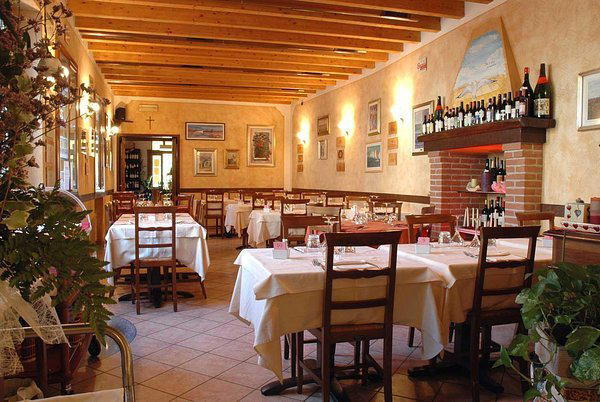
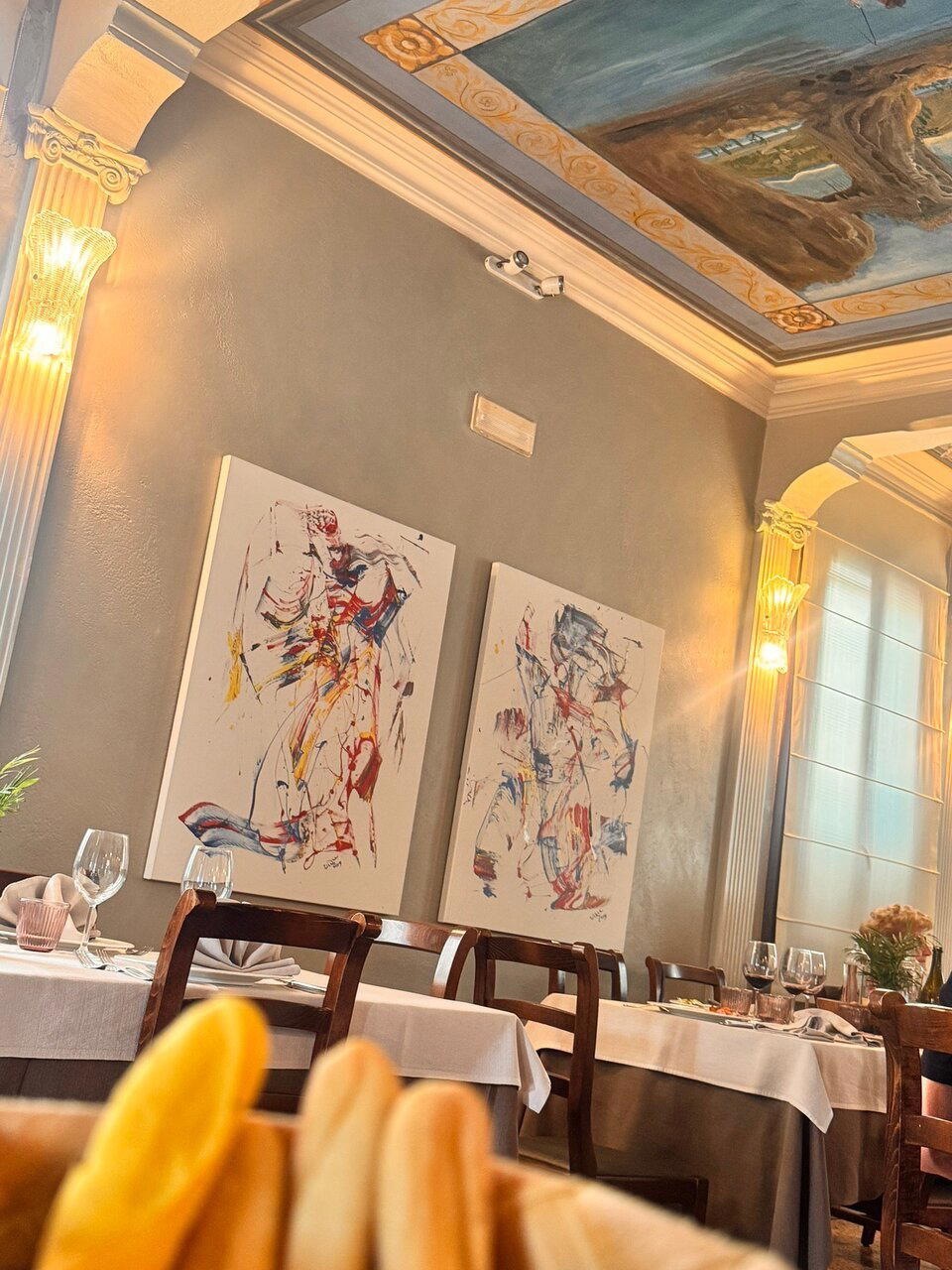
Restaurants in Cremona
All restaurants in Cremona →
Bars in Cremona
Browse all →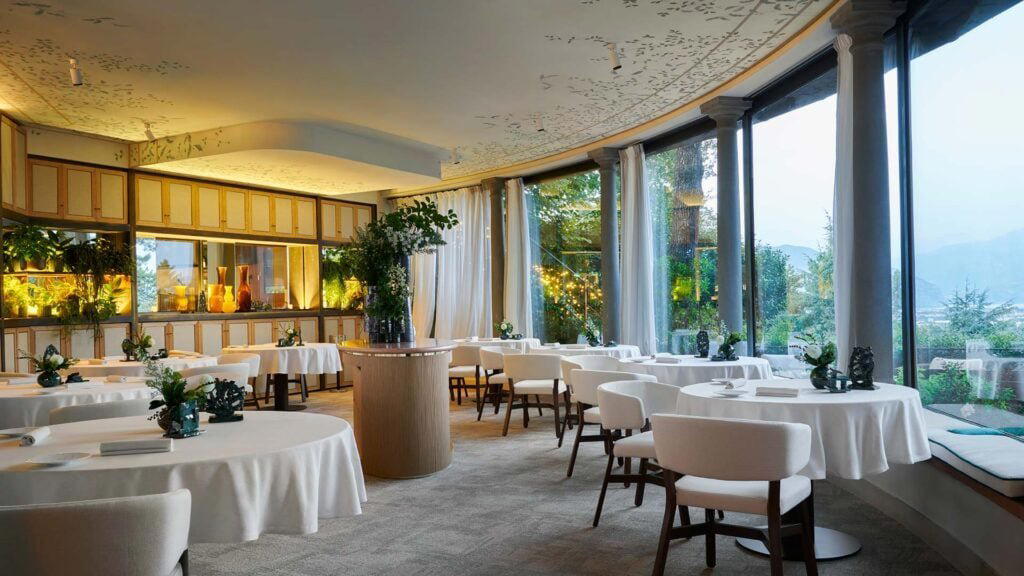
Hotels in Cremona
Browse all →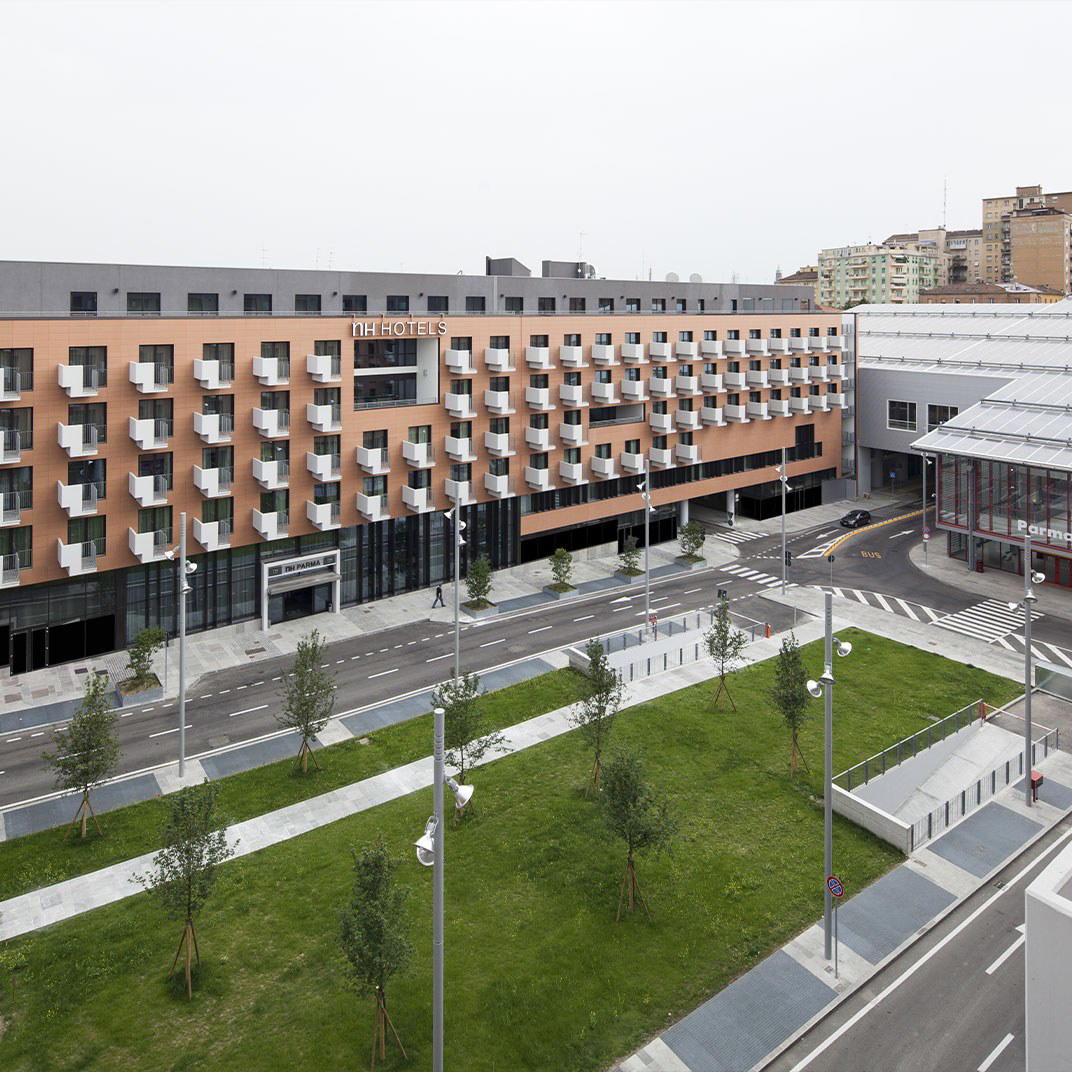



Details
- Cozy
- Rustic
- Casual Hangout
- Beer Program
- A La Carte
- Vegetarian Friendly
Current opening hours
- Monday
- Closed
- Tuesday
- 11:30 AM–1:30 PM, 5:30–8:30 PM
- Wednesday
- 11:30 AM–1:30 PM, 5:30–8:30 PM
- Thursday
- 11:30 AM–1:30 PM, 5:30–8:30 PM
- Friday
- 11:30 AM–1:30 PM, 5:30–8:30 PM
- Saturday
- 11:30 AM–1:30 PM, 5:30–8:30 PM
- Sunday
- 5:30–9 PM
Hours can change for holidays and private events. Hours as of .
Low-key, friendly, and welcoming atmosphere.