
Tabelog 100 #18
Our verdict
Koukai Bou belongs to Tokyo’s serious everyday ramen tier: small-room, low-price, reputation-driven, and measured by repeat selection rather than spectacle. Its place on the Tabelog 100 Ramen Tokyo list, with recognition running from 2017 through 2025, puts it in a competitive bracket where consistency matters more than novelty.

Pearl is the En Primeur Club membership app, where members save venues, book tables and use the concierge.
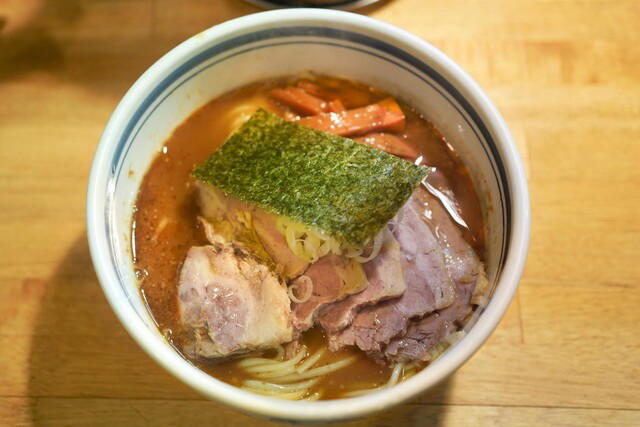
The menu
What to order
- Ramen
- Char siu ramen
- Menma ramen
- Tsukemen (dipping noodles)
Tokyo’s ramen scene is dense, competitive, and quick to test whether a shop can hold attention beyond novelty. Koukai Bou is framed less by ceremony than by everyday rhythm: a focused meal, a casual format, and the city’s compressed cadence of line, soup pot, and lunch hour. Without overstatement, its reputation is supported by selection in Tabelog’s 2025 Ramen Tokyo Hyakumeiten list.
Tokyo ramen is now a citywide taxonomy: clear soup specialists, richer bowls, seafood-forward styles, dipping-noodle houses, and hybrids that resist sorting. The sharper distinction is repeatability. A new shop can draw attention; discipline keeps one in critical circulation. This is not presented here as formal fine dining, but as a Tokyo ramen address in the city’s demanding casual middle, where a bowl must justify attention against many competitors.
A Tokyo ramen address measured by recognition
Tabelog’s Hyakumeiten lists are blunt but influential signals in Japan’s restaurant culture. They are not Michelin stars, and displayed order is not an official ranking, but inclusion in the Ramen Tokyo 100 carries weight in a crowded, unforgiving field. Koukai Bou’s 2025 selection marks meaningful public and critic-facing traction rather than a purely self-declared reputation.
The listing score, 3.79, also matters locally. Tabelog ratings compress into narrow bands, so a high-three figure can signal meaningful traction, especially in casual genres with heavy comparison shopping. Ramen faces that pressure: customers judge broth, noodles, value, timing, and aftertaste with severe precision. Recognition on a widely watched list is more persuasive than a loose claim of popularity.
The category covers ramen and tsukemen, placing the shop in Tokyo’s familiar split between soup noodles and dipping noodles. That duality changes expectations: ramen is experienced as an integrated bowl; tsukemen emphasizes noodles served with dipping broth. A shop listed in both is judged across adjacent but different habits.
There is also a city argument. Tokyo’s serious eating is not limited to polished special-occasion rooms; it also lives in independent counters, old sweets shops, lunch-focused addresses, and casual specialists built through local regularity. For a broader Tokyo itinerary, compare that texture with other city entries in Our full Tokyo restaurants guide, then balance the food map with Our full Tokyo hotels guide, Our full Tokyo bars guide, Our full Tokyo wineries guide, and Our full Tokyo experiences guide.
The value signal is part of the critical appeal
Ramen in Tokyo can be technically obsessive and financially modest. Koukai Bou fits that tradition, with the provided listing showing a budget level of Dinner: - JPY 999; Lunch: - JPY 999. That explains why its reputation differs from reservation-led dining: recognition rests on the public’s ability to return, compare, and hold the kitchen to a daily standard.
The format reinforces the point without needing to turn the meal into a luxury ritual. Ramen’s appeal often depends on speed, concentration, and consistency rather than elaborate staging. In that context, execution matters: the elements of the bowl, the timing, and the flow of service all have to align for the experience to feel effortless.
This is where recognition and logistics meet. A listed ramen shop with a modest price signal creates a familiar Tokyo equation: low ticket, high demand, and close scrutiny from repeat diners. Do not treat it as a conquest meal. Treat it as a Tokyo ramen session with serious reputation, then plan with the flexibility that casual, popular dining often requires.
Within Tokyo comparisons, the appeal differs from broader casual stops, themed cafés, grill counters, yakitori rooms, izakaya-oriented choices, and other dining rooms built around a longer evening. The decision is less about occasion than appetite: a focused bowl, a short meal, and a reputation tested by repeat customers.
How to place it within a Japan food itinerary
For visitors building a Japan trip around food rather than landmarks, this ramen address is useful because it does not require formal-dining grammar or multi-course pacing. The tradeoff is timing. Popular casual rooms can be sensitive to peak periods and daily service flow, so flexibility is the safer planning tool.
The Tokyo setting makes it useful for an itinerary that wants a serious meal without building an entire evening around it. The experience can pair with a wider day of walking, shopping, galleries, or other city dining, so the meal feels integrated into Tokyo rather than isolated as a destination. That rhythm differs from a special-occasion restaurant or a late-night drinking route.
For a broader route, Koukai Bou can sit alongside other Japanese-food comparisons without pretending they answer the same need. Regional specialties, sweets shops such as Kanmidokoro Irie, and other Tokyo dining rooms all pull travelers in different directions. Casual Japanese formats abroad underline the contrast: Tokyo ramen culture is judged at the source, in fast, comparative, unforgiving conditions.
That is the reason to care. The appeal is not rarity for its own sake, but the way Tokyo rewards a daily form executed consistently enough to earn recognized listing attention. Other Japan entries and other Tokyo formats serve different moods. Koukai Bou’s case is narrower and more exacting: a Tokyo ramen and tsukemen shop tested by reputation, value expectations, busy-period planning, and lunch-hour scrutiny.
Frequently asked questions
What price level is Koukai Bou?
Pricing at Koukai Bou is listed as - JPY 999 - JPY 999.
What days is Koukai Bou closed?
Specific closing days are not provided in the verified venue facts for Koukai Bou.
Where do I go for Koukai Bou?
Tokyo.
What do critics highlight about Koukai Bou?
Tabelog selected Koukai Bou for its 2025 Ramen TOKYO Hyakumeiten list. The provided listing categorizes it as Ramen and Tsukemen, with a score of 3.79.
Cost and Credentials
Comparable venues for context, by category and price tier.
| Venue | Cuisine | Price | Awards | Notes |
|---|---|---|---|---|
| Koukai BouThis venue (the venue you are viewing) | Classic Tokyo ramen & tsukemen | $10–20 | Tabelog 100 #18 | Not listed |
| Arry 8Bites | Japanese Small Bites | Not listed | Not listed | Tokyo, Japanese Small Bites |
| Taniya | Sanuki udon noodle shop | $10–20 | Tabelog 100 #69 | Chūō, Sanuki udon noodle shop |
| Ramen Kai | Clam-focused Japanese ramen | $10–20 | Tabelog 100 #64 | Taitō, Clam-focused Japanese ramen |
| Kyokasuduke Uokyu Ginza ten | Traditional Japanese kasuzuke fish teishoku | $10–20 | Tabelog 100 #48 | Chūō, Traditional Japanese kasuzuke fish teishoku |
| Caligari Akihabara | Japanese curry house specializing in coconut curry | $10–20 | Tabelog 100 #35 | Chiyoda, Japanese curry house specializing in coconut curry |
Recognition history
Dated appearances from independent guides and award organizations, with the underlying list record or original source where available.
Tabelog 100 #18 · No. 18
Tabelog · Tabelog 100 - Ramen - TOKYO - 2025
Continue exploring
More in Tokyo
Restaurants in Tokyo
All restaurants in Tokyo →











Details
- Cozy
- Lively
- Classic
- Solo
- After Work
- Casual Hangout
- Family
- Standalone
- A La Carte
- Counter Dining
- Beer
Current opening hours
- Monday
- 11 AM–3 PM, 5:30–7 PM
- Tuesday
- 11 AM–3 PM, 5:30–7 PM
- Wednesday
- Closed
- Thursday
- 11 AM–3 PM, 5:30–7 PM
- Friday
- 11 AM–3 PM, 5:30–7 PM
- Saturday
- 11 AM–3 PM
- Sunday
- Closed
Hours can change for holidays and private events. Hours as of .
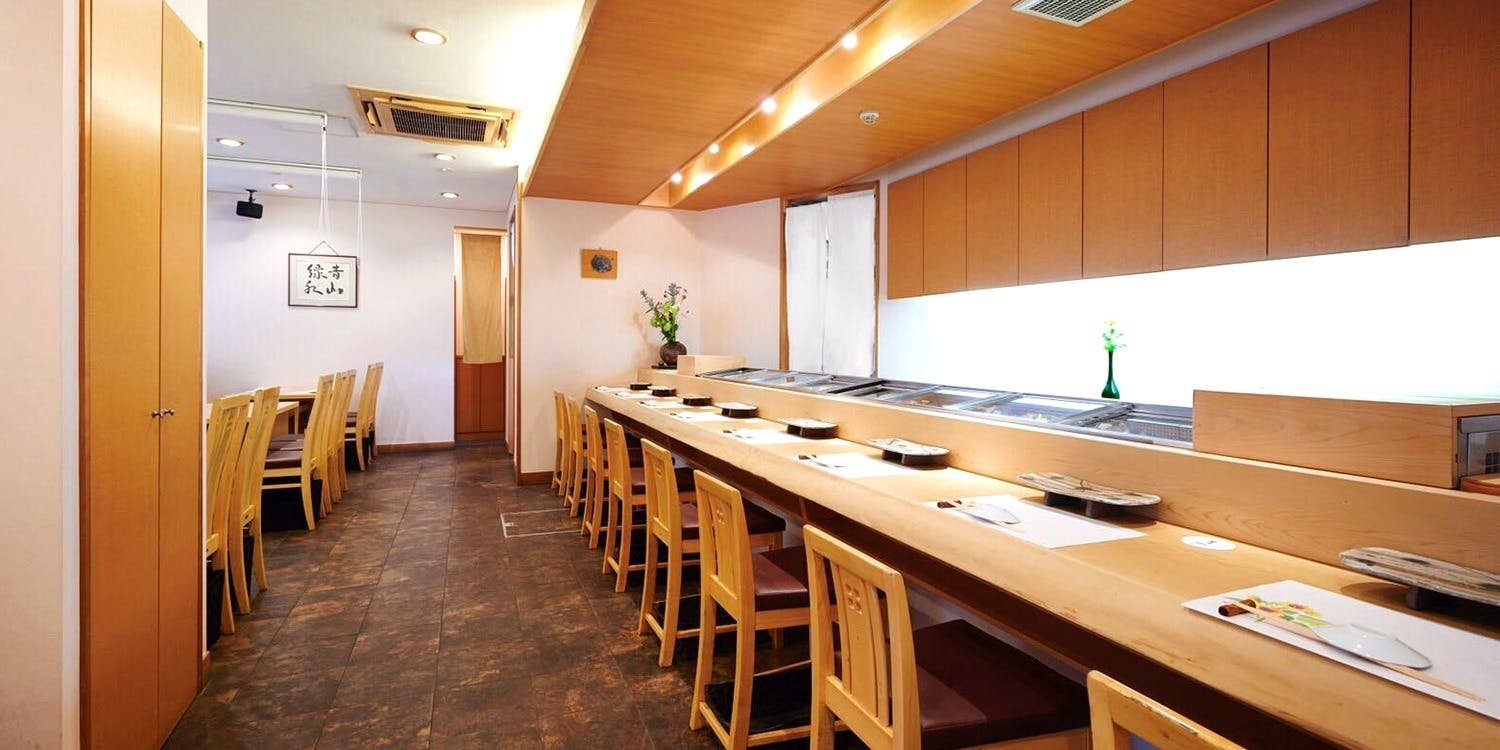
Small, non‑smoking neighborhood ramen shop with counter and a couple of tables, relaxed and friendly with frequent lines, bright and simple interior focused on the bowl rather than design.