
Tabelog 100 #82
Our verdict
Tsukumo places Yamagata’s tempura and soba culture in a sharper regional frame: mountain vegetables, buckwheat traditions, and a dining style built around lunch rather than late-night ceremony. Its Tabelog Tempura 100 selection in 2025, plus earlier selections in 2022 and 2023, puts it in a serious national conversation while keeping the room grounded in counter and tatami-room informality.

Pearl is the En Primeur Club membership app, where members save venues, book tables and use the concierge.
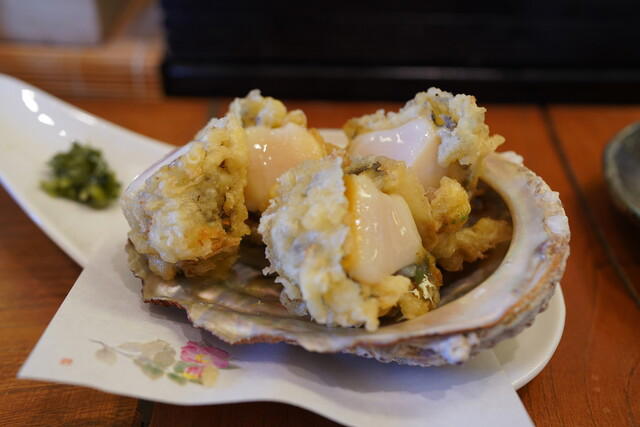
Approaching Tsukumo in Yamagata, the city’s food culture feels less like destination dining rooms than working addresses tied to fields, mountains, and regional travel. That context matters for tempura. In larger metropolitan settings, the form can read as luxury theatre: counter seats, chef-led pacing, and ingredients moving through major markets. In inland Yamagata, the grammar can feel different. Buckwheat, seasonal produce, and the rhythms of regional eating often carry more weight; the meal is about timing, heat, and restraint more than spectacle.
Tsukumo belongs to that second lineage. Listed for tempura and soba, it fits Yamagata, where soba culture is a regional staple, not an add-on. Its selection in the 2025 Tabelog Hyakumeiten record for tempura is the trust signal: national tempura recognition for a restaurant outside the major dining capitals. That does not make it a glossy urban counter transplanted north. It makes it more interesting, because the format sits closer to local eating habits than the capital-city tasting-menu race.
Tempura in Yamagata reads differently when soba is part of the frame
Tempura’s reputation can be distorted by high-end city versions, where talk turns to batter translucency, oil management, and reservation hierarchy. Those details matter, but they are not the whole tradition. In the Tohoku interior, tempura often shares the table with soba, shifting the center of gravity toward grain, season, and appetite. Buckwheat noodles bring a cooler, earthier counterpoint to fried ingredients; tempura adds texture and warmth without turning the meal into a prolonged ceremony.
That pairing is why Tsukumo’s category listing matters. A restaurant identified with both tempura and soba speaks to a regional pattern rather than chasing single-discipline prestige. For travelers building a Yamagata itinerary, it also clarifies expectations: this is not simply a late dinner stop or a generic noodle address. It occupies a narrower lane, with national recognition for tempura and a local logic shaped by soba culture and measured dining.
The ingredient-sourcing angle is especially relevant in Yamagata, known across Japan for agricultural depth and mountain produce. A tempura kitchen here has a different pantry conversation from one built entirely around coastal luxury. The appeal is not only what is fried, but where the raw material sits within the local calendar. Structurally, tempura in Yamagata rewards seasonality because the surrounding food culture already thinks in harvests.
Within the local field, Tsukumo reads as a focused specialist rather than a general Yamagata meal stop. Teuchi Soba Umesoba, Tachinomi En, Izakaya Denshichi, Soneta Yakitoriya, and クレド can all help frame how varied the city’s dining map becomes, but Tsukumo’s clearest public identity is the tempura-soba axis. That distinction helps when choosing between a quick local meal, a drinking-led evening, and a more deliberate tempura meal.
The experience is best understood as regional dining rather than ceremony
The format tells its own story. Tempura rewards attention to timing and heat, while soba broadens the meal beyond fried ingredients alone. That mix places the restaurant between specialist craft and everyday hospitality, a combination common in regional Japan and less dependent on the metropolitan luxury model, where the counter can become an exclusionary stage.
Yamagata’s restaurant culture is also less frictionless for travelers than Tokyo’s. Some stronger addresses require patience, cash awareness, and comfort with limited service windows. Tsukumo fits the broader pattern of a regional specialist that should be checked carefully before arrival. Its public listing is anchored by tempura and soba, with a lunch budget shown at JPY 5,000–JPY 5,999 and dinner not separately priced in the provided record.
The critical case rests on alignment: region, format, and recognition point in the same direction. Tabelog Hyakumeiten recognition gives national visibility; the soba-tempura category keeps it rooted in Yamagata; the overall proposition avoids needing a sealed luxury ritual to justify itself. For travelers, that combination is stronger than chef mythology or invented signature dishes. It says the meal belongs to its place.
Planning a broader Yamagata food itinerary should account for contrast. Other Yamagata dining rooms point toward the prefecture’s everyday eating, while Izakaya Denshichi and unnamed local options show how varied the city’s dining map becomes beyond a single noodle narrative. For a wider scan, use Our full Yamagata restaurants guide alongside Our full Yamagata hotels guide, Our full Yamagata bars guide, Our full Yamagata wineries guide, and Our full Yamagata experiences guide.
How to place it in a Japan dining itinerary
Tsukumo makes sense for travelers not treating Japan as a sequence of trophy counters. Its value lies in how a nationally noted tempura address behaves like a regional restaurant: grounded, closely connected to soba, and not isolated from its local food context. That makes it a useful counterweight to broader Japan itineraries built only around major-city dining rooms or highly formal meals.
For comparison across Japan and beyond, different formats answer different questions. Some restaurants center other regional or casual traditions; others point toward different forms of Japanese dining. Those comparisons can be useful, but Tsukumo’s appeal is more specific: it belongs to Yamagata, and its clearest public identity is the tempura-and-soba pairing recognized in the 2025 Tabelog Hyakumeiten record.
The editorial read is simple: prioritize this Yamagata restaurant when tempura, soba, and regional context matter more than late-night energy or chef-driven theatre. Recognition supplies credibility, but the deeper reason to care is how the format reflects its surroundings. In a prefecture where agriculture and mountain foodways shape the table, tempura becomes less about luxury signaling and more about reading the season through a disciplined, familiar form.
Frequently asked questions
Is Tsukumo a family-friendly restaurant?
The provided public record does not establish a specific family policy. Tsukumo is listed for tempura and soba, with lunch shown at JPY 5,000–JPY 5,999. Check the venue's official channels for the latest practical details.
What should I expect atmosphere-wise at Tsukumo?
Expect a Yamagata restaurant whose public identity is built around tempura and soba rather than a generic dining format. Specific seating, reservation, and service details should be confirmed directly before visiting.
What does dinner at Tsukumo typically cost?
Lunch is listed as JPY 5,000 - JPY 5,999, and the overall price field is JPY 5,000 - JPY 5,999 View spending breakdown.
What are the operating hours at Tsukumo?
Check Tsukumo's current official channels or listing information before planning a visit.
What's the address for Tsukumo?
Tsukumo is located in Yamagata.
What's the signature at Tsukumo?
The venue is listed for tempura and soba, so that pairing is the clearest anchor rather than a named signature dish. It also received selection in the 2025 Tabelog Hyakumeiten record for tempura, which is the strongest trust signal attached to the restaurant.
Fast Comparison
Comparable venues by cuisine and price in the same metro.
| Venue | Cuisine | Price | Awards | Notes |
|---|---|---|---|---|
| TsukumoThis venue (the venue you are viewing) | Tempura and soba | $30–50 | Tabelog 100 #82 | Not listed |
| Kawashima | Chicken-focused Japanese set-menu dining | $50–100 | Tabelog 100 #89 | Nanukamachi |
| Kanazawa Ya Gyuniku Ten | Traditional Yamagata beef sukiyaki & shabu-shabu | $50–100 | Tabelog 100 #52 | Nanokamachi |
| Yakiniku Meisho Yamagyu Yamagata ten | Yamagata Beef Yakiniku | $30–50 | Tabelog 100 #22 | Hatagomachi |
| Tachinomi En | Japanese tachinomi standing bar | Not listed | Tabelog 100 #86 | Not listed |
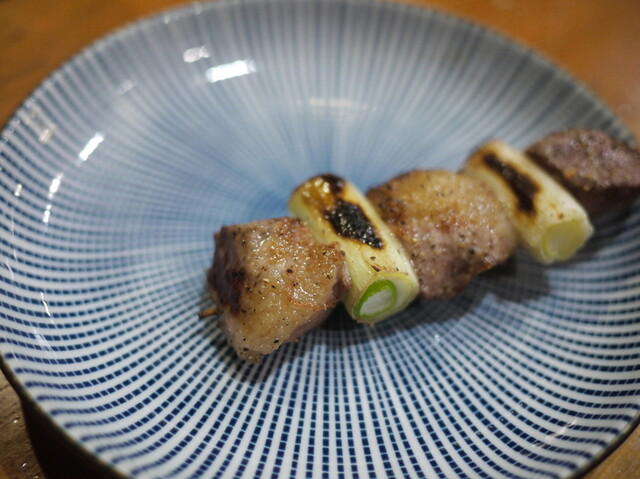
| Soneta Yakitoriya | Traditional Yakitori | $20–30 | Tabelog 100 #71 | Kasumicho |
Recognition history
Dated appearances from independent guides and award organizations, with the underlying list record or original source where available.
Tabelog 100 #82 · No. 82
Tabelog · Tabelog 100 - Tempura - 2025
Continue exploring
More in Yamagata
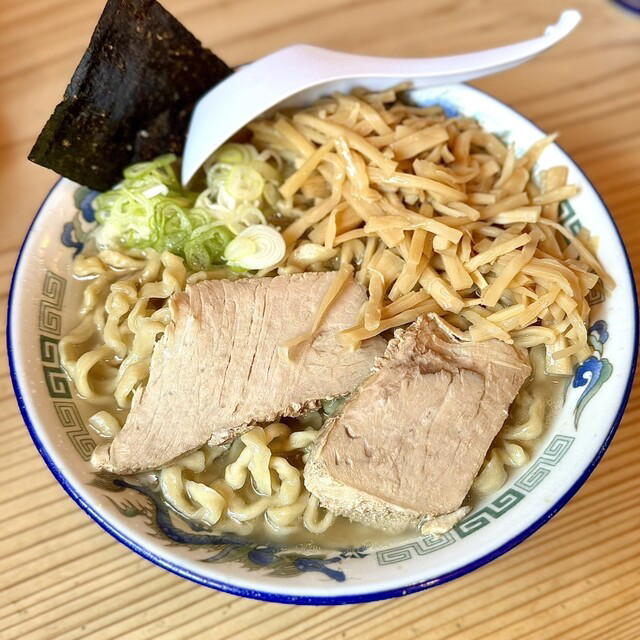
Restaurants in Yamagata
All restaurants in Yamagata →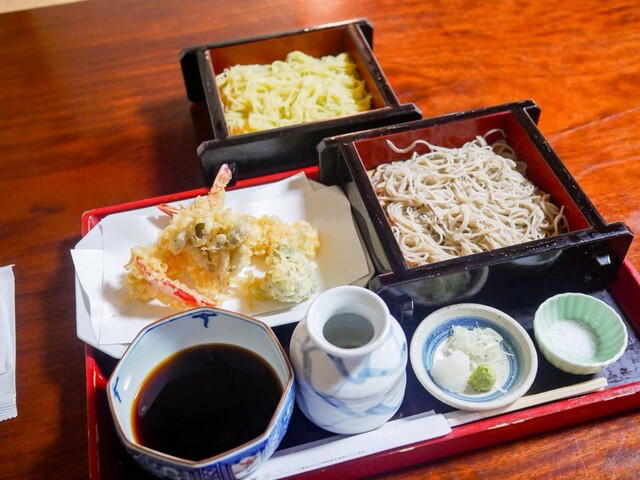
Hotels in Yamagata
Browse all →

Wineries in Yamagata
Browse all →
Details
- Quiet
- Cozy
- Classic
- Family
- Solo
- Group Dining
- Casual Hangout
- Standalone
- A La Carte
- Counter Dining
Current opening hours
- Monday
- Closed
- Tuesday
- Closed
- Wednesday
- 11:30 AM–2:30 PM
- Thursday
- Closed
- Friday
- Closed
- Saturday
- 11:30 AM–2:30 PM
- Sunday
- 11:30 AM–2:30 PM
Hours can change for holidays and private events. Last verified .
Simple counter and tatami-seat interior with a calm, non-smoking atmosphere, oriented to relaxed lunches for families, solo diners, and friends rather than trend-driven dining.