Yakitori Matsukaze operates on the reservation-only model that defines Nara's more serious dining tier, occupying a Surugamachi address that places it within walking distance of the city's historic core. The format suits those who want focused, ingredient-led cooking in a city that rewards slower exploration. Compared to Nara's kaiseki houses, Matsukaze offers a more direct, fire-centred approach to seasonal Japanese produce.
Pearl is the En Primeur Club membership app — saves, bookings, and concierge access live there. Same editors, same standards.
- Address
- 32-14 Surugamachi, Nara, 630-8357, Japan
- Phone
- +817083740936
- Website
- tablecheck.com
 Saves & bookings on Pearl
Surugamachi and the Logic of Eating in Nara's Old Quarter
Nara's dining scene has never operated on the same commercial logic as Osaka or Kyoto. The city draws visitors for its temples and deer parks, but its restaurants have historically served a more local, repeat clientele, which is part of why the reservation-only format has taken hold here more decisively than in larger neighbouring cities. Surugamachi sits in the older, quieter part of central Nara, close enough to Naramachi's preserved machiya streetscape to catch foot traffic from cultural tourism, yet far enough from the main station precinct that only deliberate diners tend to find it. 焼鳥 望月(予約制) occupies this address, and the address matters more than it might seem.
In Japanese cities, the neighbourhood a yakitori-ya chooses to open in often signals its ambitions. The Shinjuku or Yurakucho underpasses in Tokyo attract a different clientele than a quiet side street in a heritage district. Matsukaze's Surugamachi location aligns it with the latter category: the kind of place that assumes its guests have done their research, made a booking, and arrived with something close to commitment. That dynamic shapes the experience before a single skewer leaves the grill.
Yakitori in the Context of Japanese Fire Cooking
Yakitori as a format sits in an interesting position within Japan's broader dining hierarchy. At the entry level, it means salted chicken thighs and cold beer at a standing counter near a train station. At the upper end, and that upper end has expanded considerably over the past two decades, it means a chef-driven omakase of precisely butchered, carefully sourced poultry and offal, grilled over binchōtan charcoal with the kind of attention to heat, timing, and seasoning that Michelin inspectors have started taking seriously. The gap between those two expressions is now as wide as the gap between a conveyor-belt sushi bar and a Ginza omakase counter. Nara's premium dining tier, which includes kaiseki restaurants like Oryori Hanagaki and Tsukumo, has created space for more focused, fire-centred formats that don't need twelve courses of seasonal vegetables to command serious attention.
The reservation-required model at Matsukaze places it in the upper portion of that range. Walk-in yakitori, even good walk-in yakitori, operates on a different contract with its guests. The booking requirement signals that the kitchen is working to a fixed rhythm, that sourcing is planned rather than reactive, and that attention is allocated rather than improvised. For travellers already familiar with how Japan's leading small restaurants work, that structure is immediately legible.
Nara as a Setting for Serious Eating
The case for eating seriously in Nara rather than treating it as a day trip from Osaka or Kyoto is stronger than most visitors realise. The city's slower pace and smaller dining scene mean that restaurants here tend to develop longer relationships with their suppliers and their regulars. Nara Prefecture produces distinctive agricultural ingredients, Yamato vegetables, local sake, Yoshino cedar-smoked products, that don't always make it onto menus in the bigger, faster-moving cities nearby. A reservation-only yakitori restaurant in this environment has access to regional sourcing networks that a high-volume Osaka operation might not prioritise.
Nara also has a more compressed premium dining tier than Kyoto or Tokyo. The city's restaurant scene at the ¥¥¥ level includes venues like akordu, which brings a Spanish and innovative lens to local produce, Ajinokaze Nishimura, and NARA NIKON. Within that comparable set, a focused yakitori counter represents a different kind of precision, one built around heat and cut rather than broth and presentation.
Planning Your Visit
Surugamachi is accessible on foot from JR Nara Station in under fifteen minutes, and from Kintetsu Nara Station in roughly the same time. The reservation-only format means that arriving without a booking is not an option, this is a kitchen that plans its mise en place around confirmed covers, not a counter that can absorb walk-ins. Nara's compact geography means that even visitors staying in Osaka or Kyoto can make the journey to Nara for dinner without losing the evening. The Kintetsu Limited Express between Osaka-Namba and Nara takes around 35 minutes.
At a Glance
Comparable venues nearby, for context on price, style, and recognition.
| Venue | Cuisine | Price | Notes |
|---|---|---|---|
| 焼鳥 望月(予約制)This venue — the venue you are viewing | Nara, Kaiseki | $ | Not listed |
| Wakakusa Curry Honpo | Not listed | $ | Nara, Japanese Curry House with Vegan & Gluten-Free Options |
| Nakatani Do | Nara, Traditional Japanese mochi shop | $ | Not listed |
| Soba Kiri Momoyo Zuki | Nara, Traditional Soba Noodle Shop | $$ | Not listed |
| Dandan | Nara, Authentic Izumo Soba | $$ | Not listed |
| Ramenya Mitsuba | Nara, Modern foamy ramen shop | $ | Not listed |
Continue exploring
More in Nara

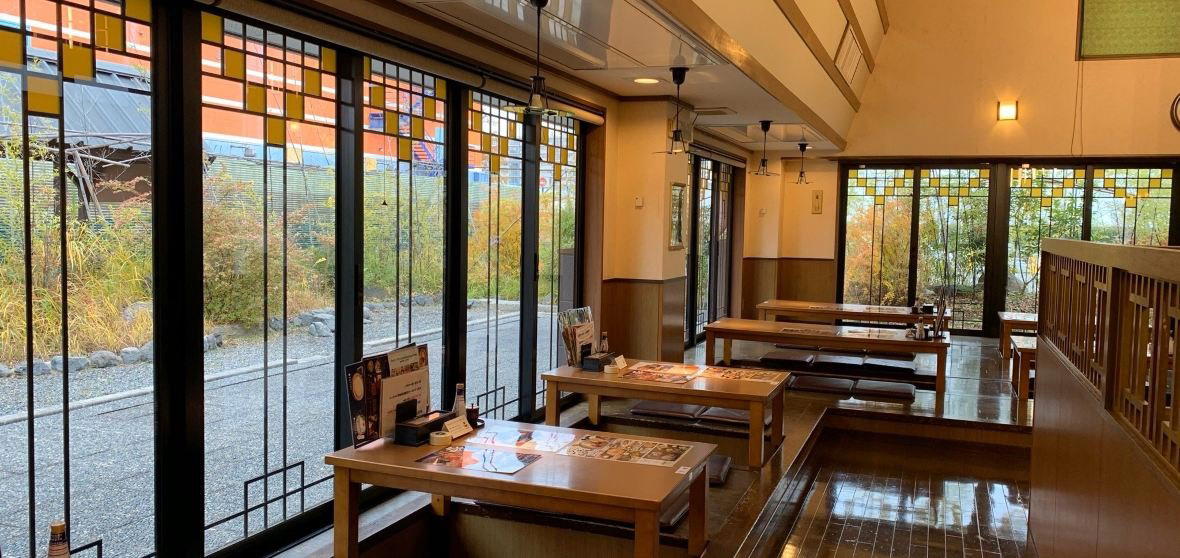
Bars in Nara
Browse all →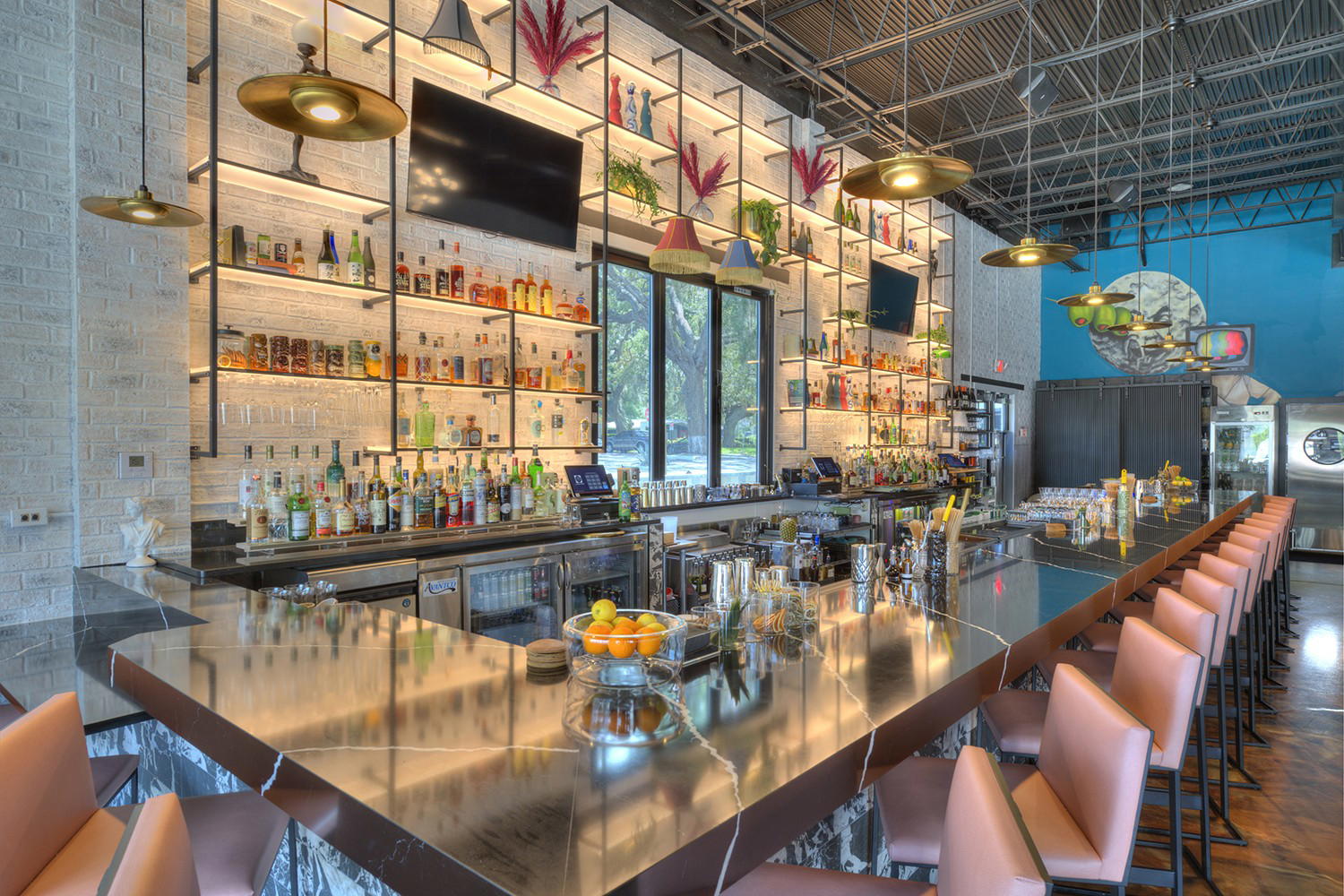
Hotels in Nara
Browse all →


Wineries in Nara
Browse all →
At a Glance
- Special Occasion
- Sake Program
Current opening hours
- Monday
- 11 AM–9:30 PM
- Tuesday
- 1–9:30 PM
- Wednesday
- Closed
- Thursday
- 11 AM–9:30 PM
- Friday
- 11 AM–9:30 PM
- Saturday
- 11 AM–9:30 PM
- Sunday
- 11 AM–9:30 PM
Hours can change for holidays and private events. Last verified .
Traditional Japanese