
TOKO holds a Michelin Plate recognition (2025) and sits among a small group of modern cuisine addresses drawing serious attention to Tartu's dining scene. Located on Vabaduse pst in the city centre, it operates at the mid-range price point where the city's most considered cooking tends to cluster.
Pearl is the En Primeur Club membership app — saves, bookings, and concierge access live there. Same editors, same standards.
- Address
- Vabaduse pst 1c, 51004 Tartu, Estonia
- Phone
- +372 5199 0629
- Website
- tokoresto.ee
- Directions
- Get directions
 Saves & bookings on Pearl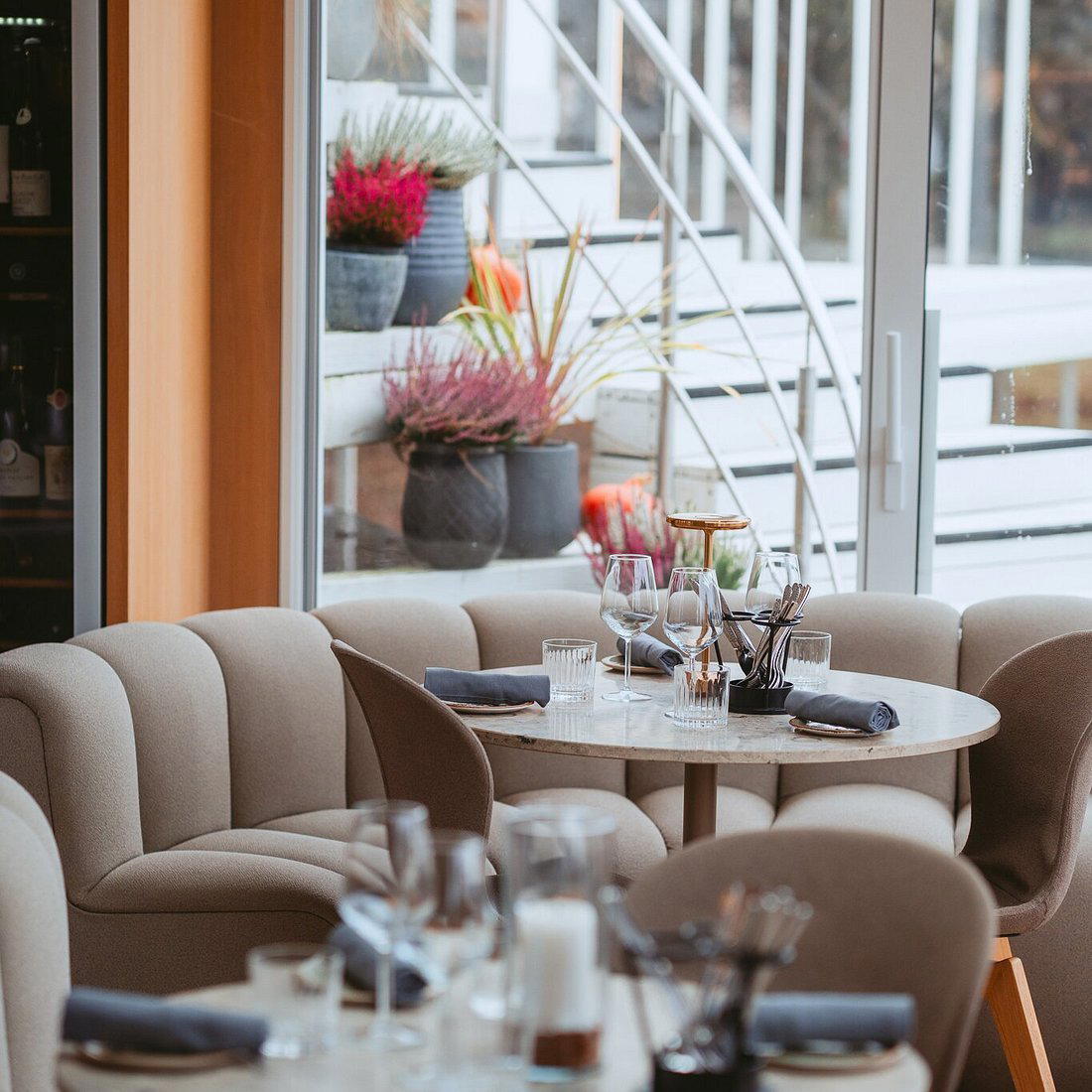
Where Tartu Sets the Table
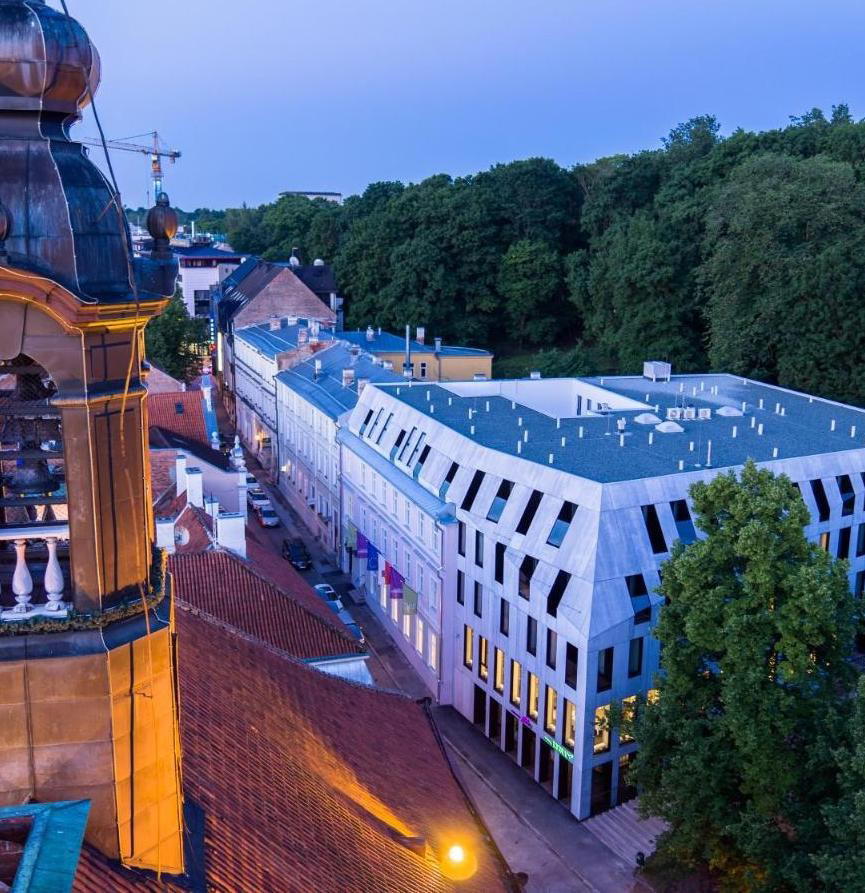
Vabaduse pst, the broad boulevard that anchors Tartu's civic identity, is not where you expect to find a kitchen earning Michelin attention. The street runs past government buildings and the city's symbolic squares, its scale suggesting ceremony over intimacy. Yet that address has become a useful signal for how Tartu's dining scene has developed: serious cooking has moved into spaces that feel embedded in the city rather than set apart from it, and TOKO at Vabaduse pst 1c follows that logic. The approach, from a main artery rather than a tucked-away courtyard, makes the restaurant part of everyday urban movement in a way that shapes the room's atmosphere before a dish arrives.
The Ritual of a Modern Cuisine Meal in Tartu
Modern cuisine in the Baltic context carries specific expectations about pacing. The format that has taken hold across Estonia's more considered restaurants tends toward a structured progression: smaller courses that accumulate rather than punctuate, a kitchen that signals its intentions early and follows through methodically. This is the dining grammar that Michelin's inspection culture rewards at the Plate level, where the recognition goes not to singular dishes but to the coherence of the meal as a sequence. TOKO's 2025 Michelin Plate places it within this frame, confirming that the kitchen operates with the kind of consistency and technical intent that warrants a return visit rather than a single occasion.
What the Plate designation does not indicate is spectacle. At this tier of the Estonian dining scene, the ritual is quieter than at the starred establishments. There are no elaborate tableside preparations, no ceremonies around a single ingredient. The meal moves at a pace the kitchen controls, and the discipline of that pacing is itself the statement. Comparable kitchens at the €€ price range across Estonia, including Fellin in Viljandi, have found that a tighter, more deliberate format at accessible price points reaches a broader audience than tasting menus priced for special occasions. TOKO operates in that same register: the seriousness is present, but the barrier to entry is not.
Where TOKO Sits in the Tartu comparable set
Tartu has a smaller dining scene than Tallinn but a more compressed one, which means the distance between a casual dinner and a Michelin-acknowledged meal is narrower here than in the capital. Hõlm and Joyce occupy the same city, each working within their own interpretation of what considered cooking means in a mid-sized Estonian city. The category of modern cuisine at the €€ price point is where Tartu's dining identity is currently being defined, and TOKO's Plate recognition gives it a specific position within that conversation: it is the kitchen in the city with the clearest external validation at this price level.
Against the wider Estonian picture, the gap between TOKO's €€ positioning and the €€€€ tier occupied by places like Alexander in Pädaste or 180° by Matthias Diether in Tallinn is meaningful. Those restaurants operate in a different competitive set, one where the investment per cover funds extended tasting formats, significant wine programs, and the overhead of destination dining. TOKO belongs to a different and more interesting tier: the kitchen that earns recognition without requiring the reader to plan a special occasion around it. That score, at that volume, reflects consistent delivery rather than occasional brilliance.
The same pattern appears in how rural and small-city Estonian kitchens have built reputations outside the capital. Hiis in Manniva, SOO in Maidla, and Kolm Sõsarat in Lüllemäe each draw on place and locality as their primary editorial argument. TOKO's argument is urban: it is a city restaurant making the case that Tartu can sustain serious cooking at everyday prices, which is a different and equally valid proposition. Within Scandinavia and the Baltics more broadly, this mode has precedent: Frantzén in Stockholm sits at the extreme of the fine dining register, while more accessible expressions of modern Nordic cooking have consistently found audiences at lower price points.
The Etiquette of Eating Here
Dining at a Michelin Plate restaurant at the €€ price range creates a particular social contract. The kitchen is working seriously; the expectation on the other side of the pass is that the diner engages with what arrives rather than treating the meal as a backdrop. This is not a room for a business lunch conducted across laptops, nor is it a place where half the table orders separately and eats at different times. The meal has a structure, and the experience is better when both sides of that exchange honor it.
This matters more in Tartu than in Tallinn because the dining room is likely smaller in social distance as well as physical scale. Estonia's second city operates with a different social texture than the capital: the university population, the research institutions, and the more compressed civic life mean that restaurant rooms here feel more like community spaces and less like stages for performance dining. That texture tends to make meals feel less formal than their price or recognition level might suggest elsewhere. The Michelin framework applies the same standards regardless, but the experience of sitting inside it in Tartu carries a different register than the equivalent meal in a capital-city context.
Planning a Visit
TOKO is located at Vabaduse pst 1c in central Tartu, within walking distance of the main commercial and cultural areas of the city. The €€ price range positions it as an accessible option by European fine dining standards, and Checking availability in advance is prudent, particularly during the university calendar periods when Tartu sees higher visitor numbers.
What It’s Closest To
Comparable venues nearby, for context on price, style, and recognition.
| Venue | Cuisine | Price | Awards | Notes |
|---|---|---|---|---|
| TOKOThis venue — the venue you are viewing | Modern Fine Dining | $$$ | Michelin Plate | Not listed |
| Kampus | Modern Fusion Multi-Concept | $$ | Not listed | Old Town |
| Sinimandria | Modern Nordic Bakery & Restaurant | $$$ | Not listed | Tartu linn |
| Vilde Ja Vine | European Wine-Focused Bistro | $$ | Not listed | City Centre |
| Hõlm | Modern European Fine Dining | $$$ | Michelin Plate | Tartu city center |
| Kolm Tilli | Global Street Food & Neapolitan Pizza | $$ | Not listed | Aparaaditehas |
Recognition history
Dated appearances from independent guides and award organizations, with the underlying list record or original source where available.
Michelin Plate
Michelin
Michelin Plate
Michelin
At a Glance
- Cozy
- Elegant
- Modern
- Romantic
- Date Night
- Special Occasion
- Group Dining
- Celebration
- Waterfront
- Terrace
- Open Kitchen
- Extensive Wine List
- Craft Cocktails
- Waterfront
- Street Scene
Current opening hours
- Monday
- 12–11 PM
- Tuesday
- 12–11 PM
- Wednesday
- 12–11 PM
- Thursday
- 12–11 PM
- Friday
- 12 PM–12 AM
- Saturday
- 12 PM–12 AM
- Sunday
- 12–11 PM
Hours can change for holidays and private events. Last verified .
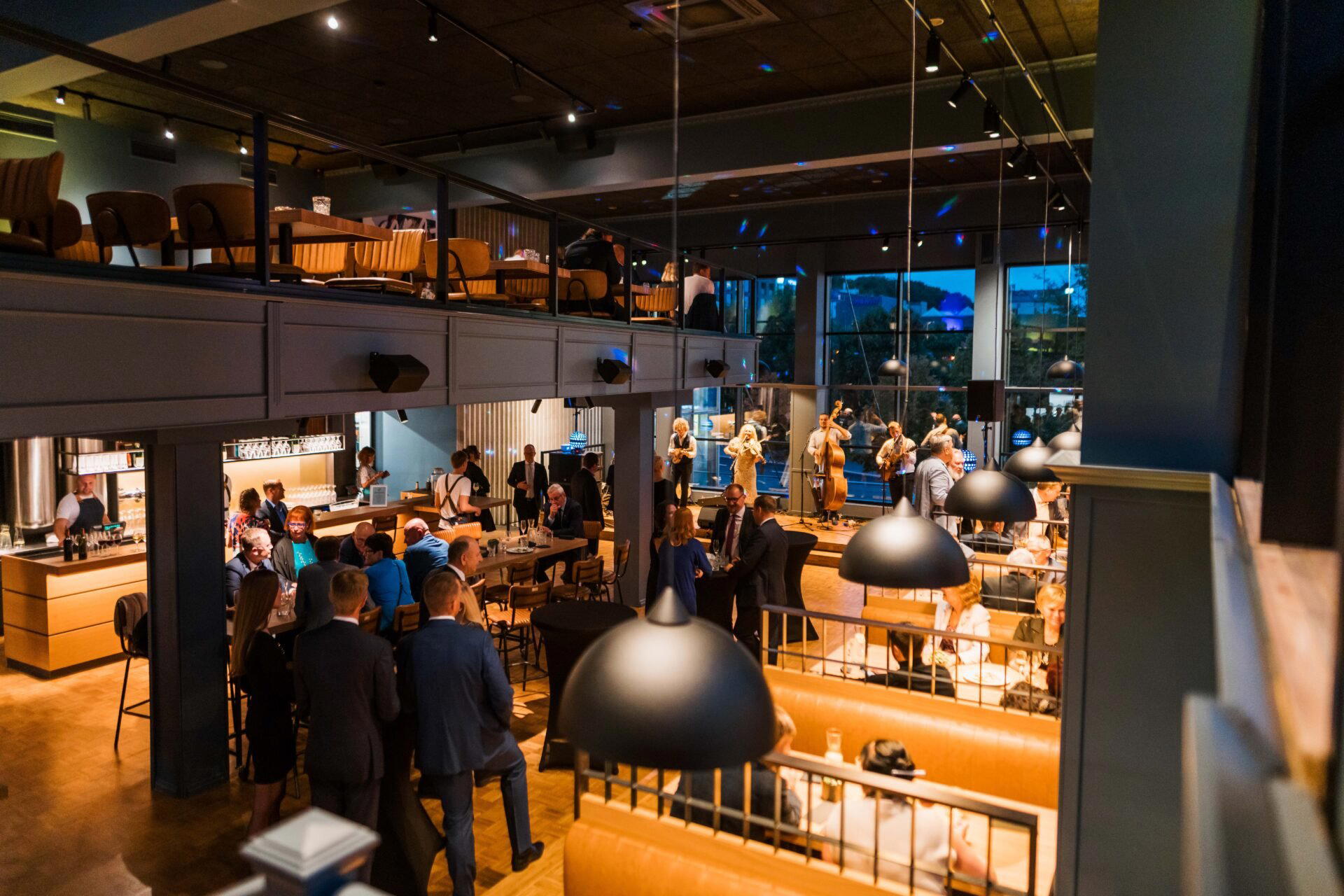
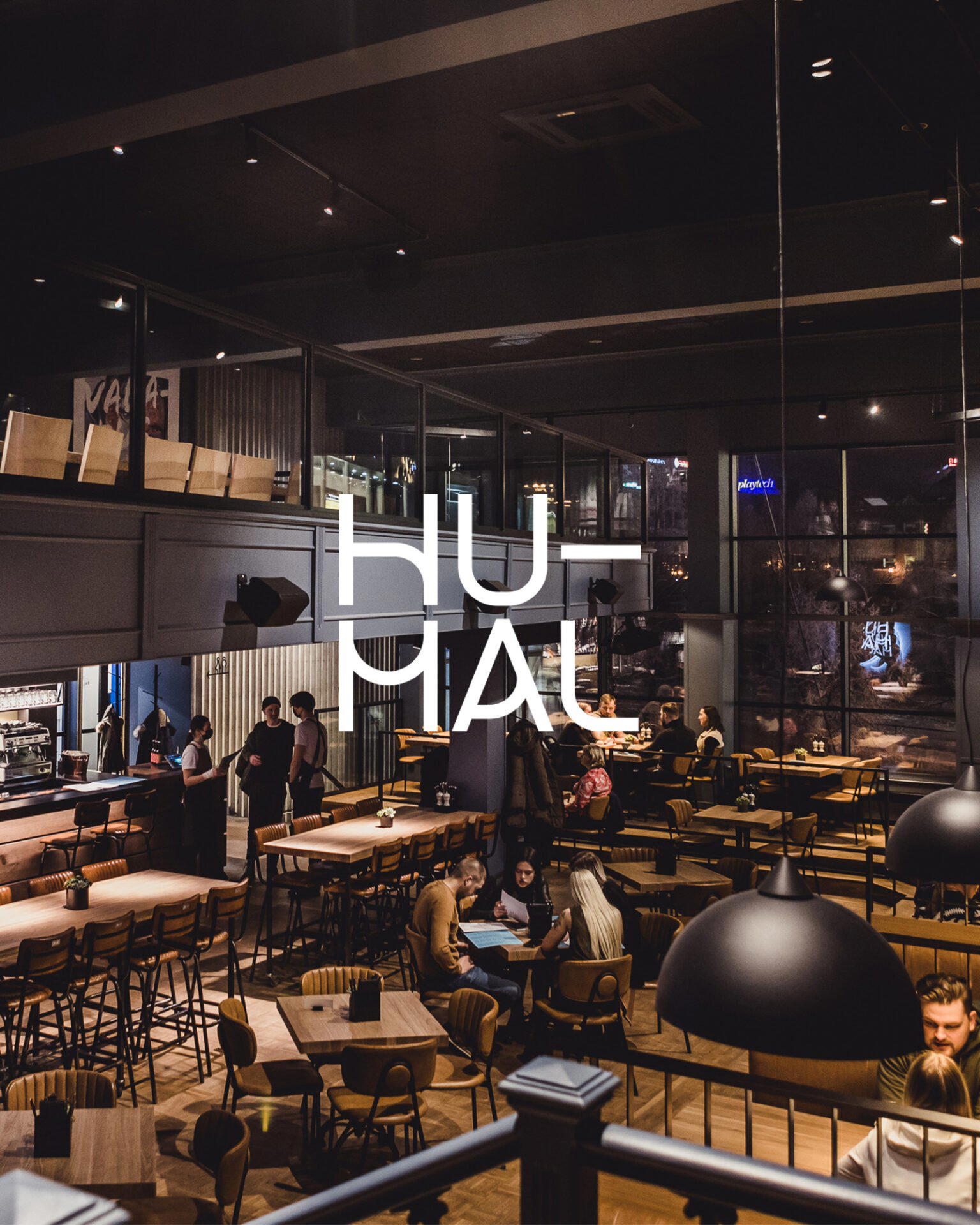
Cozy year-round interior with warm lighting, stylish design, and a casual yet refined atmosphere enhanced by summer terrace views.