
kamos brings pizza, Italian cooking, and pasta into Shodoshima’s slower island rhythm, with Tabelog Pizza 100 selection in 2025 giving it a clear quality signal beyond ordinary tourist dining. The appeal is not spectacle, but the fit between a casual lunch format, local travel patterns, and a price band that keeps the meal grounded.
Pearl is the En Primeur Club membership app — saves, bookings, and concierge access live there. Same editors, same standards.
- Address
- 香川県小豆郡土庄町甲吉ヶ浦6190-80
- Phone
- +81879628731
- Website
- tabelog.com
 Saves & bookings on Pearl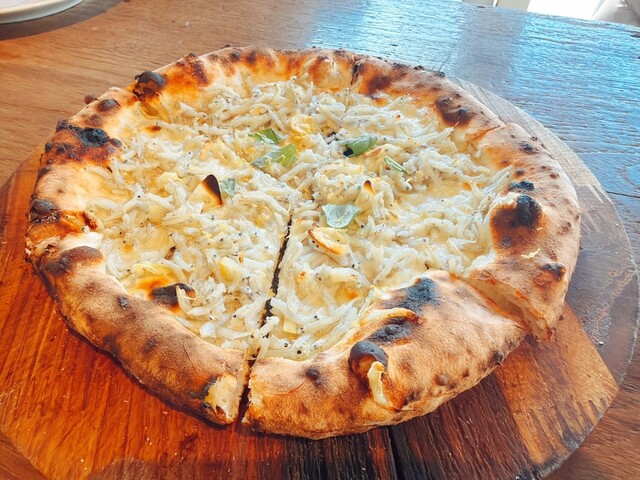
Approaching lunch on Shodoshima changes the way pizza reads. The island is better known for olives, soy sauce, sea air, and ferry-timed itineraries than for Neapolitan-style competition, which makes a serious pizza address in Shozu-gun more interesting than another urban counter chasing heat and queue culture. Here, the category sits inside a different rhythm: daytime eating, rural Kagawa movement, and a food culture where wheat, fermentation, and coastal agriculture already carry weight.
kamos belongs to that small Japanese group of pizza restaurants whose reputation comes from craft rather than city glamour. Its selection for Tabelog Pizza 100 in 2025 matters because the list is category-specific, not a general popularity badge. In a country where pizza has become a serious independent discipline, that recognition places a Shozu-gun address into a national conversation usually dominated by denser dining markets.
Island pizza makes sense when the sourcing conversation is wider than Naples
Japanese pizza has spent the last two decades moving beyond imitation. The stronger rooms treat dough, oven work, dairy, vegetables, cured ingredients, and restraint as separate decisions rather than a single imported formula. On Shodoshima, that argument lands neatly. The island’s culinary identity is tied to ingredient production and fermentation, so pizza becomes less foreign than it first appears: flour, oil, salinity, smoke, and acidity all have local logic even when the cooking vocabulary points toward Italy.
The menu frame is concise in public-facing terms: pizza, Italian, and pasta. That matters. A restaurant trying to satisfy every island visitor would usually spread itself across café plates, desserts, and safe Western dishes. This narrower identity suggests a kitchen built around dough and related Italian formats, with pasta functioning as a companion rather than a distraction. The price tier, JPY 2,000 to JPY 2,999, also keeps the meal in the realm of considered casual dining rather than special-occasion theater.
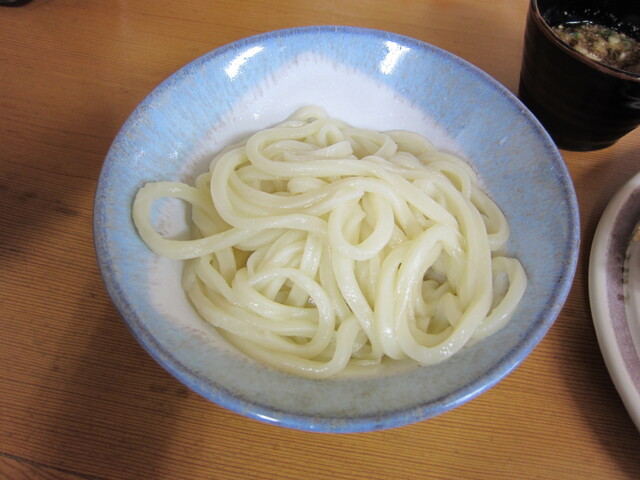
For readers comparing regional Japan dining, the reference point should not be Tokyo pizza counters with longer reservation lead times and heavier ceremony. A closer comparison is the way Kagawa’s food map already treats humble formats seriously. Udon addresses such as Udon Honjin Yamada Ya Sanuki honten, Oudon Setobare, and Zaigoudon Honke Waraya show how inexpensive wheat-based cooking can carry regional authority. Pizza at this level is different in technique, but similar in its refusal to equate informality with carelessness.
Why the recognition matters in a rural Kagawa context
Tabelog’s Pizza 100 selection gives kamos a trust signal that casual island restaurants rarely receive. The useful reading is not that awards make a meal grander; it is that a category list can reveal where craft is happening outside obvious restaurant districts. Shozu-gun does not have the density of Osaka, Tokyo, or Kyoto, so a recognized pizza restaurant here changes the travel calculation. Lunch can become part of the island’s food itinerary rather than a pause between ferries, olive groves, and coastline.
The setting also changes expectations around service style. This is not a tasting-menu room and should not be judged by the grammar of fine dining. Its strength sits in the more demanding casual category, where a short service window, no-smoking policy, reservations availability, and parking shape the experience as much as the plate. In rural Japan, those details are not minor. They determine whether a restaurant works for travelers moving by car, families timing a day out, or diners linking lunch with a wider Shodoshima route.
Payment is part of that practical culture. With cards, electronic money, and QR payments not accepted, the meal belongs to a Japan that still runs on cash in smaller communities. That can feel inconvenient to visitors used to urban payment systems, but it is also a useful signal: this is not a frictionless hotel-dining environment. It is a local restaurant operating in a specific island economy, and planning should match that reality.
How to place it in a Shozu-gun food itinerary
The editorial case for kamos is strongest at lunch, when Shodoshima’s geography rewards a clear plan. The restaurant’s public hours run across midday service on most days, with Monday marked closed, so it fits better as a central stop than as an improvised dinner fallback. Reservations are available, which is sensible for a recognized specialist in a low-density area where detours take time.
Use it as the Italian counterpoint to Kagawa’s better-known noodle culture. A visitor building a broader route through the region may look first to udon, but pizza here adds a different reading of local appetite: still casual, still wheat-based, but more tied to oven craft and ingredient assembly. That makes it useful for families, mixed groups, and travelers who want a meal with national recognition without committing to a long-form dining room.
For broader planning around the area, see Our full Shozu-gun restaurants guide, Our full Shozu-gun hotels guide, Our full Shozu-gun bars guide, Our full Shozu-gun wineries guide, and Our full Shozu-gun experiences guide. Readers comparing Japanese casual dining formats can also look at -Grilled beef Sukiyaki- KAMAKURA TANUKIAN 鎌倉 たぬき庵 in Kamakura, . 鮪と炭火焼き うお炭 秋葉原店 in Tokyo, .cafe in Osaka, .know in Kumamoto, (Shoku) Vietnam in Kawasaki, [Curry Senmon Ten] Maruyama Kyoju. in Sapporo, [ki:] in Kyoto, #肉といえば松田 奈良本店 in Kashihara, 1/3 HAMBURGER FACTORY in Kanazawa, 1000 in Yokohama, 1000mヒュッテ 1000m Hut in Kutchan, Jōdo Saké Bar in Los Angeles, and Onigiri Time in Pasadena.
A Quick Peer Check
Comparable venues by cuisine and price in the same metro.
| Venue | Cuisine | Price | Notes |
|---|---|---|---|
| kamosThis venue — the venue you are viewing | Pizza / Italian | $$ | Not listed |
| 九十九 | Italian Wood-Fired Pizza & Craft Beer | $$ | 白浜町 |
| 400℃ Pizza | Neapolitan Pizza | $$ | Kita Ward |
| Mr. Maurice’s Italian | Modern American-Style Italian Osteria | $$ | 中京区 |
| Dal Brigante | Traditional Italian Pizzeria | $$ | Fukushima |
| Trattoria da giacomo | Italian Trattoria | $$ | Fukushima |
Recognition history
Dated appearances from independent guides and award organizations, with the underlying list record or original source where available.
Tabelog 100 #68 · No. 68
Tabelog · Tabelog 100 - Pizza - 2025
Continue exploring
More in Shozu-gun
Restaurants in Shozu-gun
Browse all →
At a Glance
- Cozy
- Rustic
- Scenic
- Casual Hangout
- Solo
- Family
- Standalone
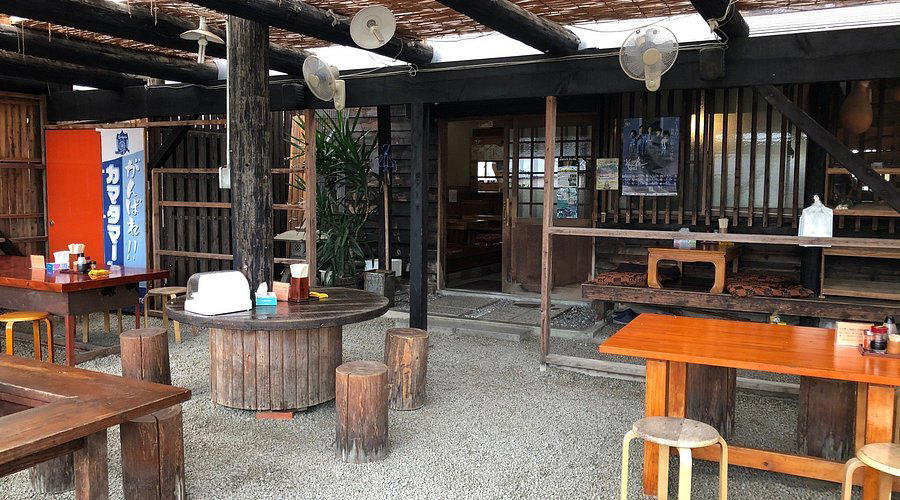
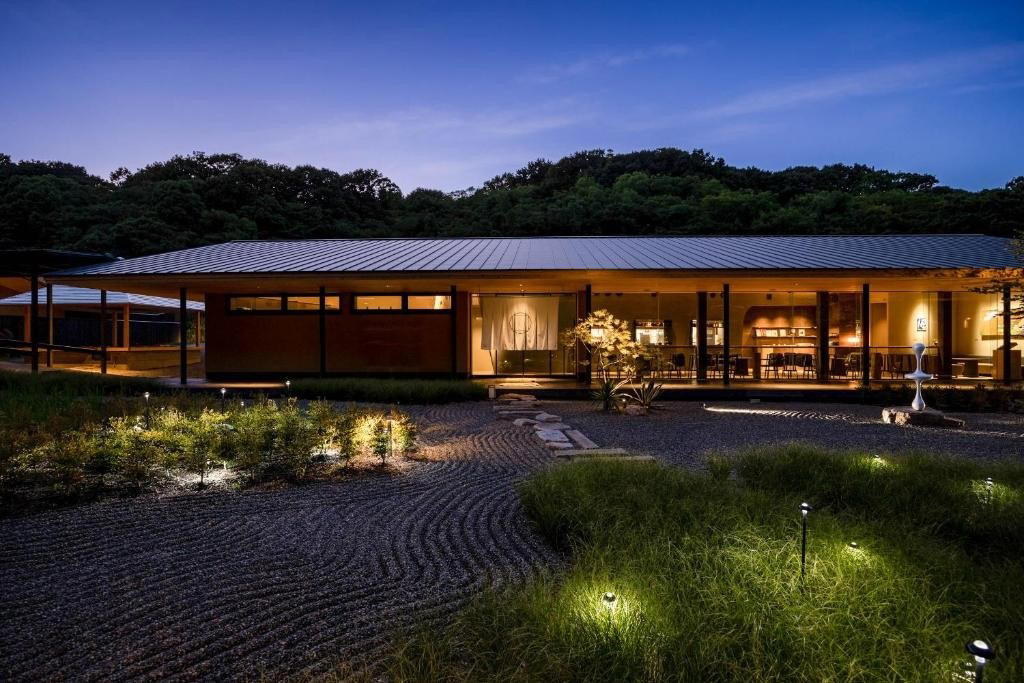
A casual, destination-style island restaurant with a simple, unpretentious atmosphere implied by its pizza- and pasta-focused format and modest daytime-only hours.