Kami Tsubaki

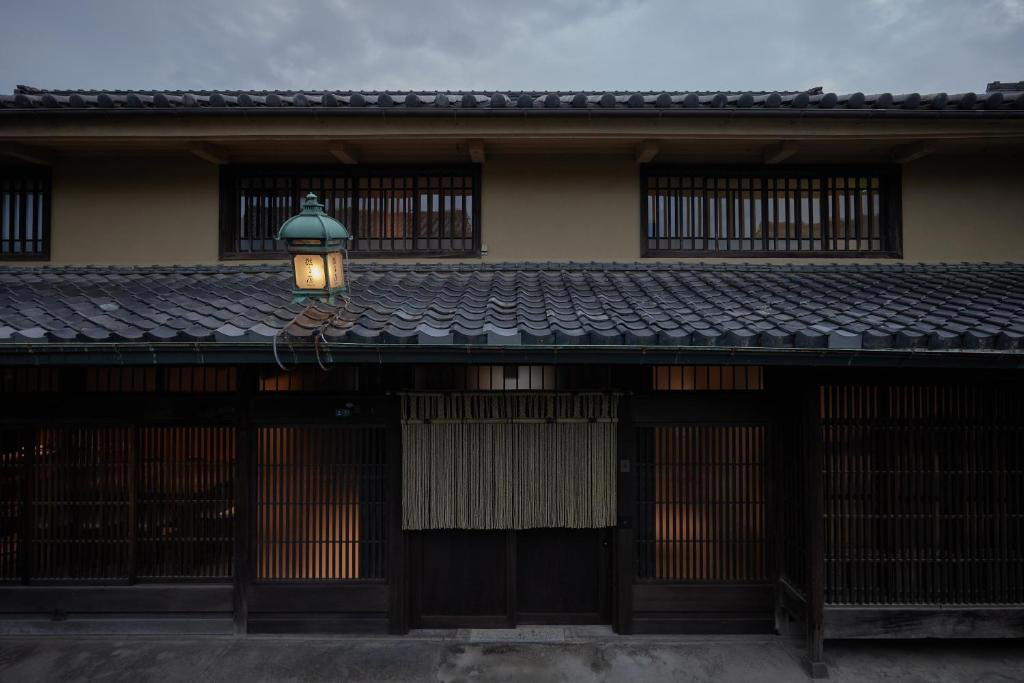
Kami Tsubaki gives Kotohira’s café culture a shrine-ground setting rather than a shopping-street one, with Kagawa produce and Japanese-Western café cooking framed by the forested approach to Konpira Shrine. Its 2025 Tabelog 100 Cafe WEST selection places it in a serious regional café conversation, but the appeal is broader: a pause point where pilgrimage, sweets, yoshoku, and local sourcing overlap.
Pearl is the En Primeur Club membership app — saves, bookings, and concierge access live there. Same editors, same standards.
- Address
- 892-1, Kotohira, Nakatado District, Kagawa 766-0001, Japan
- Phone
- +81 877-73-0202
- Website
- kamitsubaki.com
- Directions
- Get directions
 Saves & bookings on Pearl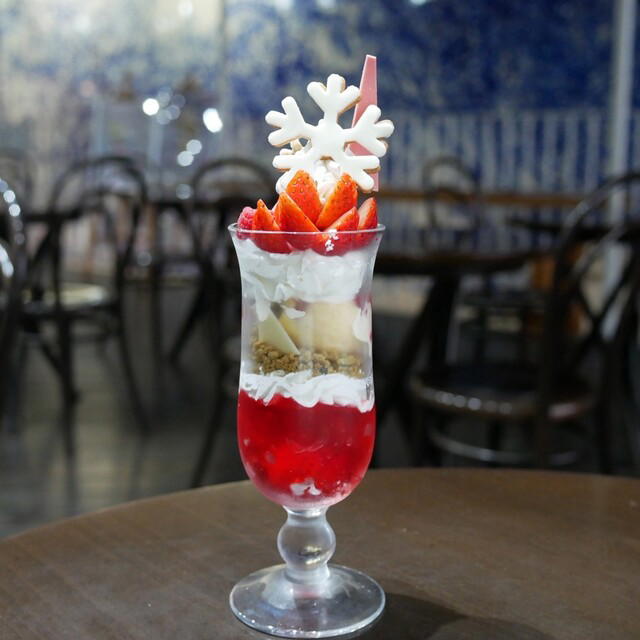
The climb-and-pause rhythm of a visit to nakatadogunkotohirachou changes the usual café calculus. Here, appetite is shaped less by a station-front lunch rush than by the slower movement of travelers through town. Kami Tsubaki belongs to that setting: a café and restaurant whose meal reads as part of the local day rather than a detour from it.
That matters in Kagawa, a prefecture often reduced by visitors to sanuki udon. Udon remains the region’s daily grammar, and local casual addresses such as Hiraoka Seiniku Ten sit in a straightforward local-food bracket. Kami Tsubaki works differently. Its Tabelog Hyakumeiten recognition in 2025 places it within a selected café field, while its listed categories fold together café service, kissa references, and yoshoku, Japan’s long-running interpretation of Western cooking. The result is not simply a town snack stop with scenery attached; it is a useful lens on how regional cafés can become serious dining rooms without abandoning daytime accessibility.
Kagawa context gives the café format its point
The restaurant side is best understood through its regional context rather than through a single signature dish. In this part of Shikoku, Kagawa’s food identity is compact and closely tied to everyday eating, with local meals shaped by practical rhythms as much as by destination dining. Kami Tsubaki’s appeal is that it lets a café-restaurant behave less like a fixed tourist facility and more like a regional room responding to the way people actually spend a day in nakatadogunkotohirachou.
The café side carries a different role. Sweets, coffee-shop rhythms, and light meals fit the timing of a local outing, especially for travelers who do not want a formal meal at every stop. That breadth gives the venue a dual identity: daytime rest point for families and visitors, and a more composed restaurant setting for those who want something beyond the quickest local bite.
Japanese café culture has always been more elastic than the English word suggests. A kissa can be a breakfast counter, a cake room, a quiet reading room, or a yoshoku dining room depending on the city and era. In nakatadogunkotohirachou, the category absorbs the town setting. Kami Tsubaki’s Tabelog Hyakumeiten recognition is useful because it recognizes that western Japan’s café scene is not only about latte technique or design-led city addresses; it also includes regional rooms where location, pacing, and everyday food culture carry equal weight.
A flexible venue, but not a generic stop on the approach
Format changes the experience, but it does not need to make the restaurant feel generic. Kami Tsubaki is better read as a venue suited to the practical demands of a popular local day out: people arrive with different plans, weather changes the pace, and meal timing can cluster around the same late-morning and early-afternoon windows. Flexibility here is not a lack of seriousness; it is part of the operational answer to a town where visitors may want either a short café pause or a more settled meal.
The setting is the clearest example of how the format is driven by the day around it. In comfortable weather, the appeal is in the pause as much as in the plate; in hotter, colder, or wetter conditions, the room’s purpose shifts back toward shelter and reset. The better decision is to treat the place as part of the day’s pacing, not as a destination isolated from the rest of nakatadogunkotohirachou.
There is also a useful distinction between café and restaurant expectations. Some visitors will use Kami Tsubaki casually, while others will approach it as a more deliberate meal within the café, kissa, and yoshoku spectrum. For a town where many travelers arrive with timing already shaped by sightseeing, that flexibility is practical: quick callers can keep the visit light, while those building a more food-focused day can give the restaurant more space in the itinerary.
Where it fits in a nakatadogunkotohirachou food day
nakatadogunkotohirachou rewards sequencing. Udon and simple local snacks cover the low-cost, quick-turn side of the day; café dining covers the slower interval when the setting should shape the meal. With a listed price band of JPY 1,000 - JPY 1,999, Kami Tsubaki remains accessible while occupying a more composed category than the fastest casual stops. That comparison is the point: not every meal in nakatadogunkotohirachou needs to be chased as a bargain, especially when the room changes what the meal is doing.
For travelers building a local itinerary, the broader guides are useful for separating categories rather than forcing one list to do every job: see our full nakatadogunkotohirachou restaurants guide, our full nakatadogunkotohirachou hotels guide, our full nakatadogunkotohirachou bars guide, our full nakatadogunkotohirachou wineries guide, and our full nakatadogunkotohirachou experiences guide. Readers comparing Japan’s wider casual and café spectrum can also place it beside other dining rooms in larger Japanese cities, but Kami Tsubaki is most useful when judged against its own local brief rather than against unrelated urban café formats. For international travelers, it also shows how Japanese café, kissa, and comfort-food categories can feel very different when they remain rooted in a regional town context.
The editorial read is clear: Kami Tsubaki is strongest when treated as a Kagawa-context meal attached to a nakatadogunkotohirachou day, not as a generic café stop. Its 2025 Tabelog Hyakumeiten recognition, accessible price band, and café-kissa-yoshoku identity make it a smart choice for travelers who want the local food day to include something slower than udon and more regionally grounded than a simple view café.
Side-by-Side Snapshot
Comparable venues by cuisine and price in the same metro.
| Venue | Cuisine | Price | Notes |
|---|---|---|---|
| Kami Tsubaki | Japanese café and seasonal course dining | $$ | Kotohira |
| Hiraoka Seiniku Ten | Croquette & deep-fried deli takeout | $ | Kotohira Town, Nakatado District |
| Gyoza Las Vegas | Japanese Gyoza and Ramen | $$ | Hakuba-mura |
| 利尻らーめん味楽 | 利尻昆布ラーメン | $$ | 沓形 |
| Kayanoya (茅乃舎) | Dashi Oden Japanese | $$ | Roppongi |
| 栃生梅竹 | Traditional Saba Zushi | $$ | 朽木栃生 |
Recognition history
Dated appearances from independent guides and award organizations, with the underlying list record or original source where available.
Tabelog 100 #82 · No. 82
Tabelog · Tabelog 100 - Cafe - WEST - 2025
Continue exploring
More in nakatadogunkotohirachou
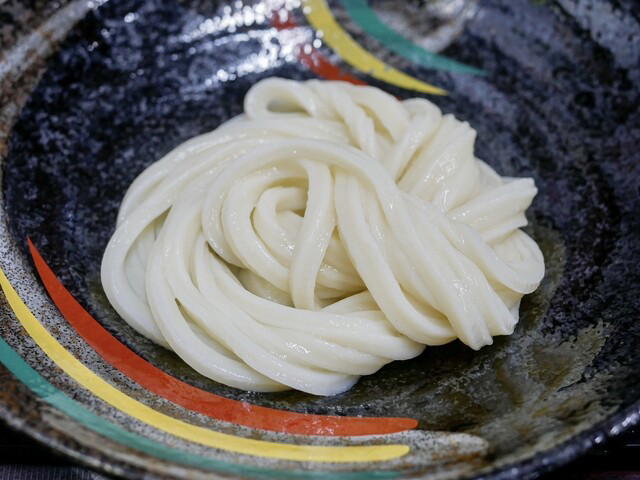
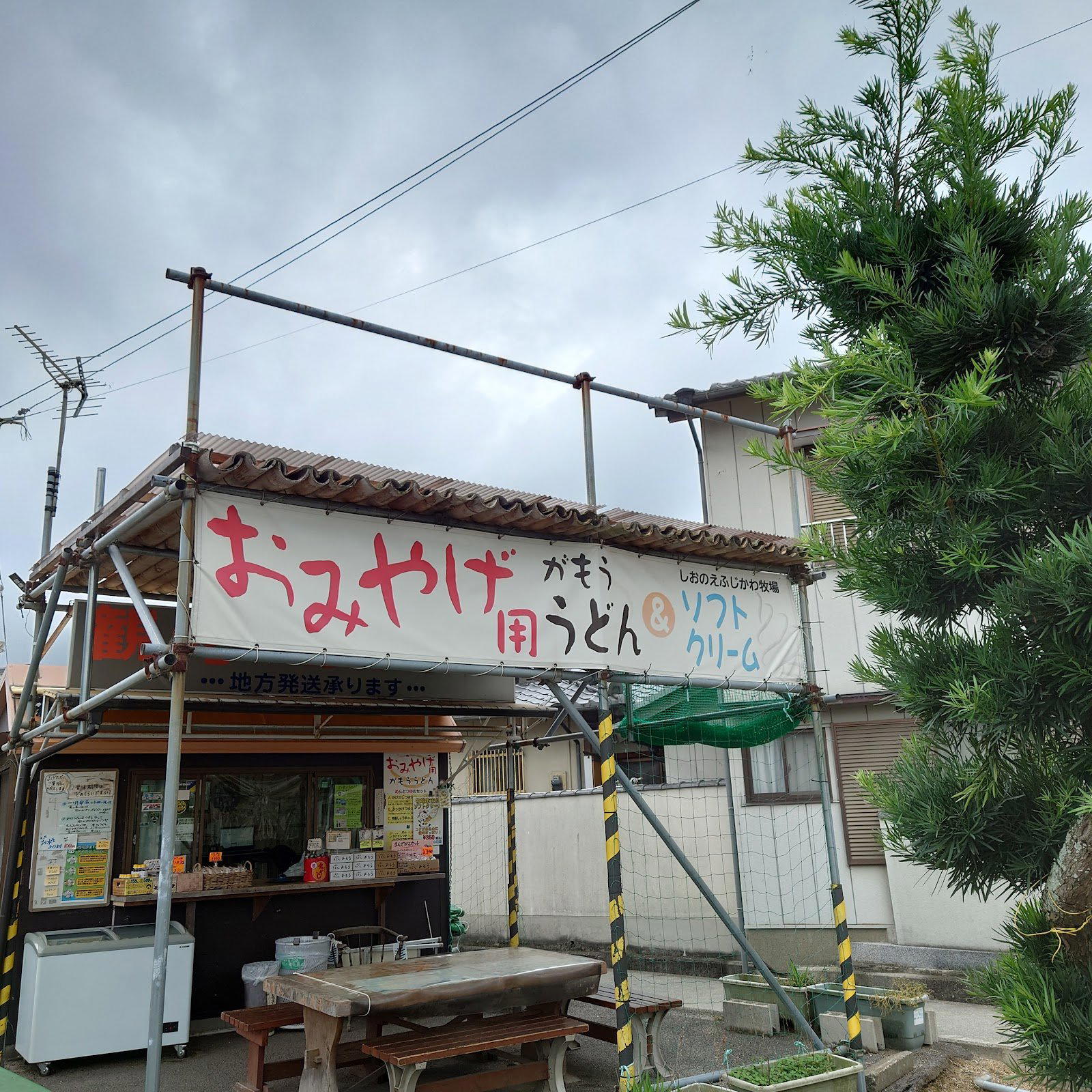
Restaurants in nakatadogunkotohirachou
Browse all →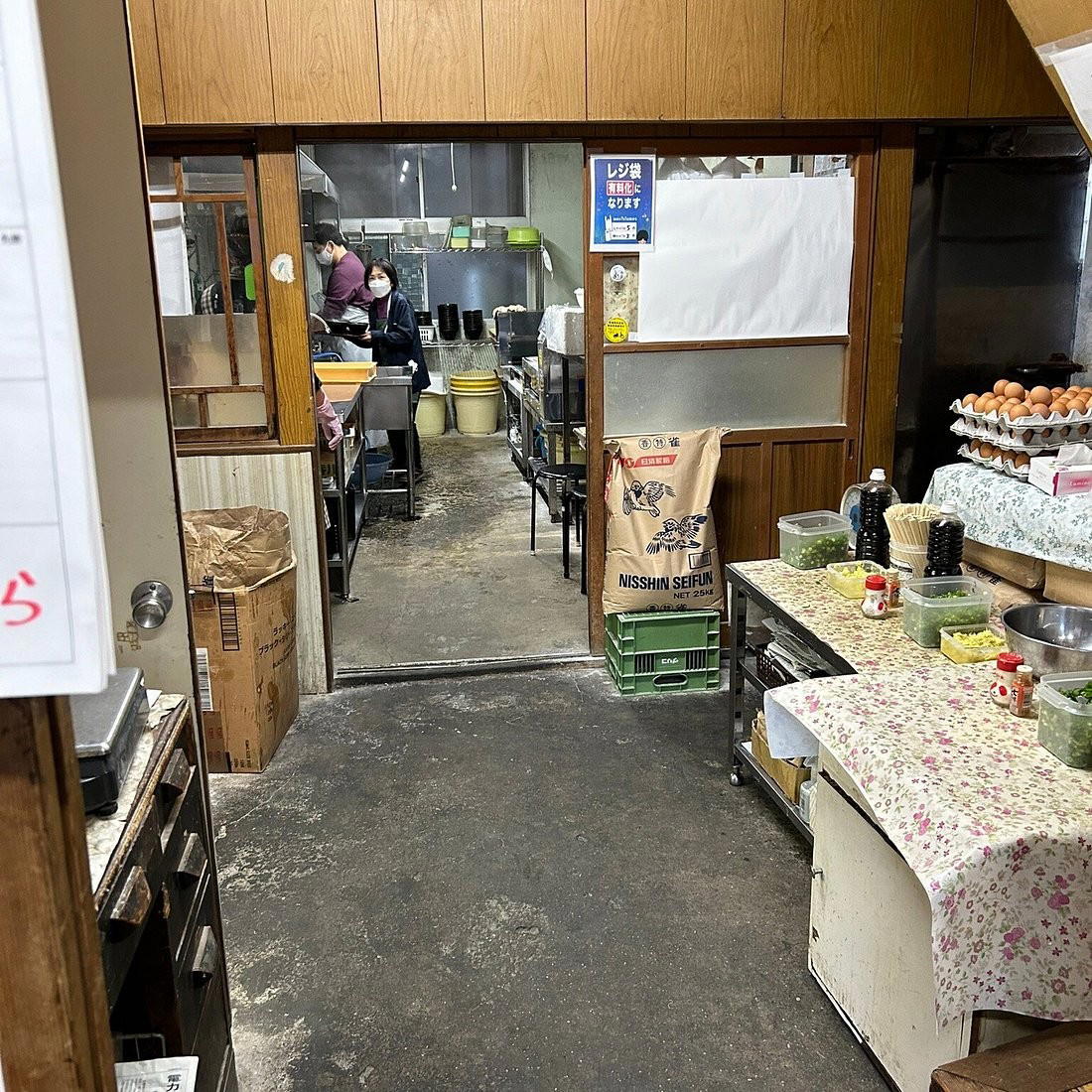
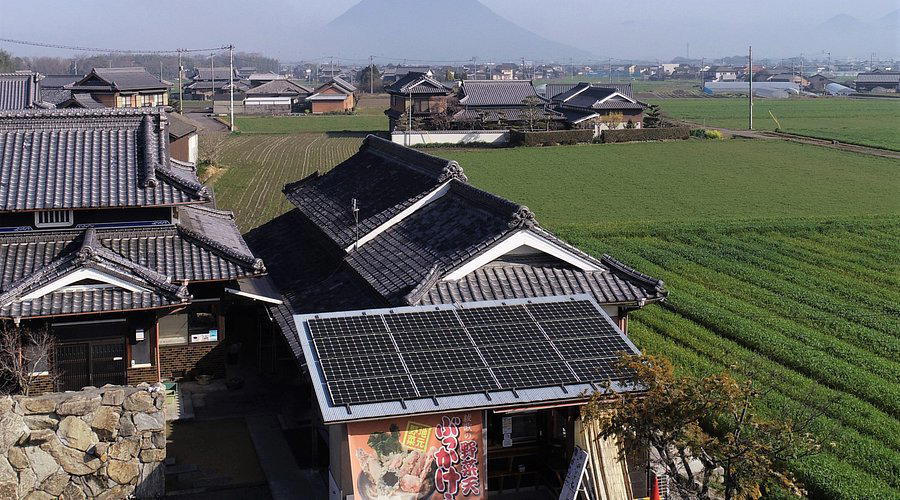
Bars in nakatadogunkotohirachou
Browse all →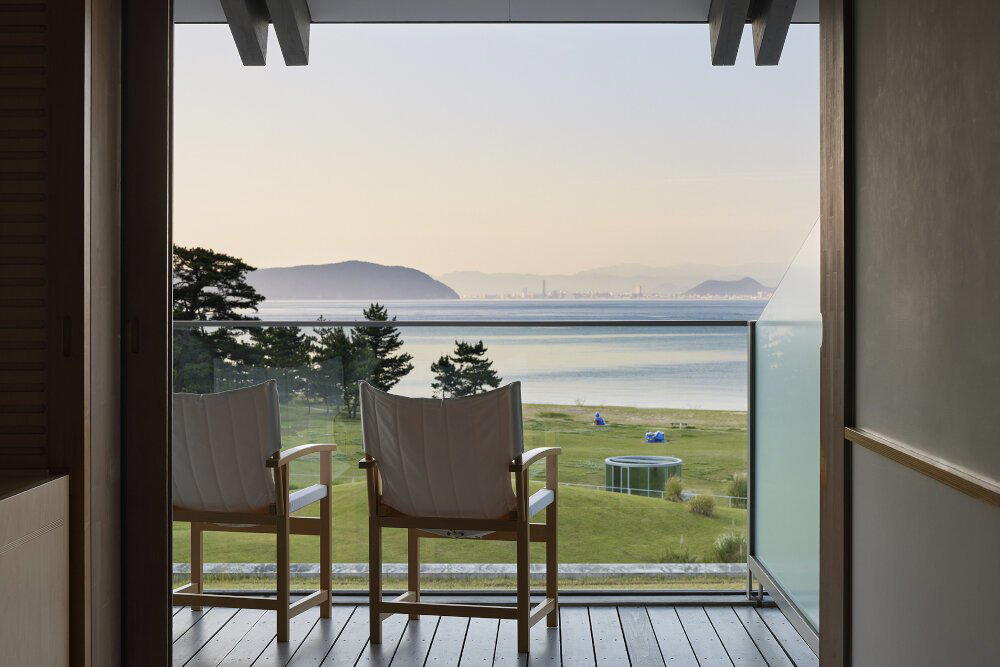
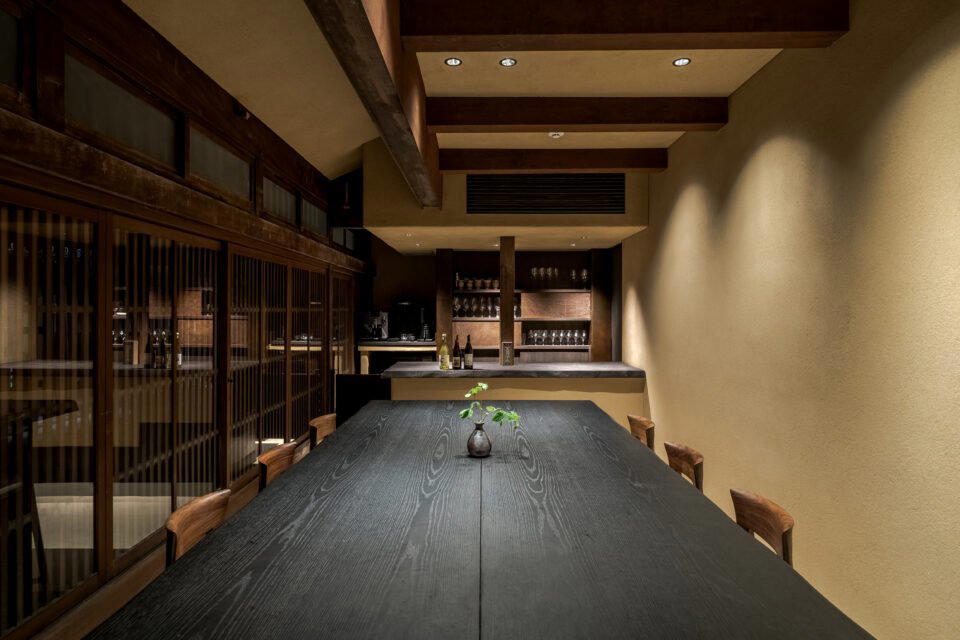
Hotels in nakatadogunkotohirachou
Browse all →
At a Glance
- Scenic
- Quiet
- Classic
- Cozy
- Family
- Group Dining
- Casual Hangout
- Special Occasion
- Garden
- Terrace
- Standalone
- Local Sourcing
- Garden
- Mountain
Current opening hours
- Monday
- 10 AM–4:30 PM
- Tuesday
- Closed
- Wednesday
- 10 AM–4:30 PM
- Thursday
- 10 AM–4:30 PM
- Friday
- 10 AM–4:30 PM
- Saturday
- 10 AM–4:30 PM
- Sunday
- 10 AM–4:30 PM
Hours can change for holidays and private events. Last verified .
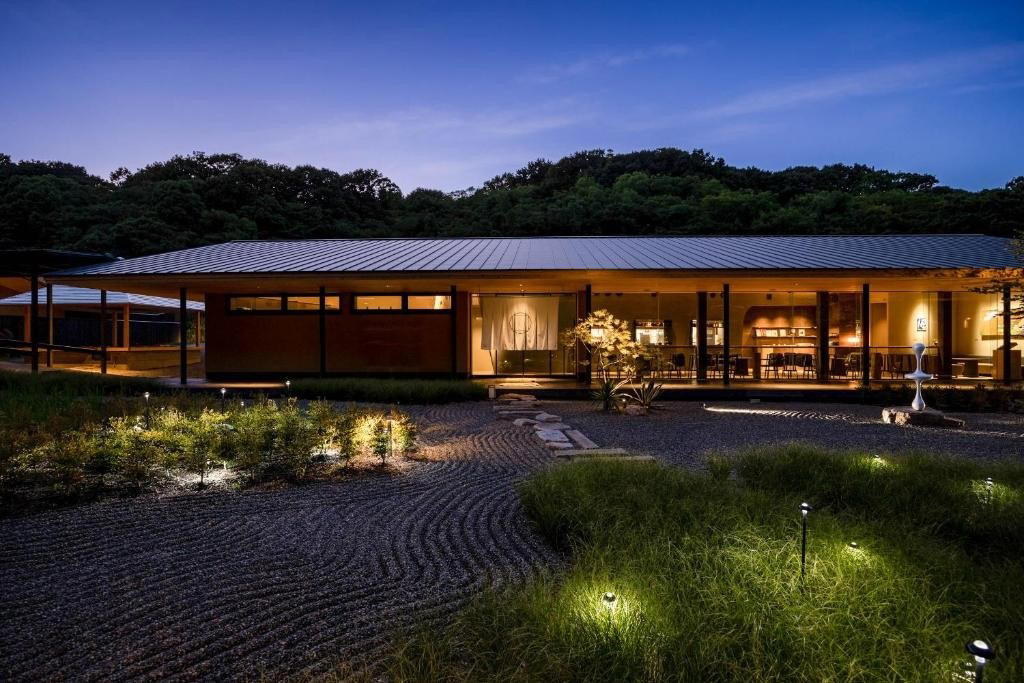
A tranquil, nature-immersed setting in the shrine forest with an open terrace in warmer months, creating a calm and scenic atmosphere.
Know Before You Go
- Reservations
- Recommended
- Dress code
- Casual
- Getting there
- 892-1, Kotohira, Nakatado District, Kagawa 766-0001, Japan