On Rua Espírito Santo in central Londrina, Barolo sits within a city whose dining culture has grown steadily more sophisticated as Paraná's agricultural wealth has translated into restaurant investment. The name signals Italian register in a region shaped by European settlement, placing it alongside a varied comparable set that spans Portuguese, Japanese, and Argentine-influenced kitchens across the city centre.
Pearl is the En Primeur Club membership app — saves, bookings, and concierge access live there. Same editors, same standards.
- Address
- R. Espírito Santo, 1450 - Centro, Londrina - PR, 86010-010, Brazil
- Phone
- +554333453131
- Website
- barololondrina.com.br
- Directions
- Get directions
 Saves & bookings on Pearl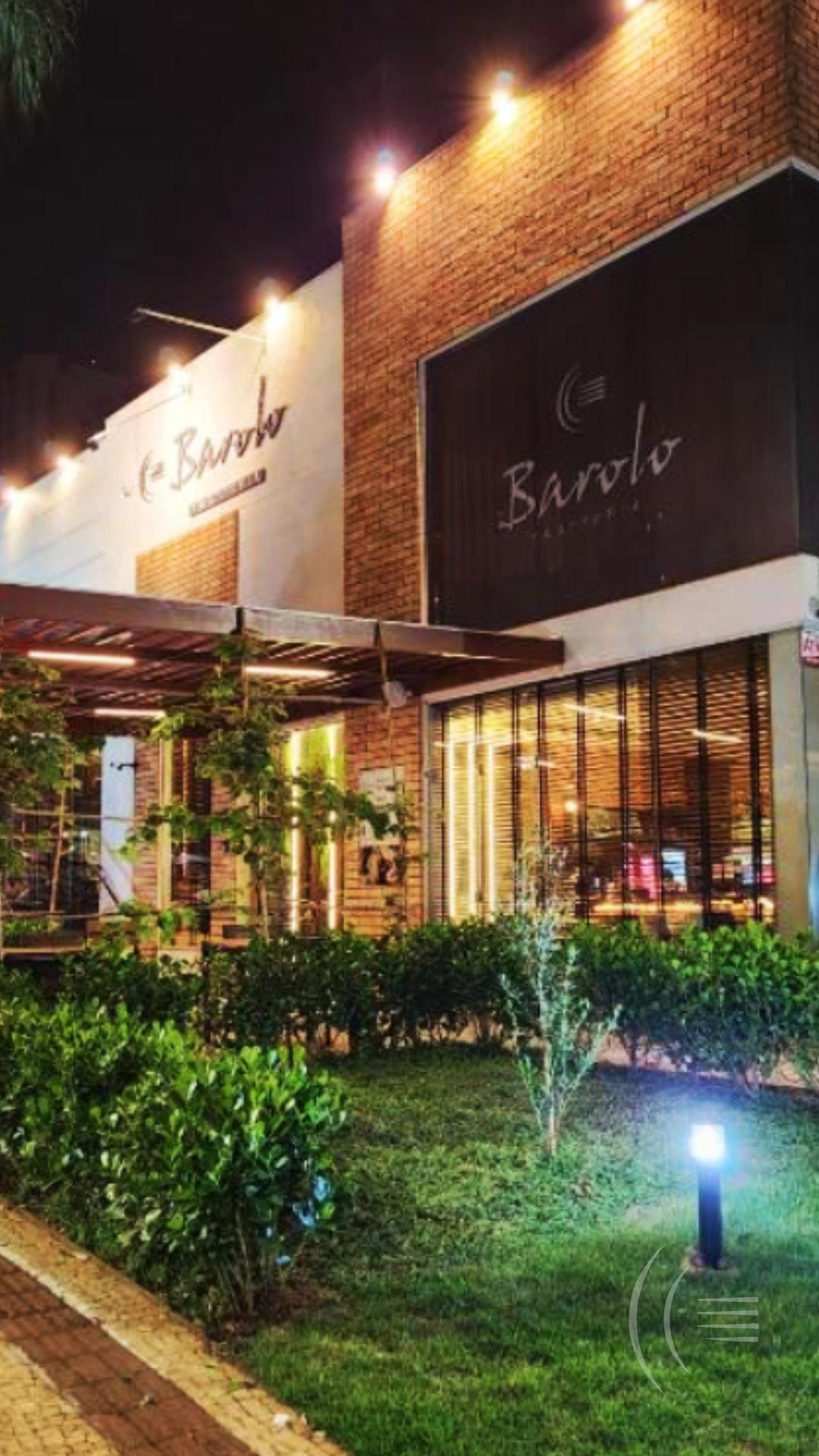
Where Londrina's European Dining Tradition Shows Its Hand
Central Londrina is a different kind of restaurant city than visitors from São Paulo or Curitiba typically expect. The dining streets around the Centro district reflect a settlement history dominated by Italian, German, Portuguese, and Japanese immigrants, and the restaurants that have endured here tend to carry that heritage with some seriousness. On Rua Espírito Santo, one of the area's more established commercial corridors, that mix is legible in the sequence of kitchens that line the street. Barolo Londrina sits at Rua Espírito Santo, 1450, its name borrowed from the Piedmontese wine that has become shorthand for a certain calibre of Italian table, and the choice of reference point says something about the register it is aiming for.
The name Barolo carries specific weight in Italian dining culture. It is not a catch-all Italian label but a deliberate invocation of the Langhe hills, of Nebbiolo, of the kind of table that takes its time. Whether the kitchen operates in strict alignment with that reference or simply borrows its cachet is a question that the experience of dining here ultimately answers, but the positioning signals an intention: this is not a pizza-and-pasta trattoria aiming at volume, but a room that wants to be taken seriously within Londrina's growing community of food-literate diners.
Paraná's Agricultural Base and What It Means for the Plate
The editorial angle that matters most when thinking about any serious restaurant in Paraná is the supply chain. The state is one of Brazil's most productive agricultural regions, soy, corn, wheat, poultry, and cattle move through it in quantities that dwarf most Brazilian states, and a side effect of that density is access to ingredients that restaurants in Rio or São Paulo often source from further away. The proximity of farms to the urban plate is a structural advantage that good kitchens in Londrina and Curitiba have learned to use.
Italian cooking, when it is done with discipline rather than nostalgia, depends on exactly this kind of sourcing logic. The cucina piemontese that the Barolo name invokes is not elaborate technique masking indifferent ingredients, it is the opposite: relatively restrained preparation built around produce that needs little intervention. In Paraná, the argument for local sourcing is as strong as anywhere in Brazil. Regional beef, small-scale dairy operations, seasonal vegetables from the interior, and the Japanese-Brazilian agricultural tradition that has quietly shaped what is available in Londrina's wholesale markets all feed into a picture where farm-to-table is less a branding claim than a geographic reality.
Barolo Londrina draws on that supply chain through the broader pattern common to restaurants in this city: stable supplier relationships rather than imported novelty. In that sense, the ingredient question is less about what appears on the menu and more about the sourcing discipline behind it, and in Londrina's dining culture, that discipline is increasingly the line between a room that lasts and one that doesn't.
Londrina in the Wider Map of Brazilian Dining
Londrina rarely appears in the national conversation about Brazilian restaurants the way that Rio, São Paulo, or even Curitiba does. The city's food culture has developed somewhat independently, fed by its European and Asian immigrant communities rather than by the trend cycles of the coast. That insularity has had real costs, it can mean slower adoption of technique and less international attention, but it has also preserved a restaurant culture where longevity means something, where a room survives on the loyalty of its neighbourhood rather than on press cycles.
Compare this to the trajectory of restaurants like Oteque in Rio de Janeiro or D.O.M. in São Paulo, which operate within media ecosystems that generate constant external validation. The interior Brazilian dining scene works differently: word of mouth travels slowly but sticks. A restaurant on Rua Espírito Santo earns its regulars by being reliable across hundreds of meals, not by generating a single viral moment. That is both a harder standard and a more honest one.
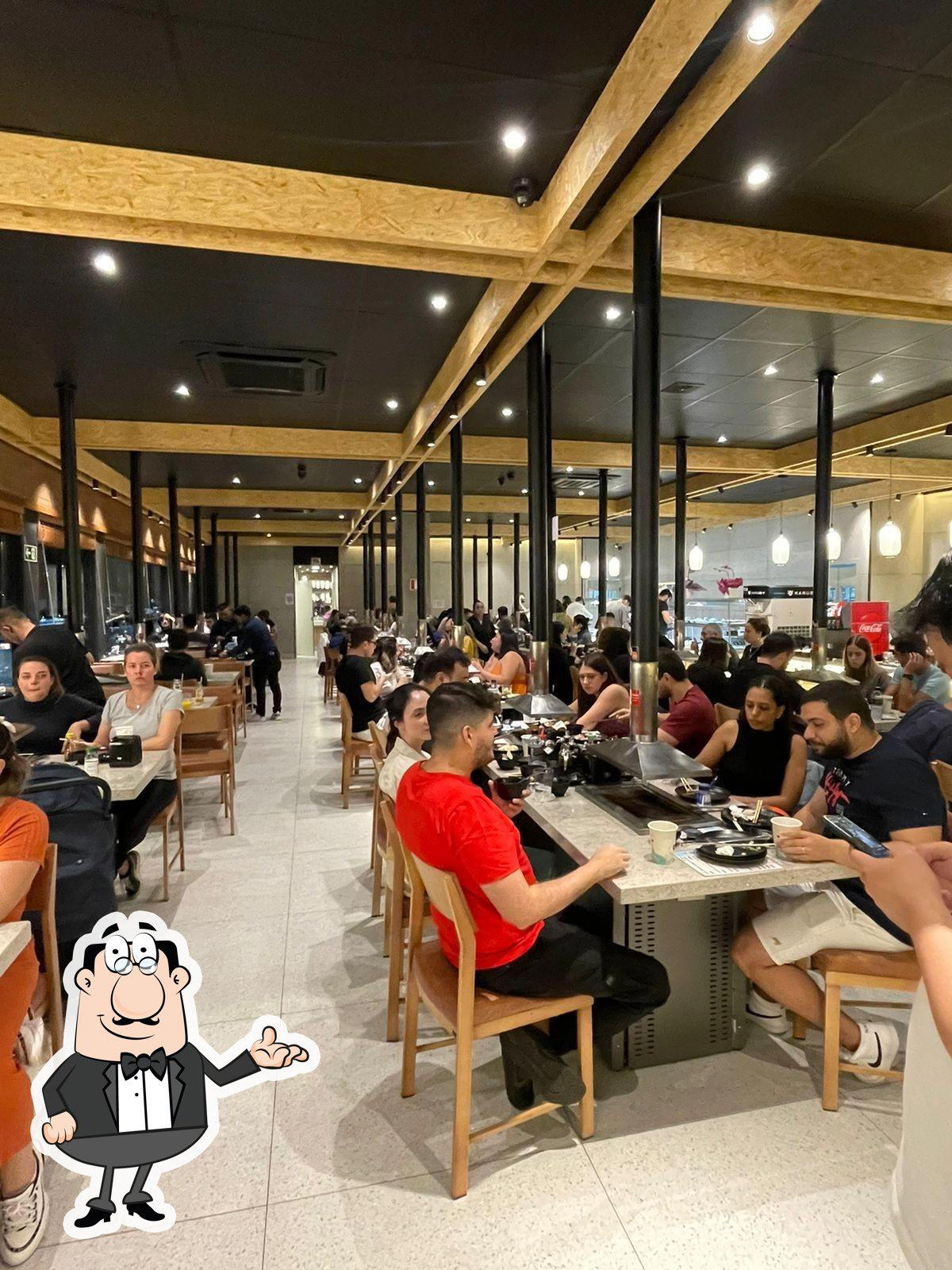
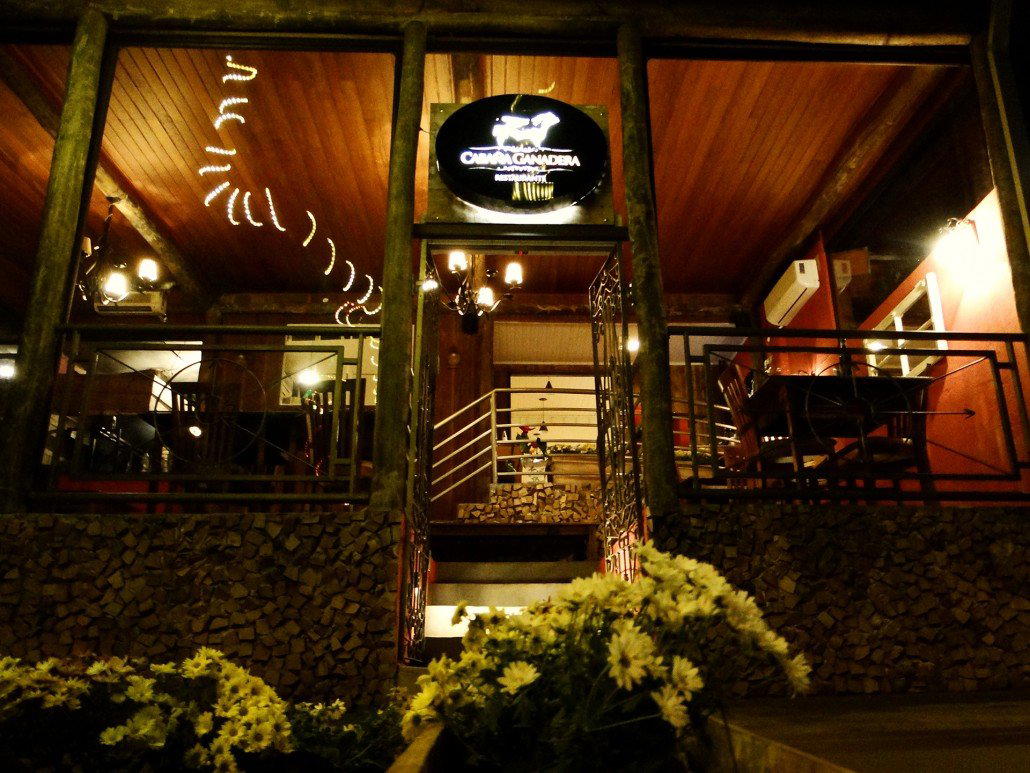
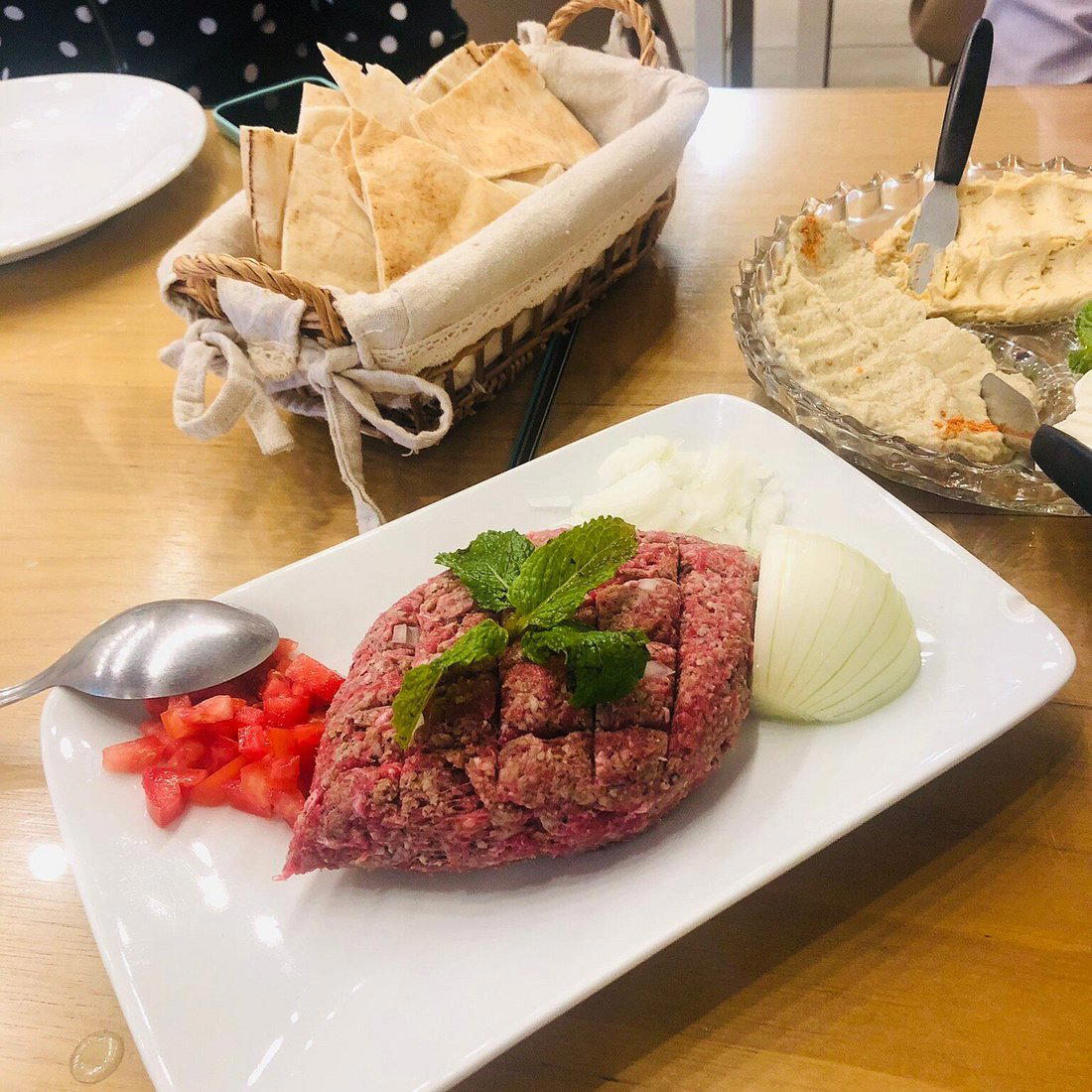
Within Londrina itself, the comparable set is diverse. Cabaña Ganadera represents the Argentine-Brazilian steakhouse tradition, Karuby Yakiniku House reflects the significant Japanese-Brazilian population that has shaped Paraná's food culture since the early twentieth century, Restaurante Cantinho Português holds the Iberian end of the immigrant dining tradition, and Restaurante La Gondola occupies the Italian register alongside Barolo. Zaki Sabor Árabe maps the Middle Eastern strand of the city's migrant food history. Against this backdrop, the Italian fine-dining position that Barolo appears to occupy is a specific bet on a specific audience: Londrinenses who want to eat well in a European idiom without travelling to the state capital.
Elsewhere in the region, restaurants like Manu in Curitiba and Olivetto Restaurante E Enoteca in Campinas have staked out the Italian and contemporary Brazilian fine-dining territory. The address in the Centro suggests a restaurant aimed first at a local audience.
Planning a Visit
Barolo Londrina is located at Rua Espírito Santo, 1450, in the Centro district of Londrina, Paraná. The Centro is walkable and well served by the city's bus network, making the address direct to reach from most parts of the city.
For those building a wider itinerary across southern Brazil, Primrose in Gramado, Castelo Saint Andrews in Gramado, and Mina in Campos do Jordão each represent the European-inflected fine-dining tradition that runs through this part of the country. Further afield, Birosca S2 in Belo Horizonte, Orixás in Itacaré, and State of Espírito Santo in Rio Bananal give a sense of how Brazilian regional dining operates across different geographic and cultural registers. International reference points like Le Bernardin in New York City and Lazy Bear in San Francisco help calibrate where the fine-dining conversation is moving globally, against which interior Brazilian rooms like Barolo are quietly building their own, more local argument.
Side-by-Side Snapshot
Comparable venues nearby, for context on price, style, and recognition.
| Venue | Cuisine | Price | Notes |
|---|---|---|---|
| Barolo LondrinaThis venue — the venue you are viewing | Classic Italian Trattoria | $$$ | Not listed |
| Restaurante La Gondola | Traditional Italian Trattoria | $$$$ | Aeroporto |
| Karuby Yakiniku House | Japanese Yakiniku | $$$ | Centro Historico |
| Zaki Sabor Árabe | Lebanese and Arabic | $$ | Ipanema |
| Cabaña Ganadera | Authentic Argentine Parrilla | $$$ | Ipanema |
| Restaurante Cantinho Português | Traditional Portuguese | $$ | Aeroporto |
Continue exploring
More in Londrina
At a Glance
- Classic
- Elegant
- Sophisticated
- Date Night
- Business Dinner
- Special Occasion
- Wine Cellar
- Extensive Wine List
- Local Sourcing
Current opening hours
- Monday
- 6:40 PM–12 AM
- Tuesday
- 11:40 AM–2:40 PM, 6:40 PM–12 AM
- Wednesday
- 11:40 AM–2:40 PM, 6:40 PM–12 AM
- Thursday
- 11:40 AM–2:40 PM, 6:40 PM–12 AM
- Friday
- 11:40 AM–2:40 PM, 6:40 PM–12 AM
- Saturday
- 11:40 AM–3:30 PM, 6:40 PM–12 AM
- Sunday
- 11:40 AM–3:30 PM, 6:40–10 PM
Hours can change for holidays and private events. Last verified .
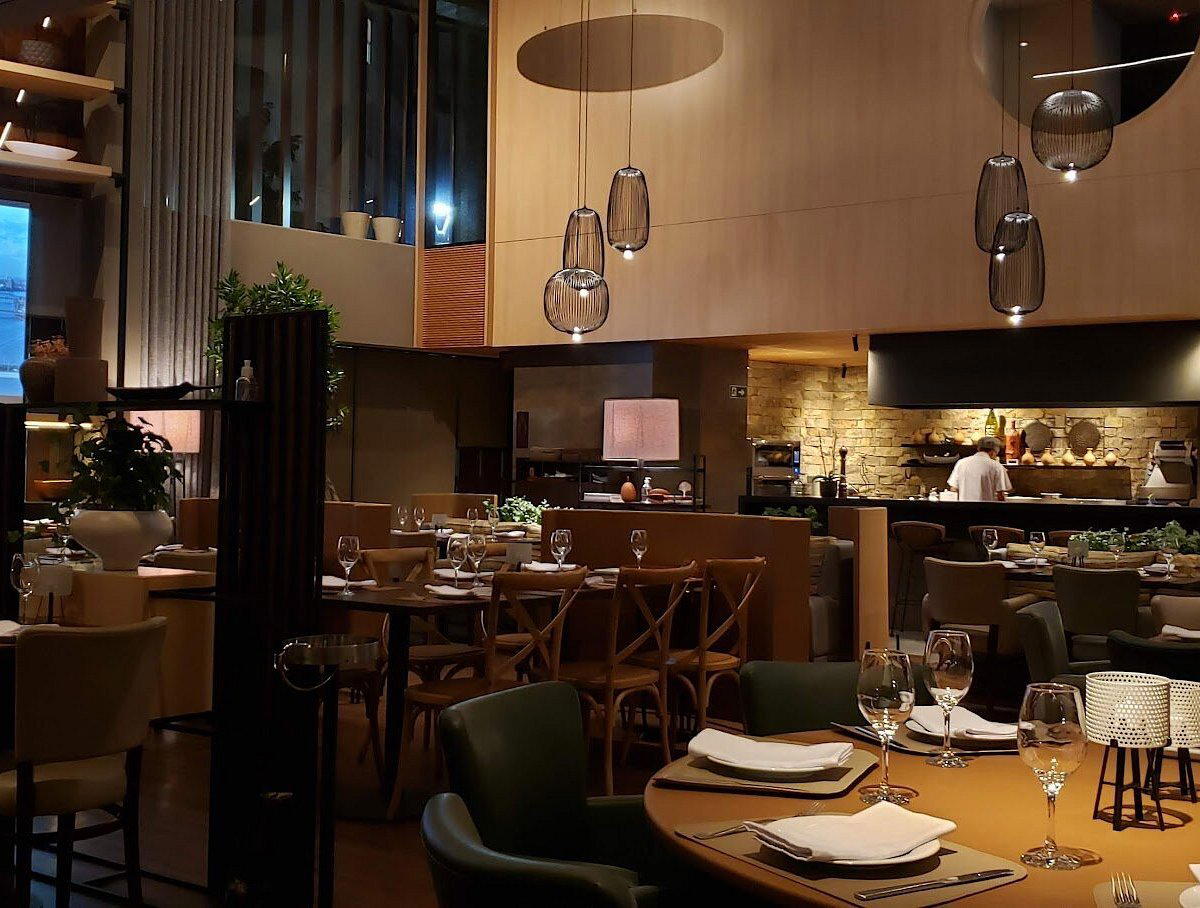
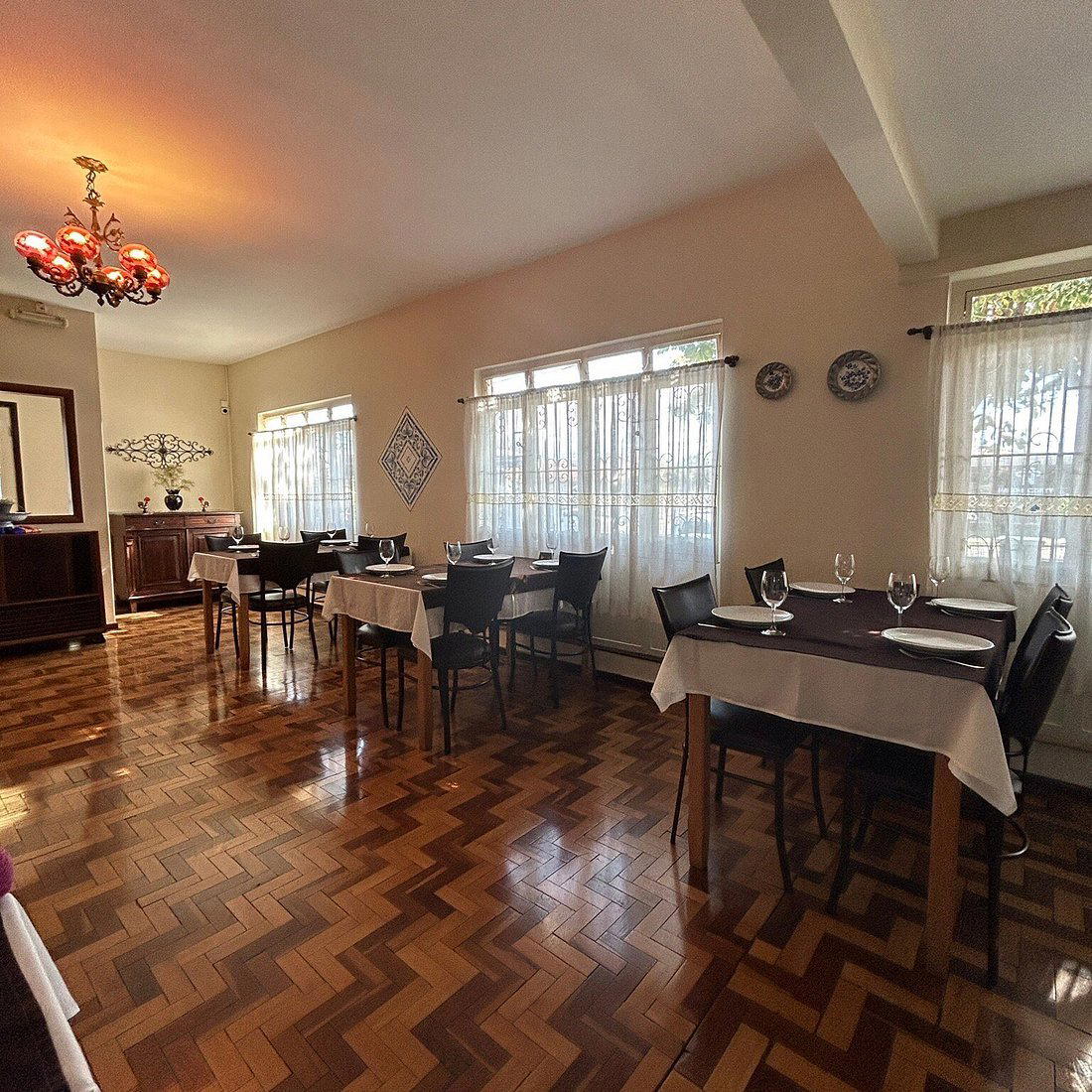
Sophisticated yet inviting atmosphere reflecting European immigrant heritage with focus on serious Italian dining.