Our verdict
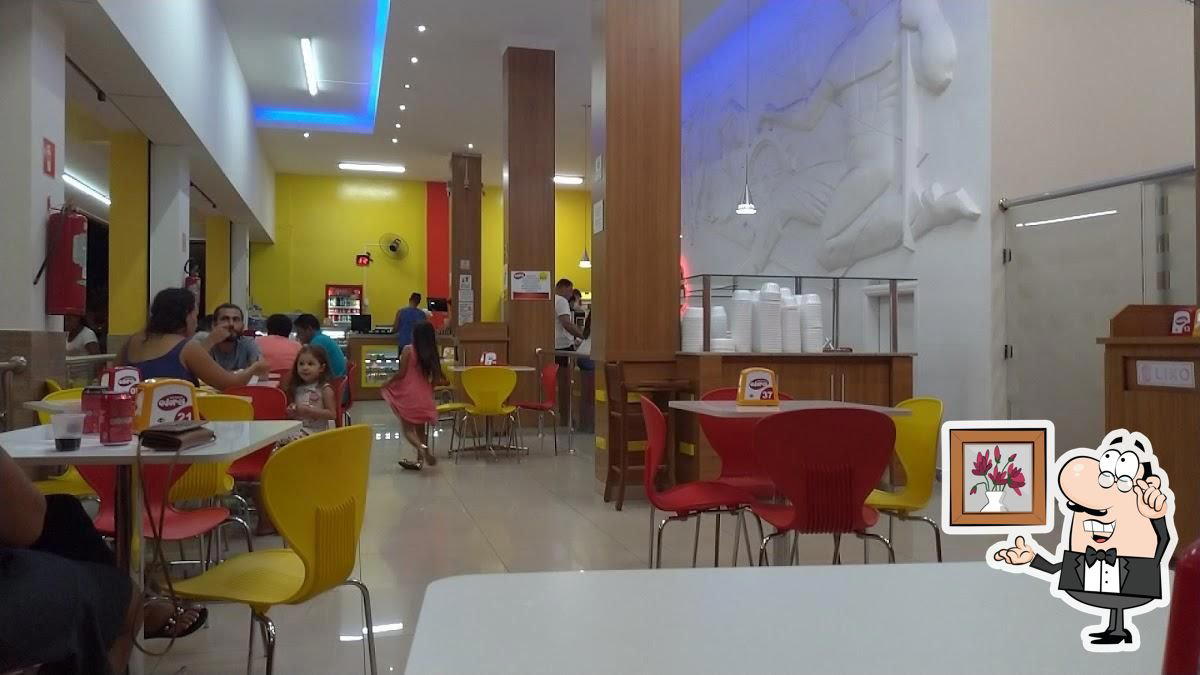
A neighborhood ice cream destination on Rua Abuassali Abujamra in Ourinhos, Sorveteria Adorei sits within the Jardim Aurora district, where Brazilian sorveteria culture, built on seasonal fruit, regional dairy, and generations of neighborhood loyalty, plays out in its most local form. For visitors mapping the wider São Paulo interior food scene, it represents a distinct counterpoint to Ourinhos's sit-down dining options.

Pearl is the En Primeur Club membership app, where members save venues, book tables and use the concierge.
Ice Cream and the Interior: Where São Paulo's Sorveteria Tradition Takes Root
Brazil's sorveteria culture is one of the more underappreciated threads in the country's food identity. While São Paulo's fine-dining circuit draws attention through venues like D.O.M. in São Paulo and Lasai in Rio de Janeiro, the sorveteria occupies a quieter, more entrenched role in Brazilian daily life. In the interior cities of São Paulo state, the neighborhood ice cream shop functions less as a dessert detour and more as a social institution: a fixed point around which evenings, Sunday afternoons, and family gatherings organize themselves. Ourinhos, a mid-sized city in the far southwest of the state, follows that pattern with particular consistency.
Sorveteria Adorei operates from Rua Abuassali Abujamra, 475 in the Jardim Aurora district, a residential neighborhood that sits away from Ourinhos's commercial center. That location is itself a signal. Sorveterias that survive in residential zones rather than high-traffic commercial strips tend to do so on repeat local custom rather than passing trade, which generally produces a different kind of operation: one calibrated to the neighborhood's rhythm rather than tourist footfall or Instagram visibility.
The Cultural Architecture of a Brazilian Sorveteria
Understanding what a sorveteria represents in a city like Ourinhos requires some distance from European gelato or American ice cream parlor conventions. The Brazilian sorveteria evolved through a distinct set of influences: Italian immigrant dairy traditions that took hold in São Paulo state from the late nineteenth century, an abundance of native tropical fruits unavailable in European models, and a climate that made cold refreshment a near-daily need rather than an occasional treat.
The result is a format with its own logic. Sorveterias in the São Paulo interior typically operate with a wide flavor range anchored by regional fruit varieties, including cupuaçu, tamarind, guanábana, and jabuticaba, alongside conventional chocolate and vanilla options. The texture conventions differ from Italian gelato: Brazilian sorvete tends toward a lighter, less dense profile, produced on equipment developed specifically for the local market. For visitors more familiar with the concentrated intensity of formats like gelato, the adjustment is quick and the comparison less useful than simply accepting the product on its own terms.
This broader tradition is what gives a neighborhood sorveteria like Adorei its cultural coordinates. It is not attempting to replicate a European model or compete with the artisan gelato operations that have appeared in São Paulo's wealthier districts over the past decade. It occupies a different position entirely: the local fixed point, the neighborhood institution, the place where the distinction between dining and daily life becomes largely irrelevant.
Ourinhos and Its Food Identity
Ourinhos sits at a geographic and economic crossroads. Historically built on coffee and cattle, the city has a food culture that reflects the agrarian São Paulo interior: practical, meat-forward, and rooted in family-run operations rather than chef-driven concepts. The dining scene here does not position itself in relation to the fine-dining circuits that define Brazil's food media conversation. For visitors comparing the city's table to options elsewhere in the interior, Bistrô Vila Graziella in Bauru or Madê in Santos represent different registers of the same interior-SP dining tradition, each shaped by their city's particular economic and cultural character.
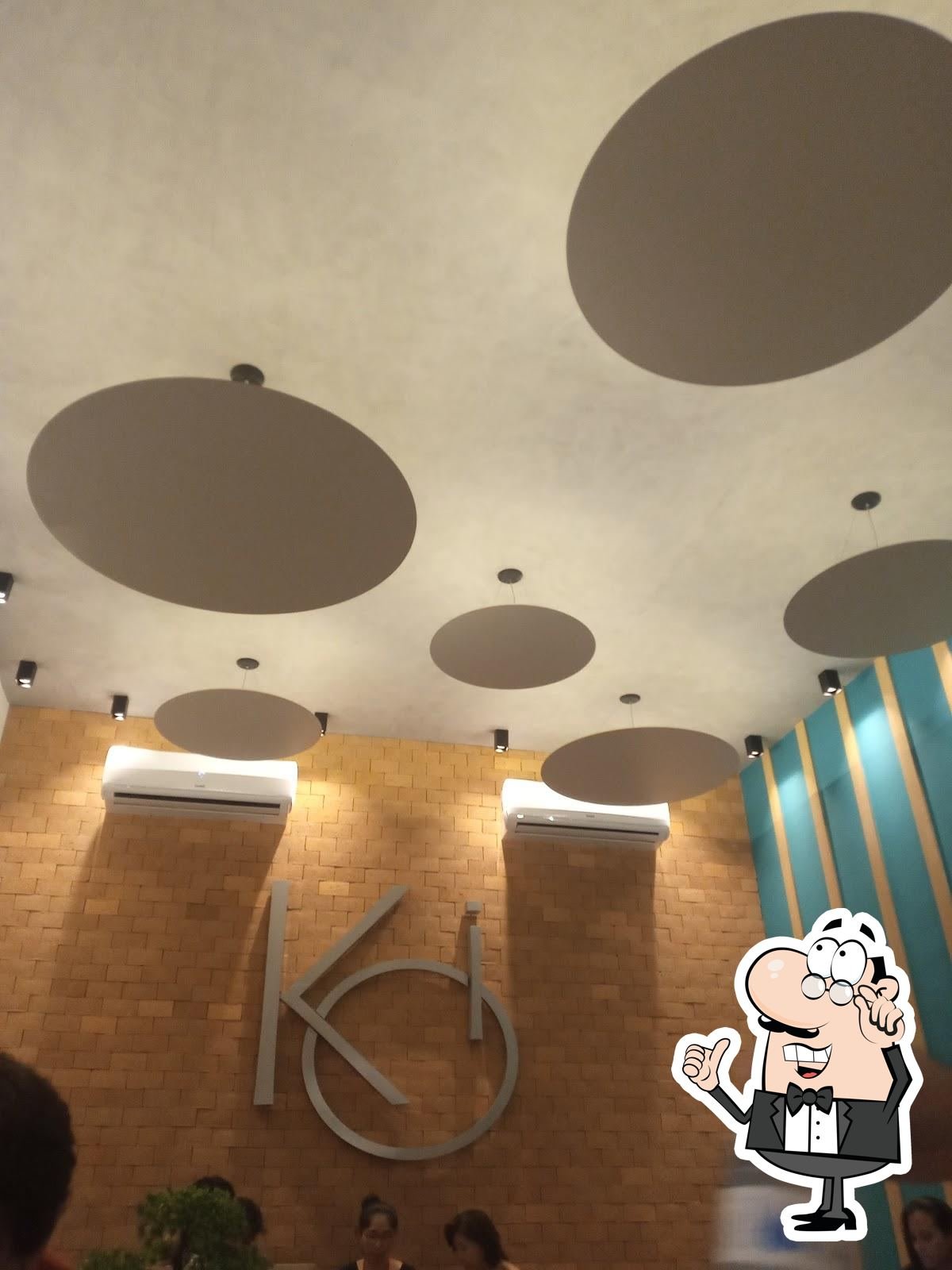
Within Ourinhos itself, Koi represents the city's sit-down dining offer. A sorveteria like Adorei occupies a different tier of the local food map, one that is less about a dining occasion and more about the texture of everyday life in a medium-sized Brazilian city. For travelers assembling a picture of how Ourinhos actually feeds itself, that tier is as informative as any restaurant review. Our full Ourinhos restaurants guide maps both registers.
Across Brazil's interior, similar dynamics appear in different regional forms. Cantina Pozzobon in Santa Maria reflects the Italian immigrant food culture of Rio Grande do Sul, while Fornazzo Pizzaria in Passo Fundo and Famosa Pizza in Ribeirao Preto each show how Italian-derived formats adapted to local conditions. The sorveteria sits in this same lineage of adapted immigrant food culture, now so thoroughly domesticated into Brazilian daily life that its foreign origins have become largely invisible.
What to Expect and How to Visit
The Jardim Aurora address places Sorveteria Adorei in a neighborhood context, which shapes the visiting experience in practical terms. Ourinhos is accessible by road from São Paulo (roughly 450 kilometers southwest), and the city's scale means that most destinations are reachable without significant navigation complexity.
For visitors traveling a broader circuit through the interior, Ourinhos sits near enough to other regional stops to make logical combination routes. Those routing through Brazil's south can compare the register against operations like Kampeki Sushi in Canoas or Aero Burguer e Grill in Santa Cruz Do Sul to understand how Brazil's interior food culture shifts across state lines. Further afield, Bistro Fitz Carraldo in Manaus and Casa da Dika Restô e Eventos in Braganca mark how dramatically the food identity shifts as you move toward the Amazon basin.
No booking is required or expected for a sorveteria visit. The format is walk-in by nature, and the residential setting suggests a relaxed pace rather than the queue dynamics of high-traffic dessert destinations in larger cities. For travelers accustomed to planning around reservation windows, as one might for Le Bernardin in New York City or Atomix in New York City, the frictionless access of a neighborhood sorveteria represents a different kind of value. Similarly, Casa da Picanha Penedo in Itatiaia, Arte e café Imperial - Matriz in Angra Dos Reis, and Casa da Flor Restaurante in Dourados each illustrate the range of walk-in, community-scale dining that defines Brazil's interior outside the reservation-driven circuits of its major cities.
Frequently asked questions
How do I find Sorveteria Adorei?
Sorveteria Adorei is located at R. Abuassali Abujamra, 475 - Jardim Aurora, Ourinhos - SP, 19907-170, Brazil, Ourinhos.
Is Sorveteria Adorei a good option for visitors passing through Ourinhos on a road trip through interior São Paulo?
Ourinhos sits at a geographic crossroads in southern São Paulo state, making it a practical stop along routes connecting the interior to Paraná. Sorveteria Adorei's address at Rua Abuassali Abujamra, 475 in Jardim Aurora places it within the city's residential fabric rather than a highway strip, so a brief detour into the neighbourhood is required. For travellers building an itinerary around Brazil's interior food culture, a local sorveteria of this type reflects the community-rooted dessert tradition more accurately than chains found at highway stops.
What dish is Sorveteria Adorei famous for?
Sorveteria Adorei operates within Brazil's sorveteria tradition, where the format centres on house-made ice cream in regional and classic Brazilian flavours rather than a single signature dish. The Ourinhos food culture draws heavily on the agrarian interior of São Paulo state, which typically shapes fruit-forward and dairy-rich preparations.
How hard is it to get a table at Sorveteria Adorei?
Sorveteria Adorei is a neighbourhood sorveteria in Jardim Aurora, Ourinhos, a format that in Brazilian food culture operates on a walk-in basis without advance reservations. Seating availability is tied to local foot traffic patterns rather than a booking queue. No reservation system or waitlist is documented for this location.
Pricing, Compared
| Venue | Cuisine | Price | Awards | Notes |
|---|---|---|---|---|
| Sorveteria AdoreiThis venue (the venue you are viewing) | Brazilian Ice Cream Parlor | $1–10 | Not listed | Not listed |
| D.O.M. | Modern Brazilian Amazonian Fine Dining | $150–200 | 2 Michelin Stars · World's 50 Best #74 | Modern Brazilian, Creative |
| Evvai | Modern Italian-Brazilian Fusion | $200–300 | 3 Michelin Stars · World's 50 Best #95 | Contemporary Italian, Modern Cuisine |
| Lasai | Modern Brazilian Fine Dining | Not listed | 2 Michelin Stars · World's 50 Best #28 | Regional Brazilian, Modern Cuisine |
| Oteque | Modern Seafood Fine Dining | $100–150 | 1 Michelin Star · World's 50 Best #38 | Modern Brazilian, Modern Cuisine |
| Maní | Modern Creative Brazilian | $50–100 | 1 Michelin Star · World's 50 Best #67 | Brazilian - International, Creative |
Continue exploring
More in Ourinhos
Restaurants in Ourinhos
All restaurants in Ourinhos →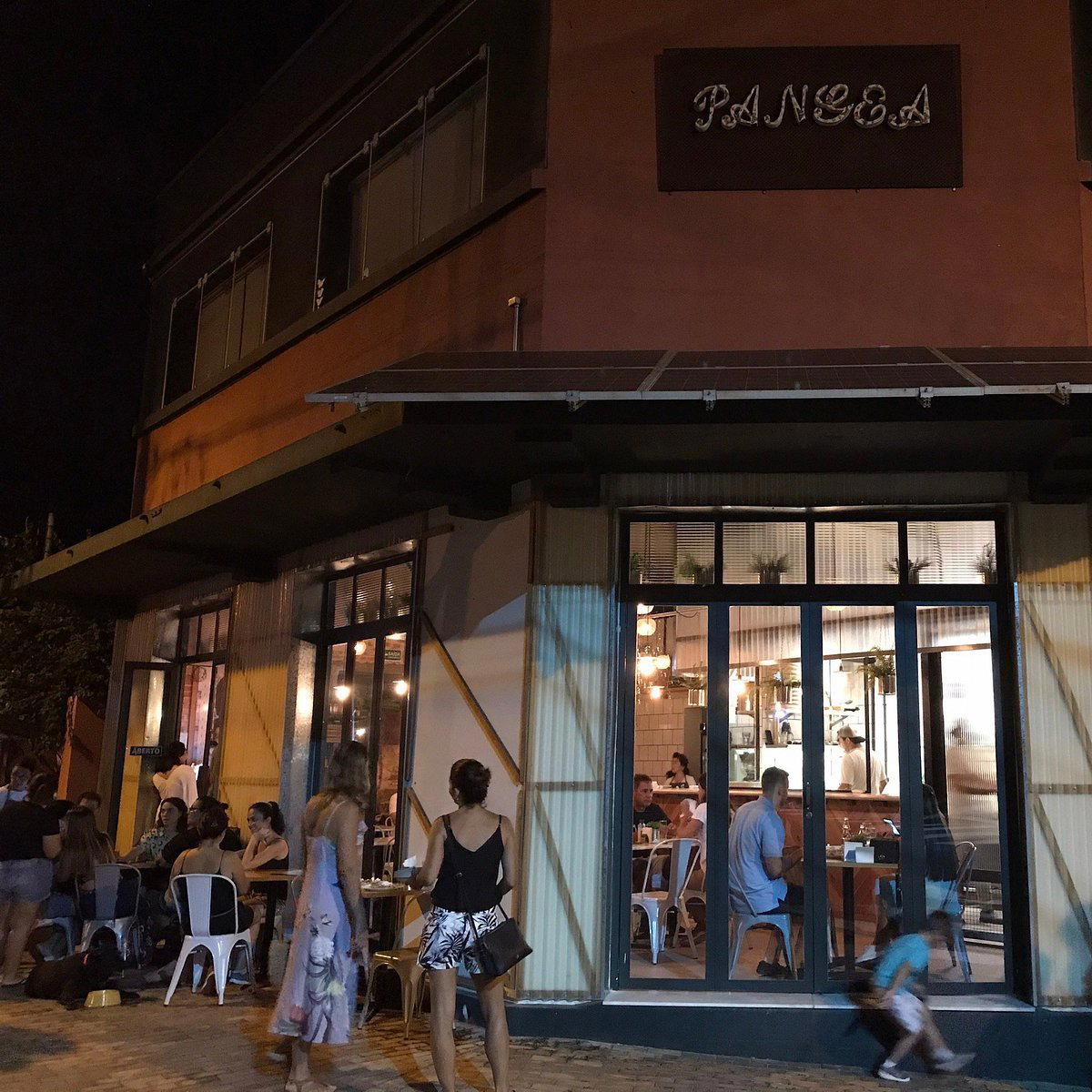
Details
- Cozy
- Casual
- Casual Hangout
- Family
- A La Carte
Casual and family-friendly atmosphere ideal for relaxed enjoyment of ice cream and desserts.