Sumida Sushi - Campo Grande MS
Sumida Sushi occupies a quiet address on Rua Treze de Maio in Campo Grande's São Francisco neighbourhood, where Japanese-Brazilian culinary traditions run deeper than casual dining maps suggest. The restaurant represents a strand of interior Brazil's sushi culture that developed largely apart from São Paulo's coastal influence, shaped instead by Mato Grosso do Sul's own Japanese-descendent communities and local produce rhythms.
Pearl is the En Primeur Club membership app — saves, bookings, and concierge access live there. Same editors, same standards.
- Address
- R. Treze de Maio, 4035 - São Francisco, Campo Grande - MS, 79002-352, Brazil
- Phone
- +556730291002
- Website
- sumidasushi.com.br
- Directions
- Get directions
 Saves & bookings on Pearl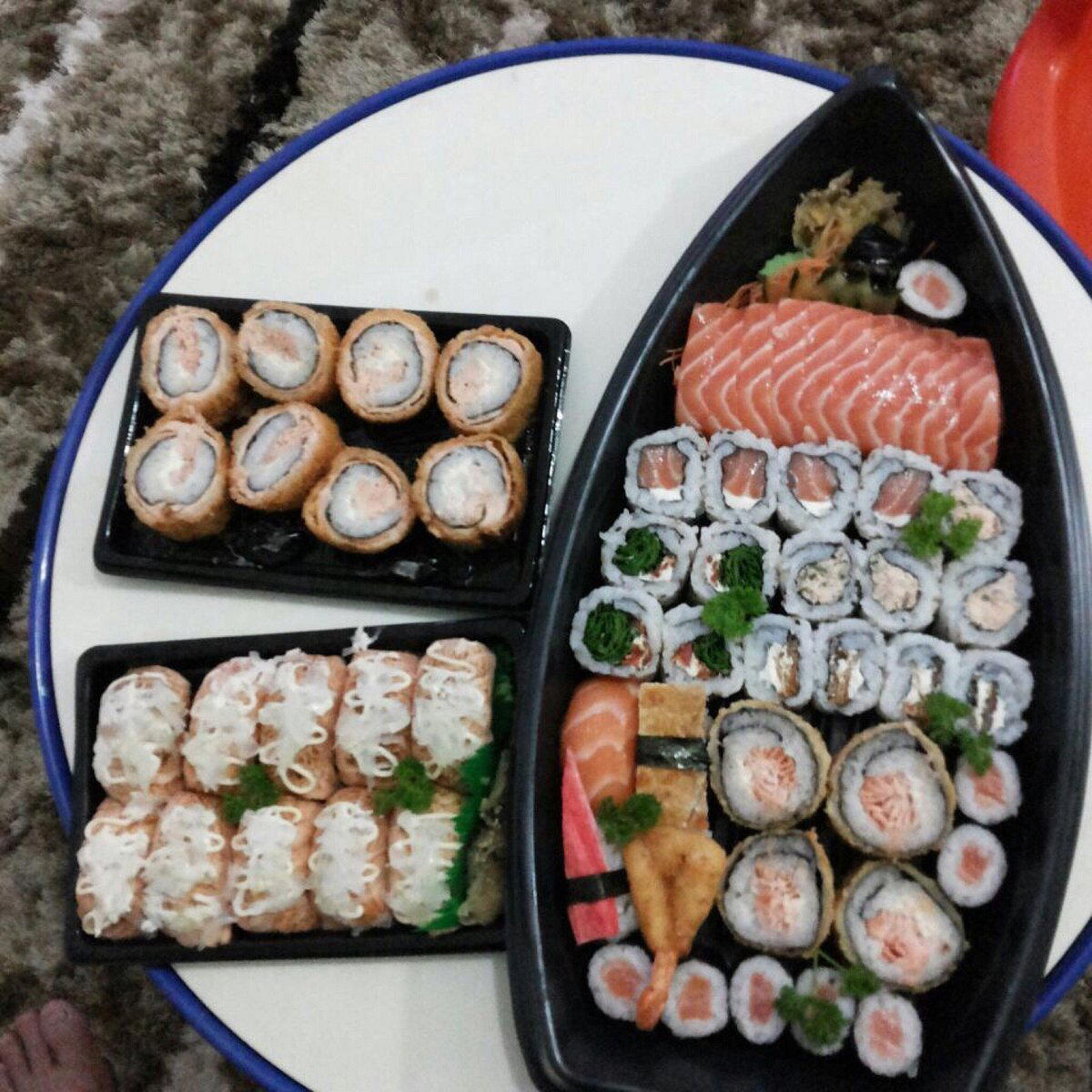
Where Mato Grosso do Sul Meets Japanese Dining Ritual
Sumida Sushi - Campo Grande MS is a casual Traditional Japanese Sushi restaurant in Campo Grande, Brazil. Along Rua Treze de Maio in the São Francisco district, Campo Grande's relationship with Japanese cuisine becomes easier to read. This is not a city that inherited sushi as a metropolitan fashion accessory. Mato Grosso do Sul has one of Brazil's more historically rooted Japanese-Brazilian communities, and that depth shows in how residents approach the meal itself: unhurriedly, with attention to sequence, and without the performative urgency that characterises the express-lunch counters common in larger urban centres. Sumida Sushi at number 4035 sits inside that tradition, occupying a neighbourhood address rather than a high-visibility commercial strip.
The São Francisco neighbourhood gives the restaurant a local rather than tourist-facing character. Campo Grande, as the state capital of Mato Grosso do Sul, draws travellers more for its proximity to the Pantanal wetlands than for urban dining, which means the Japanese restaurants that have endured here serve a predominantly local clientele with established expectations. That audience tends to reward consistency over novelty, and the dining customs reflect it: meals proceed at a pace set by the kitchen and the guest, not by table-turn pressure.
The Ritual of the Meal in Interior Brazil
Across Brazil's interior cities, the pacing of a sushi meal differs meaningfully from what you find in Rio de Janeiro's Zona Sul or in the more frenetic São Paulo rodízio circuit. In Campo Grande, the format tends toward composed attention: dishes arrive with deliberate spacing, and the expectation is that diners settle in rather than cycle through. This is partly cultural habit, partly a function of smaller room sizes, and partly a response to the heat and rhythms of a landlocked city where the evening meal functions as genuine social occasion.
Japanese-Brazilian sushi, as it evolved through the twentieth century across São Paulo state and into Mato Grosso do Sul, developed its own vocabulary distinct from Japanese orthodoxy. Cream cheese became a standard component, tropical fruit appeared alongside vinegared rice, and the rolled formats dominant in Brazilian restaurants reflect adaptation to local ingredient availability and palate rather than strict Edo-period precedent. For comparison, counters operating at the highest technical register in Brazil, such as D.O.M. in São Paulo or the more restrained formats at Lasai in Rio de Janeiro, operate on entirely different premises and serve different purposes. Sumida Sushi belongs to the neighbourhood-institution tier of this tradition, not the tasting-counter tier.
That distinction matters for how you approach the meal. The ritual here is not omakase deference to a chef's sequence. It is the Brazilian family table applied to Japanese forms: shared plates, considered ordering, conversation that the meal serves rather than interrupts. Diners who arrive expecting austere minimalism or the kind of format discipline found at Atomix in New York City or Le Bernardin in New York City are reading the wrong register entirely.
Campo Grande's Dining Scene in Context
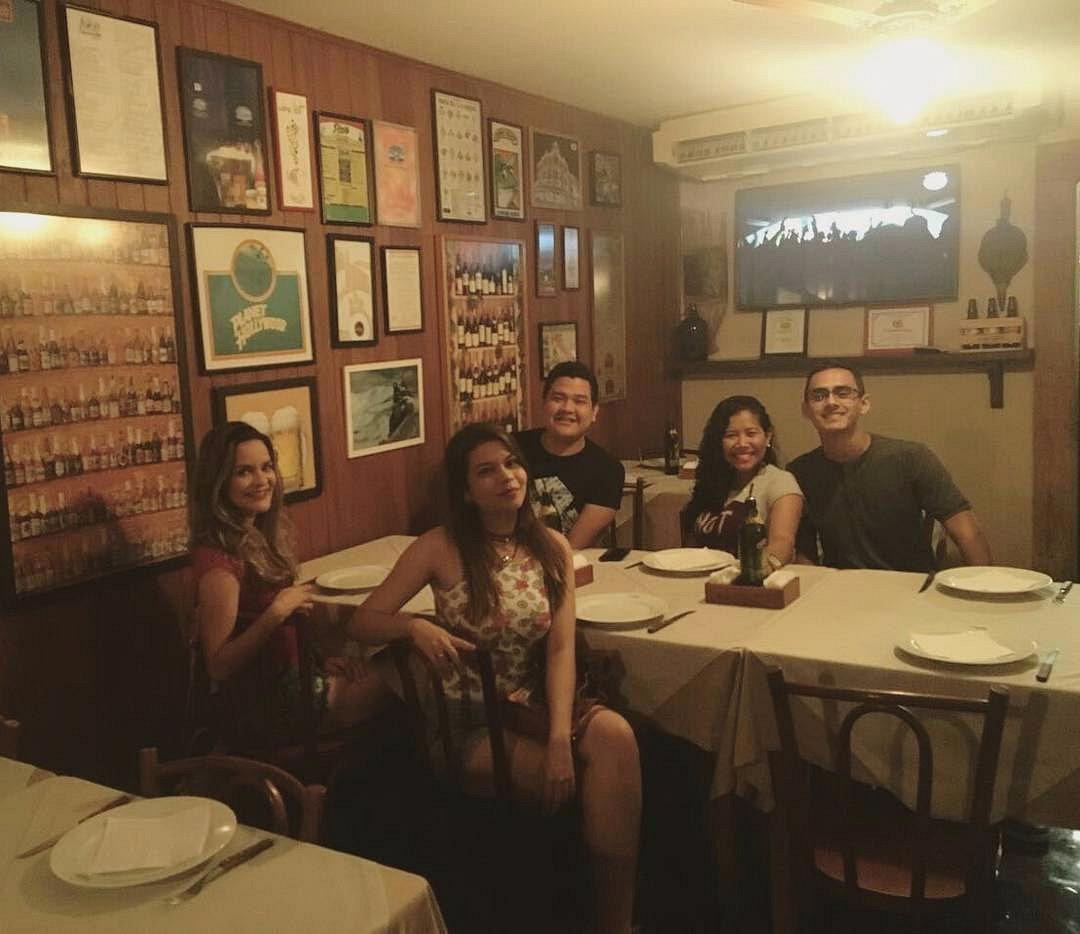
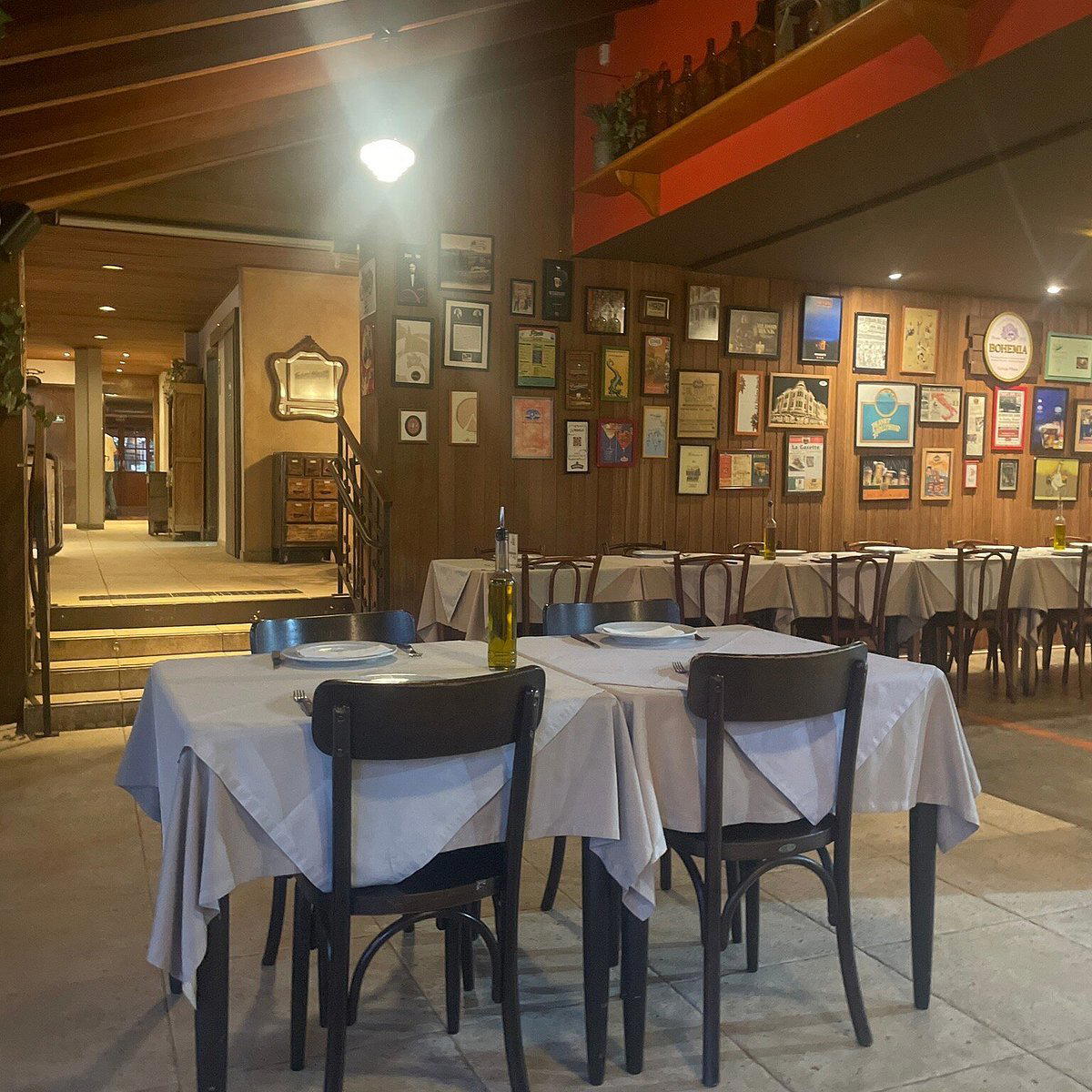
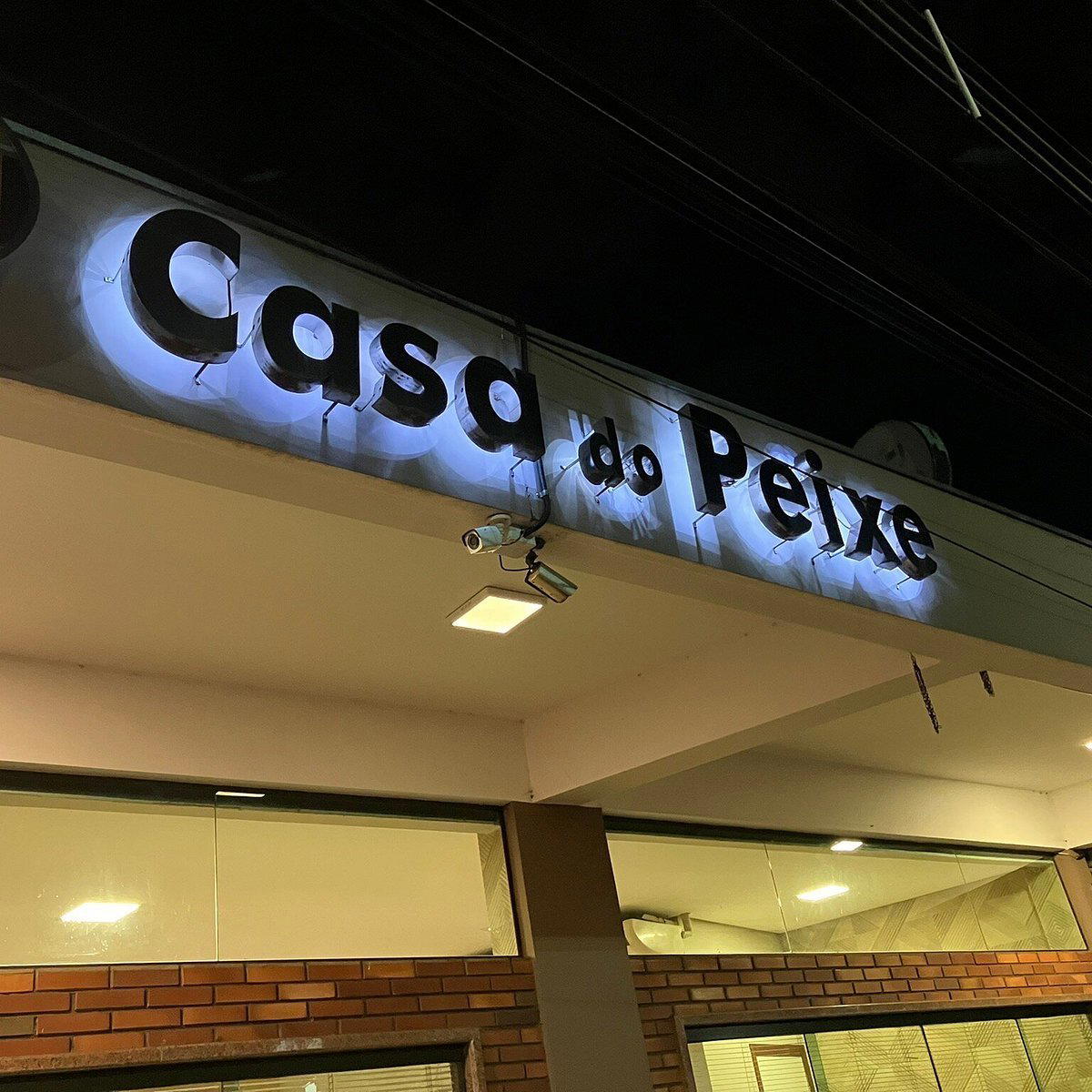
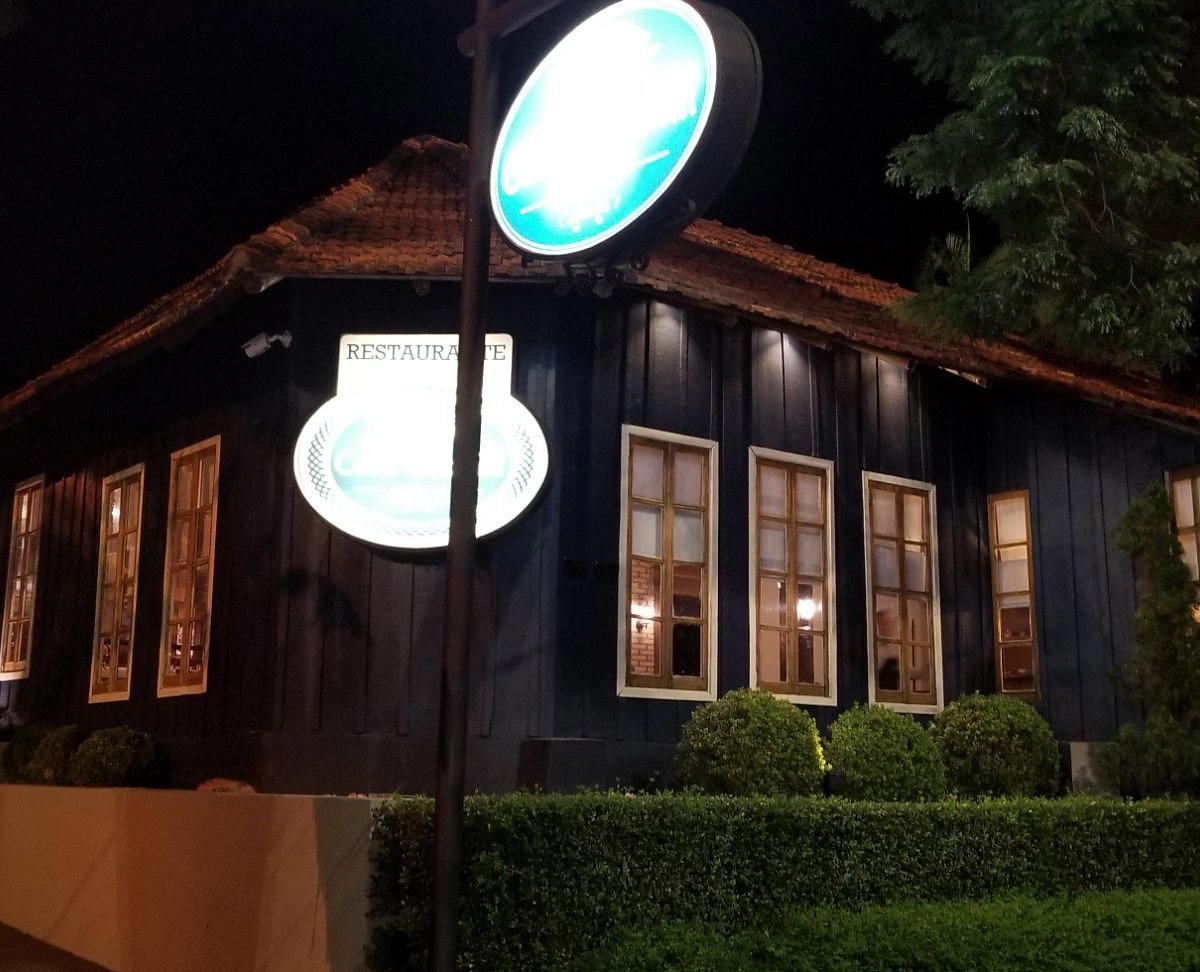
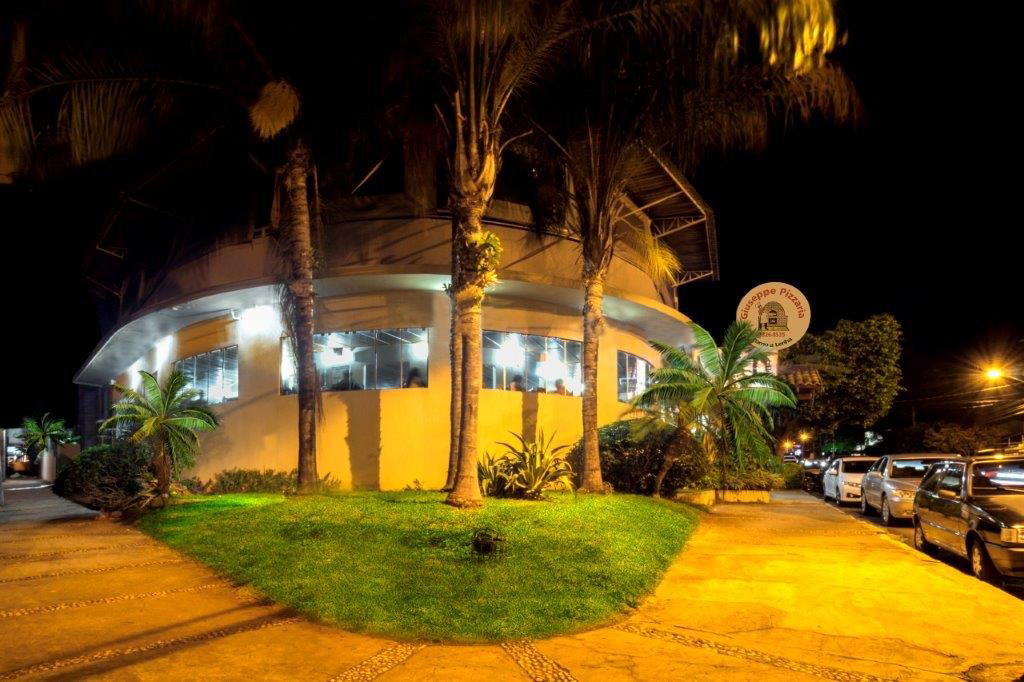
Campo Grande's restaurant community spans several distinct traditions. Italian-Brazilian cooking has a strong presence, represented locally by venues like Cantina Romana and Pizzaria Romana, alongside pizza-focused operations such as Giuseppe Pizzaria. Brazilian regional cooking appears at places like Casa Colonial, and seafood at Casa do Peixe. Japanese-Brazilian cuisine occupies its own lane within this mix, reflecting the demographic history of the state rather than trend-driven menu diversification.
The broader Brazil restaurant scene has fragmented in interesting ways. Cities without major international tourism tend to develop restaurant cultures that serve local habits with genuine specificity rather than aiming at a global visitor expectation. This is broadly true in smaller cities like Manaus, Santa Maria, and Dourados, and Campo Grande follows the same pattern. Restaurants here are not performing for passing audiences; they are building repetition with the same guests across years. That dynamic produces a different kind of reliability than award recognition, one rooted in community trust rather than critical consensus.
Planning Your Visit
Sumida Sushi is located at Rua Treze de Maio, 4035 in the São Francisco district of Campo Grande. The address is street-level and accessible from the central city. The restaurant is walk-in friendly and open Tuesday through Sunday from 6 to 10 PM, with Monday closed. Campo Grande's dining scene does not generally operate on advance-reservation pressure at the neighbourhood level, though specific policies at Sumida Sushi itself would need on-the-ground confirmation.
The São Francisco district is a residential-commercial neighbourhood rather than a tourist precinct, which means the environment is quieter and the surrounding streets less crowded than the central commercial zone. For visitors arriving from elsewhere in Brazil or internationally, Campo Grande's airport connects to major hubs, and the city centre is reachable within a short drive. Other restaurants worth considering during a Campo Grande stay include regional options across the interior South for a sense of how Brazilian cities outside the major metropolitan axes approach their local dining scenes. Those interested in comparable neighbourhood-rooted experiences elsewhere might also look at Casa da Dika in Bragança, Casa da Picanha in Itatiaia, Arte e Café Imperial in Angra dos Reis, or Famosa Pizza in Ribeirão Preto as reference points for how Brazil's mid-sized cities anchor their restaurant culture in specific community traditions.
Cuisine and Recognition
Comparable venues nearby, for context on price, style, and recognition.
| Venue | Cuisine | Price | Notes |
|---|---|---|---|
| Sumida Sushi - Campo Grande MSThis venue — the venue you are viewing | Traditional Japanese Sushi | $$ | Not listed |
| Casa Colonial | Traditional Brazilian Churrascaria | $$ | Not listed |
| Casa do Peixe | Brazilian Seafood Rodízio | $$ | Amambaí |
| Pizzaria Romana | Traditional Italian Pizza & Pasta | $$ | Jardim dos Estados |
| Giuseppe Pizzaria | Rodízio Pizza | $$ | Chacara Cachoeira |
| Cantina Romana | Traditional Italian Pizza & Pasta | $$ | Jardim dos Estados |
Continue exploring
More in Campo Grande
At a Glance
- Casual Hangout
- Sake Program
Current opening hours
- Monday
- Closed
- Tuesday
- 6–10 PM
- Wednesday
- 6–10 PM
- Thursday
- 6–10 PM
- Friday
- 6–10 PM
- Saturday
- 6–10 PM
- Sunday
- 6–10 PM
Hours can change for holidays and private events. Last verified .