Yakiniku in a Brazilian interior city carries its own logic, shaped by Paraná's deep Japanese-Brazilian heritage and Londrina's established Nikkei community. Karuby Yakiniku House occupies a corner address in Centro, where table grills and carefully selected cuts position it within a dining tradition that runs far deeper than novelty in this part of Brazil. For context on the wider dining scene, see our full Londrina guide.
Pearl is the En Primeur Club membership app — saves, bookings, and concierge access live there. Same editors, same standards.
- Address
- R. Espirito Santo, 1246 esquina com, R. Pref. Hugo Cabral, 1090 - Centro, Londrina - PR, 86020-420, Brazil
- Phone
- +554330283495
- Website
- karuby.com.br
- Directions
- Get directions
 Saves & bookings on Pearl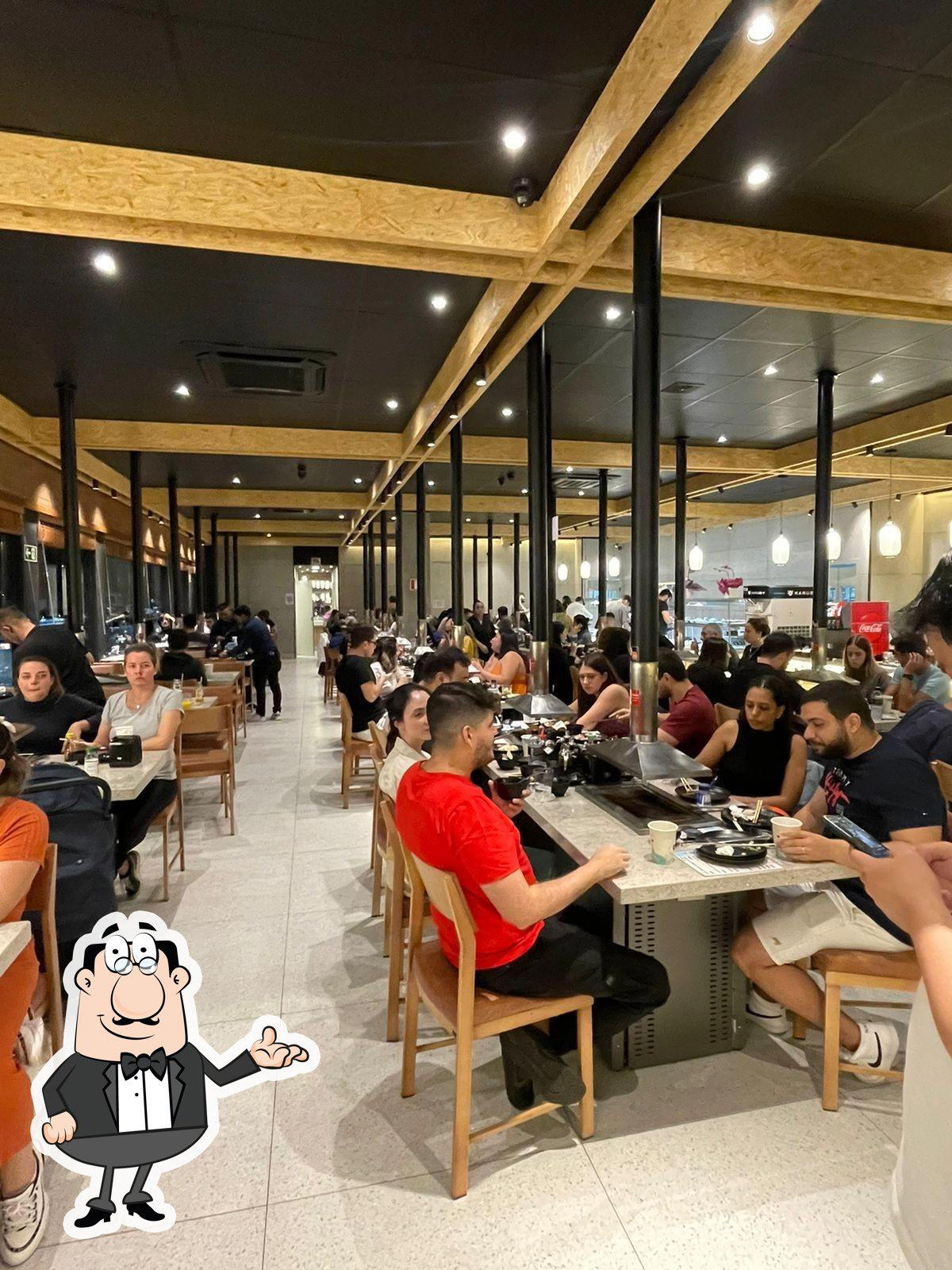
Where Japanese Grilling Takes Root in Brazilian Soil
Londrina's relationship with Japanese cuisine is not a recent import. Paraná state holds one of the largest concentrations of Japanese-Brazilian descendants in the country, a demographic reality that has shaped the city's food culture across generations. Yakiniku, the Japanese tradition of tableside grilling built around precisely butchered cuts and house-made tare sauces, arrived here through that lineage rather than through metropolitan trend cycles. Karuby Yakiniku House sits on the corner of Rua Espírito Santo and Rua Pref. Hugo Cabral in Centro, a central address that places it within easy reach of the city's main commercial and residential areas. Karuby occupies a distinct position: the Japanese approach to meat, where the cut selection, the heat management, and the ratio of fat to lean matter as much as the sourcing itself.
The Yakiniku Tradition and Why Ingredient Origin Matters
Yakiniku as a format places unusual demands on its supply chain. Unlike a kitchen-executed protein dish where technique can compensate for inconsistent sourcing, tableside grilling is transparent. The diner controls the heat and the timing, which means the meat must arrive at the grill in a condition that rewards attention. In Japan, this expectation drives an elaborate grading system, regional breed specifications, and strict cold-chain protocols. In Brazil, the translation of that standard runs through Paraná's cattle industry, which produces wagyu crossbreeds and premium Angus alongside conventional Nelore stock. The Brazilian interior's yakiniku houses have developed a hybrid sourcing logic: Japanese grilling technique applied to locally raised cuts, with house-prepared accompaniments that reference both traditions. This pattern is visible across the Nikkei dining community in cities like Maringá, Curitiba, and Londrina itself, where the Japanese-Brazilian kitchen has been evolving for decades rather than arriving as a novelty.
The Centro Setting
The corner location on Rua Espírito Santo is characteristic of how Londrina's independent dining scene organizes itself: ground-floor operations on commercial streets, without the designed-destination signaling you find in São Paulo's Itaim or Jardins neighborhoods. Centro dining in Londrina tends to draw a mixed clientele, office workers at lunch, families on weekends, and a core of regulars who treat specific restaurants as habitual stops rather than occasions. That regularity matters for a yakiniku house. The format rewards familiarity: knowing which cuts to order, how the grill runs at different heat levels, and what accompaniments work leading alongside the proteins. Karuby occupies a different category entirely, one that reflects Londrina's Japanese-Brazilian cultural depth rather than its European immigrant heritage.
Grilling as Format: What the Experience Involves
The yakiniku format is experiential in a specific, low-theatrics way. Unlike Korean barbecue's communal pandemonium or Brazilian churrascaria's tableside parade, yakiniku tends toward a more contained ritual: individual or shared plates of raw cuts, personal grill sections, and a methodical progression through lighter to richer proteins. The tare sauce, typically a soy-mirin-sake reduction aged in-house, acts as the fixed reference point across the meal. For venues maintaining that tradition in the Brazilian interior, the sourcing decision, which cuts, which breed, which aging method, determines the quality ceiling more directly than the room or the service format. Across Brazil's interior yakiniku houses, this has pushed operators toward closer relationships with regional meat suppliers, sometimes sourcing wagyu crossbreeds from Paraná farms that have been producing Japanese-influenced cattle for two or three generations.
Londrina's Broader Dining Map
Londrina is Paraná's second city, with around 600,000 residents and a food culture that reflects the state's layered immigrant history, Japanese, Italian, German, and Portuguese communities all left distinct imprints. The dining scene is less internationally profiled than Curitiba's, but it carries specific strengths in exactly the categories those communities built: Japanese and Japanese-Brazilian cooking, Italian-inflected comfort dining, and direct meat-focused restaurants that draw on Paraná's livestock production. Across Brazil's smaller cities, venues worth cross-referencing for their approach to regional specificity include Cantina Pozzobon in Santa Maria, Casa da Flor Restaurante in Dourados, Bistro Fitz Carraldo in Manaus, and Aero Burguer e Grill in Santa Cruz do Sul, each operating within a distinct regional food culture. Further afield, Arte e Café Imperial in Angra dos Reis, Casa da Dika in Bragança, Casa da Picanha Penedo in Itatiaia, and Famosa Pizza in Ribeirão Preto reflect how Brazil's interior dining scene operates with strong local identity rather than metropolitan mimicry.
Planning Your Visit
Karuby Yakiniku House is located at Rua Espírito Santo, 1246, on the corner with Rua Pref. Hugo Cabral, in Londrina's Centro district, with a postal address of 86020-420. Current contact details and hours were not available at time of publication; visiting in person or asking locally is one reliable approach for confirming current service hours. As with most yakiniku formats, arriving with a group improves the experience: more cuts can be ordered across the table, and the pacing becomes more natural when there are multiple diners managing individual grill sections. Lunch and early-dinner slots are available most weekdays, with Saturday adding a lunch service. Given the format's reliance on fresh protein quality, ordering across a range of cuts rather than defaulting to a single protein type is a sensible approach.
Comparable Venues
Comparable venues nearby, for context on price, style, and recognition.
| Venue | Cuisine | Price | Notes |
|---|---|---|---|
| Karuby Yakiniku HouseThis venue — the venue you are viewing | Japanese Yakiniku | $$$ | Not listed |
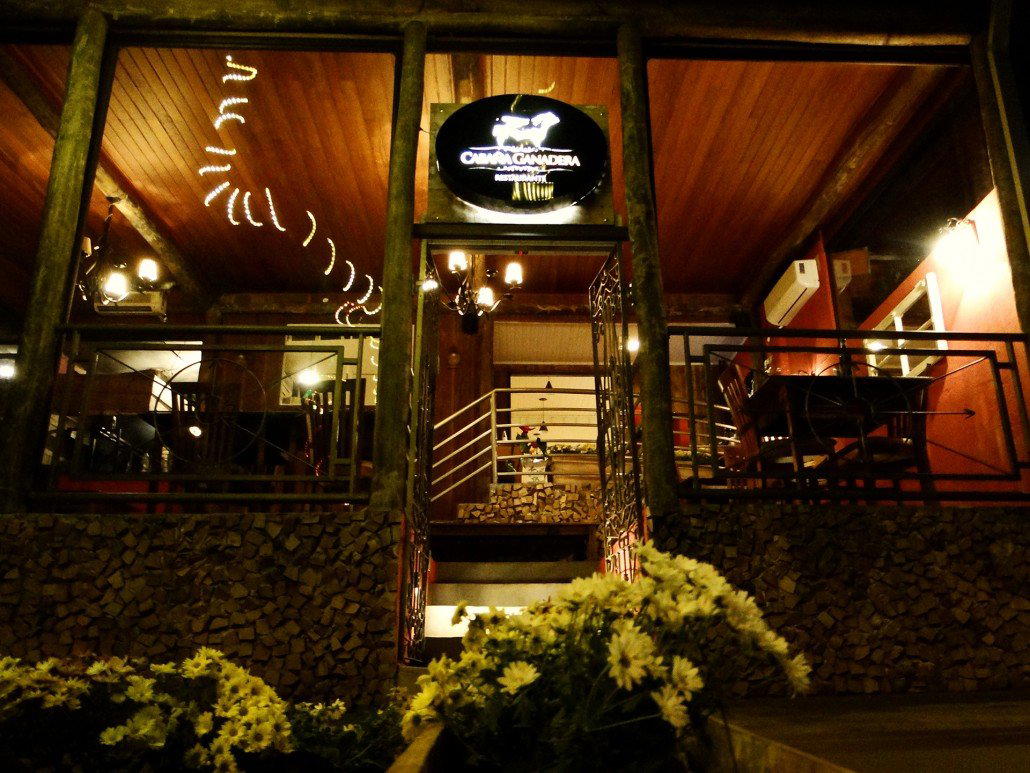
| Cabaña Ganadera | Authentic Argentine Parrilla | $$$ | Ipanema |
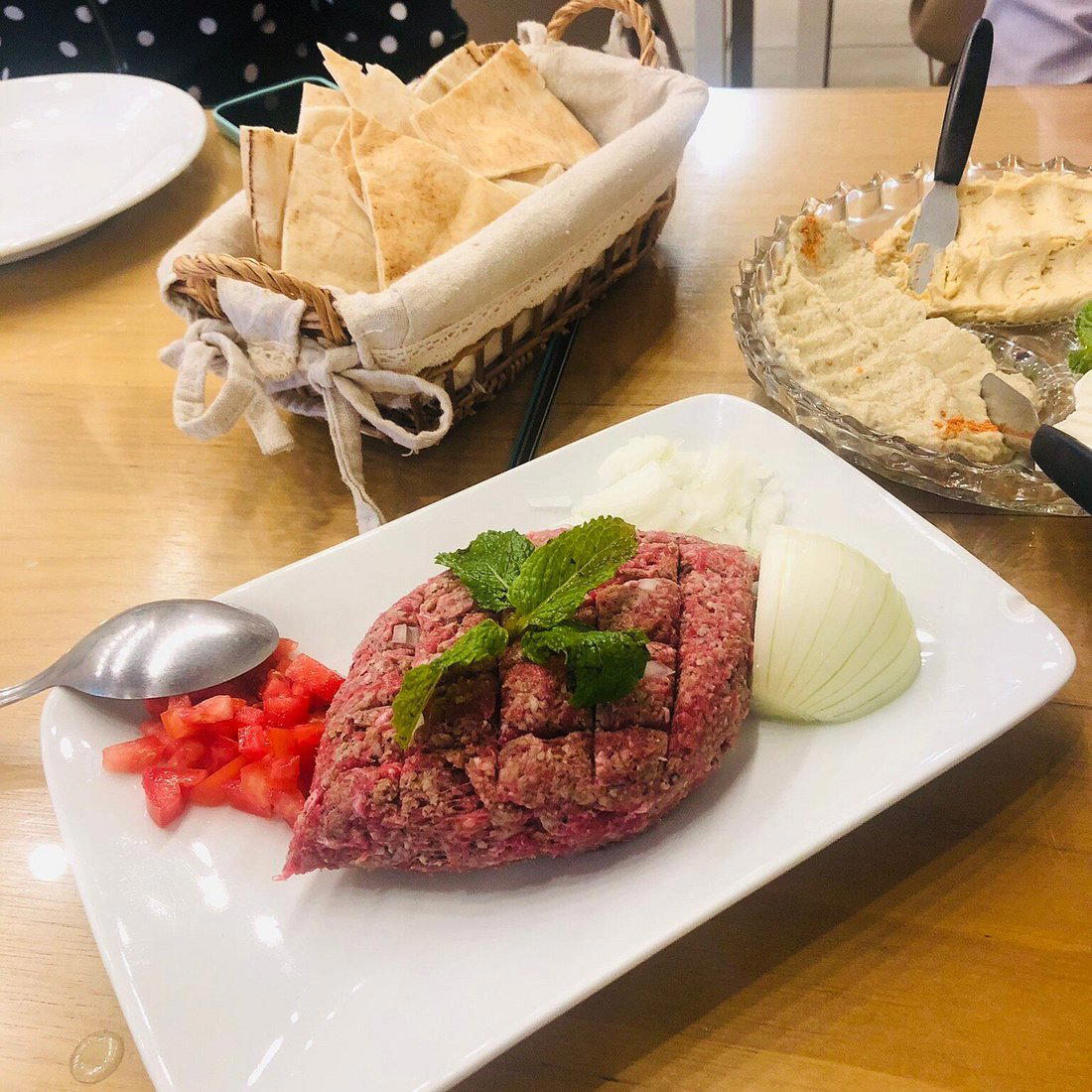
| Zaki Sabor Árabe | Lebanese and Arabic | $$ | Ipanema |
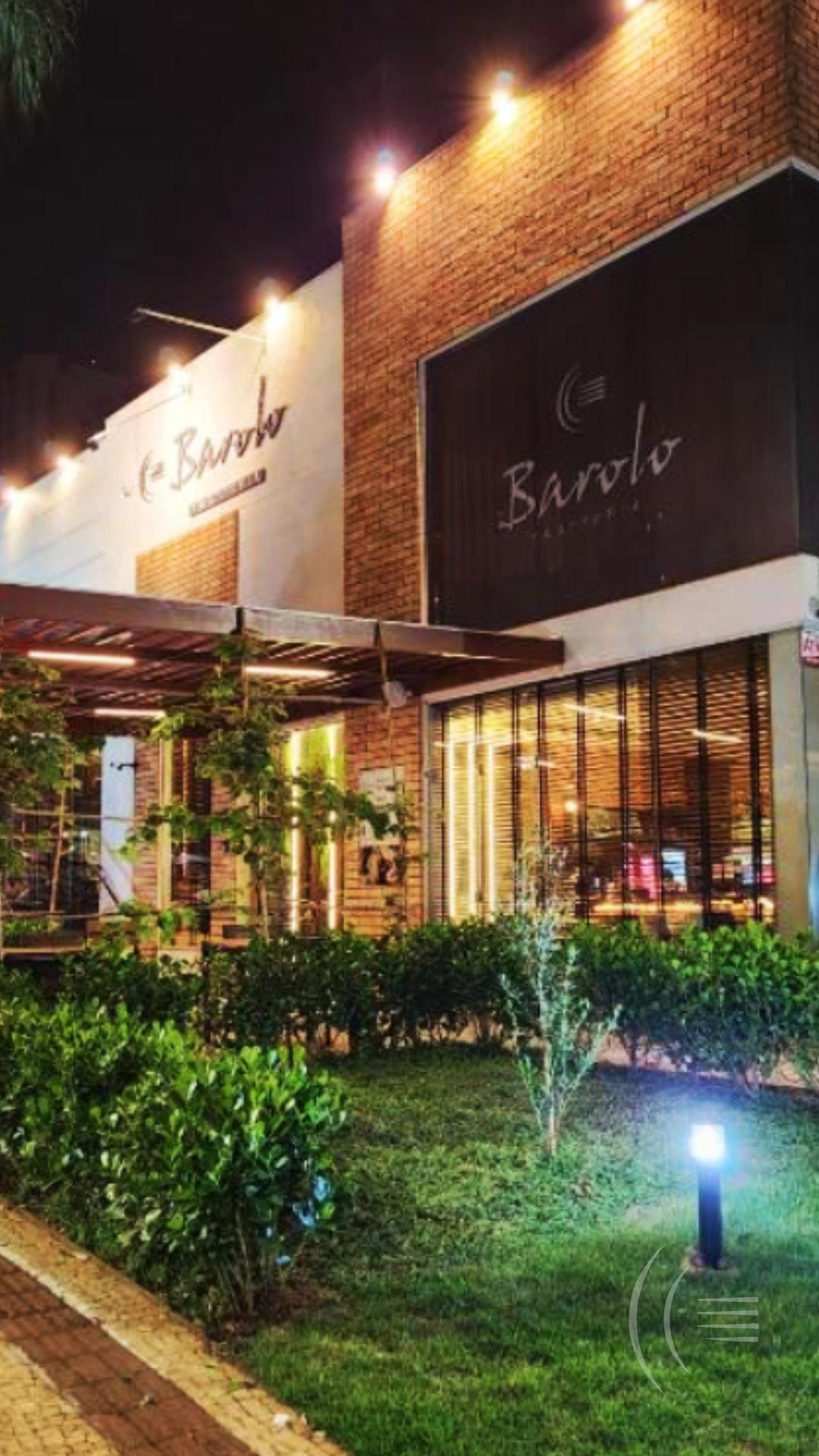
| Barolo Londrina | Classic Italian Trattoria | $$$ | Centro |
| Restaurante La Gondola | Traditional Italian Trattoria | $$$$ | Aeroporto |
| Restaurante Cantinho Português | Traditional Portuguese | $$ | Aeroporto |
Continue exploring
More in Londrina
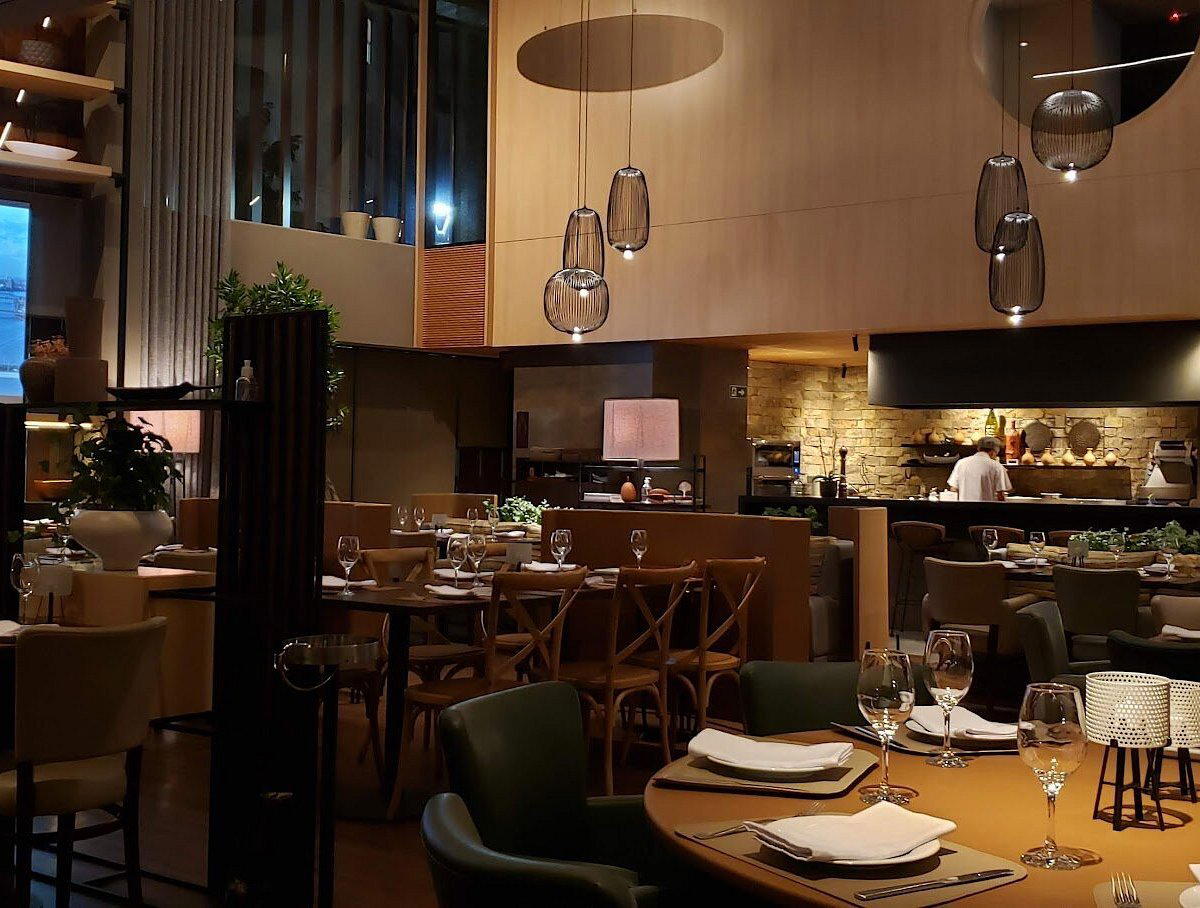
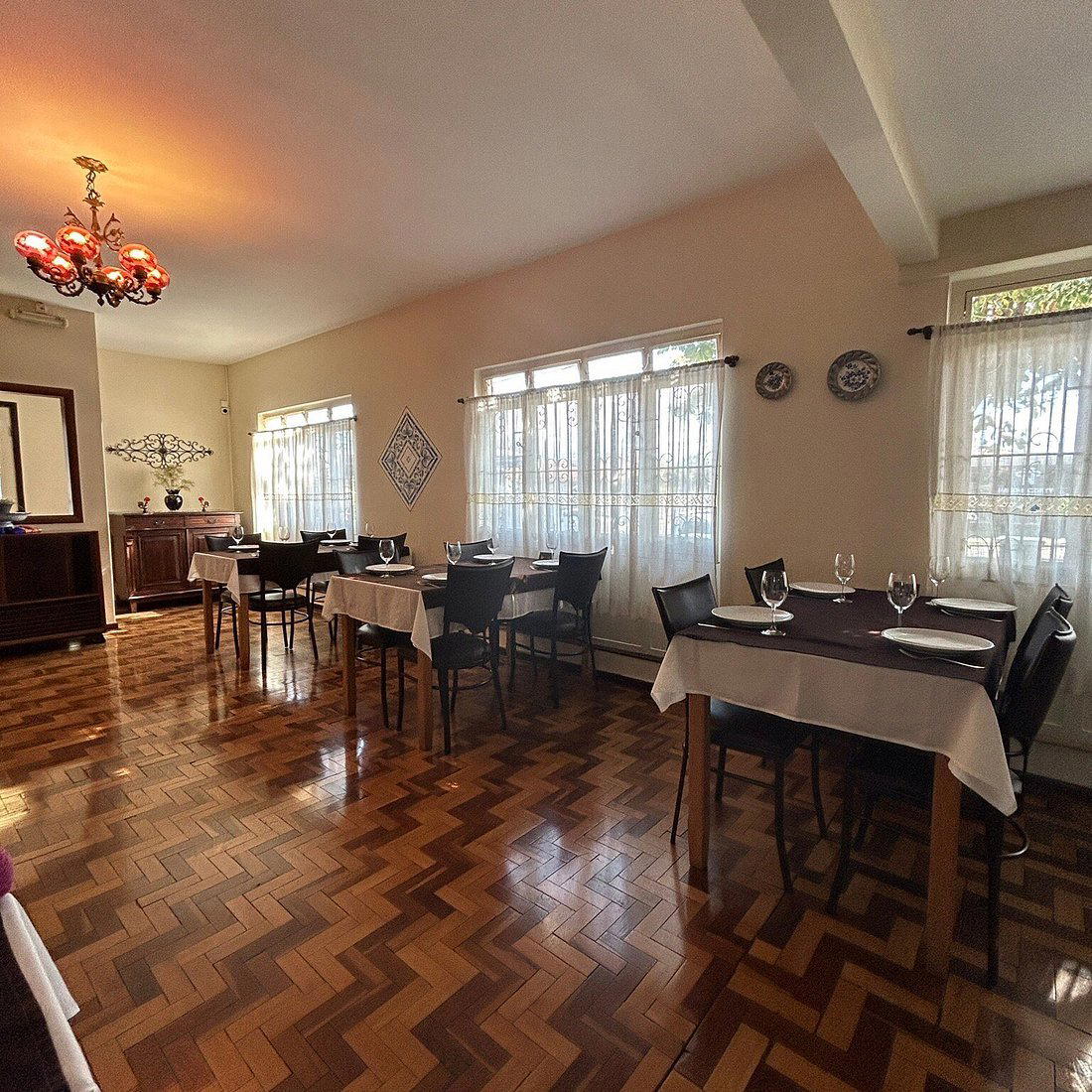
At a Glance
- Lively
- Trendy
- Group Dining
- Casual Hangout
- Open Kitchen
- Sake Program
Current opening hours
- Monday
- 6:30–11 PM
- Tuesday
- 6:30–11 PM
- Wednesday
- 6:30–11 PM
- Thursday
- 6:30–11 PM
- Friday
- 6:30–11 PM
- Saturday
- 12–3 PM, 6:30–11 PM
- Sunday
- 12–3 PM
Hours can change for holidays and private events. Last verified .
Energetic atmosphere centered around interactive yakiniku grilling.