
Tabelog 100 #81
Our verdict
Kamaage Udon Senmon Ten Moto gives Hiratsuka a focused udon address with Tabelog 100 Udon EAST 2024 recognition and a price band that stays in everyday territory. The draw is the kamaage format, where wheat, water, heat, and timing matter more than luxury signals, with Japanese dishes, steak, sake, shochu, and wine broadening the meal without turning it into a tasting-menu production.

Pearl is the En Primeur Club membership app, where members save venues, book tables and use the concierge.
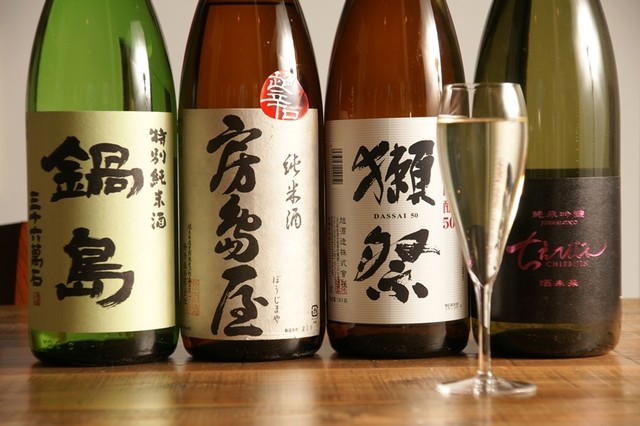
The menu
What to order
- Kamaage udon
- Seasonal vegetable tempura
- Crab miso bagna cauda
- Kuroge wagyu rump steak
In Hiratsuka, the appeal of udon is not spectacle but compression: flour, water, salt, heat, and a kitchen willing to make small decisions visible. Kamaage Udon Senmon Ten Moto belongs to the school of Japanese dining where a bowl can carry more intent than a long menu, and where sourcing starts with the ingredient that cannot be disguised. Wheat noodles expose technique. Overwork them and the bowl turns heavy; under-handle them and the texture loses its pull.
That matters in Kanagawa, where the casual dining field is crowded with curry shops, set-meal counters, izakaya kitchens, and noodle rooms that serve commuters as much as destination diners. In Hiratsuka, Caraway offers another local reference point, while nico and 天一坊 broaden the local map. Moto’s distinction is not price inflation or ceremony. It is the choice to build the meal around kamaage udon, a format that asks the diner to pay attention to noodle temperature, broth, and the clean rhythm of a short-cook dish.
Kamaage udon puts wheat and timing ahead of ornament
Kamaage udon is a plainspoken test of sourcing and handling. The noodles are served after boiling rather than being shocked cold, so the softness, elasticity, and heat retention sit at the center of the meal. In a cuisine culture that often rewards pristine fish or premium beef, udon is a different kind of luxury: the ingredient is modest, but the margin for error is narrow. A restaurant that makes this its headline dish is betting on texture rather than garnish.
Kamaage Udon Senmon Ten Moto’s Tabelog Hyakumeiten recognition for 2024 gives that bet external weight. It places the shop inside a recognized group of udon specialists rather than leaving it as only a local convenience stop. Tabelog’s listed score of 3.62 is not the point by itself; in Japan’s user-review culture, scores in this range for humble specialist restaurants can signal consistent approval without the apparatus of fine dining.
The menu identity stretches beyond noodles into Japanese cuisine and steak. That combination tells a useful story about contemporary regional restaurants outside central Tokyo: specialization does not have to mean austerity. A udon shop can keep the bowl as the anchor while still giving the meal more breadth. The sourcing angle remains practical, not theatrical. Wheat and broth do the serious work; the wider category listing gives mixed appetites a reason to look more closely.
A Hiratsuka room built for local regularity, not destination drama
The setting is best understood as a Hiratsuka dining room rather than a stage-managed destination restaurant. That matters because udon is often treated as quick solo food, but this format can read as something more grounded: a local specialist whose value comes from repetition, focus, and comfort rather than formality. The atmosphere points toward easy regularity rather than hushed performance.
That makes the Hiratsuka context important. This is not Ginza counter dining, nor the reservation choreography associated with Tokyo’s high-price rooms. It is a Kanagawa specialist in an everyday band, specific enough to reward a detour by diners who care about regional noodle culture. Readers mapping a full local circuit can use our full Hiratsuka restaurants guide, then decide whether the rest of the day calls for our full Hiratsuka hotels guide, our full Hiratsuka bars guide, our full Hiratsuka wineries guide, or our full Hiratsuka experiences guide.
The stronger editorial case is value density. In a country where noodle mastery can appear at lunch-counter prices, Moto sits in a category that premium travelers often underread: low-cost, high-specificity dining. The JPY 1,000 to JPY 1,999 range keeps the decision casual, but the 2024 udon recognition makes the meal more than a convenience stop. It is the kind of address that explains why Japan’s serious food culture is not limited to omakase, kaiseki, or wagyu rooms.
How to frame it within a wider Japan itinerary
For travelers moving through Kanagawa, the comparison is less about chasing status and more about choosing the right format for the day. A richer beef-led meal elsewhere in the region asks for a different appetite and a different tempo. Other drinking-and-grill formats can pull an evening toward smoke, seafood, and alcohol. Moto is sharper as a noodle-led stop: lighter, cheaper, and more technically revealing than its price might suggest.
Japan’s wider casual dining map shows the same pattern of specialization across cities. Other focused restaurants, from curry counters to grill rooms and compact noodle specialists, illustrate how single-category confidence can define a meal without fine-dining architecture. Even Japanese-leaning formats overseas show how focused food cultures travel, though udon’s success remains tied to immediacy: noodles, heat, and timing are hardest to separate from the room that serves them.
The verdict is clear enough without overdecorating it. This is a Hiratsuka udon specialist with Tabelog Hyakumeiten recognition in 2024, approachable pricing, and a format that rewards diners who understand that ingredient sourcing is not only about rarity. Sometimes it is about a kitchen choosing an ordinary grain, then giving it nowhere to hide.
Frequently asked questions
Can I bring kids to Kamaage Udon Senmon Ten Moto?
Kamaage Udon Senmon Ten Moto is an udon-focused restaurant in Hiratsuka. For specific visit needs, confirm directly with the restaurant before going.
What should I expect atmosphere-wise at Kamaage Udon Senmon Ten Moto?
Expect a practical udon specialist rather than formal dining theatre. The restaurant’s Tabelog Hyakumeiten recognition for 2024 points to a place valued for its udon focus rather than showmanship.
What's the price range at Kamaage Udon Senmon Ten Moto?
Pricing at Kamaage Udon Senmon Ten Moto is listed as JPY 1,000 - JPY 1,999, with lunch also listed at JPY 1,000 - JPY 1,999.
When can I go to Kamaage Udon Senmon Ten Moto?
Opening hours are not provided here. Check directly with Kamaage Udon Senmon Ten Moto before visiting.
Where is Kamaage Udon Senmon Ten Moto located?
Hiratsuka.
Snapshot
Comparable venues by cuisine and price in the same metro.
| Venue | Cuisine | Price | Awards | Notes |
|---|---|---|---|---|
| Kamaage Udon Senmon Ten MotoThis venue (the venue you are viewing) | Handmade Udon & Teppanyaki Japanese | $10–20 | Tabelog 100 #81 | Not listed |
| 天一坊 | japanese | Not listed | Not listed | Hiratsuka |
| nico | Artisanal bakery for bread, sandwiches, and Western-style sweets | $1–10 | Tabelog 100 #6 | Hiratsuka |
| Caraway | Japanese Western-style curry & pasta | $10–20 | Tabelog 100 #38 | Hiratsuka |
| Koja Sobaya (古謝そば屋) | Authentic Miyako Soba | $1–10 | Not listed | Hirara, Miyakojima City |
| Maki no Udon (牧のうどん 空港店) | Traditional Fukuoka Kamaage Udon | $1–10 | Not listed | Hakata |
Recognition history
Dated appearances from independent guides and award organizations, with the underlying list record or original source where available.
Tabelog 100 #81 · No. 81
Tabelog · Tabelog 100 - Udon - EAST - 2024
Continue exploring
More in Hiratsuka
Restaurants in Hiratsuka
All restaurants in Hiratsuka →



Bars in Hiratsuka
Browse all →




Details
- Cozy
- Modern
- Intimate
- Lively
- Family
- Group Dining
- Casual Hangout
- After Work
- Solo
- Standalone
- Sake Program
- Local Sourcing
- A La Carte
- Small Plates
- Sake
Current opening hours
- Monday
- Closed
- Tuesday
- 11:30 AM–3 PM, 5:30–9 PM
- Wednesday
- 11:30 AM–3 PM, 5:30–9 PM
- Thursday
- 11:30 AM–3 PM, 5:30–9 PM
- Friday
- 11:30 AM–3 PM, 5:30–9 PM
- Saturday
- 11:30 AM–3 PM, 5:30–9 PM
- Sunday
- Closed
Hours can change for holidays and private events. Hours as of .
Bright, wood-accented interior with a friendly, at-home feel; mix of table, horigotatsu, and tatami seating creates a relaxed, intimate atmosphere suited to families and small groups.