Our verdict
On Theatinerstraße in Munich's city centre, KAIMUG occupies one of the German dining scene's more interesting positions: a restaurant whose name and address signal genuine ambition in a neighbourhood dominated by tourist-facing brasseries and legacy fine dining. The address places it within reach of the Residenz and Hofgarten, making it a natural stopping point for anyone moving through Munich's historic core.

Pearl is the En Primeur Club membership app — saves, bookings, and concierge access live there. Same editors, same standards.
- Address
- Theatinerstraße 15, 80333 München, Germany
- Phone
- +49 89 20603325
- Hours
- Mon–Sat 11 AM–9 PMSun Closed
- Website
- kaimug.de
- Directions
- Get directions
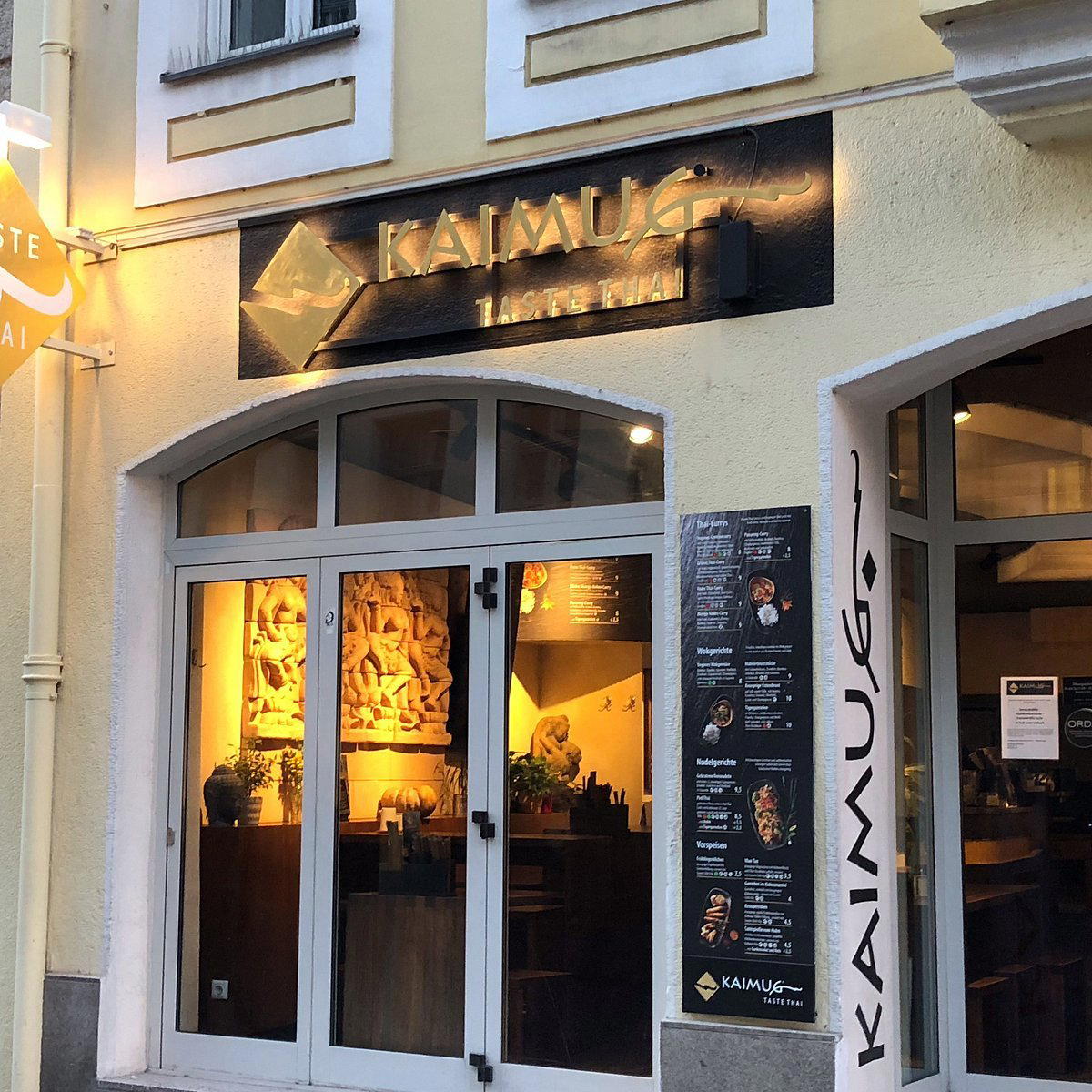
The menu
What to order
- Pad Thai
- Rotes Thai-Curry
- Mango-Kokos-Curry
- Grünes Thai-Curry
Theatinerstraße and What It Asks of a Restaurant
Theatinerstraße 15 is not a forgiving address. The street runs through the commercial and cultural spine of central Munich, linking Odeonsplatz to the shopping corridors further south, and the foot traffic it generates cuts both ways: high visibility, but also a neighbourhood that has historically rewarded reliability over ambition. The restaurants that have carved lasting reputations on and immediately around this stretch tend to do so either by anchoring themselves to Bavarian tradition or by pitching clearly at the city's fine dining circuit. KAIMUG holds a position on that street that immediately raises a question about which direction it has chosen.
Munich's central dining scene has matured considerably over the past decade. The city now holds multiple Michelin-starred addresses spread across its inner districts, and the competition for the attention of a well-travelled, food-literate clientele has pushed kitchens to define their identity more precisely. The contrast with destinations an hour or two away is instructive: kitchens like Schwarzwaldstube in Baiersbronn or ES:SENZ in Grassau operate in relative geographic remove, allowing the restaurant to become the destination. A city-centre address like Theatinerstraße demands that the restaurant earn its place within the noise of an already dense offer.
How the Menu Tells the Story
In contemporary European restaurant culture, menu architecture has become one of the more reliable indicators of a kitchen's underlying philosophy. The shift from à la carte to tasting formats, the decision to offer three courses versus seven, the presence or absence of a vegetarian parallel menu — these structural choices communicate intent before a single dish arrives. They reveal whether a kitchen is primarily interested in accessibility, in technique, or in a specific kind of control over the dining arc.
Restaurants operating in Munich's premium tier, including JAN and Atelier, have largely committed to fixed tasting formats that let the kitchen impose a coherent progression. Tohru in der Schreiberei layers German and Japanese frameworks across its menu structure, and that hybrid logic is readable in the sequencing of dishes. Alois - Dallmayr Fine Dining draws on the cultural weight of the Dallmayr address and uses that context to frame its creative output. Each of these kitchens uses menu structure as a form of editorial argument, and what they include or exclude signals as much as the food itself.
In a city where the legacy of Tantris — the institution that anchored Munich's fine dining identity across multiple decades, still shapes expectations around what a serious menu should look and feel like, any kitchen operating in this city is implicitly in conversation with that heritage.
Situating KAIMUG in Munich's Current Dining Circuit
Germany's restaurant scene has never been more varied in its reference points. Kitchens like Victor's Fine Dining by Christian Bau in Perl, Vendôme in Bergisch Gladbach, and Waldhotel Sonnora in Dreis demonstrate the geographic spread of serious cooking across the country, while Berlin entries like CODA Dessert Dining push genre boundaries in ways that challenge standard category thinking. Hamburg's Restaurant Haerlin and the Moselle's Schanz in Piesport show how classical frameworks continue to generate critical recognition when executed with discipline. And further afield, dining programmes at addresses like Aqua in Wolfsburg confirm that Germany's leading tables are spread far beyond its major cities.
Within Munich specifically, the conversation is between a relatively small number of kitchens operating at genuine ambition, and a larger population of restaurants serving the city's substantial appetite for quality without necessarily pushing the formal or conceptual registers of the above. KAIMUG's Theatinerstraße address places it in the latter context geographically, central, accessible, high-footfall, while the name and presence on the street suggest a kitchen with a defined point of view rather than a generalised offer.
Internationally, the trajectory of city-centre fine dining has moved in a consistent direction: tighter menus, shorter service windows, and a more deliberate calibration of what the kitchen can control. Le Bernardin in New York City has maintained its position over decades by narrowing its focus rather than expanding it. Lazy Bear in San Francisco operates an entirely different model, communal, ticketed, format-driven, but equally demonstrates how clarity of concept is what holds a room's attention in a competitive market. Both serve as reference points for understanding how kitchen architecture, in the widest sense, shapes the dining experience from the outside in.
A Note on the Regional Reference Set
Comparing Munich to other German cities with serious dining scenes is useful for calibrating expectations. Trier's Bagatelle operates in a very different urban context, smaller city, different visitor profile, different competitive pressure, and yet the quality of execution it represents demonstrates that serious cooking is not exclusively a function of city size or density. Munich's advantage is critical mass: enough population, enough visiting professionals and tourists with high food literacy, to sustain a broader range of serious formats.
That critical mass is what makes Theatinerstraße a genuinely competitive location, and what makes KAIMUG's presence on it worth attention. For an overview of where KAIMUG fits within Munich's wider dining picture, the full Munich restaurants guide maps the city's offer across neighbourhoods, formats, and price points.
Planning a Visit
Theatinerstraße 15 sits in the first arrondissement of Munich's historic centre, within a short walk of Odeonsplatz U-Bahn station (U3, U4, U5, U6 lines), making the location direct to reach from most parts of the city and directly accessible from the Hauptbahnhof via a single line change. The neighbourhood is busiest on weekend afternoons when shopping traffic peaks, and the dining room will likely reflect the energy of its surroundings on those evenings. Midweek visits to city-centre restaurants of this type generally allow for a quieter, more concentrated experience. Given the address's visibility, it is worth contacting the restaurant directly to confirm current hours and availability, as city-centre kitchens at this level often maintain tighter service schedules than their accessible locations might suggest.
Frequently asked questions
What's KAIMUG's location?
KAIMUG is located at Theatinerstraße 15, 80333 München, Germany, Munich.
Is KAIMUG suitable for a business dinner in Munich's city centre?
The Theatinerstraße 15 address places KAIMUG in the commercial and civic core of Munich, within walking distance of Odeonsplatz and the main retail and office district. That positioning makes it a practical choice for professional dining where location and accessibility matter alongside the meal itself. Check current table configuration with the venue when booking if a private or semi-private setting is a requirement.
What should I order at KAIMUG?
Restaurants operating at this level on Theatinerstraße — one of Munich's most commercially and culturally loaded streets — tend to build menus with a clear internal logic. Ask front-of-house about the day's strongest offering and let the sequence do its work.
Do I need a reservation for KAIMUG?
Yes. KAIMUG sits at Theatinerstraße 15, a high-footfall corridor in Munich's historic centre that draws both local professionals and visitors in significant numbers. Booking ahead removes the uncertainty, particularly for dinner or weekend slots.
Accolades, Compared
A quick snapshot of similar venues for side-by-side context.
| Venue | Cuisine | Price | Awards | Notes |
|---|---|---|---|---|
| KAIMUGThis venue — the venue you are viewing | Authentic Thai Fast-Casual | $10–20 | Not listed | Not listed |
| Tantris | Modern French Fine Dining | $300–500 | 2 Michelin Stars · World's 50 Best #73 | Modern French, French Contemporary |
| Tohru in der Schreiberei | Modern Japanese-European Fusion Fine Dining | $300–500 | Michelin Plate · La Liste Top Restaurants | Modern German - Japanese, Modern Cuisine |
| Alois - Dallmayr Fine Dining | Modern Bavarian Fine Dining with French and Nordic Influences | $300–500 | 2 Michelin Stars · La Liste Top Restaurants | Creative |
| Atelier | Modern German with Asian Influence | $200–300 | 2 Michelin Stars · La Liste Top Restaurants | Creative French |
| Acquarello | Modern Italian Fine Dining | $100–150 | 1 Michelin Star | Italian - Mediterranean, Italian |
Details
- Modern
- Trendy
- Casual Hangout
- Solo
- Open Kitchen
- Beer Program
- Local Sourcing
- A La Carte
- Counter Dining
- Beer
- Homemade Drinks
- Vegetarian Friendly
- Vegan Options
- Gluten Free Options
Current opening hours
- Monday
- 11 AM–9 PM
- Tuesday
- 11 AM–9 PM
- Wednesday
- 11 AM–9 PM
- Thursday
- 11 AM–9 PM
- Friday
- 11 AM–9 PM
- Saturday
- 11 AM–9 PM
- Sunday
- Closed
Hours can change for holidays and private events. Last verified .
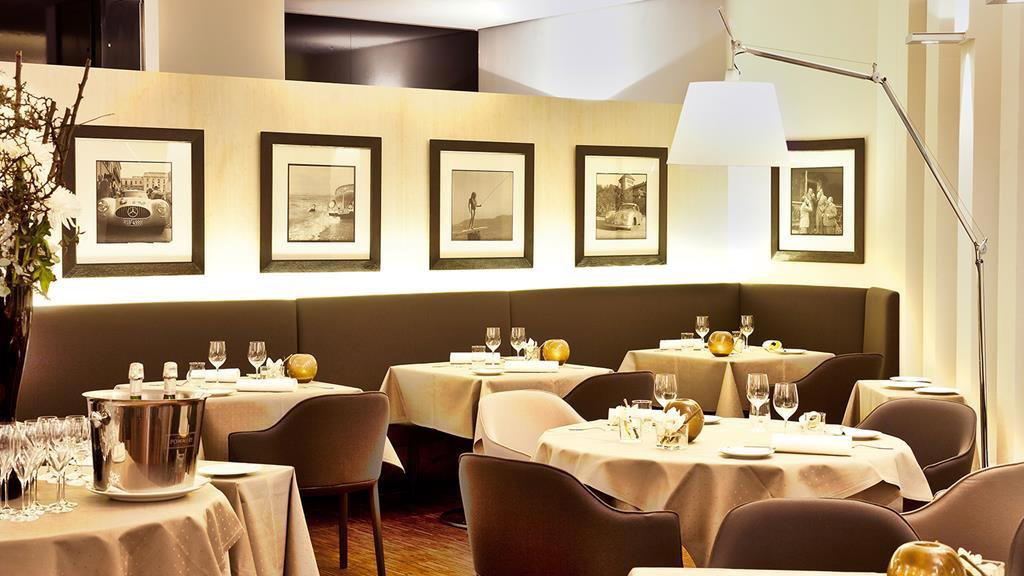
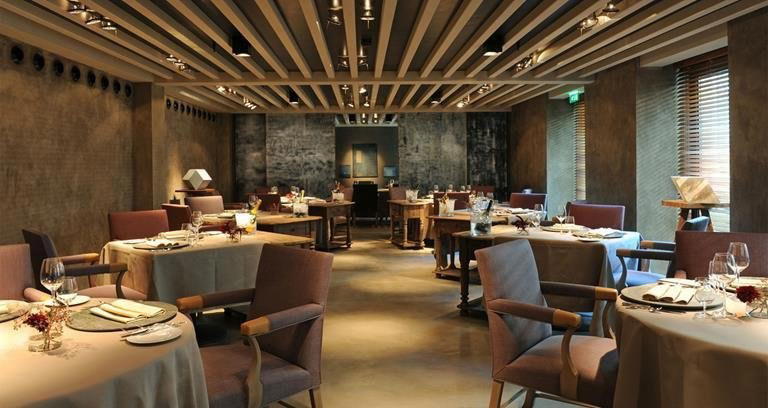
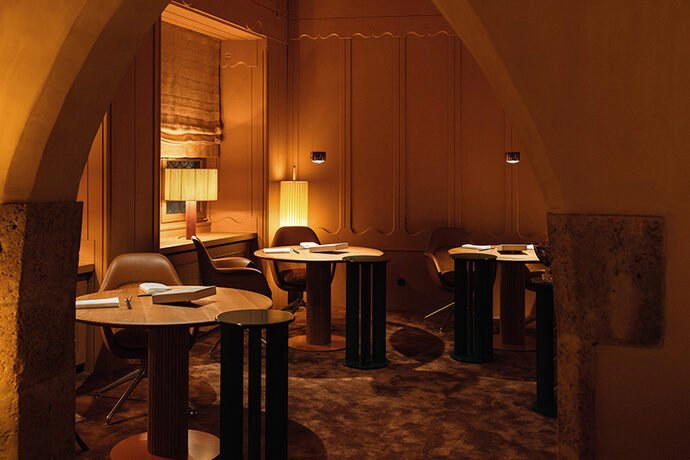
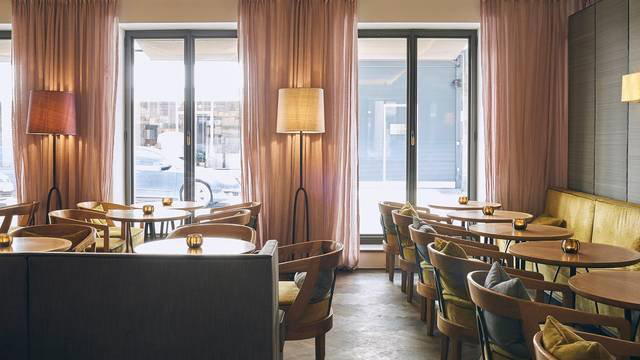
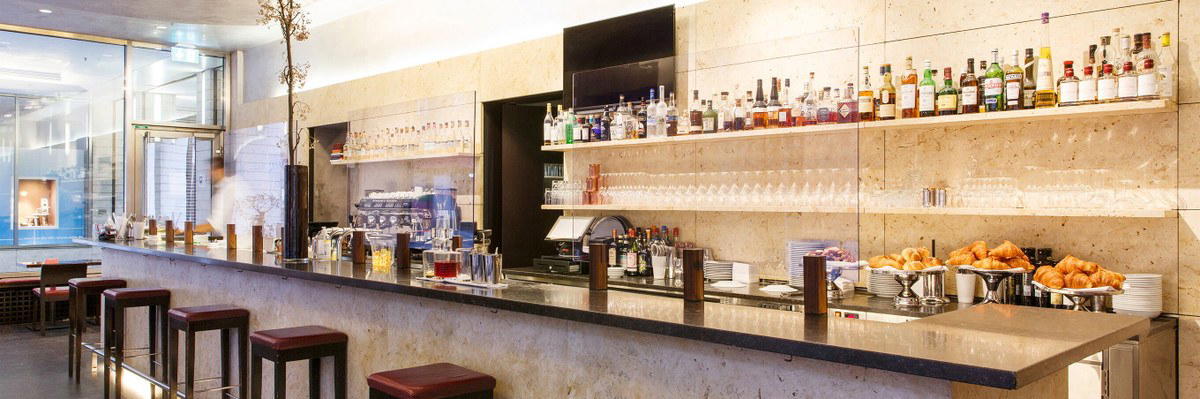
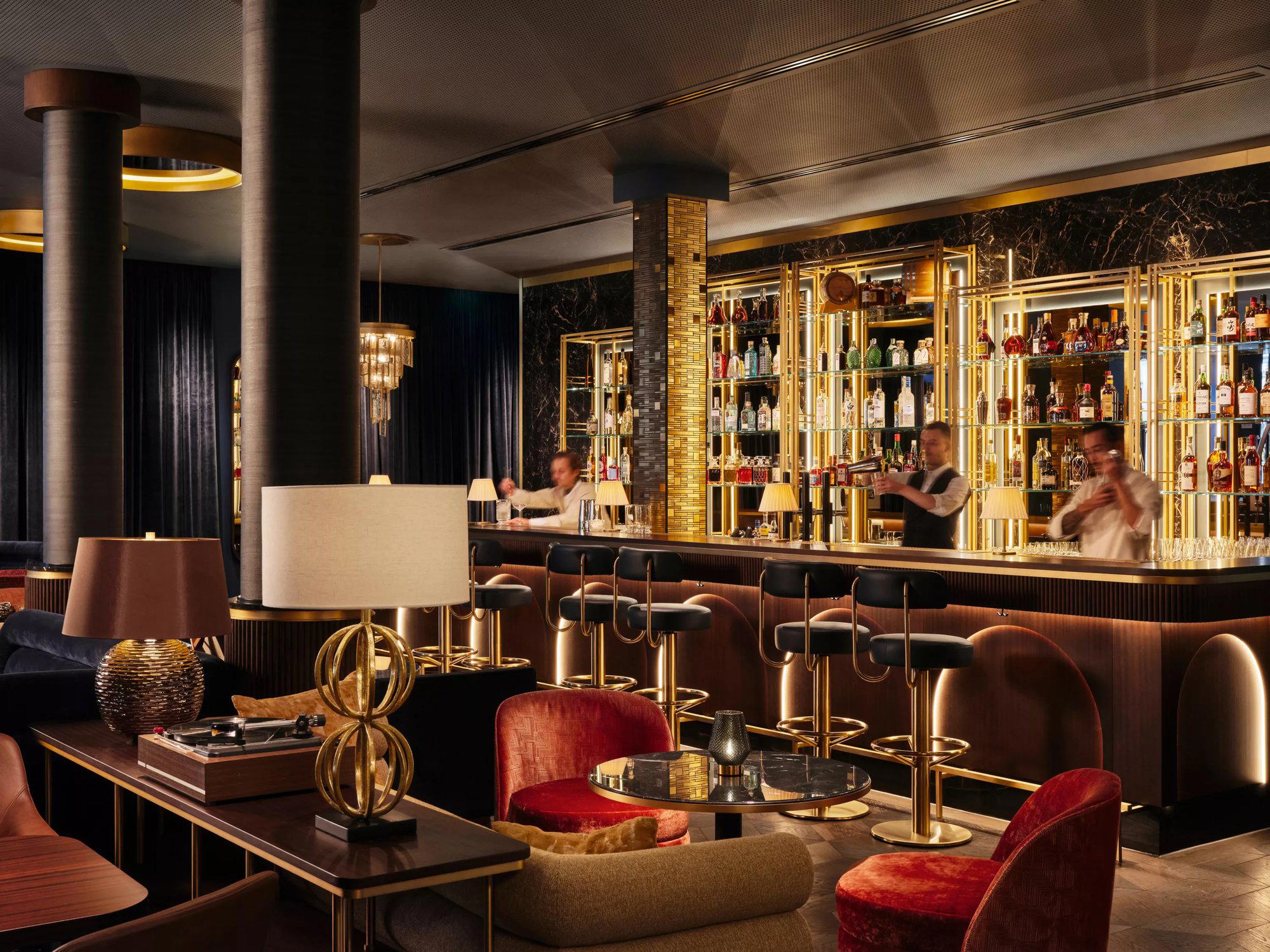
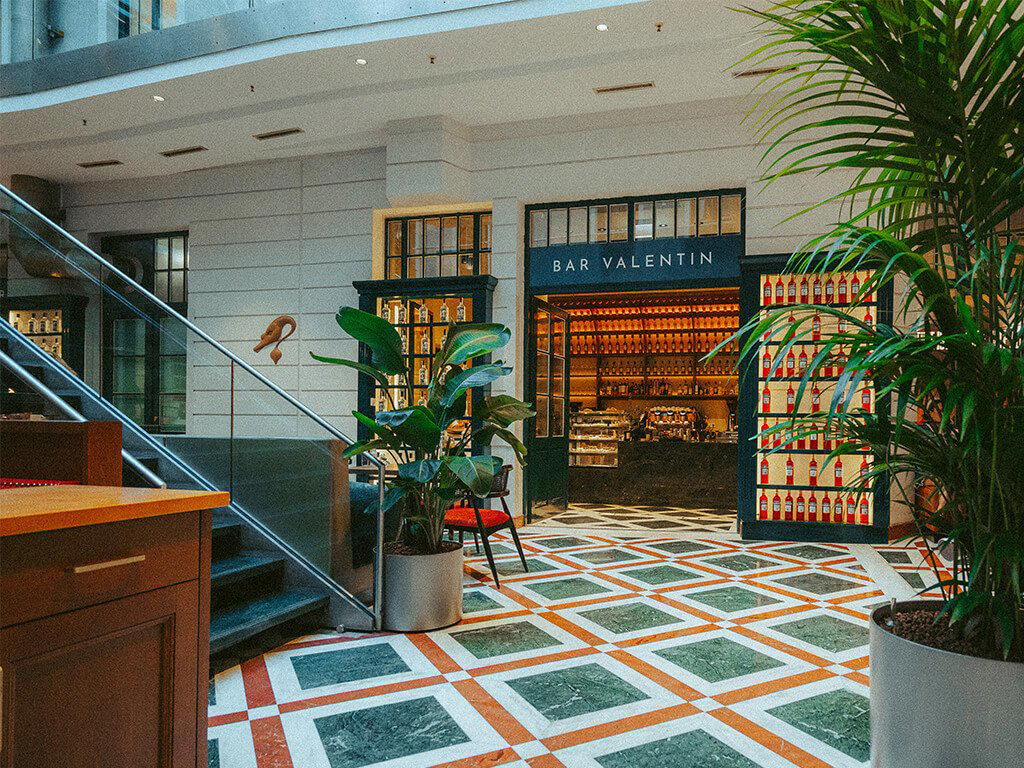
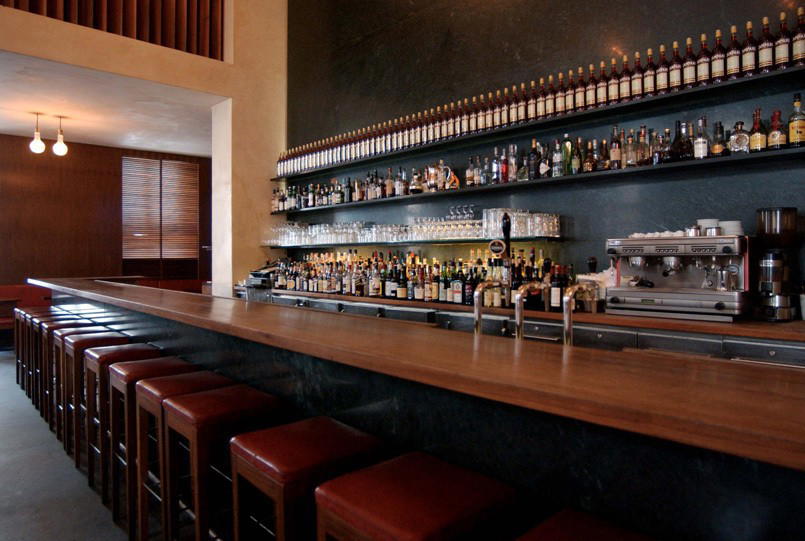
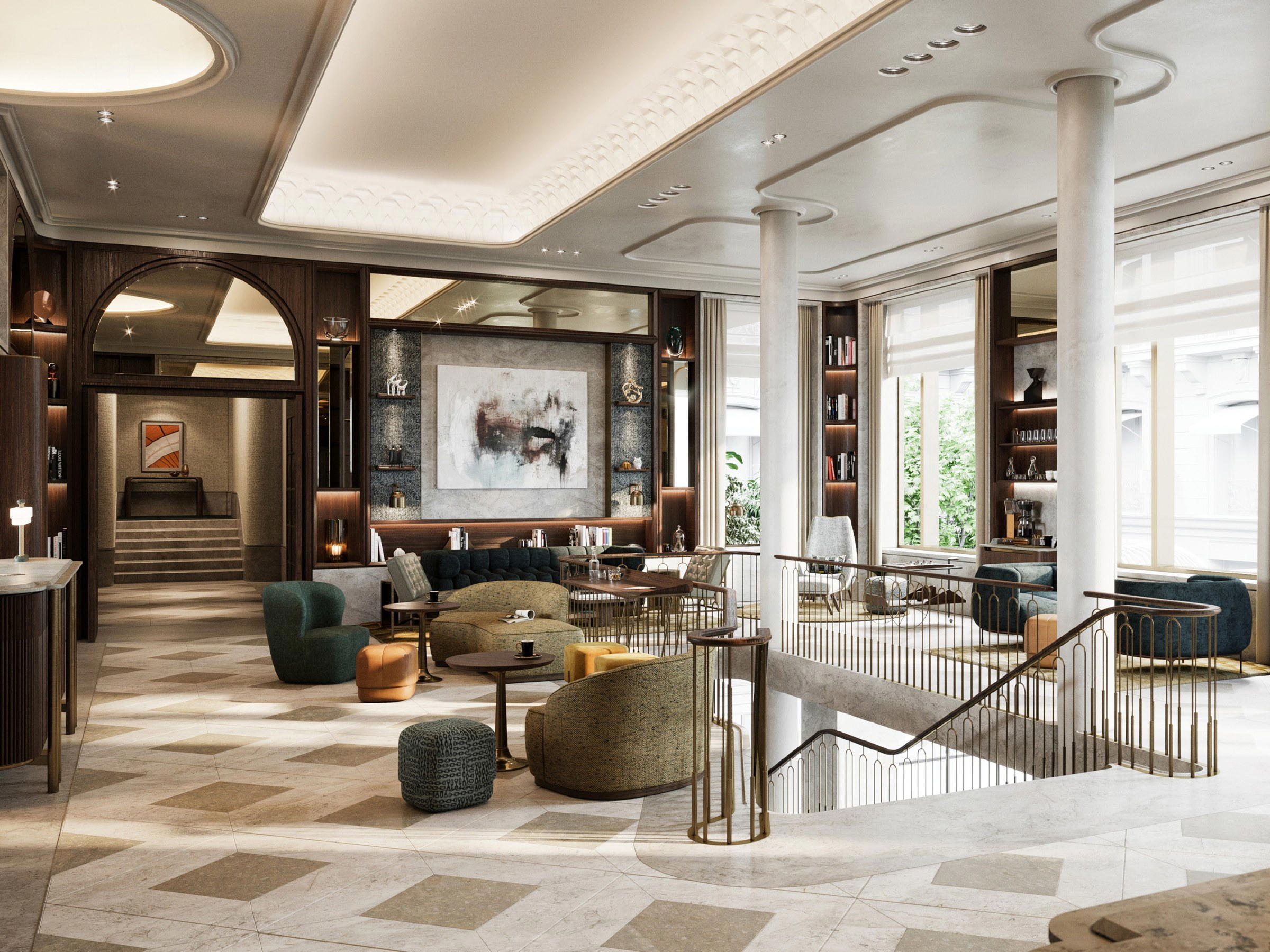
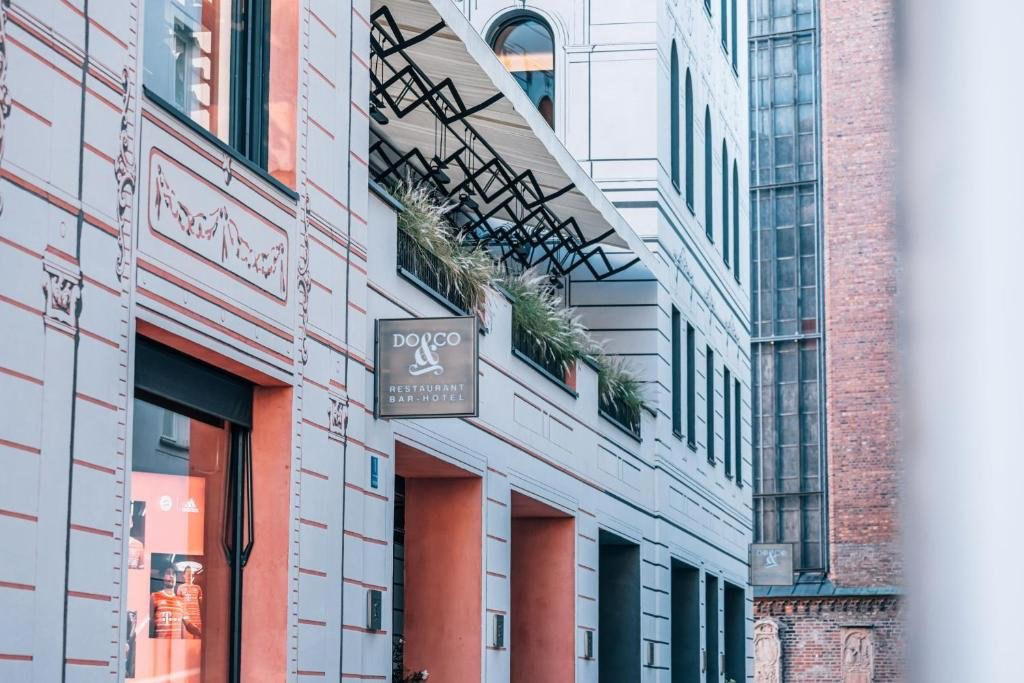
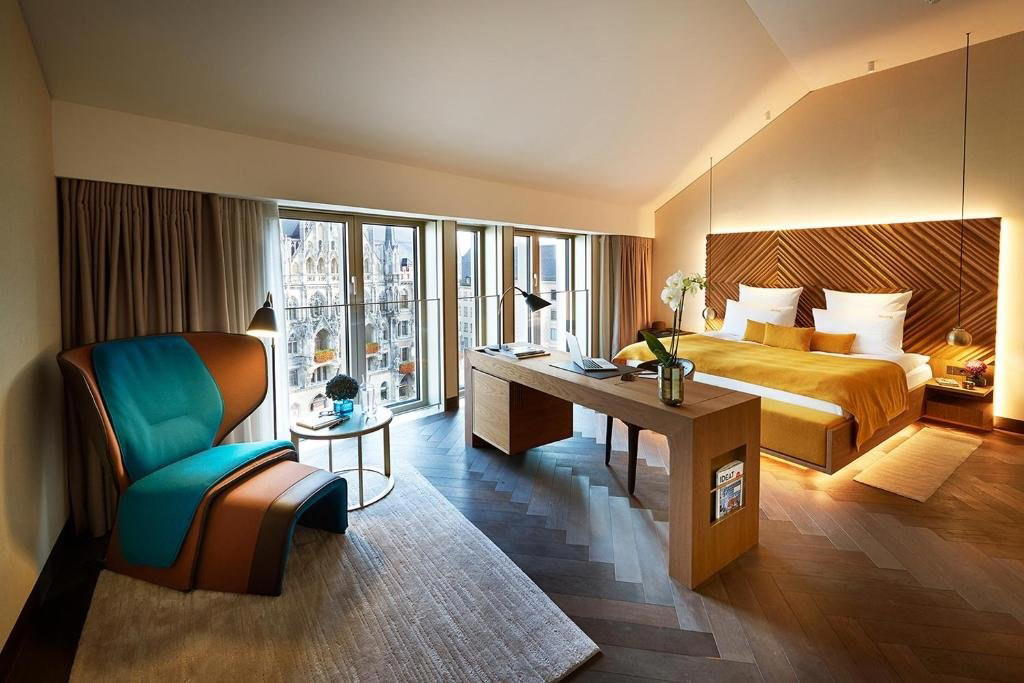
Modern, bright fast-casual setting with open kitchen allowing diners to watch chefs cook; bustling during lunch hours with efficient counter service.