
Kaikyo So belongs to the far-north seafood tradition of Oma, where the strait matters more than dining-room theatre. Its Tabelog 100 - Diner - 2026 selection, seafood-bowl format, tatami room and open terrace place it in a regional category built around fish sourcing, sake, shochu and a direct relationship with the coast.
Pearl is the En Primeur Club membership app — saves, bookings, and concierge access live there. Same editors, same standards.
- Address
- Omataira-17-734 Oma, Shimokita District, Aomori 039-4601, Japan
- Phone
- +81 175-37-3691
- Website
- oma123.sakura.ne.jp
 Saves & bookings on Pearl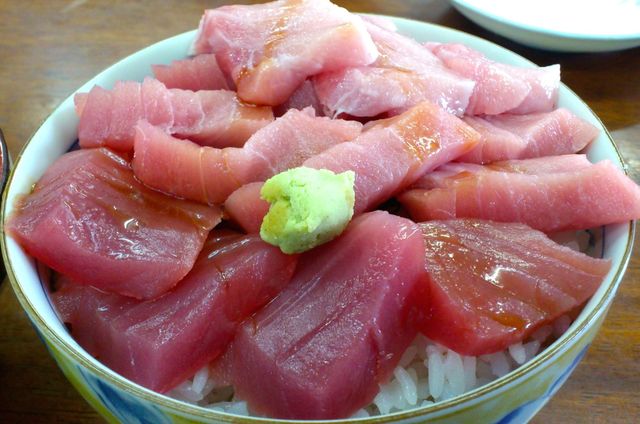
At the northern edge of Aomori, the room reads less like a metropolitan restaurant than a coastal checkpoint: tatami seating, an open terrace and an ocean-facing setting put the strait in the foreground before any menu category does. Oma is not a neutral backdrop for seafood. It is one of Japan’s fishing names with real culinary weight, and that context changes how a cafeteria, seafood and kaisen-don address can carry destination value.
Kaikyo So sits in that tradition rather than in the polished counter culture associated with major-city sushi. The useful comparison is not a luxury omakase room in Tokyo, but the regional Japanese diner where fish quality, access and timing do the serious work. Its selection for Tabelog 100 - Diner - 2026 gives the place a national signal within a category that often gets less international attention than sushi, kaiseki or French-influenced tasting menus.
Oma seafood without big-city ceremony
Aomori’s northern seafood culture rewards diners who understand geography. The Shimokita Peninsula faces waters where cold currents, port rhythms and short supply chains shape what reaches the table. In that setting, kaisen-don is not a casual fallback; it is a format designed to show fish plainly, without asking the kitchen to turn provenance into theatre.
The restaurant’s listed categories, cafeteria, seafood and kaisen-don, point to a direct style of eating. That matters. In Japanese dining, the line between simple and serious is often misread by travellers trained to equate ambition with long tasting menus. Here, the editorial value lies in the opposite direction: a regional dining room that lets fish, rice and local drinking culture carry the argument.
The drinks listing, sake and shochu, reinforces that frame. These are not decorative pairings in the fine-dining sense; they belong naturally to seafood-led meals across northern Japan. The absence of chef-led mythology also helps. No public chef narrative is needed for the place to make sense. The ingredient route, the town and the format already explain the proposition.
Within Aomori, that makes Kaikyo So a different kind of address from city-based restaurants such as Akai Ringo, Casa del cibo, Dan Dan, gelato natura due and Hata Zen. Those names help map the prefecture’s broader dining range, but the Oma seafood trip has its own logic: travel north, eat close to the water, and judge the meal by how little distance there be between source and bowl.
The Tabelog Diner signal matters more than polish
Tabelog’s diner category is useful because it catches a part of Japanese eating culture that international restaurant awards often miss. A place selected for Tabelog 100 - Diner - 2026 is being recognised within a field where local regularity, category fluency and everyday formats can matter as much as ceremony. Kaikyo So’s Tabelog score of 3.62 gives another benchmark, but the stronger signal is the category itself: this is a diner recognised for a seafood-centred regional format, not a restaurant trying to imitate urban luxury.
That distinction is important for expectation-setting. The listed space includes tatami seating and an open terrace, with private rooms and private use unavailable. This is not a controlled, hushed dining room built around choreography. It belongs to a more public Japanese restaurant tradition, where the setting and the sourcing context carry much of the force.
Among comparison points outside the metro, the pricing and category spread also show how different this meal is from low-cost snack or curry stops such as Yakidango Gingetsu and Ganso Indian Curry Koike, and from mid-range dining such as Asari Honten. The restaurant occupies a higher seafood bracket, and the reason should be read through ingredient access rather than tableware or service theatre.
For readers building an Aomori itinerary, the broader question is how much of the trip should be shaped around food geography. Our full Aomori restaurants guide is the natural starting point for meals across the prefecture; Our full Aomori hotels guide, Our full Aomori bars guide, Our full Aomori wineries guide and Our full Aomori experiences guide help separate a quick city stay from a peninsula-led route.
Who should make the trip north
This is a sharper choice for travellers who care about where fish comes from than for diners chasing formal hospitality. The ocean-view setting and open terrace give the meal a physical relationship to place, while the cafeteria and seafood-bowl format keep the experience grounded. That combination is exactly why the address belongs in a serious Aomori file: not because it performs luxury, but because it expresses a regional seafood economy with unusual clarity.
Readers comparing Japanese dining styles across the country should also notice the contrast with highly specific genre addresses elsewhere, from -Grilled beef Sukiyaki- KAMAKURA TANUKIAN 鎌倉 たぬき庵 in Kamakura and. 鮪と炭火焼き うお炭 秋葉原店 in Tokyo to.cafe in Osaka.know in Kumamoto, (Shoku) Vietnam in Kawasaki and [Curry Senmon Ten] Maruyama Kyoju. in Sapporo. Outside Japan, venues such as Jōdo Saké Bar in Los Angeles and Onigiri Time in Pasadena show how Japanese formats travel; Oma shows why some of them remain tied to origin.
The editorial verdict is simple: the restaurant is for the diner who values seafood context over dining-room spectacle. Its recognition in the 2026 Tabelog diner list, its fish-focused identity and its position in Oma make it a compelling Aomori detour for travellers willing to let geography set the terms of the meal.
Snapshot
Comparable venues by cuisine and price in the same metro.
| Venue | Cuisine | Price | Notes |
|---|---|---|---|
| Kaikyo SoThis venue — the venue you are viewing | Traditional Japanese Seafood | $$ | Not listed |
| Sumibi Yakiniku Daijun | Traditional Japanese Yakiniku | $$ | Tsutsumimachi |
| Dan Dan | Traditional Japanese Izakaya | $$ | Hachinohe City |
| Ikeda Farm | Takko wagyu yakiniku restaurant & butcher | $$ | Takko |
| Sushi Izakaya Taru | Sushi Izakaya & Seafood Tavern | $$ | Shimmachi |
| NATUR | Artisanal Gelato & Ice Cream | $ | Shinmachi |
Recognition history
Dated appearances from independent guides and award organizations, with the underlying list record or original source where available.
Tabelog 100 #91 · No. 91
Tabelog · Tabelog 100 - Diner - 2026
At a Glance
- Scenic
- Cozy
- Rustic
- Solo
- Casual Hangout
- Group Dining
- Waterfront
- Standalone
- Local Sourcing
- Sustainable Seafood
- Waterfront
Simple, traditional, and coastal, with an inn-like atmosphere that feels local and unpretentious.