
Hata Zen sits in Aomori’s serious izakaya tier, where seafood sourcing and sake compatibility matter more than decorative theatrics. Its Tabelog 100 Izakaya EAST selections in 2024 and 2025, plus earlier Japanese cuisine recognition, place it among the region’s more closely watched counters for fish-led drinking food.
Pearl is the En Primeur Club membership app — saves, bookings, and concierge access live there. Same editors, same standards.
- Address
- Japan, 〒030-0803 Aomori, Yasukata, 2 Chome−17−15 1F
- Phone
- +81 17-773-0241
- Website
- hatazen.jp
- Directions
- Get directions
 Saves & bookings on Pearl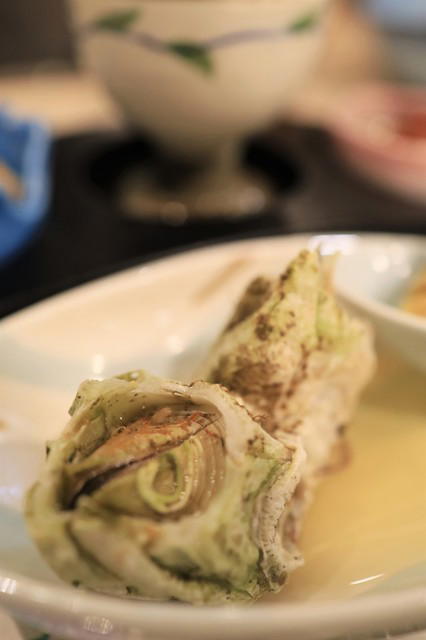
Read Hata Zen as an Aomori izakaya, not a national trophy restaurant, and its purpose comes into focus. The room is intimate, the cooking seafood-led, and the drinking logic runs through nihonshu, shochu and wine rather than a sprawling cocktail program. In northern Japan, a serious izakaya is not a casual afterthought to formal kaiseki; it can be the sharper lens on local fish, drinking culture and the small decisions that separate a good evening from a padded one.
Hata Zen belongs to the compact group of Aomori restaurants where the city’s port identity matters. Aomori dining is shaped by cold-water seafood, apple-country agriculture, Tsugaru cooking traditions and a drinking culture that needs little theatre. Its Tabelog 100 Izakaya EAST selections in 2024 and 2025, plus a Tabelog Japanese cuisine EAST 100 selection in 2021, are useful signals because international guidebook coverage does not explain the city’s hierarchy for visitors. Local Japanese platforms carry more weight here.
Fish-led izakaya cooking is the argument, not decoration
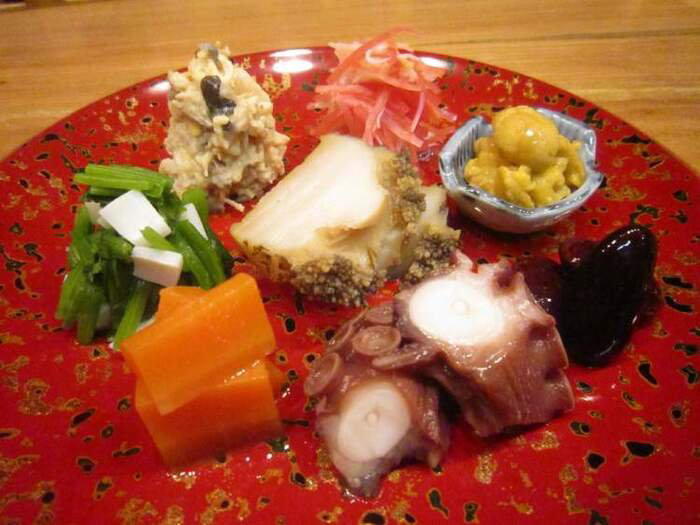
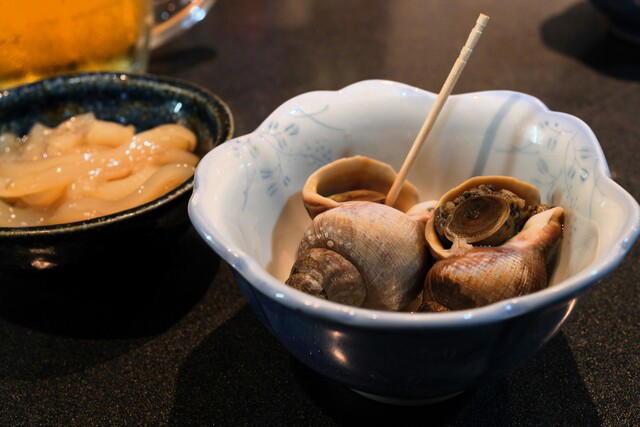
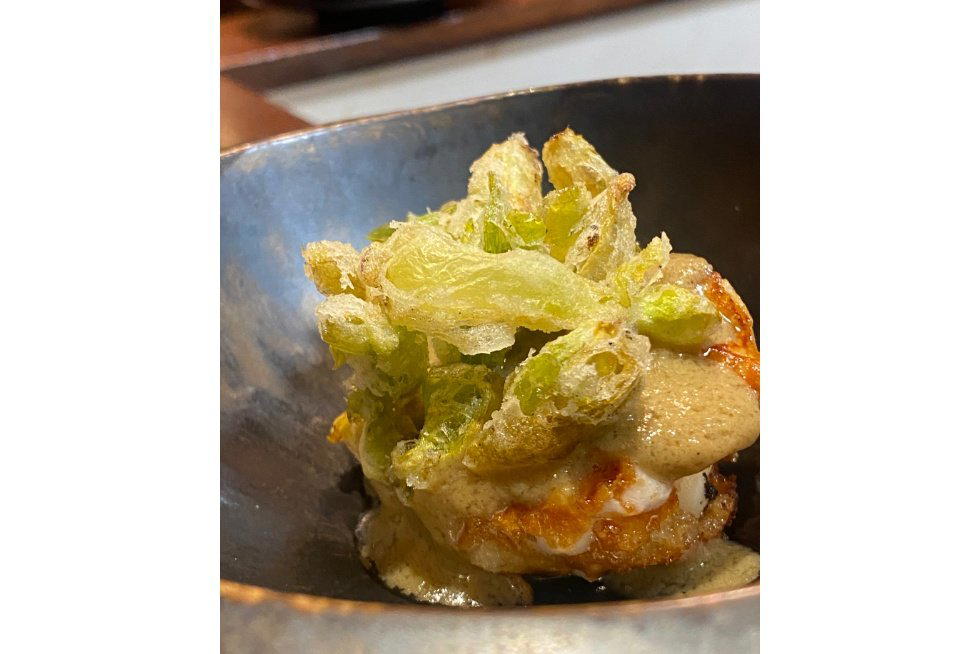
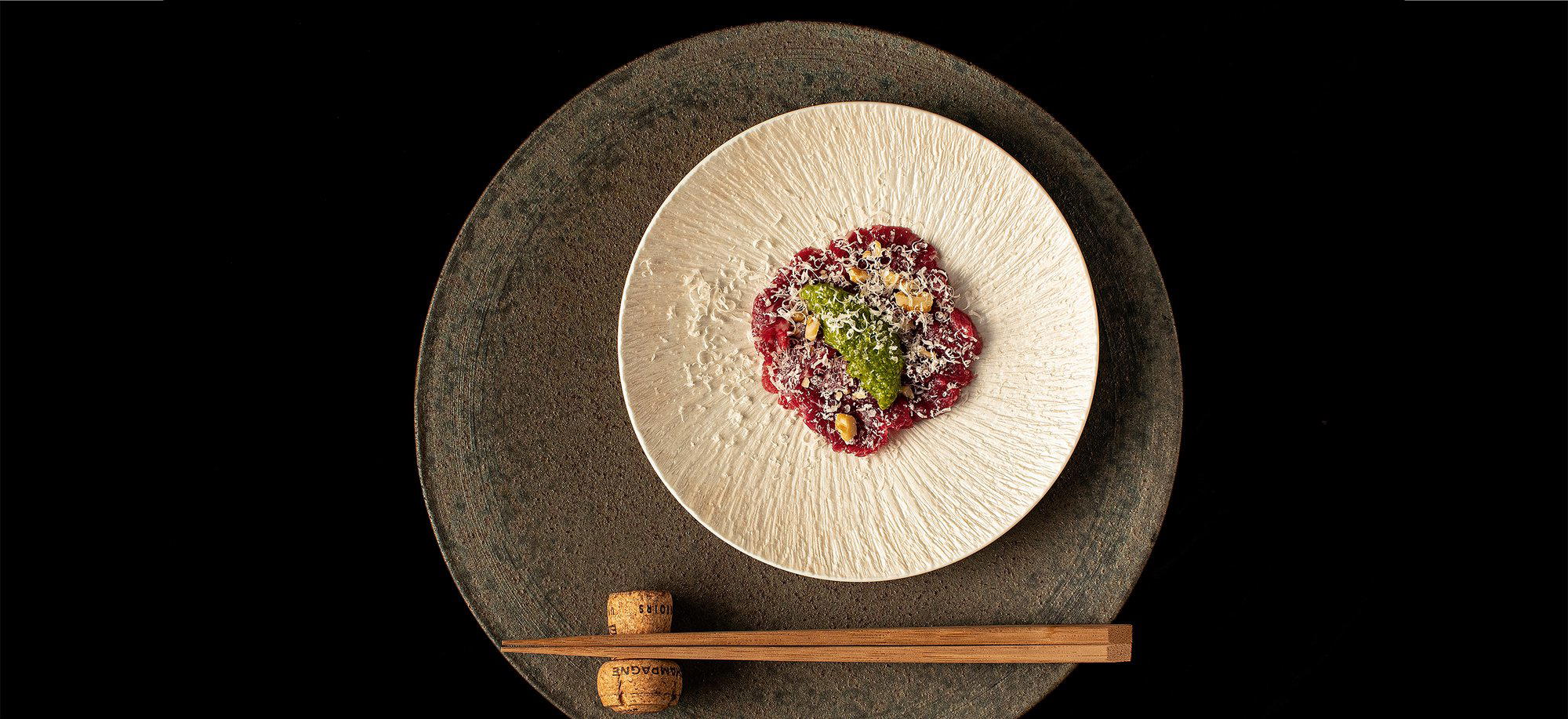
The category is the point. Hata Zen is listed as an izakaya and seafood restaurant, a pairing that matters in Aomori. The izakaya form lets the kitchen move between drinking food and more composed Japanese cooking, while the seafood emphasis anchors it in the region rather than generic urban small plates. The venue’s own listing highlights fish and a drinks program where sake is a clear priority, exactly where a northern izakaya should compete.
That makes it a different choice from a formal regional kappo such as Tsugaru Kappou Mirai, where the spending bracket rises and the structure reads as special occasion. It also differs from lower-priced seafood-drinking rooms such as Sushi Izakaya Taru, where value and informality play a larger role. The restaurant occupies the tighter middle: serious enough to require planning, compact enough to keep izakaya conversation, and local enough that fish sourcing is the premise, not a slogan.
Aomori rewards restraint. Its restaurant scene is not built on Tokyo volume or Kyoto tourism choreography; it is smaller, more seasonal, and dependent on whether a kitchen knows when not to overwork good seafood. That is why the izakaya category is revealing here. A counter or tatami room built around fish and sake can say more about the city than a longer tasting menu imported from elsewhere.
The room suits drinking-food pacing rather than grand dining ritual
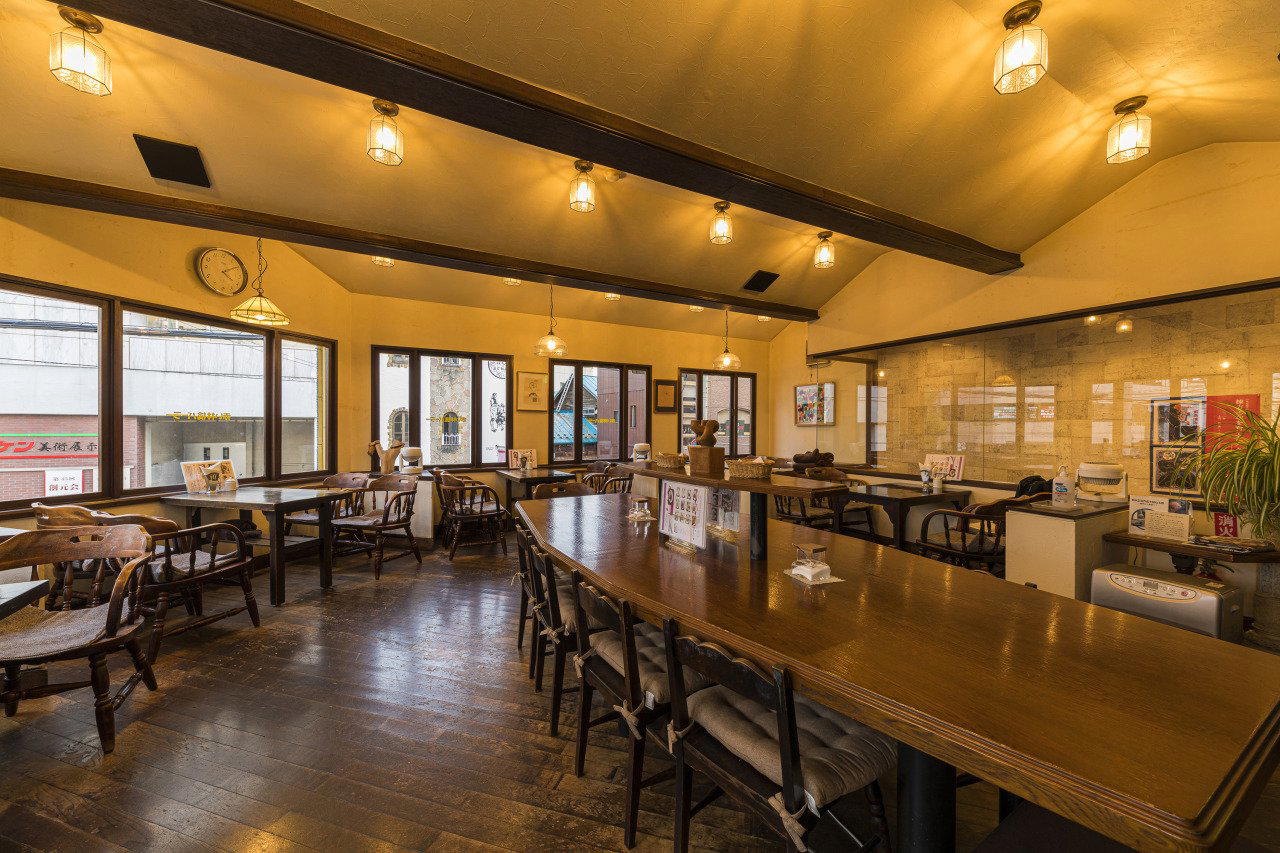
The physical setup points to a low-capacity, close-range meal: counter seating and tatami space, with private rooms available. That matters because an izakaya of this scale lives or dies by pacing. The appeal is not showpiece parade but the sequence of fish, heat, seasoning and drink across an evening. For travellers used to Japan’s rigid restaurant taxonomy, the lesson is useful: an izakaya can be casual in form and serious in standards at once.
The award pattern supports that reading. Tabelog 100 recognition in the izakaya category is not a Michelin star and should not be read as one. It says something narrower and more relevant: Japanese diners have placed the restaurant inside a competitive East Japan group for izakaya, where consistency, drink compatibility and ingredient handling carry the vote. In Aomori, that is a stronger clue than imported luxury language.
Against broader Aomori dining, the restaurant sits where local product and adult drinking culture overlap. Travellers building a city itinerary can use Our full Aomori restaurants guide for the wider spread, then map this meal against other registers: apple-focused dining at Akai Ringo, Italian cooking at Casa del cibo, casual local eating at Dan Dan, dessert-led stops such as gelato natura due, and meat-focused dining at Ikeda Farm. The comparison sharpens the point: the restaurant is the fish-and-sake choice, not the all-purpose answer.
How to place it in an Aomori trip
The planning logic is simple: make it the seafood anchor of an Aomori evening, not a quick drop-in. Reservations are available, and the recognition makes advance planning sensible. Parking is not part of the setup, so fold it into a central-city night rather than a drive-up meal. The room allows smoking, a practical detail for families and travellers sensitive to smoke.
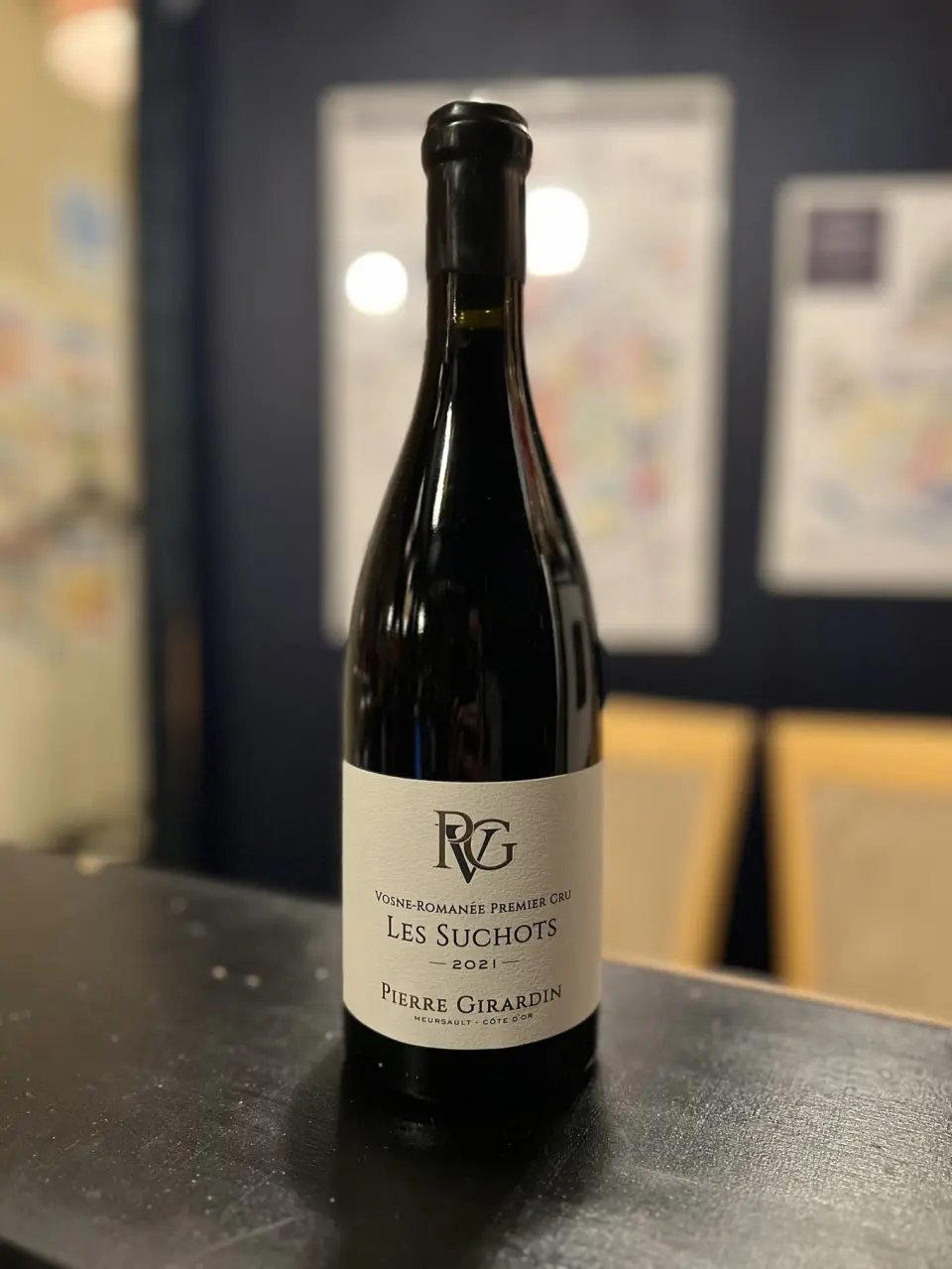
The stated payment setup includes credit cards from JCB, AMEX and Diners, while electronic money and QR code payments are not accepted. In smaller Japanese cities, that can be the difference between a smooth evening and a last-minute cash problem. The drink list also matters: sake is not decorative here, and shochu and wine broaden the pacing for groups not staying on nihonshu all night.
For travellers turning Aomori into a broader northern Japan itinerary, the editorial map matters as much as one dinner. Use Our full Aomori hotels guide for where to sleep, Our full Aomori bars guide for a later drink, Our full Aomori wineries guide for regional bottles, and Our full Aomori experiences guide for context beyond the table. Readers comparing Japanese dining formats elsewhere can also scan -Grilled beef Sukiyaki- KAMAKURA TANUKIAN 鎌倉 たぬき庵 in Kamakura. 鮪と炭火焼き うお炭 秋葉原店 in Tokyo.cafe in Osaka.know in Kumamoto, (Shoku) Vietnam in Kawasaki, [Curry Senmon Ten] Maruyama Kyoju. in Sapporo, Jōdo Saké Bar in Los Angeles, and Onigiri Time in Pasadena.
The editorial case for the restaurant is strongest for travellers who care about the supply chain implied by the plate. Aomori seafood does not need luxury framing; it needs a kitchen and room format that let fish, sake and conversation carry the evening. This regional izakaya helps explain why Japanese drinking restaurants can be as revealing as formal dining rooms.
At-a-Glance Comparison
Comparable venues by cuisine and price in the same metro.
| Venue | Cuisine | Price | Notes |
|---|---|---|---|
| Hata Zen | Aomori seafood-focused Japanese izakaya | $$$ | Yasukata |
| Nano Hana | Japanese Regional Fine Dining | $$$ | Honcho |
| Kaikyo So | Traditional Japanese Seafood | $$ | Oma Town |
| Sushi Izakaya Taru | Sushi Izakaya & Seafood Tavern | $$ | Shimmachi |
| Ikeda Farm | Takko wagyu yakiniku restaurant & butcher | $$ | Takko |
| Tsugaru Kappou Mirai | Tsugaru kappo / kaiseki using local Aomori ingredients | $$$ | Aomori City |
Recognition history
Dated appearances from independent guides and award organizations, with the underlying list record or original source where available.
Tabelog 100 #37 · No. 37
Tabelog · Tabelog 100 - Izakaya - EAST - 2025
At a Glance
- Cozy
- Classic
- Intimate
- Date Night
- Group Dining
- Solo
- Celebration
- After Work
- Special Occasion
- Private Dining
- Standalone
- Sake Program
- Beer Program
- Local Sourcing
Current opening hours
- Monday
- 5:30–11 PM
- Tuesday
- 5:30–11 PM
- Wednesday
- 5:30–11 PM
- Thursday
- 5:30–11 PM
- Friday
- 5:30–11 PM
- Saturday
- 5:30–11 PM
- Sunday
- Closed
Hours can change for holidays and private events. Last verified .
Traditional Japanese izakaya atmosphere on the first floor of a residential building near Utou Shrine, with a relaxed, intimate feel; counter seats where solo diners can unwind, plus small private rooms and a larger tatami-style room suitable for groups, creating a warm, neighborhood-local vibe rather than a formal setting.