
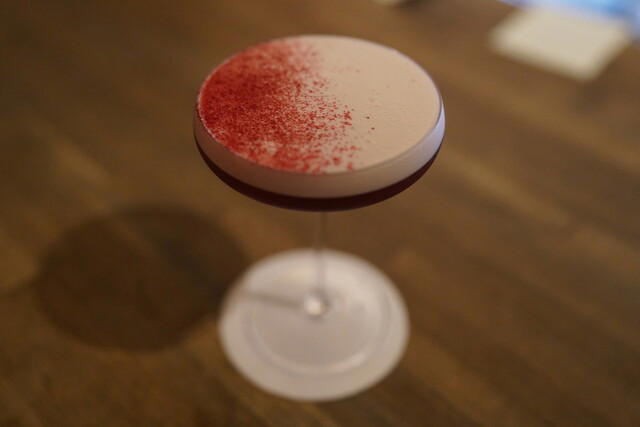
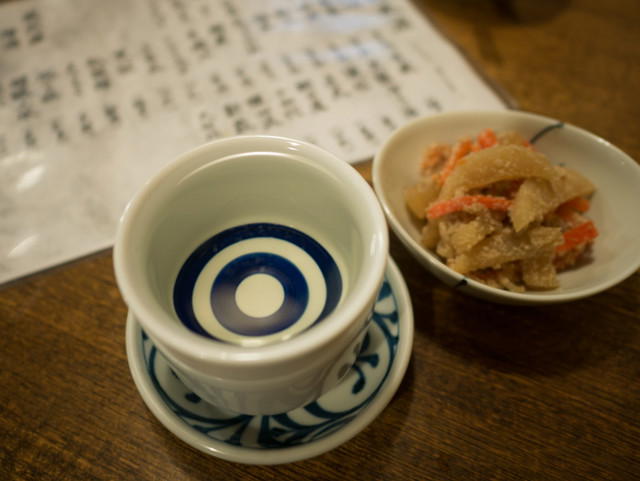
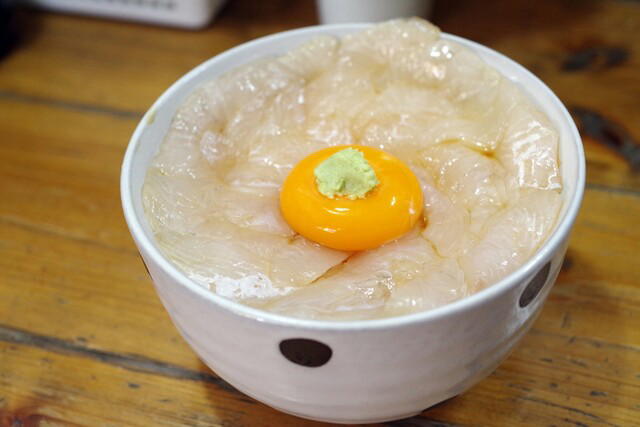
Dan Dan gives Hachinohe’s izakaya culture a fish-led, sake-aware address with national recognition from Tabelog’s 2025 Izakaya EAST 100 selection. The draw is not ceremony but regional confidence: a compact tavern format, seafood emphasis, and a drinks range that places nihonshu and shochu beside wine and cocktails.
Pearl is the En Primeur Club membership app — saves, bookings, and concierge access live there. Same editors, same standards.
- Address
- 青森県八戸市大字鷹匠小路4
- Website
- tabelog.com
- Directions
- Get directions
 Saves & bookings on Pearl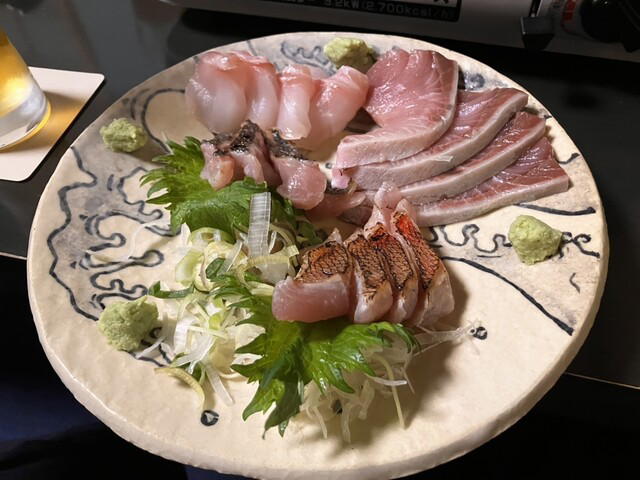
Approaching an izakaya in Hachinohe differs from Tokyo or Osaka. The port economy sets expectations before the menu: fish is not a luxury cue but the baseline by which a tavern proves itself. Dan Dan fits that local grammar, a compact, fish-minded izakaya focused less on performance than sourcing discipline, sake compatibility, and a room that rewards attention over spectacle.
Aomori’s dining identity is often reduced to apples, seafood, and cold-weather comfort, but Hachinohe adds a sharper edge. The Pacific-facing port pulls the region toward practical cooking: grilled fish, seasonal catch, preserved flavors, and drinking food that can carry an evening without posing as a tasting menu. In that context, Dan Dan’s selection for Tabelog’s 2025 Izakaya EAST 100 matters: it places a small Hachinohe tavern in a wider eastern Japan conversation, where izakaya are judged not by luxury signals but by consistency, local relevance, and making drinking and eating inseparable.
Fish, sake, and the Hachinohe izakaya contract
The ingredient story starts with fish, the correct lens in a port city. A fish-focused izakaya is not merely offering seafood; it is measured against everyday local knowledge. Hachinohe diners know when a tavern leans on generic supply, and when the drinks list is built to suit the food rather than fill categories. Dan Dan’s listed strengths, fish and nihonshu, sit in the classic izakaya exchange: salt, smoke, fat, vinegar, and heat need sake that resets the palate without dominating the table.
That pairing logic separates this tier from casual drinking rooms that treat food as accompaniment. The better regional izakaya in Japan work almost like informal seafood houses, but with more elasticity: sake and shochu anchor the night, wine and cocktails broaden the room, and cooking must serve different drinking speeds. Fish sourcing matters more here than a named signature dish. A Hachinohe izakaya earns attention through daily catch quality, small-plate rhythm, and a room that understands how people drink after work or travel.
The Aomori comparison is useful. Minato Shokudo operates in a lower-priced seafood-meal register, with the logic of a direct, daytime-leaning local staple. The restaurant sits in a different evening category, closer to the tavern table than the quick seafood bowl. Casa del cibo belongs to another dining tradition altogether. The distinction helps travellers avoid treating all regional “good food” as interchangeable. Hachinohe’s izakaya culture is about duration, pacing, and a table that can move from fish to drinks without changing address.
A small room with national izakaya recognition
The Tabelog 100 - Izakaya - EAST - 2025 selection gives the restaurant a trust signal especially relevant for travellers outside the prefecture. Tabelog’s Hyakumeiten lists are not international fine-dining awards; their value is identifying genre-specific strength within Japan’s own restaurant culture. For an Aomori izakaya, that is more meaningful than a decorative accolade because it places the tavern against peers across eastern Japan, not just within a tourist map of local seafood.
Format reinforces the point. A 22-seat room, including counter seating and tables, keeps the scale closer to neighbourhood tavern than destination dining room. Counter seats suit solo drinkers, pairs, and travellers who want to read the room without committing to a long, formal meal. Tables keep it social. Tatami-style space adds another, more local register. None of this needs theatre; the value is in the experience’s density, where the fish program, sake orientation, and small capacity do the work.
For readers building an Aomori itinerary, the restaurant belongs on the Hachinohe side of the map rather than the prefectural-capital shorthand. Use Our full Aomori restaurants guide to understand the broader dining spread, then compare how places such as Akai Ringo, Casa del cibo, Hata Zen, Ikeda Farm, and gelato natura due pull the prefecture in different directions. The useful pattern is not a ranked checklist but a read on Aomori’s range, from seafood tavern to Italian-leaning dining, farm-linked cooking, and dessert-focused stops.
How to place it in a wider Japan itinerary
Travellers often over-index on Tokyo and Kyoto when thinking about Japanese izakaya, but regional taverns explain the form more clearly. In a smaller city, the izakaya is infrastructure, not theme. It absorbs after-work drinkers, visiting business guests, local regulars, and food-led travellers into the same category. That mix makes the restaurant’s fish-and-sake emphasis persuasive: it speaks to Hachinohe’s port identity without requiring a formal seafood restaurant frame.
The practical editorial call is clear. This better suits travellers wanting a local evening anchored by fish and Japanese drinks than those seeking a chef-led tasting format or non-smoking contemporary dining room. The value proposition sits in the midrange izakaya band, similar in budget tier to out-of-metro comparison points such as ROSE GARDEN and Ban'ya, but Hachinohe changes the meaning of that spend. Here, paying for a fish-led tavern also means paying for proximity to a food culture shaped by the port.
For a fuller trip, use the category guides around it rather than treating dinner as the whole plan: Our full Aomori hotels guide, Our full Aomori bars guide, Our full Aomori wineries guide, and Our full Aomori experiences guide frame the city beyond a single table. Readers tracing Japanese regional dining more broadly can compare specialist formats elsewhere, from -Grilled beef Sukiyaki- KAMAKURA TANUKIAN 鎌倉 たぬき庵 in Kamakura and. 鮪と炭火焼き うお炭 秋葉原店 in Tokyo to.cafe in Osaka.know in Kumamoto, (Shoku) Vietnam in Kawasaki, and [Curry Senmon Ten] Maruyama Kyoju. in Sapporo. For a sake thread outside Japan, Jōdo Saké Bar in Los Angeles offers a useful contrast, while Onigiri Time in Pasadena shows how Japanese everyday formats travel when removed from their local supply chains.
Side-by-Side Snapshot
Comparable venues by cuisine and price in the same metro.
| Venue | Cuisine | Price | Notes |
|---|---|---|---|
| Dan Dan | Traditional Japanese Izakaya | $$ | Hachinohe City |
| Sumibi Yakiniku Daijun | Traditional Japanese Yakiniku | $$ | Tsutsumimachi |
| Nano Hana | Japanese Regional Fine Dining | $$$ | Honcho |
| Hata Zen | Aomori seafood-focused Japanese izakaya | $$$ | Yasukata |
| Kaikyo So | Traditional Japanese Seafood | $$ | Oma Town |
| Ikeda Farm | Takko wagyu yakiniku restaurant & butcher | $$ | Takko |
Recognition history
Dated appearances from independent guides and award organizations, with the underlying list record or original source where available.
Tabelog 100 #85 · No. 85
Tabelog · Tabelog 100 - Izakaya - EAST - 2025
Continue exploring
More in Aomori
At a Glance
- Cozy
- Lively
- Intimate
- After Work
- Casual Hangout
- Date Night
- Group Dining
- Solo
- Late Night
- Standalone
- Chefs Counter
- Sake Program
- Beer Program
- Craft Cocktails
- Local Sourcing
- Sustainable Seafood
A relaxing, intimate tavern-like space with only 22 seats, counter and tatami seating, and a cozy hideout feel suited to unwinding over drinks and seafood-focused small plates.