
Michelin Plate
Our verdict
A 16-seat U-shaped sushi counter on Porto's residential fringe, Kaigi runs a nine-course omakase built on Japanese-Portuguese fusion, market-driven, format-disciplined, and priced at the €€ tier for what is a Michelin Plate-recognised tasting experience.

Pearl is the En Primeur Club membership app, where members save venues, book tables and use the concierge.
A Counter in the City's Margin
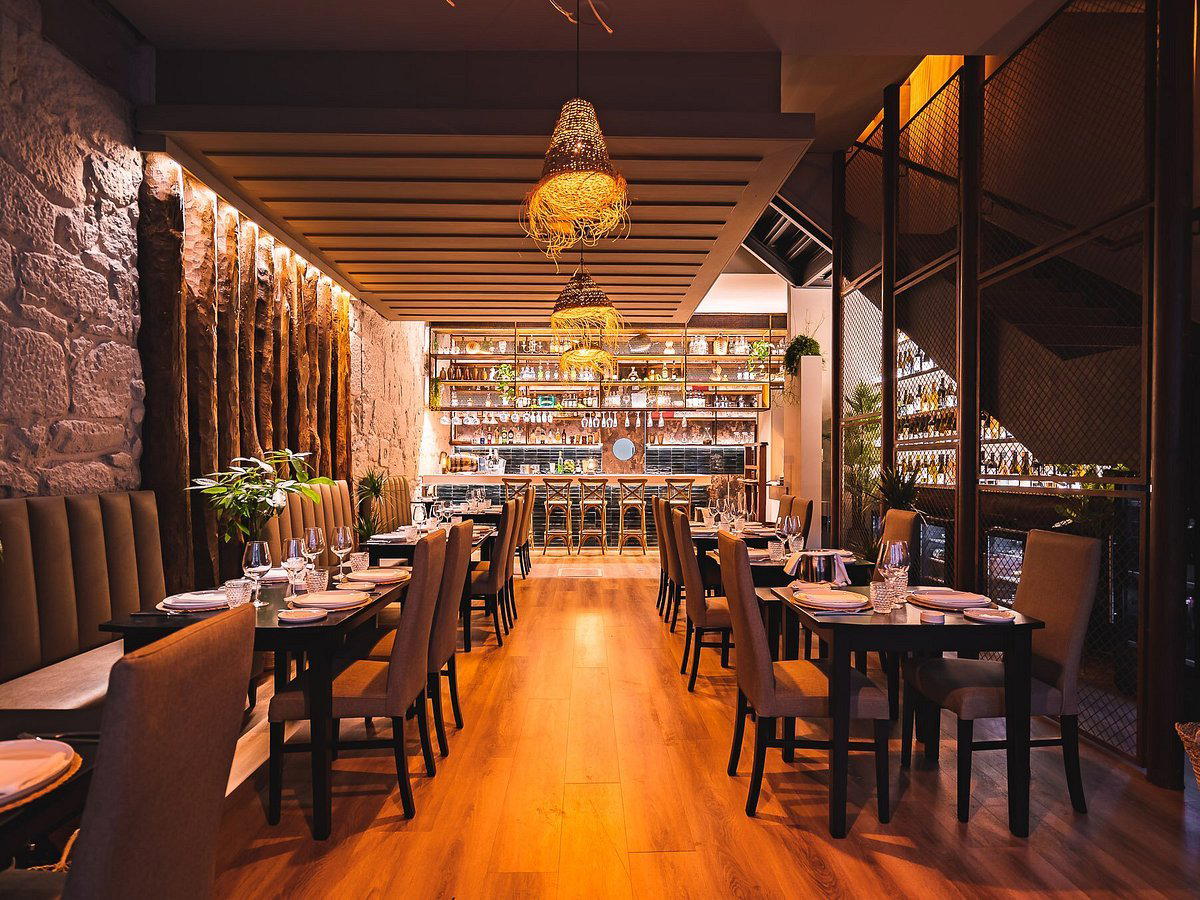
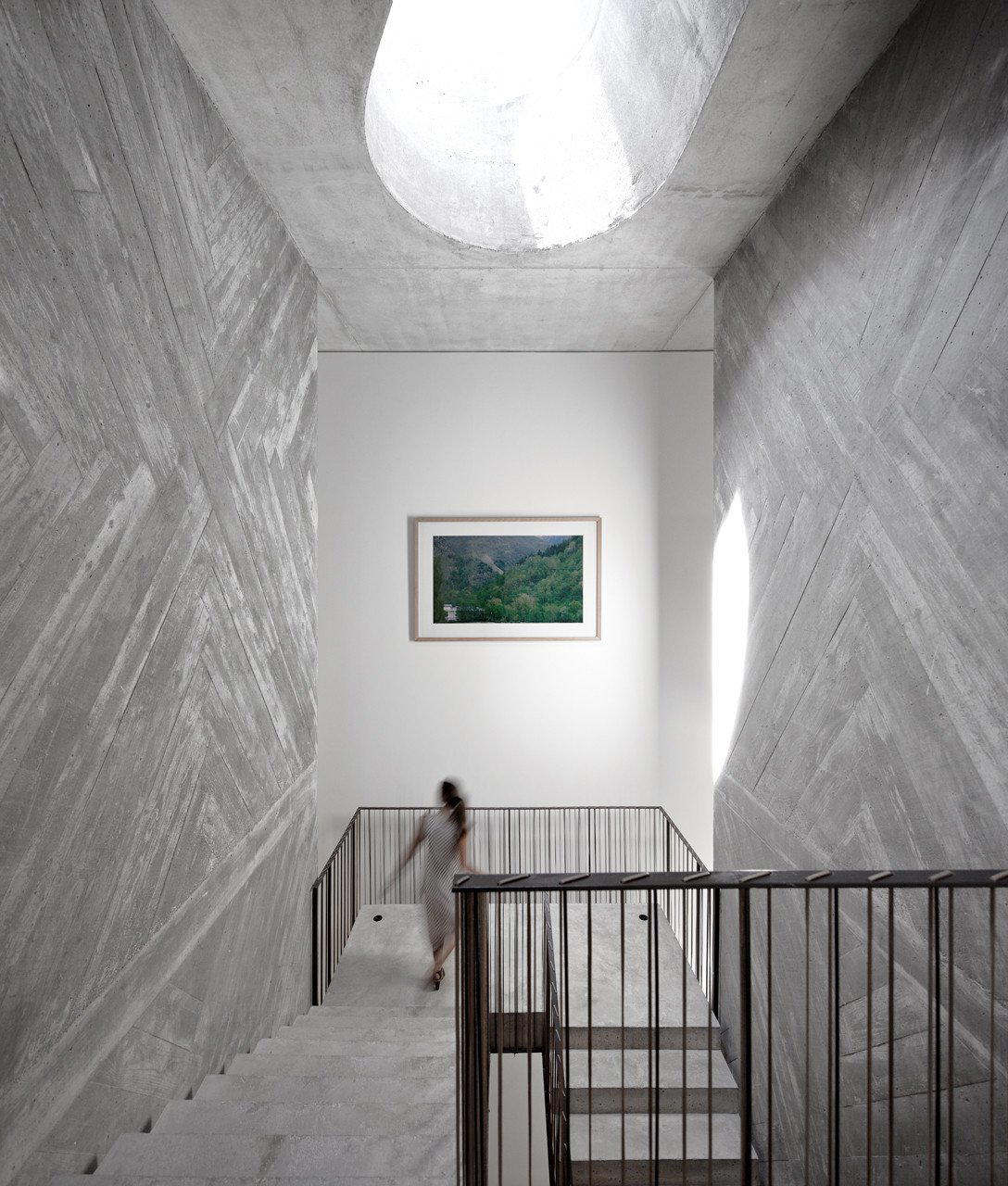
Porto's most interesting dining rooms have a habit of appearing where you least expect them. Kaigi occupies the ground floor of a residential building on Rua de Eugénio de Castro, a street removed from the tourist-dense core of the Ribeira and the gallery-district activity around Rua Miguel Bombarda. The approach is residential, quiet, and deliberately unhurried, the kind of address that filters out the casually curious and rewards those who seek it out. Inside, the room is organised entirely around a large U-shaped sushi counter seating 16 diners. There is no dining room hidden behind it, no secondary floor, no lounge to graduate to. The counter is the experience, and the format insists that everyone in the room is present for the same progression at the same time.
That structural choice borrows directly from the Japanese izakaya tradition, where the counter is not merely furniture but the governing logic of the meal: an open kitchen, a shared pace, and proximity to the preparation that makes the cooking itself part of the atmosphere. Porto has absorbed that format and given it a particular inflection, the ingredients are not being imported wholesale from Tokyo's Tsukiji market, but sourced with the same discipline from what the Portuguese Atlantic and Iberian interior produce. The result is a menu that reads as Japanese in technique and rhythm while running on local supply, a combination that defines Kaigi's position in the city's dining conversation.
What the Michelin Plate Actually Signals
Kaigi holds a Michelin Plate for both 2024 and 2025. Within the Guide's structure, the Plate denotes cooking of quality, a verified floor of consistency and craft, distinct from the starred tier but not simply an also-ran. At the €€ price range, that recognition carries weight: starred restaurants in Porto and Portugal more broadly operate predominantly at the €€€€ tier. Antiqvvm, Blind, Euskalduna Studio, and Le Monument all occupy that upper bracket.
Portugal's Michelin-recognised restaurants are spread across a range of formats and cities. In the Algarve, Ocean in Porches and Vila Joya in Albufeira represent the resort-adjacent fine dining category. In Lisbon, Belcanto anchors the contemporary Portuguese end. Porto's own Michelin footprint has deepened over the past decade, and Kaigi occupies the accessible end of that spectrum, a counter omakase format at a price point that makes it a practical first or second night of a Porto dining itinerary rather than its anchor splurge.
The Fusion Logic and Why It Works Here
Japanese-Portuguese fusion is not a novel concept in Lisbon, where the historical ties between the two cultures run to the 16th century and the word tempura traces back to Portuguese missionaries. But in Porto, the format is less established, and Kaigi's version of it focuses on ingredient logic rather than historical symbolism. A nine-course tasting menu built on the leading ingredients of the day means the kitchen's sourcing decisions are the actual menu, there is no fixed card to photograph and pre-brief, only a set of daily variables filtered through Japanese preparation discipline.
That approach places Kaigi in the same structural category as the omakase counters of Tokyo's mid-tier, where the chef's procurement judgment is the central proposition. Venues like Myojaku and Azabu Kadowaki in Tokyo operate on similar principles at considerably higher price points. What makes Kaigi worth examining in its own context is that it transplants the format's discipline into a city where Atlantic fish, northern Portuguese produce, and Japanese technique create combinations that no Tokyo counter could replicate. The Portuguese element is not a decorative addition, it is structural.
Value at This Tier of the Market
The editorial angle here is worth making explicit. Porto has a competitive restaurant scene with several tables at the €€€€ tier that rightly attract international attention. Le Monument and Euskalduna Studio both carry Michelin stars and price accordingly. At the €€ tier with Michelin Plate recognition, a nine-course tasting format, and a 16-seat counter that creates genuine intimacy, Kaigi offers a specific kind of value proposition that is not about cheapness but about density of experience relative to cost.
The format itself amplifies this. Sixteen seats means the kitchen is cooking for a small room; the U-shape means no seat is more than a few feet from the preparation. Counter dining at this scale in Porto does not have many comparators. Tokkotai operates in the Japanese tradition in the city, but the format and price positioning differ. Kaigi's combination of format discipline, ingredient-driven menu, and price tier is particular to its address on Rua de Eugénio de Castro.
For reference against Portugal's broader dining scene, Casa de Chá da Boa Nova in Leça da Palmeira and The Yeatman in Vila Nova de Gaia represent the higher-end destination dining that surrounds Porto. Il Gallo d'Oro in Funchal shows how tasting formats can anchor a hotel-adjacent dining experience at a premium. Kaigi sits at none of those price points, which is precisely its editorial interest.
Planning a Visit
The address, R. de Eugénio de Castro 226, 4100-225 Porto, sits outside the immediate historic centre, which means arriving by taxi or rideshare is the most practical approach for first-time visitors unfamiliar with the western residential grid. The 16-seat format means booking is the governing constraint: a full counter at a Michelin-recognised address at the €€ tier will fill on weekends and during Porto's high season (June through September). The nine-course structure makes this a full-evening commitment rather than a quick dinner, plan two to two-and-a-half hours minimum.
For those building a Porto itinerary around the city's dining range, Kaigi fits naturally as a format contrast to the higher-end creative tasting menus at Antiqvvm or Blind. The full Porto restaurants guide provides the wider context. Visitors planning a stay should also consult the Porto hotels guide, and the Porto bars guide, Porto wineries guide, and Porto experiences guide for a complete picture of what the city offers across categories.
Frequently asked questions
Where is Kaigi in Porto?
Kaigi is located at R. de Eugénio de Castro 226, 4100-225 Porto, Portugal, Porto.
Does Kaigi have a Michelin star or similar recognition?
Kaigi has received recognition including: Following something of the philosophy of traditional Japanese izakayas, this restaurant, located on the ground floor of a residential building on the outskirts of the historic centre, revolves entirely around a large, U-shaped sushi counter….
What do regulars order at Kaigi?
There is no à la carte option at Kaigi. Every diner receives the same nine-course tasting menu, built around the best ingredients available that day. The menu's Japanese-Portuguese fusion framework means the selection shifts with seasonality and supply rather than a fixed rotation.
Is Kaigi more mid-range or high-end?
Pricing at Kaigi is listed as €€.
How hard is it to get a table at Kaigi?
The counter seats 16 across a single U-shaped configuration, which limits covers per service considerably. Kaigi holds Michelin Plate recognition for both 2024 and 2025, and that sustained profile at the €€ price point generates demand that outpaces capacity. Booking ahead is advisable, particularly for weekend sittings.
What has Kaigi built its reputation on?
Two consecutive Michelin Plate awards (2024 and 2025) confirm the consistency of the kitchen's output. The reputation rests on the counter format itself: 16 seats arranged around a U-shaped bar, a fixed nine-course menu tied to daily ingredients, and a Japanese-Portuguese fusion approach that draws on one of the oldest cross-cultural food relationships in the world.
Cuisine Context
| Venue | Cuisine | Price | Awards | Notes |
|---|---|---|---|---|
| KaigiThis venue (the venue you are viewing) | Modern Japanese-Portuguese Omakase | $50–100 | Michelin Plate | Not listed |
| Euskalduna Studio | Modern Fusion Tasting Menu | $100–150 | 1 Michelin Star · La Liste Top Restaurants | Progressive Portugese, Modern Cuisine |
| Pedro Lemos | Contemporary Portuguese Fine Dining | $100–150 | 1 Michelin Star · La Liste Top Restaurants | Not listed |
| Almeja | Contemporary Portuguese Fine Dining | $50–100 | Michelin Plate · We're Smart World 1 Radish | Not listed |
| Antiqvvm | Modern Mediterranean Fine Dining | $200–300 | 2 Michelin Stars · La Liste Top Restaurants | Creative |
| Le Monument | Modern Portuguese Fine Dining | $150–200 | 1 Michelin Star · La Liste Top Restaurants | Contemporary |
Recognition history
Dated appearances from independent guides and award organizations, with the underlying list record or original source where available.
Michelin Plate
Michelin
Full recognition history (3 entries)
Michelin Plate
Michelin
Michelin Plate
Michelin
Continue exploring
More in Porto
Restaurants in Porto
All restaurants in Porto →
Bars in Porto
All bars in Porto →

Details
- Intimate
- Modern
- Trendy
- Minimalist
- Elegant
- Date Night
- Special Occasion
- Chefs Counter
- Open Kitchen
- Sake Program
- Local Sourcing
- Tasting Menu
- Omakase
- Counter Dining
- Sake Program
Current opening hours
- Monday
- Closed
- Tuesday
- 7 PM–12 AM
- Wednesday
- 7 PM–12 AM
- Thursday
- 7 PM–12 AM
- Friday
- 7 PM–12 AM
- Saturday
- 1–3 PM, 7 PM–12 AM
- Sunday
- Closed
Hours can change for holidays and private events. Hours as of .
Intimate counter dining with minimalist, modern design, attentive service, and a focused atmosphere ideal for special occasions.